Skip to content

Bujinkan Kyūdan 九段: Reaching the Source

From Bujinkan Santa Monica by Michael

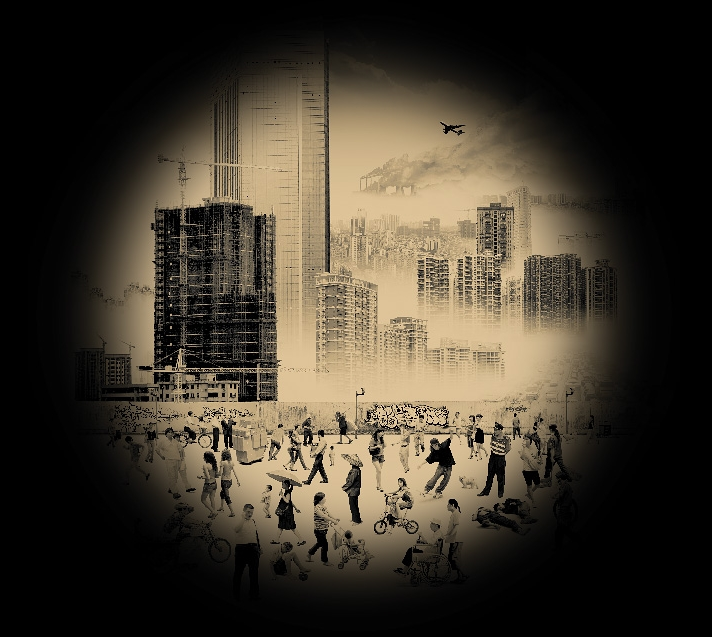
Reaching the Source, digital c-print photograph by Andrew Binkley
Hatsumi Sensei describes the journey of a Bujinkan student through the Dan ranks as being akin to the Ten Oxherding pictures in Zen Buddhism. These pictures describe the seeker's journey to enlightenment.

If you haven't read my other posts in this series, please check them out. You may find them useful no matter what your rank is:

Bujinkan Shodan 初段: Searching for the Bull
Bujinkan Nidan 弐段: Discovering the Footprints
Bujinkan Sandan 参段: Perceiving the Bull
Bujinkan Yondan 四段: Catching the Bull
Bujinkan Godan 五段: Taming the Bull
Bujinkan Rokudan 六段: Riding the Bull Home
Bujinkan Nanadan 七段: The Bull Transcended
Bujinkan Hachidan 八段: Both Bull and Self Transcended

Now that we are at kyūdan, we have not only reached the source, we have returned to it:
Woodblock print by 德力富吉郎 Tokuriki Tomikichirō
返本还源 Reaching the Source

Too many steps have been taken
returning to the root and the source.

Better to have been blind and deaf
from the beginning!
Dwelling in one's true abode,

unconcerned with and without -

The river flows tranquilly on
and the flowers are red.

I have abandoned the whip and ropes

From the outside looking in at this stage of training is confusing. From the outside it makes your entire training regimen seem pointless. From the outside it appears the destination of training is to return to where you started.

Your black belt has frayed and worn so much that it is a white belt again. Maybe you should have just kept the white belt in the first place! There have been many temptations to give up training altogether.

Good technique, bad technique are exactly the same. Winning or losing are no different. Attacker and defender are exactly the same. So you may never have trained at all, and you will be at the same place.

From the outside, students see teachers at this stage sometimes acting like unskilled white belts, and the students may lose faith in their teachers or in their own path.

The truth is, this way of understanding taijutsu starts long before kyūdan. It starts as soon as we begin to develop natural henka. It can be found in the expression of 梧心の型 Goshin no Kata. The difference is that by this level, you no longer simply perform henka, you embody 変化 henka.

Henka exists as not only variations on technique, but as a continual metamorphosis.

We are no longer concerned with being or non being. We don't distinguish between technique and henka. Being is non-being. Technique is henka.

We might then say, "ただこれこれ tada korekore," which translates to "only this, this," or might suggest that everything is just as it is.

You stand in the middle of the dojo and see black gi and students doing keiko. In an airport are travellers and luggage. Does it matter where they go or only that they travel? In a field, red flowers and green grass are growing.

You put on your obi.

Shikin haramitsu daikomyo!

Our final step in this series will be: Bujinkan Jūdan 拾段: In The World

Hotels and mail

From Sweden Taikai 2012 by alexander

I’ve had a few questions regarding hotels: the discounted hotel rooms are still available, and information regarding these will go out with the mail that includes payment instructions. This will happen in a few days.

Also – should you need to contact us regarding the seminar, please use the e-mail address [email protected]

Dean Rostohar – Shinken kata vol 9 – Knife & Pistol / Fighting & Tactics

From New Products from Budo Shop Store by New Products from Budo Shop Store

By learning how to use a knife and a pistol and getting to know how they can be used against someone, you also get a far better understanding how to defend yourself against these weapons. Dean taught us how to use the knife and pistol. How to carry them, how to draw them, how to use them against unarmed or unarmed opponent. He also taught how to defend against the same kind of attacks. These techniques is done with the knowledge and principles of what we learn in Bujinkan Budo-taijutsu from grandmaster Masaaki Hatsumi Soke. Hatsumi Soke have asked Dean to teach us the real fighting principles from his experience as he see that many people in Bujinkan only play around without really understanding the true fighting principles that he teach. This seminar was organized in Stockholm, Sweden on 29th and 30th of October 2011.

About the Instructor

Dean Shihan has a lot of experience from real fighting in the independence war of Croatia, and also from his time in the police force. He was born 1965 and started training Martial Arts at the age of 10. He have experience from many martial arts styles but he was not completely satisfied with them until he found the warrior art – Bujinkan Ninjutsu/Ninpo Taijutsu. For his full resume, check out his websites. http://www.bujinkan.hr http://www.specwog.bujinkan.hr
Skr239.00

Gyokko ryū – Togakure Ryū – article translation

From Wanderings in Budo by bujinshugyo

Gyokko Ryū Kosshijutsu

玉虎流骨指術
8世紀頃に異匂という唐人が日本に伝えたと言われているが、初見氏によると異国の某とも解釈でき、つまりはっきり誰とはわからないが、唐の拳法が元になっていることを示しているのではないかということだ。骨指術とは指一本で敵を倒せるという意味もあるがむしろ武道の骨子に通ずる。この玉虎流が伊賀の様々な武道のもとになった。

Gyokko ryū kosshijutsu
It is said that a Chinese person called Ibou in the 8th Century brought this to Japan, according to Mr Hatsumi it is correct to interpret that the person was a foreigner, although we don’t know who clearly, there is a clear indication of it’s origin in the martial arts of T’ang China (618-907). To defeat the enemy with one finger is kosshijutsu, it also means to have a better understanding of the essence or essentials of martial arts. This Gyokko ryū of Iga was the source of a variety of martial arts.

In the genealogy chart the characters used are  異匄 Ikai – something like an ‘unusual beggar’, whereas in the Gyokko description 異匂 Ibou is used – which could be translated to something like ‘curious fragrance’ (Furigana, small pronunciation hiragana, are used to indicate the reading as Ibou/Ibō).

八道入道 Hachidō Nyūdō is shown as a successor of Ikai/Ibou in the chart with and Gyokko ryū listed under his name.  八道 Hachidō can mean the 8 feudal districts of Japan, and 入道 Nyūdō is a monk – possibly indicating that he was a widely traveled or itinerant monk.


Hiden – Togakure Ryū – errata

From Wanderings in Budo by bujinshugyo

Thanks to George Ohashi for correcting me on the source of the article – it is not Hiden magazine (as I had always assumed) but Kakutōgi Tsuushin 格闘技通信, unarmed martial arts transmission (magazine), of May 1990.

The full info at the very bottom of the page is:
参考資料 • 武芸流派大事典 (東京コピー出版) 秘伝 • 戸隠流忍法体術 (新人物往来社/提供 • 若林太郎)
Reference material – martial arts school encyclopaedia (Tōkyō publication) Secret – Togakure Ryū Ninpō Taijutsu (Newcomers correspondence society/contributor – Wakabayashi Tarō)

If I have the name right then I am guessing Wakabayashi-san was the interviewer/reporter writing about the ‘Secret art of Togakure ryū’.  So in my defence at least Hiden is written there…

Kakutōgi 格闘技 – describes martial arts that don’t use weapons, fight one-to-one or as sports.

More to follow shortly.


Hiden – Togakure Ryū – article translation

From Wanderings in Budo by bujinshugyo

What follows a translation I have been mulling over for a time of a single sheet handed out by Hatsumi sensei at class in Ayase.

What his reasons were at the time for passing this around I do not know (most probably it was found buried under a pile of other books, weapons and objects in the Bujinkan office – that being the same situation for me when I rediscovered it a few months back). It is a photocopy of a page from the Japanese martial arts magazine Kakutogi Tsuushin 格闘技通信. The date written by hand at the bottom left is 平成25(the fifth month of the second year of the Heisei era) or May 1990.
(* 9 Jul – corrected source ref from Hiden to Kakutogi Tsuushin)

I have endeavoured to translate the text into English without much in the way of interpretation or rearrangement, some parts may therefore seem a little clumsy or confusing whilst reading. First I’ll present the Japanese text that I have had to write from scratch onto the laptop, then my translation paragraph by paragraph, followed by any notes or explanations that seem relevant. I will present this translation over several blog entries over the next few days or weeks.

To describe the page – after the heading and sub heading there is a genealogy chart that lists notable people and the styles or schools (ryū) demonstrating their connections and eventual merging together under Takamatsu Toshitsugu to be passed on to Hatsumi Masaaki. The text under the table is from an interview where Hatsumi sensei gives a summary of the different origins of the schools he has inherited, then some information on each of the 9 schools, concluding with a profile of Hatsumi sensei.

Title and Headings…

戸隠流忍法体術–後篇
伊賀のかくれ里と聖域•熊野が育んだ秘術
初見氏が受け継いだ流派の系譜

Togakure ryū ninpō taijutsu – the last part
Hidden village and sanctuary of Iga • mysteries nurtured in Kumano
As successor and inheritor Mr Hatsumi’s nine schools genealogy

Genealogy table image…

Main text…

初見氏が受け継いでいる武術では、伝書の類をあまり重視していない。というのは、どこで誰が始めたとはっきり言えるような類の術ではなく、多種多様な文化交流の中で自然発生的に生れてきたものだと解釈しているからである。その発生期を考えれば、世紀頃にさかのぼらなければならない。その頃、大陸から渡ってきた僧やクグツ奇術師などが、拳法や幻術を持ちこんだ。また、同じ頃修験道が起こり、それに密教がかわってくる。

In the martial arts that Mr Hatsumi has inherited there has not been much focus on the variety of densho. In other words, rather than to say clearly that this kind of art comes from a great variety or diversity (of sources) … because some have interpreted that it is something that is born spontaneously through the cultural exchange of a wide variety of styles/arts. If you think of this origin time then you have to go back to the 7th Century. At that time monks and magicians (puppeteers and illusionists) came over from the continent (China) and brought martial arts (kenpō) and magic (genjutsu). Also, at the same time there are changes brought to Esoteric Buddism and Shugendō appears.

そういった初期の武士や修験者、僧などが、人里を離れて山中に集団生活を営むようになった。周囲に深山を囲まれた伊賀は、彼らの絶好のかくれ里で、いわば文化の吹きだまりだったのだ。そういった中から次第にいろんな術がまとめられ、やがて多くの武術の流派を生み出していった。その過程を示したのが系図の左側のブロックである。

Such early warriors, shugensha and monks began living a communal life secluded in the mountains. Iga is surrounded by mountains and ideal for their hidden villages, it was a kind of drifting together of cultures. In such a place where many arts gradually came together, eventually many martial arts schools were created. The block on the left side of the genealogy table illustrates this process.

初見氏が持っている伝書の類は、発生期の頃の記述があいまいだが、それは複雑にからみ合った歴史の流れを一種のモデルケースとしてまとめたものだと考えればいいだろう。初見氏に昔の技を見せてくださいと頼んだらいつの時代の技ですかと訊き返された。当然である。時代の文化背景によって技も兵法も常に変化し続けているのだ。紙に書かれた歴史も史料として大切だが、それよりも、それぞれの時代の文化を肌触りとして伝え続けた武術が、現代に受け継がれているということの感動である。まさに数百年に渡る知恵の結集なのだ。

In the kind of densho Mr Hatsumi holds, the description of the time of the origin is ambiguous/vague, when you think of it as a summary – a kind of model case – of the intricately intertwined course of history. I requested Mr Hatsumi “please show me the ancient techniques” and asked “what techniques have been around for all time?”.  The techniques and tactics are constantly changing depending on the cultural background of different eras. Written or recorded history and historical records are also important, however, each cultural period has continually transmitted the feeling of martial arts, with passionate people some of these have been handed down to the present day. He brings together wisdom from over hundreds of years.

一方、伊賀からやや南下した熊野は、古く神道のメッカとされた聖域だ。ここでは神道の行法を取り入れた武術が育まれた。それが系図右側のブロックである。また、熊野灘には熊野水軍や九鬼水軍と呼ばれる海賊一種の海上武士団が勢力を誇っており、彼らが武術を育てたことも見逃せない。

Contrast this with Kumano, a little south of Iga, that has been a sanctuary and Mecca for old Shintō. In this area martial arts that incorporate Shintō have been nurtured/cultivated/flourished. The block on the right side of the genealogy table illustrates this process. Also, they could boast of the Kumano navy known as the Kuki navy and also called pirates (one kind of maritime warrior group) that used the open sea around Kumano, I cannot miss out the martial arts they were raised in?

そして、伊賀と熊野という日本の文化史上重要なスポーツで育まれたつめ武術は、高松寿嗣によってひとつにまとめられ、初見氏に伝えられた。凄いものだと感心していると、初見氏が言った。はっきり言って昔のことはよくわからないですよそのつもりで各流派の解説を読んでほしい。

Also the 9 martial arts from Iga and Kumano are an important part of Japan’s cultural history and sports, combined into one by Takamatsu Toshitsugu and passed on to Mr Hatsumi. Mr Hatsumi said he was impressed to be given such an amazing thing. I do not know the old saying exactly, but please read the description of each school with that intention (bearing that in mind?)…