Skip to content

VIDEO: 不動座 Fudouza

From Bujinkan Santa Monica by Michael


Here is a quick video for all my readers about 不動座 fudouza.

If you can't see it above here is a link to the video:  不動座 fudouza

This is not a description about technical details of sitting in this kamae, but rather more about the feeling and symbolism associated with the "immovable seat."

 I describe fudouza's connection to the symbolism of axis mundi, which is the central point around which the world revolves. I then tell a story about the Buddha and his battle with mara while seated under the bodhi tree. What happened when he got up after reaching enlightenment?

I detail a bit about 坐り型 suwari gata in the Bujinkan, and how Hatsumi Sensei sometimes approaches this with the feeling of Daruma.

Oh, I forgot, I also caught my first clumsy writing of the kanji for 不動座 fudouza on camera!

And lastly I suggest a tricky way to leave Fudouza. Be careful if you try it!

Gikan Ryū Koppōjutsu – article translation

From Wanderings in Budo by bujinshugyo

義鑑流骨法術
骨指術の流れを汲んで、16世紀に河内の爪生判官義鑑房が創始した。
この骨法術から続く流れには、もうひとつ鈴木大膳太郎近政の本体玉心流という骨法があり、それが出雲の深尾角馬重義に伝わって出雲骨法となったが、初見氏にはその流れが伝わっていない。

Koppojutsu

Gikan ryū koppōjutsu

Drawing from the transmission of kosshijustsu, founded in the 16th century in Kawachi by Uryū Hangan Gikanbō.
From this koppōjutsu transmission there is another koppō school called Hontai Gyokushin ryū by Suzuki Daizentaro Chikamasa, passed on to Fukao Kakuma Shigeyoshi as Izumo koppō, this school was not transmitted to Hatsumi sensei (aka this is not the one that was passed to Hatsumi)

爪生判官義鑑房 Uryū Hangan Gikanbō

判官 Hangan, Zō – judge or magistrate, this term originates from the Ritsuryo 律令 system introduced to Japan from China in the 7th Century – originally it indicated an administrator of the 3rd or 4th rank (out of 4).


義鑑 Gikan
Paragon of Justice

Most commonly Gikan ryū is referred to as the ‘Truth, Loyalry and Justice School’, this name being repeated throughout any site in English in relation to the Bujinkan (schools).

It may seem strange to many to point out this out, however Truth, Loyalty and Justice are differing meanings of the first character ‘Gi’ 義 – so really the ‘Truth, Loyalty and Justice School’ should be Gi ryū.

The more significant, and completely ignored, is the second character ‘kan’ 鑑, used to indicate several ideas from ‘to learn or take warning from’ or ‘a specimen or model’.

Gikan can be understood as the Example of Righteousness, Model of Honour, Paragon of Justice, Exemplar of Truth, To Take Heed of Morality.

Gikan ryū, to narrow it down in English parlance, can be the Paragon of Virtue or Paragon of Justice Style.

Example of loyalty

Gikan ryū is one of the 4 styles attributed to Gyokkan, who learnt the Gyokko ryū of Hachidō Nyūdō through Tozawa Hyakuunsai Kaneuji. Gikan ryū is passed though Ishitani Matsutarō Takakage and then on to Takamatsu Toshitsugu to arrive at Hatsumi Masaaki.


8 September – Naginata-jutsu med Mats Hjelm i KGZ Dojo Stockholm


En dags studier av Bujinkan Naginata-jutsu, hillebardstekniker.
Träningen kommer att vara utomhus i närheten av dojon. Vi träffas i dojon kl 10:30-11:00 sedan går vi ut och tränar.
Om det är för dåligt väder så tränar vi inomhus och då Hanbojutsu (kort stav) istället. Vi har vapen för utlåning.
Kostnad 200 kr

One day seminar, studying the Naginata-jutsu (halberd techniques).
Training will be outside. We meet in the dojo between 10:30-11:00 then we go outside to train. If it is really bad weather, we stay inside and train Hanbojutsu. We have weapons you can borrow.
Price 200 SEK…

Gyokushin ryū ninpō – article translation

From Wanderings in Budo by bujinshugyo

玉心流忍法
骨指術の流れを汲み、佐々木王郎右衛門暉頼が創始した。忍法の流派の特徴は使う武器の種類にある。玉心流は投縄が秀れている。

Gyokushin ryū ninpō
Drawing from the transmission of kosshijutsu, Sasaki Ōrōemon Teruyori is the founder. A speciality of the ninpō schools is their weapon of choice, for Gyokushin ryū this is the nagenawa.

玉心 Gyokushin – jeweled heart, treasured spirit, precious centre or core, to treasure that held in the heart – all interchangeable and viable interpretations.  Jeweled heart is the most frequently quoted, but doesn’t really do justice to the name as is a simplistic reading of individual kanji.

暉頼 Teruyori – shining trust – also written as Akiyari and Teruyoshi in various translations.

投縄 Nagenawa – throwing rope or lasso – though I dislike the use of lasso as this translation often brings to mind the American cowboy – possible better functional terms are looped rope, catching rope, thrown rope, snare or restraining rope.

Gyokushin ryū is one of the 4 styles attributed to Gyokkan, who learnt the Gyokko ryū of Hachidō Nyūdō through Tozawa Hyakuunsai Kaneuji.  Gyokushin ryū is passed down to Toda Shinryūken Masamitsu and Takamatsu Toshitsugu to arrive at Hatsumi Masaaki.


The Rise of 生物奇怪 Seibutsu Kikai

From Bujinkan Santa Monica by Michael

When Stunts Go Wrong, photo by Loco Steve
In our modern world, combat has evolved to an industrial and mechanical affair. Machines (機械  kikai) do the killing at a distance. For martial artists this can feel overwhelming or outside the scope of our training at a very human scale. But the Bujinkan also evolves with the times. Even though we study ancient weapons and arts, we must also keep our training alive to address modern concerns.

I was reading this humorous article about not being afraid of the robot apocalypse or of being destroyed by terminator robots: What if there was a robot apocalypse?

In this article the author explains how difficult it is for robots or computers to adapt. How easily they can be defeated by simple, and often natural methods or elements. For example, a fire hose turned on most robots will quickly end their rampage. Or a simple fishing net thrown over a robot would easily entangle its mechanics. Anything messy, really. Tar, mud, water, rubble, contaminated fuel… robots and computers are easily overwhelmed by the natural world.

The main reason drones have been so effective in combat is because they have human pilots, and they fly high above, and away from obstacles.

Reading about this reminded me of something Hatsumi Sensei has encouraged in our training. How may we address these types of warfare in the Bujinkan? I will not post any direct methods here, but Hatsumi Sensei has suggested a strategy for the future.

He suggests we should adopt a philosophy of seibutsu kikai (生物奇怪論に立って). A "living mysterious being theory." This is similar to hijoushiki 非常識. An irrational absurdity. It is like something supernatural, but as an extension and connected to the natural.

Seibutsu kikai is also cryptozoology. In Japan there are tales of Hibagon, Tsuchinoko, Kusshii, Isshii, Kappa, various Yokai, Mikoshi-nyūdō, Nue, Kasha,  Noderabō, Yamao, Buruburu, Nekomata, Shuten Dōji, Yūrei, Shiryō, Yanari, and Tengu, These mythical creatures and spirits exist in our dreams and nightmares throughout human history. They all have special traits, powers, or abilities. But they are difficult to find or hunt down. Do they exist? Did ninja? How would you go about finding one?

You cannot. And therein lies an important strategy. As Soke suggests in a play on words, this is 機会 kikai, or a time of opportunity. Drones, robots, and computers rely heavily on sensors and digital information, but how does one digitize a ghost? How can a robot fight a mystery?

Keeping this mysterious connection alive in our training is essential for those who have progressed beyond Godan, but also essential for the survival of our art as machines move beyond service to being replacements for us in life and combat. A machine could pass the Godan test with the proper sensors, but it could never properly give the Godan test. It will never have that connection. And there it will always be weak.

Shinobigatana, Ninja sword’s

From Paart Budo Buki by buki stolar

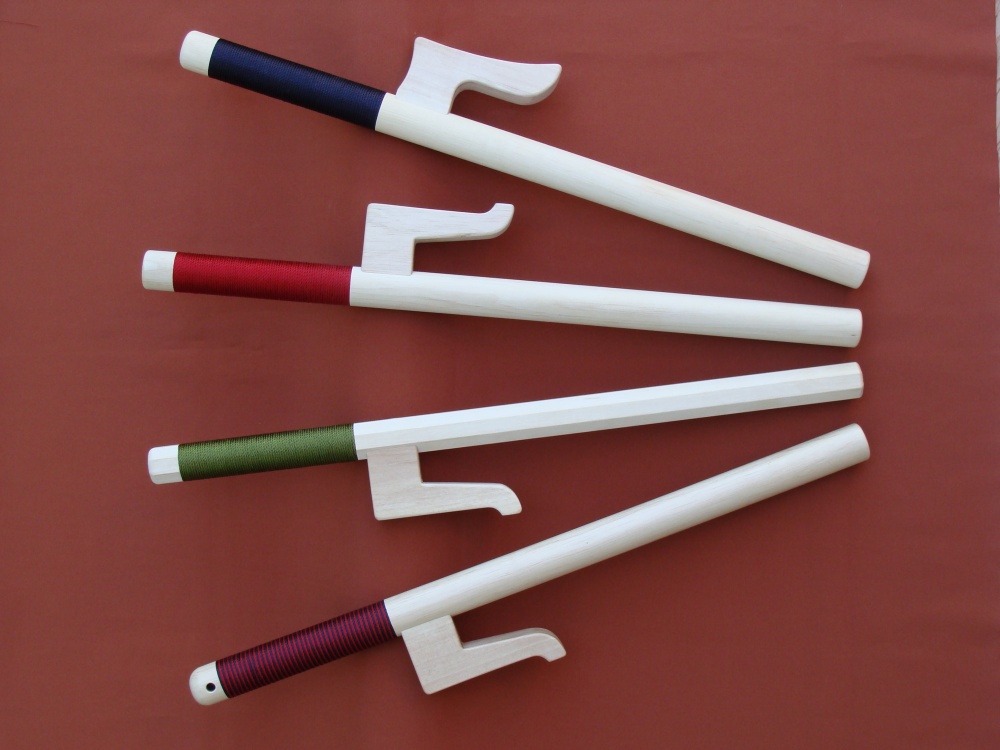
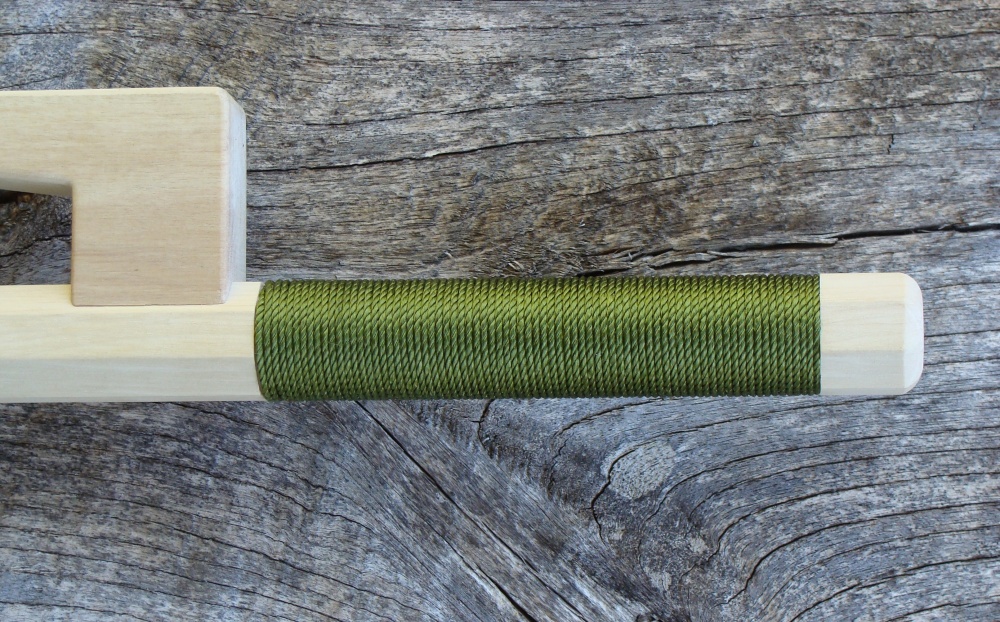
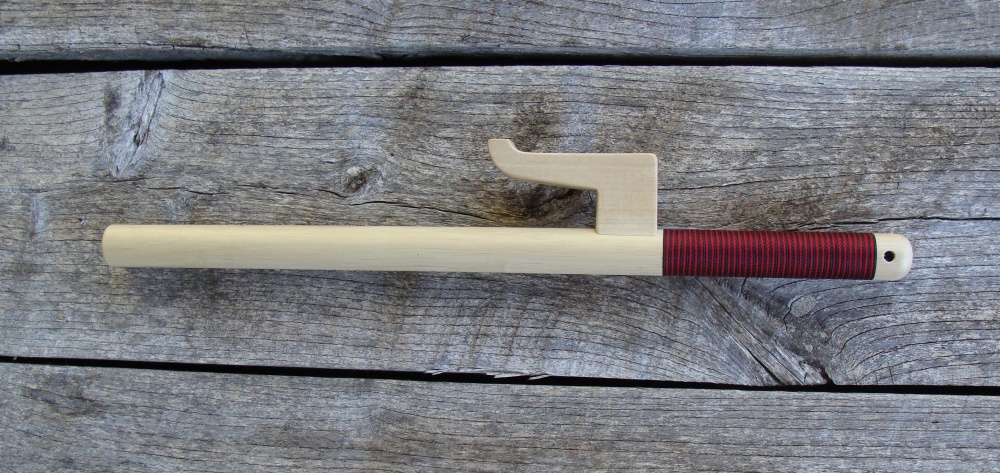
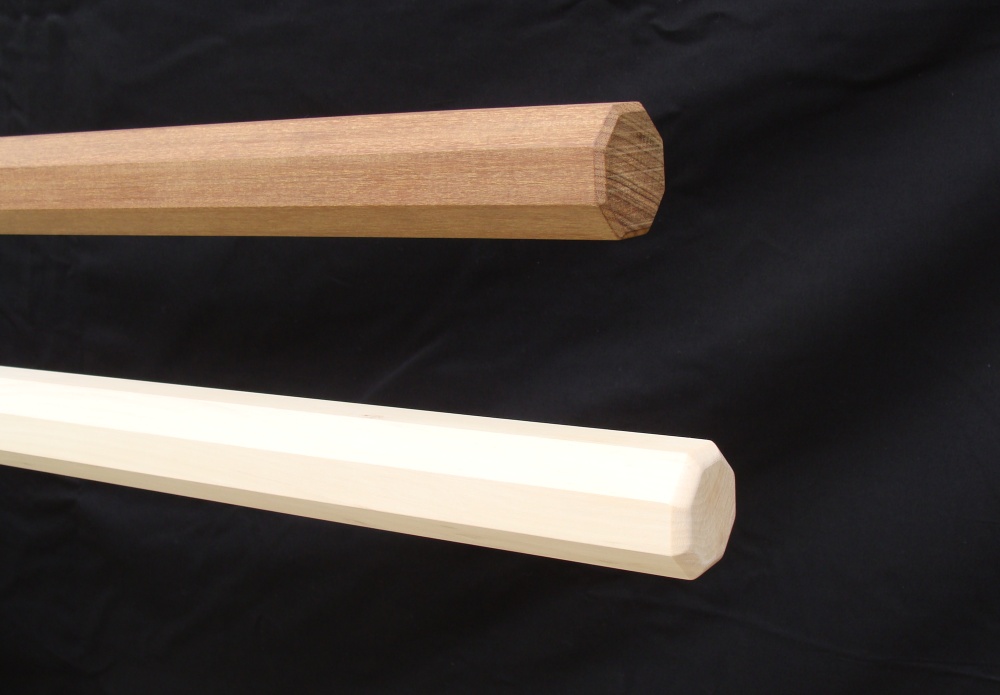
According to my latest knowledge about Shinobigatana, or ninja swords on which I need to thanks Shihan Alex Esteve,
he confirmed some of my assumptions, and here is few new boken's.

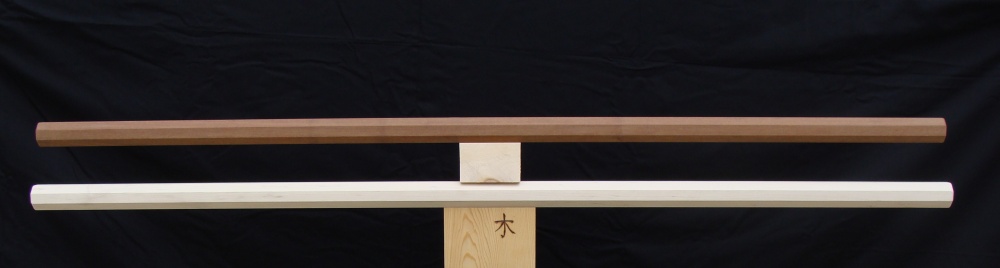
I photographed them together with the Cold Steel Warrior Katana, to better see the difference
sorry for the bad quality photos
It is difficult to catch the good light and shadow's : )

There are swords of this kind but there are also tactical, of which I will also write something and make some training versions.
soon more info, 

Kumogakure Ryū Ninpō – article translation

From Wanderings in Budo by bujinshugyo

雲隠流忍法
伊賀流忍法の始祖といわれる伊賀平内左衛門家長(雲隠法師)の流れを組み、戸田左源田信房を経て、戸田家に伝られる。

Kumogakure ryū ninpō
Iga Heinaizaeimon Ienage (Kumogakure Hōshi) is said to be the founder of Iga ryū ninpō, this flow was brought together by Toda Sagenta Nobufusa and thereafter transmitted to the Toda family.

雲隠 Kumogakure – hiding in the clouds, hidden cloud, cloud hiding
法師 Hōshi – Buddhist priest
平内左衛門 Heinaizaeimon – peaceful house on the left side of the defensive gate
家長 Ienage – family head, patriarch
信房 Nobufusa – trusted house, faithful follower

Another descendant of Hachidō Nyūdō’s Gyokko ryū, Kumogakure ryū is seen as the creation of Toda Sagenta Nobufusa based on the Iga ryū of Iga Heinaizaeimon Ienage. Through the Toda family it then finds its way to Takamatsu Toshitusgu and Hatsumi Masaaki.

Iga Heinaizaeimon Ienage – looking at this name you can see ‘the patriarch of the family that resided in the peaceful house to the the left of the gate in Iga’ and so indicates a person of prominent position. He is also referred to as Kumogakure Hōshi, or a Buddhist priest hidden in the clouds, as noted with Togakure ryū this links the person with the nature of the Iga region and mountain asceticism. So is the style named by Toda Sagenta Nobufusa (the trusted follower) as Kumogakure ryū the taking of his teachers name or named after the location associated with the person?


The description for Kumogakure ryū is brief and the same is true for the two following styles, Gyokushin ryū and Gikan ryū. To reiterate my purpose here is just to present a translation of the text and some comments on the names/kanji, I am trying to avoid any interpretation, explanation or information based on my experience of training with Soke or the Shihan in Japan (though I had to remind myself not to add a load on Kotō ryū from Senō-sensei last time…).