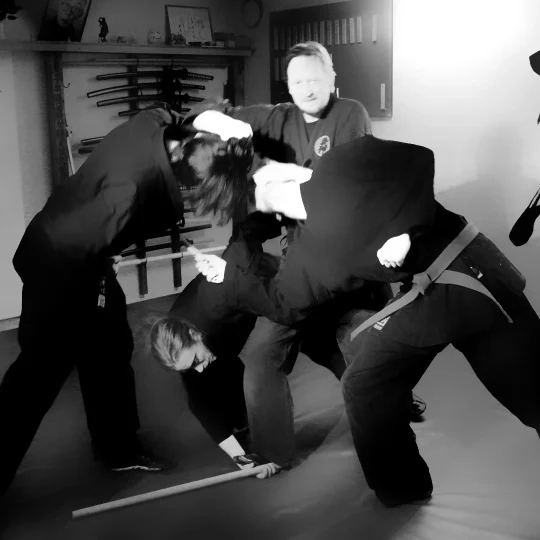
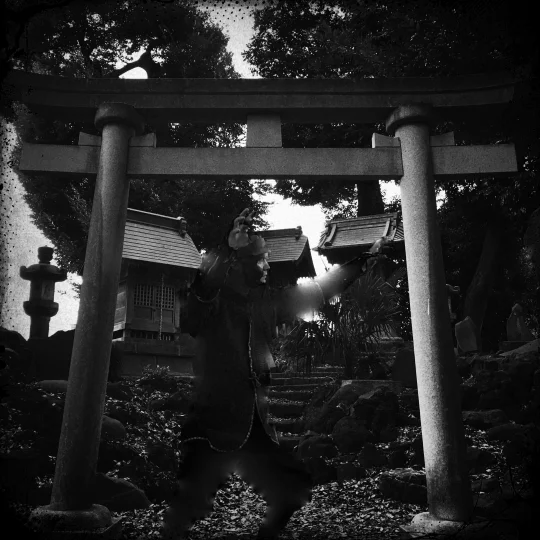
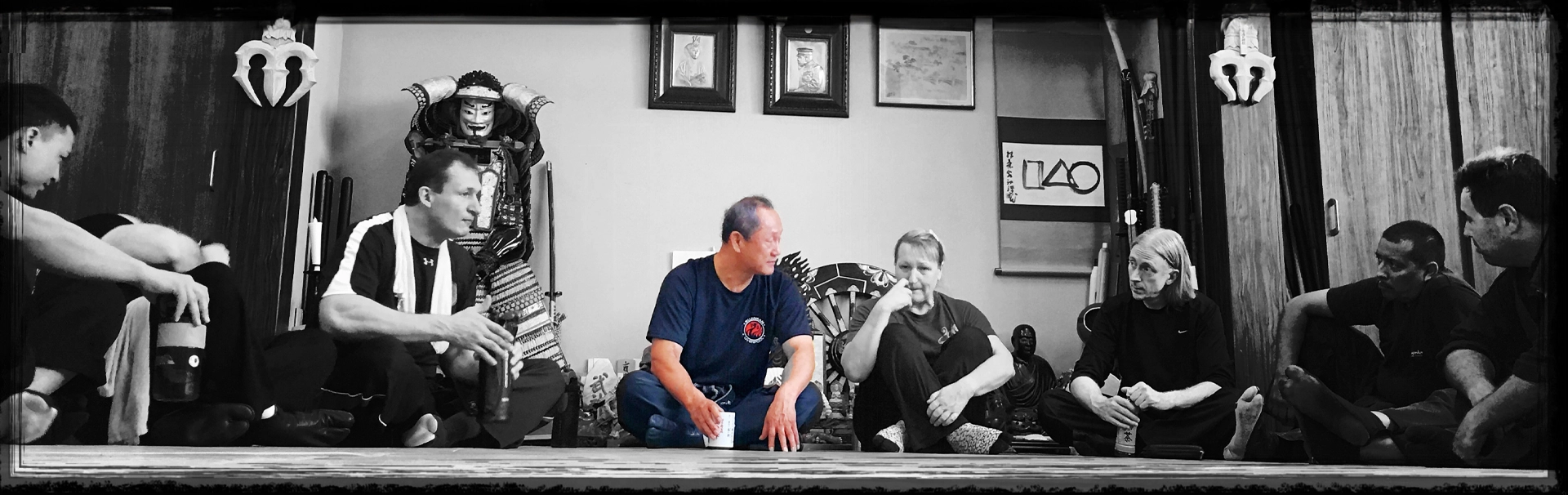
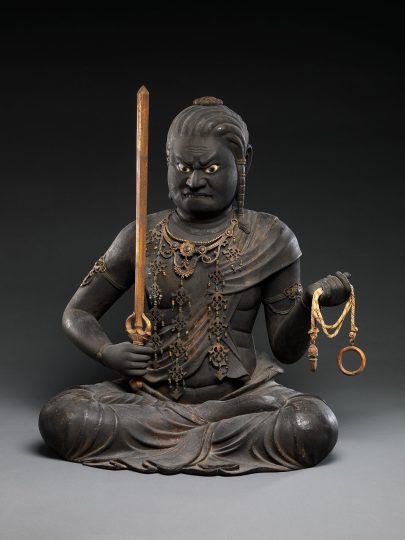
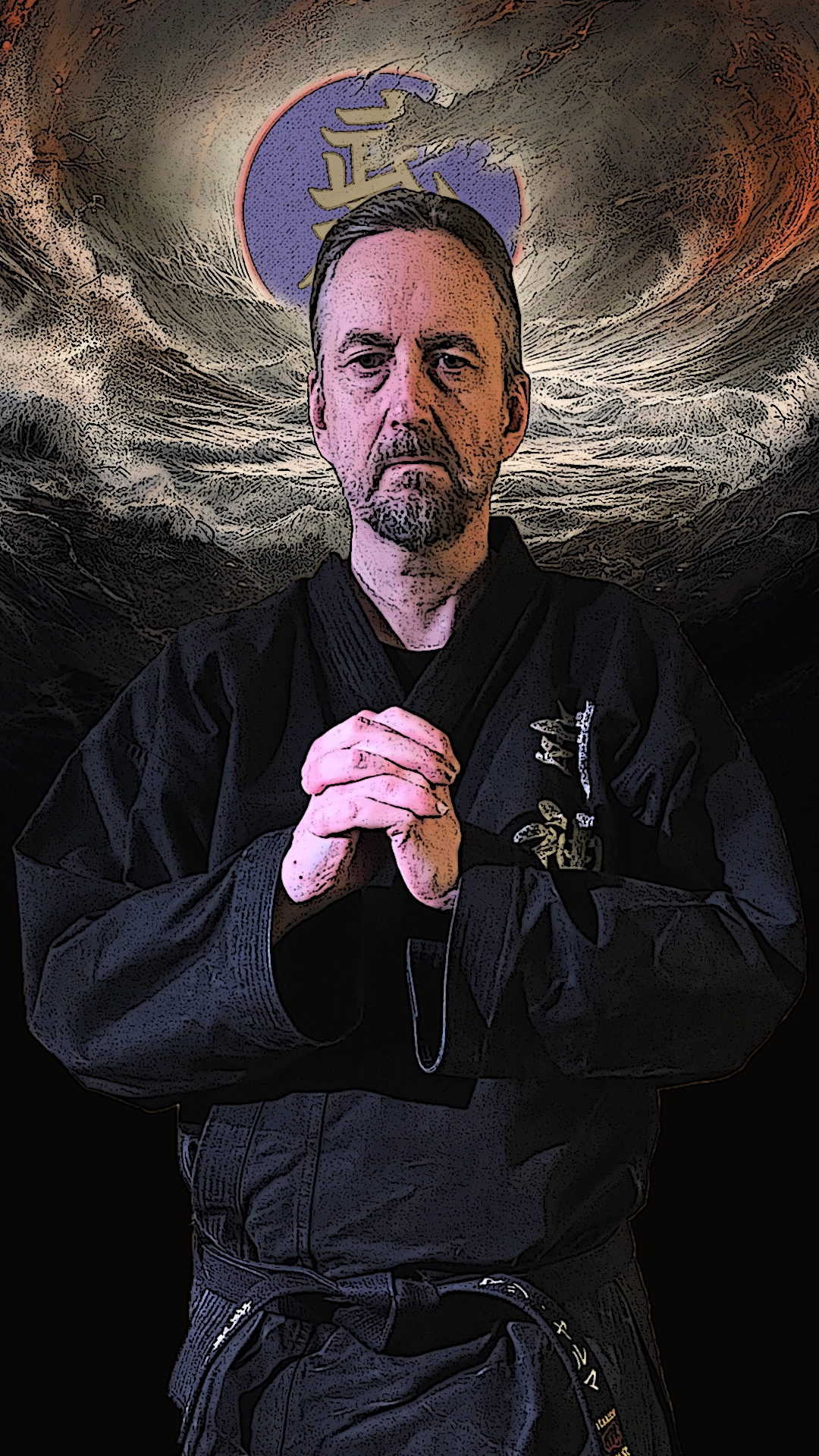
Taka no Mai (Hawk Dance) is an excellent exercise for basic physical strength, and it needs very little space. The side-to-side rock works the legs, but that is not all it trains. Shifting weight over the toes and folding the arms across the body asks for balance on a changing base. The same motion opens the hips, ankles, and spine, so flexibility improves with the strength. Done as a flowing drill rather than a frozen stance, it builds control through the whole body without a large floor or extra equipment.
鷹 (taka) is the everyday Japanese word for a mid-sized bird of prey. The character 鷹 is Chinese. The spoken word taka is Japanese, and it is already in the Man’yōshū, Japan’s oldest poetry anthology. People have guessed that taka comes from 高 (taka, “high”), because the bird flies high; from 猛 (take, “fierce”); or from the idea of a hunting bird raised by hand. None of these guesses is proven. The Nihon Shoki also records an older Korean name from Baekje, 倶知 (kuchi), for the same bird.
The kanji has a different story. In Chinese, 鷹 is linked to 膺 (the breast) and 応 (response). The image is a trained raptor held against the chest in falconry, and used to read omens. That is the history of the written sign, not of the Japanese word taka.
Hawks & Falcons
A hawk and a falcon are not the same bird. A hawk belongs to the hawk family, together with eagles and kites. It hunts by chasing and grabbing, often through trees, and has broader wings. A falcon belongs to a different family. It dives from high up and strikes with its feet. Its wings are long and pointed.
Japanese names keep this split. 鷹 (taka) means hawk-type birds such as the オオタカ (ōtaka, northern goshawk). 隼 (hayabusa) means falcon. 鷲 (washi) means eagle. 鳶 (tobi) means kite. English often calls both hawks and falcons “hawks.” Japanese hunting, 鷹狩 (takagari), used both birds under the one word 鷹 (taka). In ordinary speech, though, 鷹 (taka) is the hawk, not the peregrine falcon.
舞、踊り、舞踊 Mai, Odori, Buyō (Turn, Leap, Dance)
Japanese once split dance in two.
– 舞 (mai) means to turn. The feet slide, the body circles, and the movement follows melody more than a counted beat.
– 踊り (odori) means to leap. The body rises and falls with the music and stays on the rhythm. Festival dancing is odori. Noh and shrine mai are mai.
– 舞踊 (buyō) is a Meiji-era word made from 舞 plus 踊, invented to translate English “dance.” After that, many people stopped saying mai or odori and just said buyō for any Japanese dance.
Interesting side note: 鷹踊 (Taka Odori), a Kagoshima folk dance from Satsuma Town. Same bird in the name, different tradition — almost certainly no connection to our Taka no Mai.
鷹の舞の流れ Taka no Mai no Nagare (The Flow of the Hawk Dance)
Hawk Dance (Taka no Mai) is an excellent exercise for improving basic physical strength that requires little space. —Sakasai Sensei (Hiden Magazine January 2024)
From Hira-ichimonji no kamae I face forward with both arms straight out to the sides, without standing too deep or too wide in the legs. Then I look straight to the left and move my body weight over my left toes. I fold my right hand to my left shoulder and form a Shikan-ken with my left fist. This is the kamae of a left strike.
Then I move my weight to the right, over my right toes. I look straight to the right as I swing my right hand straight out to the right and bring my left hand to my right shoulder. This is the kamae of a right strike.
Then I move the weight over the left toes as I look to the left and swing the arms to the left. I start rocking left and right in a flowing motion, faster and faster.
Speeding it up may be my own addition to the dance. I do it because it is a balance challenge, it is probably also good practice, and it is more fun. I imagine myself as a sea anemone, just following the current under the water.
鷹の舞 (Taka no Mai) is only named in the kamae section of 天地人略の巻 (TenChiJin Ryaku no Maki), under 平一文字の構 (Hira-ichimonji no kamae). It is one of six training forms listed there. There is no written explanation of how to do it. It is taught by 口伝 (kuden), oral transmission.
体七分目 Tai Shichibunme (The body stops at 70%)
Anyone can do Taka no Mai, the hawk dance. It is easy. Jane Fonda did the same thing: legs slightly bent, arms straight out, little hand circles, rocking left to right — only she had disco.
If it is easy and anyone can do it, I do not think it would even be mentioned in the Bujinkan tradition. So let’s examine the movement.
I have a theory of only putting 70% into anything we do — power, reach, strength, and so on — so that you always have 30% saved in case you need it. But how can you give 70% if you do not know where your 100% is? Let me explain with a few examples.
Taka no Mai Kyokuken Tanren
First, go back to 2009 during a break at Daikomyosai in Ayase Dojo. I was sitting next to Mr T, and I guess he was restless. He started by standing really low. Then he extended really far out to the left. Then he moved over to the other side, keeping his head at the same level. And then he extended really far out to the right, still keeping his head at the same level. I noticed his knees went really far over his toes. And I realized he was practicing his full reach, getting familiar with his 100% limit.
Then I snapped these two pictures, and like most Japanese he said “thank you.” I do not think that meant I could publish his face on social media, which is why I do not show his face.
I also used these two pictures and replaced his face with Keitarō, and asked Grok to make a video of the rocking movement. It was difficult to make the video 100%. The arms swing around at random, half wrong. But the important part, the leg movement, is nearly as I remembered Mr T doing it. He did not rock to the sides as fast as Keitarō. Still, the AI video is 70% correct.
The theme in 2004 was Roppō Kuji no Biken. Below is a summarisation by Grok of the transcripts from the 10 Hikan Densho DVD’s and Daikomyōsai DVD from this year.
In the January–February 2004 training sessions at the Honbu Dojo, Masaaki Hatsumi Soke continued to explore the year’s core theme of Roppō Kuji no Biken—the secret sword of the six laws and nine syllables—while deeply grounding everything in Budo no Kiso, the fundamentals of martial arts. The sword remained the primary focus, but he constantly showed how the same principles apply to all weapons, to taijutsu, and to daily life. He began by speaking directly to viewers of the ongoing video series, explaining that the recordings were now moving into volume 11 after the first ten tapes. He wanted everyone—whether they practice budo or not—to understand the correct way to watch and absorb the material. He emphasized that war and peace are not separate[1]; they are deeply connected. This connection, he said, is extremely important. He pointed to the kanji for peace (平, hei/heiwa) and traced its meaning through Japanese history: the 平家物語 Heike Monogatari Tale of the Heike, the rise and fall of the Genji and Heike clans, the 太平記 Taiheiki chronicle, and even the 平成 Heisei era (8 January 1989 to 30 April 2019). The same character also echoes the sound of soldier or troops (兵, hei)[2], and in older usage it described states of battle or balanced equilibrium. In budo, he explained, body techniques, weapons, nature—everything is linked. Recognizing this interconnectedness reveals a vital part of the art. He urged people to view the tapes as essential teachings for living itself, not just for martial study.
The eighteen arts of culture and war—these are all connected too. It’s not about the number 18 as a digit, you know; that character 1 and 8, during battles, people often say 一か八か “Ichika Bachika“—putting everything on the line in a do-or-die match. So, when it comes to the 武芸十八般 Bugei Jūhappan, budo of the eighteen arts, even if you’re analyzing them, don’t analyze—don’t do that kind of thing. Instead, put the word “Ichika Batchika” first, and from there, creative fighting comes alive, I think that’s better. If you take that as the premise and proceed, then something like the intent of war emerges, or something like that.
January 6 and 13’th and February 3, 13, 17, and 20’th 2004
During the demonstrations, Hatsumi showed practical sword work with a strong emphasis on body integration. He explained that the sharpest cutting happens at the tip’s three-sun point. He stressed that real sword technique uses the whole body, not just the blade alone. It is not about mechanically swinging the sword; it is about driving forward with taijutsu principles embedded in every motion. He demonstrated controlling with the tsuba or hilt, hooking and pressing to create openings, and flowing naturally without fixed patterns. He repeatedly returned to the state of zero: eliminate all conscious intention of what to do or how to act. In that zero state, responses to incoming attacks—whether punches, kicks, or cuts—arise spontaneously. He showed how to meet force with minimal effort, redirecting or suppressing without tension, and letting the opponent’s momentum become the decisive factor.
戦 争 も 平 和 も つ な が っ て い る と い う こ と 。 こ れ が と て も 大 事 な ん で す ね 。 Sensō mo heiwa mo tsunagatte iru to iu koto. Kore ga totemo daiji nan desu ne.
War and peace are connected. This is extremely important.
He encouraged the group to express even one small insight after each session, because everything is connected from a single point. One genuine expression from any person can link to the whole. He reminded everyone that every participant is a teacher in their own way. A student described an unexpected throw straight downward instead of sideways, feeling a terrifying unpredictability where nothing went as anticipated. Hatsumi connected this sensation to the effectiveness of guerrilla tactics or terrorism: the moment something defies expectation, it becomes powerful. Cultivating that kind of unpredictable feeling through training allows it to be applied in many different situations.
ゼ ロ の 状 態 で ね 、 そ こ で 何 を と か 、 や ろ う と か っ て 意 識 全 部 な く す こ と ね 。 Zero no jōtai de ne, soko de nani o toka, yarō toka tte ishiki zenbu nakusu koto ne.
In the state of zero, eliminate all consciousness of what to do or trying to do something.
Throughout the sessions Hatsumi maintained that budo is not about separating skills into categories or analyzing the eighteen arts of culture and war. Instead, approach everything with total commitment—the spirit of “all or nothing.” Even in times of peace, human beings are always engaged in some form of struggle, internal or external. Training in budo reveals that war and peace are the same. In that realization lies true life. He invited the group to keep watching the video series with this perspective, because once the connection between war and peace is understood, the images take on a completely different meaning. The training was practical and direct, blending sword fundamentals with broader budo principles, always pointing back to interconnectedness, zero awareness, whole-body feeling, and the unity of apparent opposites.
February 22, 24, 27, 29’th and March 2, 5’th 2004
In the February 22–March 5, 2004 training sessions at the Honbu Dojo, Masaaki Hatsumi Soke continued deepening the year’s focus on Roppō Kuji no Biken (the secret sword of the six laws and nine syllables) and Budo no Kiso (fundamentals of budo), with heavy emphasis on sword work integrated with taijutsu principles. He demonstrated how to meet incoming cuts—especially to the body or shoulder—by entering precisely without clashing, using the elbow to redirect or press while controlling the opponent’s line of attack. He explained that standing techniques differ completely from ground or seated scenarios, and that armor changes everything: even a direct shoulder cut with a sword may not penetrate effectively, requiring subtle entries to exploit gaps or vulnerabilities.
だ か ら 決 ま っ て ね え か ら ね 、 教 え ら れ ね え ん だ か ら な 。 Dakara kimatte nē kara ne, oshierarenē n da kara na.
Because it’s not fixed, that’s why it can’t be taught (in a rigid way).
Hatsumi stressed adaptability and the absence of fixed patterns. When an opponent cuts, the defender must avoid predetermined blocks or counters; instead, respond fluidly from zero intention. He showed variations on controlling the sword arm—pressing with the shoulder, shifting grip, or flowing into throws—always emphasizing whole-body use over isolated hand or blade action. Techniques like yubi kudaki (finger crushing) appeared in transitions, but he reminded everyone to execute gently to avoid unnecessary pain while still achieving control. He demonstrated how to drop or pin an opponent by rolling pressure upward along the arm with the knee, gradually increasing discomfort without relying on brute force, and warned that careless application could lead to serious injury.
こ こ 肘 で い か ね え と ダ メ だ よ 。 Koko hiji de ikanē to dame da yo.
You have to go with the elbow here; otherwise it won’t work.
Throughout, he reinforced that nothing should be decided in advance—fixing a technique mentally leads to failure in real combat. Responses must remain open and creative, allowing variations to emerge naturally from the moment. He linked this to broader survival awareness: recognize when something works, when it doesn’t, and when to shift entirely. Demonstrations included close-range entries against punches or grabs, using shoulder movement to disrupt balance and create openings, then flowing into control or throws. He encouraged the group to practice these shifts repeatedly, noting that even small adjustments (like changing direction or pressure) make everything unpredictable and effective.
The training blended sword fundamentals with taijutsu, always circling back to interconnectedness—body, weapon, intent, and environment—and the necessity of zero-state awareness where conscious effort disappears. Hatsumi kept the sessions practical and exploratory, praising progress while urging deeper feeling and non-attachment to rigid forms.
March 7, 9, 12, 16’th 2004
In the March 7–16, 2004 training sessions at the Honbu Dojo, Masaaki Hatsumi Soke continued to explore the year’s themes of Roppō Kuji no Biken (the secret sword of the six laws and nine syllables) and Budo no Kiso (fundamentals of budo), with a strong focus on sword handling integrated with whole-body taijutsu. He demonstrated how to enter against incoming cuts—especially to the body or shoulder—by using precise timing and body alignment rather than direct blocks. He explained that the defender must press or redirect with the elbow or shoulder to control the opponent’s line, preventing them from completing the cut while creating openings for counter-movement. Techniques emphasized flowing entries, shoulder-driven redirects, and using the entire body to disrupt balance without relying solely on the hands or blade.
二 刀 を 使 う た め に は ね 、 一 刀 を 使 わ な い こ と ね 。 Nitō o tsukau tame ni wa ne, ittō o tsukawanai koto ne.
To use two swords, you must not use one sword.
Hatsumi repeatedly stressed the importance of non-fixed responses and zero intention. Nothing should be decided in advance; fixing a technique mentally leads to failure in real situations. He showed variations on controlling the sword arm—pressing, shifting grip, or flowing into throws—always highlighting that true effectiveness comes from whole-body connection rather than isolated action. He linked these ideas to Miyamoto Musashi’s two-sword style (nitō-ryū), explaining that using two swords truly begins with not using one sword at all—meaning the practitioner must master single-sword principles so deeply that dual wielding emerges naturally from the same zero-state awareness.
こ う い う 感 覚 は ね 、 自 分 で は な か な か 味 わ え な い か ら ね 。 Kō iu kan kaku wa ne, jibun de wa naka naka ajiwaenai kara ne.
This kind of feeling is something you can rarely experience by yourself.
He encouraged studying the unique feeling that arises only when receiving techniques directly from another person. Self-practice can improve form, but the subtle sensation of being moved or controlled requires direct transmission from teacher to student. Demonstrations included close-range entries against grabs or strikes, using shoulder movement to unbalance, then transitioning into control or drops. He showed how to manipulate space so the opponent feels pinned or spun without obvious force, often with no audible sword clash—creating a silent, decisive cut or redirection.
The sessions maintained a practical, exploratory tone, blending sword fundamentals with taijutsu to underscore whole-body connection, zero-state awareness, and the unity of apparent opposites—body and blade, intent and non-intent, self and environment. Hatsumi guided participants toward trusting intuitive feeling over rigid patterns, fostering deeper internal awareness through direct experience and shared practice.
March 19, 21, 23, 26, 30’th and April 6, 11’th 2004
In the March 19–April 11, 2004 training sessions at the Honbu Dojo, Masaaki Hatsumi Soke continued refining sword principles within the year’s Roppō Kuji no Biken and Budo no Kiso themes, but shifted focus toward extremely close-range, intimate control and the hidden dangers of seemingly gentle techniques. He demonstrated how to enter against grabs or cuts by releasing one hand while maintaining contact with the other, using subtle body turns and shoulder pressure to redirect force without obvious exertion. He showed variations on finger control (yubi kudaki) and arm manipulation, stressing that techniques must remain soft and non-committal at first—never fully committing to one path—so the opponent cannot predict or counter effectively. He explained that true two-sword mastery (nitō-ryū) paradoxically begins with not using a single sword at all, meaning the practitioner must embody single-sword awareness so completely that dual wielding flows naturally from the same unified state without separate effort.
二 刀 を 使 う た め に は ね 、 一 刀 を 使 わ な い こ と ね 。 Nitō o tsukau tame ni wa ne, ittō o tsukawanai koto ne.
To use two swords, you must not use one sword.
A major emphasis was on the irreplaceable nature of direct, personal transmission. Hatsumi pointed out that certain profound sensations—particularly the feeling of being moved, controlled, or redirected—cannot be fully grasped through solo practice or watching others. These experiences only arise when receiving the technique directly from another person, especially the teacher, making one-to-one interaction essential for internalizing the subtle, wordless understanding that underlies real effectiveness. He urged the group to study this unique feeling closely, as it forms the bridge between visible form and invisible reality.
剣 を 回 す だ け じ ゃ な い 。 切 れ 。 剣 で も っ て 巻 き 上 げ る ん だ 。 Ken o mawasu dake ja nai. Kire. Ken de motte makiageru n da.
It’s not just turning the sword. Cut. You spin him up with the sword.
He demonstrated how to exploit pockets or clothing in close quarters—grabbing for money, hidden weapons like shuriken, or other items—turning the opponent’s possessions into tools against them or simply assessing resources before deciding whether to continue. He humorously noted that if there’s no money, there’s no need to bother, adding that he wouldn’t act in certain cases for exactly that reason. These examples highlighted that budo extends far beyond sport or kata: it involves practical street-level awareness, improvisation, and survival intelligence.
Hatsumi also showed how to generate silent, decisive outcomes with the sword—no audible clash or dramatic motion—by manipulating space so the opponent feels spun or pinned without force. He warned repeatedly about the hidden lethality of techniques that appear gentle: what looks harmless can easily break fingers, loosen teeth, or cause serious injury if applied carelessly. He demonstrated strikes to the base of the teeth (rather than the chin) for maximum disruption with minimal visible effort, but cautioned against overdoing it, recounting past incidents where similar applications led to dental damage. The sessions maintained a balance of serious instruction and humor, with Hatsumi guiding participants toward trusting intuitive, moment-to-moment adaptation over rigid planning or visible power.
April 1-3 Takamatsu 33 Anniversary Taikai 2004
Day 1 (April 1’st 2004)
In the 2004 Takamatsu Memorial Taikai (Day 1) in Japan, Masaaki Hatsumi Soke opened by framing the year’s theme—Roppō Kuji no Biken (the secret sword of the six laws and nine syllables)—through a deep esoteric lens. He connected Miyamoto Musashi‘s Go Rin no Sho (five elements: earth, water, fire, wind, void) to Mikkyō (esoteric Buddhism), adding a sixth element: 識 (shiki, consciousness/perception). He explained that in Mikkyō, the six great elements encompass the totality of Buddhist reality, while in budo this becomes a complete view of martial essence. Ninjas, he said, “endure the body, endure the mind, endure the form, and endure consciousness practicing through six generations rather than five to fully grasp this holistic understanding.”
忍 者 は そ の 身 を 忍 び 心 を 忍 び 式 を 忍 ぶ と 言 い ま し て ね 、 識 を 忍 む と … 五 代 じ ゃ な く て 六 代 ま で で す ね 、 え ー 、 修 行 し た と 。 Ninja wa sono mi o shinobi kokoro o shinobi shiki o shinobu to iimashite ne, shiki o shinomu to… go-dai ja nakute roku-dai made desu ne, ē, shugyō shita to.
Ninjas are said to endure the body, endure the mind, endure the form, and endure consciousness… not five generations, but six generations of practice.
Hatsumi emphasized that the seminar would center on the practical reality of long and short swords, urging participants to truly grasp their essence beyond theory. He demonstrated hidden-weapon integration—shukō (finger claws), shuriken, and other concealed tools—while keeping them invisible to the opponent. He showed how to squeeze or control with minimal visible action (e.g., toe/fingernail pressure while moving), making the opponent unable to see or predict the source of control. He stressed that even without direct hand contact, techniques can succeed by entering the right spatial angle or timing.
A unique point was the concept of “up-down” dynamics in pinning or dropping: once pressure rises, immediately drop straight down for decisive effect (“Up! Down. Die.”). He linked this to silent, unseen dominance—opponents cannot retaliate because they never perceive the true point of control. Hatsumi also highlighted the importance of 識を忍ぶ Shiki o shinobu (enduring consciousness) as the highest level of awareness, where perception itself becomes a tool to endure and transcend ordinary limits. The training blended sword work with taijutsu, hidden weapons, and spatial manipulation, always returning to the idea that real mastery lies in what cannot be seen or anticipated.
Day 2 (April 2’nd 2004)
In the second day of the 2004 Takamatsu Memorial Taikai in Japan (April 2, coinciding with the 33rd anniversary of Takamatsu Toshitsugu’s passing), Masaaki Hatsumi Soke opened with a solemn yet joyful acknowledgment of the occasion. He expressed confidence that Takamatsu Sensei would be pleased to see so many international participants gathered in support of the Bujinkan. He reflected on the significance of the 33rd memorial, noting it as a pivotal moment for the Bujinkan to protect its essence and traditions moving forward, especially as higher ranks like 15th dan would emerge in the future.
Takamatsu Sensei would be extremely pleased to see so many coming from around the world like this.
He reminded the group of the longstanding rules of transmission within the nine ryūha—passed down as 一子相伝 Isshi Sōden (one-to-one inheritance from teacher to single successor) with strict, unchanging guidelines. These rules, he clarified, apply not just to the Bujinkan as a whole but specifically to the nine traditions themselves.
昔 か ら で す ね 。 代 々 の 誓 い の 一 子 相 伝 で ね 。 決 ま っ た ル ー ル が あ り ま す 。 Mukashi kara desu ne. Dayo no chikai no isshi sōden de ne. Kimatta rūru ga arimasu.
It’s been this way since ancient times. It’s one-to-one transmission with generational vows. There are fixed rules.
Training focused on practical, adaptive sword work with hidden or improvised tools. Hatsumi demonstrated close-in entries and controls, showing how to attach shukō (finger claws), hidden weapons, or leverage devices (teko / fulcrums) to fingertips, toes, forearms, or elsewhere—imagining armor, metal fans (tessen), or other everyday items as extensions of movement. He encouraged practicing these integrations to make techniques more versatile and unpredictable, even when no weapon is visibly drawn.
He also showed how a metal fan or similar rigid object could cut or strike effectively when used with proper body mechanics (“金属扇 it can cut, you see, when you use like this”). The emphasis was on imagining and embodying multiple possibilities in real-time—attaching tools mentally and physically to adapt without fixed form.
The day closed with appreciation for the group’s effort and a call to continue tomorrow, maintaining a reverent yet lively atmosphere honoring Takamatsu Sensei’s legacy through living, evolving practice.
Day 3 (April 3’rd 2004)
In the third and final day of the 2004 Takamatsu Memorial Taikai in Japan, Masaaki Hatsumi Soke brought the event to a close with a reflective tone, honoring the occasion as the 33rd anniversary of Takamatsu Toshitsugu’s passing (April 2). He expressed deep appreciation for the international gathering, believing Takamatsu Sensei would be profoundly pleased to see so many people from around the world supporting and preserving the Bujinkan. He spoke of the importance of safeguarding the tradition moving forward, especially as higher ranks such as 15th dan would begin to appear, and reiterated the ancient, inviolable rules of transmission within the nine ryūha—passed as isshi sōden (one-to-one inheritance) with strict, generational vows that remain unchanged.
You have to use the whole body to do this properly.
Training continued with sword work emphasizing leverage, body integration, and hidden-tool adaptation. Hatsumi demonstrated how to switch grips or reverse the blade mid-motion, using the whole body to redirect or drop the opponent without relying solely on arm strength. He showed techniques where contact is optional or minimal—entering angles where hands may not even reach the target yet still achieve control (from earlier context, but here applied in new variations). He encouraged imagining attachments like shikō, hidden weapons, or fulcrums on fingertips, toes, or forearms to multiply options —turning everyday or concealed items into extensions of movement.
エ ク ス カ リ バ ー の 剣 だ と か ね 、 日 本 の 名 刀 だ と か ね 、 そ の 関 係 が ね 、 よ く わ か っ て く る と 思 う ね 。 Ekusukaribā no ken da to ka ne, Nihon no meitō da to ka ne, sono kankei ga ne, yoku wakatte kuru to omou ne.
Swords like Excalibur, or Japan’s famous named blades—their connection becomes clear, I think.
A unique thread was the deeper symbolic meaning of the sword itself. Hatsumi connected the practice to legendary blades like Excalibur and Japan’s 名刀 Meitō (famous swords), suggesting that understanding the sword’s true nature reveals connections between East and West, and between the physical weapon and higher dimensions. He implied that even dying by the sword does not end life in the deeper sense—there is a continuity beyond physical form.
The day ended with warm gratitude for the group’s effort and an invitation to enjoy the evening, leaving participants with a sense of reverence for Takamatsu Sensei’s legacy, the sacred responsibility of transmission, and the sword as both a tool and a symbol of transcendence.
April 18, 20, 23, 25, 27, 30’th and May 2, 7, 11’th 2004
The April-May 2004 training session with Hatsumi Sōke focuses on fluid, non-forced taijutsu control, where initial contact remains soft and playful, allowing natural balance-taking without early or habitual gripping. He demonstrates receiving attacks lightly, trapping the opponent’s arm against his own leg or body so both arms become vulnerable through subtle shifts, emphasizing that no position is ever fixed—everything adapts instantly via body awareness and spatial flow rather than premeditated technique.
体と空間で入る。で決めてないんだよ決めてるようにやってけど、全然決まってない。 Karada to kūkan de hairu. De kimetenai n da yo kimeteru yō ni yatte kedo, zenzen kimattenai.
“Enter with body and space. Nothing is decided, even though it looks decided, it’s completely undecided.”
Hatsumi repeatedly stresses holding only when truly necessary; routine grabbing fails in real scenarios. He shows body attachment—sticking so the opponent cannot escape—enabling the practitioner’s body to follow the attacker’s momentum, creating openings for redirection, strikes, or throws. In drills, he illustrates raising arms with tsuba-like lifts or tsuki motions to meet rather than flee force, teaching that true control arises from joining the movement. He contrasts two pushing variations (one pressing from above while securing below, the other releasing to redirect), noting their distinct feelings and the need for separate practice.
逃げられないから。体もついてくるんですよ。これがとっても大事だってことを覚えてる。 Nige rarenai kara. Karada mo tsuite kuru n desu yo. Kore ga tottemo daiji da tte koto o oboeteru.
“Because you can’t escape. The body comes along too. Remember this is extremely important.”
He teaches using the opponent as a shield against further threats by turning their body while maintaining control. With weapons, he explores deceptive handle positioning to confuse timing before finishing with short blades, and insists on abandoning conscious intent to cut or strike—deliberate effort telegraphs action and invites evasion. Effective technique emerges when the body moves without trying, integrating naturally into the flow. Demonstrations include minimal hidden elbow/wrist motions for covering or redirecting, targeting wrists/hands over heads to open thrust lines, and physiological cues like feeling pulse points for artery targeting.
Throughout, he highlights researching versatile strikes—even from weak grips—that drop opponents effectively, and whole-body redirection over isolated hand actions. He concludes that genuine budō requires full bodily absorption of principles, beyond mere mental or emotional understanding; only then does unified mind-heart-body awareness enable hapō ken and fearless adaptation in Bujinkan budō taijutsu.
May 14, 21, 28’th and June 4, 11, 18, 25’th 2004
The May 2004 training session with Hatsumi Sōke emphasizes intuitive sensory awareness over visible technique, particularly through elbow usage and subtle finger control to create control without obvious effort. He demonstrates how the elbow draws close to the head or target area to enable quick, hidden redirection, stressing that one must study this feeling deeply so the opponent cannot read intentions. He shows hooking and releasing in rapid succession, using the elbow’s reversal to transmit force or endure pressure while flowing naturally, even when space limits large movements—simply lowering with the hand suffices to disrupt vision or balance.
肘を使えることよく覚えてる、こうですよ。 Hiji o tsukaeru koto yoku oboeteru, kō desu yo.
“Remember well how to use the elbow, like this.”
Hatsumi teaches avoiding any display of technique to the opponent, as revealing it invites counters; instead, movements should remain unpredictable and zero-intent, relying on spatial gaps rather than power or specific grips. He illustrates finger positioning to press or hook minimally, creating openings where the next threat—real or potential—cannot be anticipated, and how releasing a hold mid-motion keeps the opponent off-balance. In multi-angle scenarios, he controls both sides simultaneously or switches freely, even after letting go with the hands, as the greater flow persists.
相手は自分自身を忘れさせるね。 Aite wa jibun jishin o wasuresaseru ne.
“Make the opponent forget themselves.”
He highlights using centrifugal force from legs or body rotation to make the opponent forget themselves, dispersing their power to achieve stability and balance. Demonstrations include pulling clothing alongside the hand to double the hold before kicking, timing strikes to exploit weight shifts so the opponent cannot brace, and employing hidden elements—like concealed tools or deceptive releases—to exploit momentary vulnerabilities. He stresses that real encounters involve luck and unpredictability; no skill guarantees survival if fortune turns, urging constant caution and appreciation of life’s fragility, akin to historical references like kuji-in for mental resilience.
Throughout, the focus remains on sensory study—feeling which hand the opponent uses, sensing openings instinctively, and adapting without calculation—so actions emerge automatically, rendering the practitioner hard to counter while maintaining effortless versatility.
July 2, 6, 9, 20, 23’th and August 6, 8, 10’th 2004
The July-August 2004 training session with Hatsumi Sōke centers on precise entry methods and the use of natural force in taijutsu, with strong emphasis on entering in directions that prevent counters and control the opponent without direct grabbing. He repeatedly demonstrates that the way of entering is crucial: one must absolutely avoid flowing into the opponent’s striking path. Instead, enter while opening spaces and pressing points so the opponent cannot hit effectively. He shows not taking the arm or technique directly but opening it, then using the elbow to strike key points sharply—causing a collapse or “パタン Patan[3]”—followed by throws, often three times in sequence. He warns that such actions are dangerous, so stop immediately after demonstration, and stresses releasing holds quickly.
入り方が大事だな。入り方が。絶対にぶ流れる方向には入ってないとダメだ。 Iri-kata ga daiji da na. Iri-kata ga. Zettai ni bu-nagareru hōkō ni wa haittenai to dame da.
“The way of entering is important. The way of entering. You absolutely must not enter in the direction where it flows into the opponent’s path.”
Hatsumi explains that current training teaches more than isolated body techniques; it conveys larger natural power and natural force. By tuning into this, one understands true fighting survival. He demonstrates pressing while directing the opponent to perform specific actions, and shows how the same movements adapt across contexts, including with weapons drawn but still usable in flow. In later segments, he illustrates armor considerations: practice as if wearing yoroi changes movement entirely—body enters openings instead of hands, keeping spaces open during entry, and power points shift accordingly. Techniques evolve generationally based on clothing, equipment, and cultural factors, making engineering and folkloric study essential. He positions Bujinkan as preserving a cultural heritage for humanity, not promoting violence, but safeguarding life through mindful transmission.
自然力 を 教え て いる わけ です 、 自然力 。 Shizen-ryoku o oshiete iru wake desu, shizen-ryoku.
“We are teaching natural power, natural force.”
He teaches residual awareness (zanshin) as extremely important, maintaining it fully to the end. Demonstrations include pulling downward on armor-like grips to expose vulnerabilities, sticking the body to incoming force without hand reliance, chaining responses naturally to zero resistance, and searching openings carefully since armor (or everyday items like pockets with objects) blocks many entries and creates new “armor” effects. Movements must adapt to these variables without force, using space and air instead of weapons alone.
世界 遺産 と して やって る わけ ね 。 Sekai isan to shite yatteru wake ne.
“We are doing this as a world heritage.”
August 15, 20’th and September 10. 17, 24, 28’th and October 1’st 2004
The August-October 2004 training session with Hatsumi Sōke concentrates on body-based suppression of the opponent’s structure and movement, using shoulder, elbow, and hip pressure to create multiple blockages and drops without relying solely on hand grips. He demonstrates pressing various body parts to inhibit natural motion—such as squeezing shoulders to cause immediate collapse or discomfort—while explaining that different points produce distinctly different effects even if the hand position looks similar. He stresses that the body itself comes along in the technique, making suppression feel total and inescapable, and shows how opening spaces or shifting angles allows follow-up control, like turning the opponent sideways or dropping them by leveraging the whole torso rather than isolated limbs.
キックはなるべくかわすってことを覚えておいてください。実戦の場合ね。 Kikku wa narubeku kawasu tte koto o oboete oite kudasai. Jissen no baai ne.
“Remember to evade kicks as much as possible. In real combat situations.”
Hatsumi repeatedly highlights avoiding direct hand evasion of kicks due to high risk in real scenarios—especially against shoes or hard impacts—urging practitioners to evade or redirect kicks primarily with the body instead of hands whenever possible. He teaches that hand blocks invite greater danger, so training should prioritize whole-body movement to handle strong kicks safely. In sword-related drills, he explains that swords have multiple aspects or “three” or “five” elements (referring to edges, flats, guards, etc.), demonstrating how to enter close, use the body to stick or ride incoming cuts, and apply strikes or controls at the nearest point with feeling rather than calculation. He shows resting the sword or tool on the opponent’s structure to control without grabbing shoulders forcefully, allowing access to weapons or further actions while the opponent remains immobilized.
剣はやっぱり五つあるということを覚えておいてね。 Ken wa yappari itsutsu aru to iu koto o oboete oite ne.
“Remember that the sword has five aspects/elements.”
He emphasizes that in serious fights or life-or-death encounters, adaptation to changing circumstances is crucial—respond according to what arises rather than fixed patterns. Techniques are not just about striking down the opponent; they involve variations (such as from shuko tools) where the goal shifts to knocking down or disrupting balance using the waist and full body, not merely hitting with hands. He demonstrates quick, body-driven drops (“daan” sound effect) to fell the opponent rapidly, noting how entering properly lets the practitioner move freely while the opponent cannot respond or escape.
打ち倒すばかりじゃない。 Uchi taosu bakari ja nai.
“It’s not just about striking down the opponent.”
October 3, 8, 10, 15, 24, 29’th and November 5, 7’th 2004
The October-November 2004 training session with Hatsumi Sōke focuses on the principle of “wrapping up” or compression without initial force, where the practitioner starts from emptiness and gradually envelops the opponent as they commit to an attack. He demonstrates entering with no preconceived grab, allowing the opponent’s punch or movement to create an opening that he then takes away by walking forward—disrupting balance through hip-driven motion rather than arm strength alone. The elbows connect deeply to the hips for full-body leverage, making resistance futile even against stronger opponents, as the technique uses the attacker’s own extension to straighten and expose their structure.
男 性 で も 女 性 で も な い 。 命 を 守 る 。 キ ー プ す る 。 Dansei de mo josei de mo nai. Inochi o mamoru. Keep suru.
“Neither masculine nor feminine. It protects life. It keeps/preserves it.”
Hatsumi stresses that techniques transcend gender, strength, or weakness—neither masculine nor feminine, but a method to preserve life (“命の技 Inochi o mamoru.”). He shows using the entire body to attach and control rather than isolated hands or fingertips; avoid thinking of “taking” with the hand first—instead, stick fully so the opponent becomes like a puppet or doll, unable to move freely. Demonstrations include leg trapping combined with upper-body wrapping, where pulling one limb draws the opponent in for a sudden drop (“パーン!” Pā n! (see note 3)), and maintaining free hand use throughout for ongoing options without locking into one grip.
鎧を着る時。鎧だと相手の、重心を、壊す意味においてとっても大事なんだよ。 Yoroi o kiru toki. Yoroi da to aite no, jūshin o, kowasu imi ni oite tottemo daiji nan da yo.
“When wearing armor. In armor, this is extremely important for the purpose of destroying the opponent’s center of gravity.”
He explains that true effectiveness arises from not forcing or resisting—simply taking what’s available in the moment, like fishing without targeting a specific catch. In armor contexts, this wrapping becomes vital for destroying the opponent’s center of gravity without immediate grabs; position the body correctly first, then use all limbs naturally to restrict movement. He notes how the opponent ends up with their back turned or head exposed, unable to take proper ukemi, as if caught in a typhoon’s void—nothing to grasp, everything pulled away progressively. Weapons integrate seamlessly once control is established, but training emphasizes unarmed foundation so armed applications feel natural and terrifyingly efficient.
気持ちでわかるね。だから殴ってきたらこれでこれでもいいね。 Kimochi de wakaru ne. Dakara nagutte kitara kore de kore de mo ii ne.
“It becomes understandable through feeling. So when they punch, this or that works fine.”
Throughout, he encourages feeling the opponent’s intent intuitively (“気持ちでわかる Kimochi de Wakaru”), avoiding over-muscular effort, and practicing to keep hands always ready while the body envelops completely for total suppression.
November 19, 26, 28’th and December 5, 10, 17, 19’th 2004
The November-December 2004 training session with Hatsumi Sōke centers on the effective, everyday integration of small improvised weapons (spoons, chopsticks, shuriken, bo shuriken, or any handheld object) into taijutsu, emphasizing that true combat utility comes from subtle finger-level control rather than overt strength. He demonstrates hooking or attaching with minimal contact—often one finger—then shifting the entire dynamic so the opponent collapses or opens without forceful gripping; dropping the tool mid-sequence allows quick follow-ups like repeated light cuts (“キュッ、キュッ、キュッ”) or presses, always with warnings to be careful due to danger.
“Don’t think about becoming strong. Next, remember space well. It’s not about strong or weak.”
Hatsumi stresses avoiding the mindset of “becoming strong”—focus instead on space awareness and lightness, where power is irrelevant and technique emerges from zero intention. He shows how even a single incoming action creates cascading effects: pressing or redirecting leads the opponent to return or fall naturally, changing direction mid-flow without fixed forms or sequences—everything resets to zero. Practitioners must feel and exploit the “escape” direction the opponent chooses, turning their strongest evasion into a counter collision point where they crash into control.
逃 が し て く れ る 方 向 に 逃 げ る と 、 そ こ を 押 さ え ら れ て く る ん で す ね 。 Nigashite kureru hōkō ni nigeru to, soko o osaerarete kuru n desu ne.
“If you escape in the direction they let you escape to, that spot gets pressed/controlled.”
He describes this as a modern, essential martial sensation for changing times—countering without meeting force head-on, using the opponent’s commitment against them like an iridescent jewel (tamamushi) illusion that appears solid but shifts unpredictably. Demonstrations include armor-specific entries: slipping under maedare (front apron) to open gaps, targeting ears for painful control without full grabs, or using short ninja-to angles from below to hook and disrupt rather than clash directly—reversing cuts risks self-injury if the opponent turns.
Throughout, he teaches that weapons become truly usable only after mastering this spatial, non-grasping sensation—train until control feels automatic and natural, where the opponent “fits” into suppression themselves without deliberate force. The goal is not destruction but effortless dominance through awareness of openings, direction changes, and improvised tools in real scenarios.
Sō desu yo ne. Koko de oshiero tte itta tte, oshierarenai ne. Osowatte nani mo nai ne. Kō iu kankaku made renshū shinakucha dame, dekiru made ne.
“That’s right. Even if I say teach here, it can’t be taught. Being taught, there’s nothing. You must practice up to this sensation, until you can do it.”
Daikomyōsai (November 30, December 1-2’nd 2004) Origins of Budo
Day 1 (November 30’th 2004)
The 2004 Daikomyosai Day 1 training with Hatsumi Sōke centers on studying budō from the perspective of wearing armor, with participants instructed to train as if in armor even without wearing it physically, to grasp how it alters movement, balance, and technique. He explains that armor restricts normal walking, requiring hip-driven steps for effective motion, especially with weapons like bayonets or guns. He demonstrates that strikes and evasions change significantly in armor, such as using the kote area differently and hooking without heavy grabbing. With swords, he shows close-range control, keeping the body attached while maintaining full balance, and using proximity to hook and drop the opponent.
ヨロイの中で体が動けるようにすることね。 Yoroi no naka de karada ga ugokeru yō ni suru koto ne.
“Make it so your body can move inside the armor.”
He stresses separating body movement from armor restriction for safety during strikes, adapting to the opponent’s attacks, and noting that grappling in armor differs greatly from regular training—falling in armor creates obstacles rather than clean ukemi. In demonstrations, he illustrates entering and controlling with minimal grip, allowing freedom to change techniques, and using a light, thread-like connection. For incoming punches, he covers and redirects while emphasizing whole-body involvement. He concludes that simple techniques offer infinite applications, advising against overcomplicating or using fancy movements so one can move freely.
複雑なことを考えすぎなくていい。派手なことをしすぎない。 Fukuzatsu na koto o kangaesugi nakute ii. Hade na koto o shisuginai.
“You don’t have to think too much about complicated things. Don’t do too much fancy stuff.”
Day 2 (December 1’st 2004)
The 2004 Daikomyosai Day 2 training with Hatsumi Sōke continues exploring budō through the lens of armor, focusing on how the weight and structure of yoroi amplify striking momentum and presence even with light contact. He demonstrates that armored strikes draw power from the entire body, creating doubled movement and a strong sense of force without deep impact transmission. He explains that armor adds resistance similar to moving through water, demanding taijutsu that adapts fluidly to the worn environment and situation.
片手の場合だとこうやって伸ばすだけ。俺撃ってんじゃねえのね。 Kata-te no baai da to kō yatte nobasu dake. Ore utten ja nē no ne.
“In the one-handed case, just extend like this. I’m not the one striking, right?”
Hatsumi shows simultaneous drawing of the yoroidoshi (armor-piercing dagger) during a strike to integrate weapon use seamlessly. In one-handed sword scenarios, he illustrates extending the blade without overcommitting to avoid disadvantage, emphasizing controlled stopping points over excessive cutting. He teaches using armor components like shoulder drapes as built-in shields that protect while allowing counters. He demonstrates dropping an opponent’s sword with secondary blade techniques and stresses precise sword angle and positioning—small adjustments prevent being cut while enabling safe returns. He warns against cutting too far past the target, as it creates vulnerability, and highlights that proper positioning and minimal overextension keep the exchange favorable.
切りすぎないからいいよね。切りすぎないとまた不利なんです。 Kirisuginai kara ii yo ne. Kirisuginai to mata furi na n desu.
“It’s good because you don’t cut too much. If you cut too much, it becomes disadvantageous again.”
Day 3 (December 2’nd 2004)
The 2004 Daikomyosai Day 3 training with Hatsumi Sōke concludes the armor-focused seminar, emphasizing practical sword use in armored combat and the lifelong depth required to understand true bushido. He demonstrates a specialized tachi (long sword) with double-edged sections for situational adaptability, showing that certain parts do not cut while others do, allowing strikes from unexpected angles or weak points. He stresses entering from unseen or unpredictable directions and targeting vulnerabilities rather than forcing powerful cuts. He explains that picking up objects or moving in armor requires knee bending and proper leg positioning for stability.
少し勉強したぐらいでは、日本の武士道は分かりません。一生勉強しないとね。 Sukoshi benkyō shita gurai de wa, Nihon no bushidō wa wakarimasen. Isshō benkyō shinai to ne.
“Unless you study very well, you’re not going to understand Japanese bushido. It takes your whole life to really understand.”
Throughout, he highlights that superficial study cannot grasp Japanese bushido—it demands a lifetime of dedicated practice. In the closing segment, he announces a significant change: from now on, 15th dan holders will bring their students to Japan for godan (5th dan) tests conducted in his presence, turning the grading into a direct, witnessed evaluation rather than remote or delegated processes. He performs multiple successful godan tests on the spot, describing the events as miraculous and proof of genuine phenomena within the Bujinkan, not imitation or staging. He refutes online claims that the godan test is fake by demonstrating its authenticity live. He ends by thanking participants, encouraging continued training with this spirit, and noting that the seminar is not yet over—practice should continue.
これから15段の人がみんな国から連れてきて、俺の前でみんな15段のテストをしてくれる。 Kore kara jūgo-dan no hito ga minna kuni kara tsurete kite, ore no mae de minna jūgo-dan no tesuto o shite kureru.
“From now on, the 15th dan people will bring their students from their countries, and everyone will do the 15th dan test in front of me.”
武神館に奇跡があるんです。このようにね、私が演出したわけじゃありません。 Bujinkan ni kiseki ga aru n desu. Kono yō ni ne, watashi ga enshutsu shita wake ja arimasen.
“There are miracles in the Bujinkan. Like this—it’s not something I staged or planned.”
Footnotes
He was referring to Lev Tolstoy‘s book War and Peace. ︎
Heitai (兵隊) is a Japanese term literally meaning ‘soldier’ or ‘troops,’ derived from ‘hei’ (soldier) and ‘tai’ (unit or group). It denotes enlisted men or privates in the Imperial Japanese Army (IJA), primarily those in infantry roles. The term’s primary historical usage refers to these enlisted soldiers serving from the Meiji Restoration in 1868 through the dissolution of the IJA in 1945. ︎
He explicitly said: “これでパタンってやりますよ。これでパタンってやりますよ。肘で。” ( Kore de patan tte yarimasu yo. Kore de patan tte yarimasu yo. Hiji de. ) This translates roughly to: “With this, I do ‘patan’. With this, I do ‘patan’. With the elbow.” The word “patan” (パタン) is not an English word—it’s a Japanese onomatopoeia (giongo/gitaigo). In Japanese sound-effect usage (common in manga, anime, martial arts descriptions, and everyday speech), “patan” (or “patan tte”) mimics a light, sudden, floppy collapse or fall—often something dropping limply, like a book slamming shut, a person flopping down weakly, or a body/structure giving way instantly with a soft “thud” or “flop” sound. It’s lighter and more abrupt than heavier impacts like “batan” (which is a louder slam or heavy fall) or “dosun/zushin” (deep thuds). ︎
A class with Nagato sensei is never easy, even after training with him for 35 years. I know his taijutsu, I understand his movements, but I cannot get his flow.
That is what many practitioners often fail to understand. The Japanese Sōke and Dai Shihan will not teach you techniques; they will convey the essence of Bujinkan Budō. If you want to collect Waza, don’t come here.
You should do your homework in your dōjō before coming and be prepared. As I often write, I invite you to learn your basics and study the Tenchijin intensively. When all the fundamentals are acquired, it is easier to adjust your knowledge base to what the teachers demonstrate here. If you don’t do that, then basics and advanced movements are the same for you, and you miss the objectives of the classes. The teachers here are demonstrating advanced Budō. There is no basic training at Honbu!
Nagato sensei asked a student to perform a movement. Then, they used it to demonstrate his usual style of Budō, which includes many subtle elbow movements. Playing a lot with distance, he always found a way to wrap up and control him with his elbows.
He spoke a lot about doing “half-cooked techniques”, a concept we studied a few years ago with Hatsumi Sensei. The idea is never to finish a waza but to use the opponent’s body reactions to initiate a new, natural movement. (1) That way, uke cannot read our intention as our moves originate from his reactions. That isn’t an easy task. You never finish a technique because uke’s moves trigger your actions.
After class, speaking with a few friends, we concluded that it was similar to when Sensei taught us the concept of the skipping stone, as seen in Ishitobashi. (2) We use the air pockets created and the uke’s reactions to move. Each point of contact with the uke is like a stone hitting the water. It is the start of a new movement.
Another detail Nagato sensei insisted on was not holding firmly at all times. When holding the wrist of the attacker, you grab him with very little strength and control him by letting your “C-shaped” grip slide around his wrist. (3) Because of the soft grip, there is no strong reaction on the uke’s part. That is very common, but we often tend to put force when it is not necessary.
During the break, Nagato sensei reminded us that “there’s nothing secret in Budō”, quoting Hatsumi sensei. Our egos would love to learn secrets, but there are none. The secret, if there is one, is to train your taijutsu well enough through the basics to extract as much as possible when here. We continue to learn in every class; tonight’s lesson was to “be incomplete” to create more opportunities. When you come here, you have to be half empty if you want to fill your head with new understandings. During the break, my friend Luis Bermejo from the Dominican Republic asked a question about the length of the path of Budō. And Nagato sensei answered, “The path never ends”.
PS: On the humorous side, Shiva was there with Nandi, and a Koi member, asked for a picture with me. While taking the pose, he saw Shiva. He said, “I think I saw him on Koimartialart”, not knowing that we created it together in India! (4)
Ishitobashi 石飛ばし; skipping stones. Each contact with water creates an air pocket (the arch between the water and the flying stone), in which our Budō manifests. That is not visible to uke and, therefore, is impossible to counter.
“C-shaped” grip: This is when you hold the wrist between your thumb and your forefinger. It is à common way to hold in many military self-defence courses.
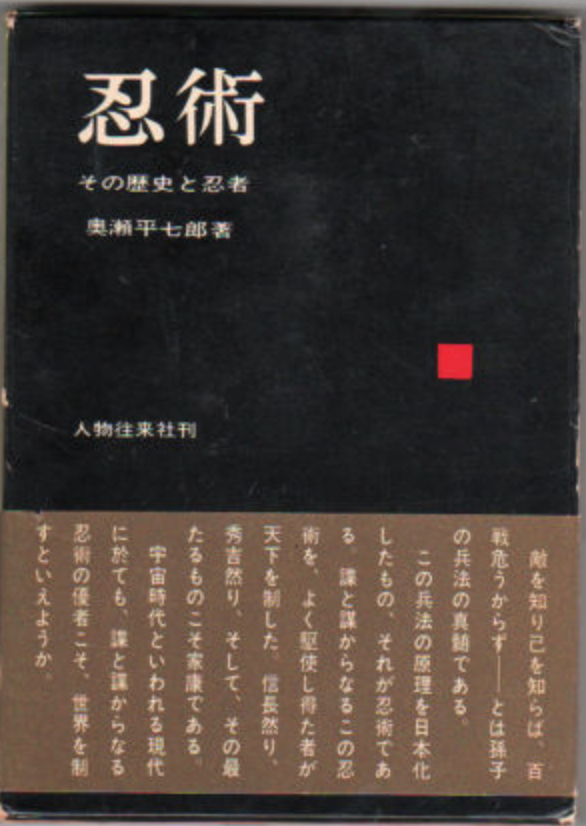
Excerpt about Ninja History from the book Ninjutsu Sono Rekishi To Ninja by Heishichirō Okuse.
Ancient Ninjutsu (600-700)
The Beginnings of Ninjutsu: A Chinese Origin. Ninjutsu did not originate in Japan. Between the 6th and 7th centuries, the knowledge of Chinese military strategy, specifically the “Art of Espionage” (Yōkan-jutsu) from Sun Tzu’s The Art of War (Sunzi), was imported into Japan. This became the “seed of ninjutsu,” which, over many centuries, evolved during the Warring States period (15th–16th centuries) into Japan’s unique “ninjutsu,” distinct from military strategy (Heihō) and martial arts (Bujutsu). This section, therefore, naturally focuses on tracing when, by whom, and how this “seed of ninjutsu”—the Yōkan-jutsu from Sunzi—was brought to Japan and put into practical use. The five chapters of this section all address this central theme.
Ninjutsu in the Nara Period (710-794)
The Nara period (710–794 CE) was a time when Japan’s ancient indigenous culture (Shinto culture) and the newly imported Chinese culture (Buddhist culture) intermingled and began to integrate. Due to the necessities of religious conflicts, the Chinese military strategy of espionage (Yōkan), inherited from previous eras, was further developed by Shugendō practitioners (mountain ascetics) into what became known as Yamabushi Heihō (Yamabushi Military Strategy). This development is a significant event in the formation of ninjutsu and must be thoroughly explored. Additionally, the introduction of esoteric Buddhism (Mikkyō) and the propagation of Buddhist teachings (Fukyō), which strongly influenced this process, are indispensable elements in the formation of Yamabushi Heihō that cannot be overlooked. This chapter focuses on tracing the historical successors of The Art of War (Sunzi)’s military strategy (espionage), examining the Shugendō tradition and its founder, En no Gyōja, and exploring how esoteric Buddhism, ancient Shinto, and Sunzi’s military strategies were blended in the hands of Yamabushi ascetics, evolving into something new.
Ninjutsu in the Heian Period (794-1185)
The “seed of ninjutsu,” known as Yamabushi Heihō (Yamabushi Military Strategy), spread across Japan during the Heian period (794–1185 CE) as it absorbed Yin-Yang philosophy (Onmyōdō) and expanded alongside the growth of esoteric Buddhism (Mikkyō), marked by the construction of Mikkyō temples nationwide. As these temples began employing warrior monks (Sōhei) to protect and develop their estates, Yamabushi Heihō spread from the Yamabushi to the warrior monks. Over time, interactions between warrior monks and samurai (Bushi) emerged, resulting in the transmission of Yamabushi Heihō techniques to the samurai class. This phenomenon was not limited to specific regions but became a nationwide trend. Notably, the rising Genpei clans—particularly the Genji (Minamoto clan)—developed a special relationship with Yamabushi Heihō. This section focuses on these historical developments, examining how figures such as Yin-Yang masters (Onmyōji), Genji warriors, Fujiwara Chikata, Kōga Saburō, the Hattori clan, and Heian-period bandits mastered Yamabushi Heihō, emerging as early inheritors of these techniques. Readers should pay particular attention to the frequent appearance of individuals from Iga and Kōga in these phenomena, as this highlights their significant role in the early development of ninjutsu.
Ninjutsu in the Genpei Period (1180-1185)
By the end of the Heian period (794–1185 CE), with signs of nationwide turmoil emerging, Yamabushi Heihō (Yamabushi Military Strategy) reached a stage of completion. This is exemplified by the Kurama Eight Styles (Kurama Hachiryū), a system in which military strategy (Heihō), martial arts (Bujutsu), and ninjutsu (Ninjutsu) were still grasped as a unified whole, not fully independent, but internally beginning to diverge into specialized fields. Through the efforts of Minamoto no Yoshitsune and Ise Saburō Yoshimori, the first “ninjutsu manual” known as Yoshitsune-ryū Ninjutsu was written. While its contents are not yet fully separated from military strategy, the fact that ninjutsu emerged in a distinct, albeit incomplete, form from its foundation in the Kurama Eight Styles is noteworthy. Another significant development of this era is the clear emergence of ninja clans in Iga. The fully developed form of Yamabushi Heihō was being passed down to the local warrior families (Jizamurai or Dogō, local chieftains) of Iga and Kōga. From this period onward, Yamabushi Heihō began to gradually transform into what would be recognized as “ninjutsu.”
Ninjutsu in the Kamakura Period (1185-1333)
During the Kamakura period (1185–1333 CE), the introduction of Zen Buddhism, which rapidly spread among the samurai class, had a significant impact on the later development of ninjutsu—a point worth noting. In Iga and Kōga, the samurai groups that emerged internally, while operating in different environments, adopted a strict isolationist stance toward external forces. Internally, they began to advance their governance through a coalition of local chieftains (Dogō), employing a policy of direct military resistance against external enemies (through samurai unity) and a strategy of coexistence internally (balancing power among factions). It’s notable that the methods they adopted during the chaotic Sengoku period were already taking root at this time. Additionally, two key developments influenced the later evolution of Iga and Kōga ninjutsu: the Iga ninja clan leaders, the Hattori (and Momochi) clans, reconciled with the newly arrived Ōe clan (from Kawachi), extending their influence into Yamato and Kawachi; and the Kōga ninja clans came under the control of the Sasaki clan, the provincial protectors, establishing a communication route to Kyoto (Kyōraku).
Ninjutsu in the Nanbokuchō Period (1336-1392)
During the late Kamakura period (1185–1333 CE), amidst the turmoil surrounding the fall of the Hōjō regime, a military genius, Kusunoki Masashige, rose to prominence. Masashige emerged as a master of unconventional tactics (Kihenpō), the foundation of ninjutsu, completing the framework for both offensive and defensive unconventional strategies that had been initiated by Minamoto no Yoshitsune during the Genpei period. Additionally, he established an independent organization for espionage and stratagem, advocating for the necessity of intelligence and covert operations during peacetime—what he termed Dakkōnin (political ninjutsu)—within the field of military science (Heigaku). The ninjas of Iga and Kōga, alongside the Yamabushi, became a faction supporting the Southern Court through Masashige’s mediation.
Ninjutsu in the Sengoku Period (1467-1615)
The Sengoku period (1467–1615 CE) marks the era in which ninjutsu reached its full maturity. It is only in this period that we can finally encounter “complete” ninjutsu. During this time, “ninjutsu-like” practices emerged in various regions across the country, but apart from the ninjutsu of Iga and Kōga, no other form can be considered truly complete. In this sense, Iga and Kōga ninjutsu represents the pinnacle of Japanese ninjutsu, far surpassing the hastily developed, naturally occurring ninjutsu of other regions in terms of sophistication. This is precisely why Iga (and Kōga) ninjas were so highly valued during this period. It would not be an exaggeration to say that among the military commanders who best utilized ninjutsu, Tokugawa Ieyasu stands as the greatest and most significant. The influence of ninjutsu and ninja organizations in his rise to dominance cannot be overlooked. Another notable fact is the significant impact that the introduction of gunpowder had on Iga (and Kōga) ninjutsu during this period. Additionally, a key characteristic of this era is the emergence of distinct schools (Ryūha) in military science (Heigaku), martial arts (Bujutsu), and ninjutsu (Ninjutsu), with these disciplines developing a high degree of artisan-like specialization (Artisan-sei) while also becoming professionalized.
Ninjutsu During the Oda-Toyotomi Period (1568-1615)
The Oda-Toyotomi period (roughly 1568–1615 CE, spanning the reigns of Oda Nobunaga and Toyotomi Hideyoshi) was the era in which ninjutsu, perfected during the Sengoku period, flourished most vibrantly. As mentioned previously, Japan’s largest and most formidable ninjutsu organizations—Iga-ryū and Kōga-ryū—were almost exclusively under the control of Tokugawa Ieyasu during this time. Consequently, the history of ninjutsu in this period cannot be examined independently of Ieyasu’s policies and actions. The activities of ninjas during this era are directly tied to the establishment of the Tokugawa regime. This section explores the adversarial relationship between Iga and Kōga ninjas and Oda Nobunaga and Toyotomi Hideyoshi, focusing on the events surrounding the Tenshō Iga Rebellion (1579–1581 CE), which was a major cause of this enmity. It also examines the movements of Iga and Kōga ninjas during this period, their nationwide dispersal, the origins and evolution of the Iga Dōshin (a ninja unit) within the Tokugawa Shogunate, and the history of the shogunate’s ninja management system within Iga.
Ninjutsu During the Tokugawa Period (1603-1868)
Overview of Ninjutsu’s Decline. Up until the early Tokugawa period, ninjutsu reached its peak, but as the demands of the era shifted, it rapidly entered a period of decline. The techniques and organizations of ninjutsu began to disintegrate swiftly, transitioning from political espionage to judicial espionage. It was during this time that ninjutsu’s secret manuals started to emerge publicly—a natural phenomenon given the changing times. As the era of judicial espionage began, the rise of talented figures like Ōoka Echizen-no-Kami (Ōoka Tadasuke), who became the town magistrate, marked the entry of Kishū-ryū ninjas into the ranks of covert operatives. The Shimabara Rebellion Chronicle (Shimabararanki) serves as a valuable record, casting a faint light on ninjutsu during its extinction phase alongside the last of the ninjas.
Excerpt above about Ninjutsu History from the book Ninjutsu Sono Rekishi To Ninja by Heishichirō Okuse.
Heishichirō Okuse (奥瀬 平七郎, おくせ へいしちろう) was a Japanese novelist, researcher, and politician born on November 13, 1911, in Ueno, Japan. He passed away on April 10, 1997.
Okuse graduated from Waseda University and studied under the renowned author Masuji Ibuse. He developed a particular interest in ninjutsu (the art of stealth and espionage), contributing to its study and preservation. Professionally, he worked for the Manchurian Telephone & Telegraph Company.
In addition to his literary and research endeavors, Okuse served as the mayor of Ueno from 1969 to 1977. His multifaceted career reflects a deep engagement with both traditional Japanese martial arts and public service.
Ninjutsu Sono Rekishi To Ninja 318 pages was published Showa 38 (1963) by Shokusando
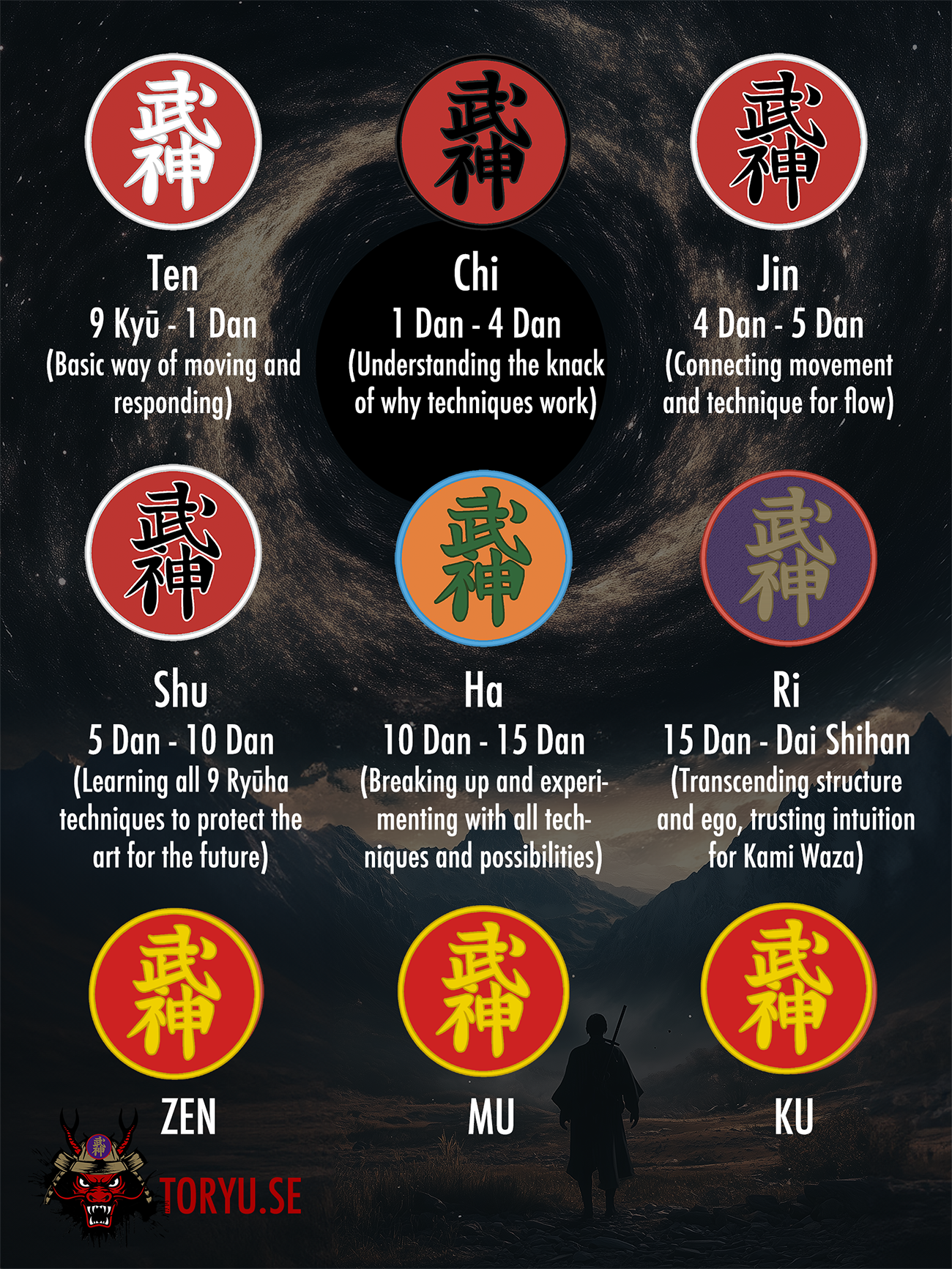
Bujinkan ranks shape more than just skill for me as a practitioner. They reflect a profound evolution, echoing the ninja’s circular wisdom of body, mind, and spirit. In our dojo, we distill this into three triads: 天地人 Ten-Chi-Jin, 守破離 Shu-Ha-Ri, and a mysterious third I call 禅空無 Zen-Ku-Mu. Together, these nine stages form a circle, with the final triad as zero—the ultimate enlightenment. Here’s how I see this progression shaping our ranks, starting anew at each milestone.
天地人 Ten-Chi-Jin: The Foundation of Movement, Technique, and Flow
The first triad, 天地人 Ten-Chi-Jin (Heaven-Earth-Man). Builds the ninja’s foundation from 9th Kyū to 5th Dan, culminating at the 師導士 Shidōshi (teacher) level.
天 Ten (Heaven) – Movement (9th Kyū to 1st Dan)
We begin with movement—learning to shift, roll, respond. It’s fluid, like the sky’s rhythm. These beginner *Bujinkan ranks* from 9th Kyū to 1st Dan should hone awareness and flow. A natural base to launch into Chi upon earning 1st Dan.
地 Chi (Earth) – Techniques (1st Dan to 4th Dan)
Once 1st Dan is received, we ground ourselves in techniques—strikes, locks, throws. Understanding the knack of why they work, like earth’s stability. From 1st to 4th Dan, these ranks should sharpen precision and adaptability, preparing us for Jin.
人 Jin (Man) – Integration (4th Dan to 5th Dan)
At 4th Dan, we dive into 人 Jin, blending movement and technique via the Jin Ryaku no Maki. An introduction to the 9 Ryūha’s selected *Waza*. It’s about grasping the flow, intuiting harmony. By 5th Dan, 士道師 Shidōshi embody this seamless unity.
天地人 Ten-Chi-Jin cycles from raw motion to refined flow, a loop we master as teachers.
守破離 Shu-Ha-Ri: The Evolution of Mastery
From 5th Dan to 大師範 Dai Shihan, 守破離 Shu-Ha-Ri (Protect-Break-Leave) spirals us through mastery, each stage igniting at a new rank.
守 Shu (Protect) – 5th Dan to 10th Dan
With 5th Dan earned, we enter 守 Shu, learning all 9 Ryūha techniques. Taijutsu, weapons like swords and staffs—exactly as intended to protect the art’s future. These ranks from 5th to 10th Dan test depth and fidelity, preserving our ninja legacy.
破 Ha (Break Up) – 10th Dan to 15th Dan
At 10th Dan, 破 Ha unlocks freedom—breaking and experimenting with all techniques to forge endless connections and possibilities. I’d love these ranks to showcase creativity, adapting Waza like a ninja’s cunning through to 15th Dan.
離 Ri (Leave) – 15th Dan to Dai Shihan
Reaching 15th Dan, 離 Ri transcends structure and ego. 大師範 Dai Shihan trust intuition for Kami Waza. Divine techniques—acting perfectly in the moment without thought, a departure into pure essence.
守破離 Shu-Ha-Ri refines us, a spiral beyond the dojo’s walls.
禅空無 Zen-Ku-Mu: The Circle of Zero
Beyond ranks lies my third triad: 禅空無 Zen-Ku-Mu (Absolute-Space-Void). Unbound by ranks—a circular mystery for the enlightened, where nine stages become zero.
禅 Zen (Absolute)
Unity of all.
“Root and sky entwine, Nothing holds the endless now, Circle turns to none.”
空 Ku (Space)
Boundless possibility.
“Wind carves the silence, Void dances in open fields, One step, none remain.”
無 Mu (Void)
Pre-action stillness.
“Shadow cloaks the flame, Space hums where no foot has stirred, Zero breathes alive.”
Conclusion: Bujinkan Ranks as Nine to Zero
I see Bujinkan ranks as a circle: 天地人 Ten-Chi-Jin (three) builds the base. 守破離 Shu-Ha-Ri (three) evolves it. And 禅空無 Zen-Ku-Mu (three) completes the nine, circling to zero. Kyū flows into Dans, Dans spiral through the 9 Ryūha and beyond, and the rare master returns to nothing—a living haiku with a smirk. Where are you on this path?
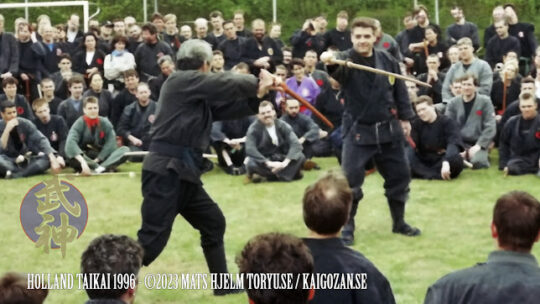
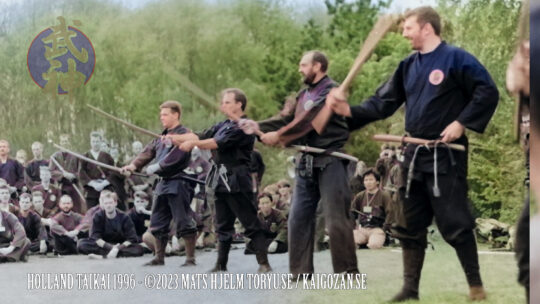
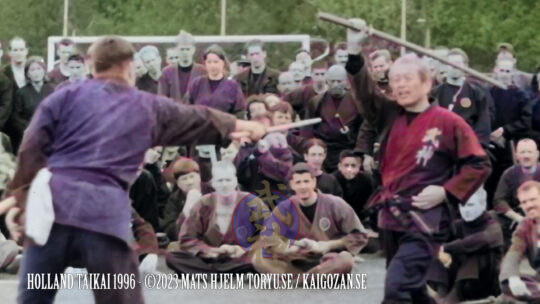
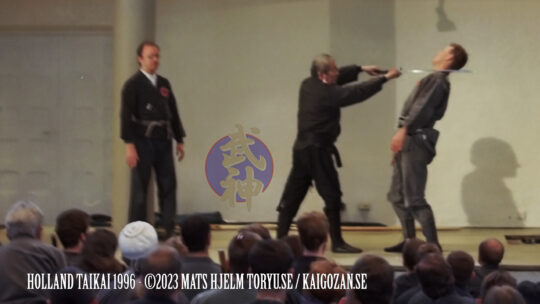
In May 1996, the serene coastal town of Noordwijkerhout in the Netherlands became the epicenter of a martial arts milestone: the Holland Taikai 1996. Over three days, martial artists from across the globe gathered to train under the legendary Masaaki Hatsumi, the 34th Sōke of the Togakure-ryū and founder of the Bujinkan organization. Organized by Mariette van der Vliet, the seminar’s theme was Kukishin-ryū Kenjutsu, the art of the sword. This event was not just about techniques—it was a celebration of adaptability, survival, and the spirit of Budō.
Setting the Stage: A Journey to Mastery
The preparation for the Holland Taikai 1996 began long before Hatsumi Sensei arrived in the Netherlands. His teaching philosophy for the year centered on Kukishin Biken Jutsu, an intricate and profound swordsmanship tradition. In April 1996, a few weeks prior to the Taikai, Hatsumi Sensei conducted an impromptu outdoor training session in Noda, Japan. He called on a select group of students, including Arnaud Cousergue, to train in the dirt outside his home.
During this session, Hatsumi Sensei emphasized the essence of Nuki Gatana (sword drawing) and the principle that form should never restrict function. He famously said:
“When things get real, do whatever you have to stay alive. Ninpō is only about surviving. Form doesn’t matter. Everything is possible.”
This philosophy would become a cornerstone of the teachings during the Holland Taikai.
The Holland Taikai: A Three-Day Immersion
From May 16 to 18, 1996, Noordwijkerhout witnessed an influx of martial artists eager to learn. Hatsumi Sensei’s sessions were renowned not only for their technical depth but also for the atmosphere of camaraderie and discovery they fostered.
Day One: The Sword’s Edge
The seminar began with a focus on the foundational techniques of Kukishin-ryū Kenjutsu. Participants practiced precise Nuki Gatana movements, emphasizing timing, positioning, and adaptability. Hatsumi Sensei encouraged students to transcend rigid forms and embrace creative application.
He explained:
“Respecting the Waza as a beginner is mandatory. But as you grow, rules are made to be broken. Adjust, adapt, and survive.”
Day Two: The Dimensions of Training
Building on the first day’s principles, Hatsumi Sensei introduced the concept of three dimensions in Budō training:
Nijigen no Sekai (Two-dimensional world): Techniques practiced in a linear or planar fashion.
Sanjigen no Sekai (Three-dimensional world): Expanding movements to include lateral shifts and spatial awareness.
Yūgen no Sekai (Invisible dimension): The psychological and intuitive aspects of combat, where movements transcend physical limitations.
Through these teachings, students began to see Kukishin Biken Jutsu as more than a martial art—it was a system of infinite possibilities.
Day Three: The Invisible Path
The final day highlighted the philosophical aspects of Budō. Hatsumi Sensei shared insights into Tama, the sphere, a central concept in Japanese martial arts representing the integration of all dimensions into a cohesive whole.
Participants left with a deeper understanding that martial arts are not confined to physical techniques but are a lifelong pursuit of balance and adaptability.
Cultural Immersion and Reflection
Hatsumi Sensei’s visit to the Netherlands extended beyond the dojo. His observations during the trip added a unique cultural dimension to the event. He reflected on the country’s maritime history, symbolized by the “Tower of Tears,” where sailors’ loved ones bid them farewell. He also remarked on the Dutch people’s prowess in sports like judo and cycling, noting the nation’s emphasis on leg strength and endurance.
“The Netherlands is a country of Judo, isn’t it? There is a wonderful Judoka, Mr. Heesing, who speaks passionately about Judo. The mystery of Judo lies in how a smaller person can overcome a larger one—a concept deeply rooted in respect and essence.”
Key Takeaways from the Holland Taikai
Adaptability is Survival Hatsumi Sensei’s teachings emphasized that martial arts are not rigid but fluid. In real-life scenarios, survival depends on one’s ability to adapt and innovate beyond traditional forms.
Understanding Dimensions in Training The progression from two-dimensional to invisible dimensions in Kukishin-ryū Kenjutsu underlined the importance of mastering fundamentals before exploring creative freedom.
Cultural Exchange The Taikai was not only a martial arts seminar but also a bridge between Japanese and Dutch cultures, enriching participants’ perspectives on life and combat.
A Legacy That Lives On
The Holland Taikai 1996 remains a pivotal moment in the history of the Bujinkan. It demonstrated the universal appeal of Budō and its ability to transcend cultural and geographical boundaries. Hatsumi Sensei’s teachings during the seminar continue to inspire martial artists to this day, reminding them that:
“Everything is always possible.”
This philosophy, rooted in the principles of survival and adaptability, is as relevant now as it was during the Taikai.
I got up early for a long train ride to 石神井城跡 Shakujiijō ato. I wanted
to investigate the ruins of Shakujii castle. This also gave me some time
for reflection on my training here in Japan and to add more detail to
my training notes.
My view on train ride to 石神井城跡 Shakujiijō ato, photo by Michael Glenn
Last night in Furuta Sensei’s class we were training in the old middle
school gymnasium. He warmed us up with a bunch of ukemi practice. I was
doing ok until he went into the standing forward breakfalls. For some
reason after about ten of these, fatigue got the best of me. Maybe all
of the classes are catching up to me.
After that he went into basic 捕手基本型 Torite Kihon Gata. We did 表逆 Omote
Gyaku and 裏逆 Ura Gyaku. He had a particular focus on the line of entry
to affect balance.
Furuta Sensei evolved the technique from there to do 輦輿 Ren’yo. He kept
saying 斯う入る kō hairu, or enter like this. He really emphasized the 雲隠流
Kumogakure Ryū way of entering to set up the technique.
Next he showed 橰 Kō or 撥釣瓶 Hanetsurube. Again, the focus was on the entry. With this in mind, he gave us detail for how to set up the gedan uke.
If you know these kata, you know that the ukemi is not easy. The uke
must take care not to be slammed head first into the ground. Furuta
Sensei asked us to demo at the end of class.
My training partner was Peter Crocoll. He demonstrated first and really
put the pressure on. I went flying in an effort to protect myself with
ukemi.
Then Furuta Sensei said I should do it on Peter with “extra spice.” I
figured I could get a little revenge and I went in with an energetic
timing. Peter hit the mat hard and did not get up.
The entire class came over to check on him. We helped him off to the
side of the dojo so he could recover. I felt bad but Peter said that he
had brought it on himself by doing the technique so hard on me.
Peter has an old neck injury. He said when I slammed him down it created
a kind of whiplash effect. Luckily, after a short rest he said that he
felt better.
I’ve noticed that injuries often occur during demonstrations. When
students are put on the spot and have an audience, their adrenaline goes
up and they try to show their technique. This means that they might
rush or do the technique harder or in a more realistic manner. We all
need to be careful with demonstrations because I have witnessed many
awful injuries and broken bones during these moments.
When I arrived at the site of the old Shakujii castle, the beauty of
nature was there to greet me. The Fall colors, along with many herons,
ducks and crows were reflected in the waters of 三宝寺池 Sanpōji-ike. This
atmosphere caused me to reflect on some lessons from nature taught to us
by Hatsumi Sensei.
I sat next to the lake to enjoy the view and to eat some メロンパン melonpan.
Shakujii castle was property of the 豊島氏 Toshima Shi, from Kamakura
period until it was detroyed in battle in 1477, during the Muromachi
era. The only obvious ruins are some ramparts and remnants of a moat.
During one Daikomyosai with Hatsumi Sensei, we trained outside under the
Japanese maples. He made the sign of 天略宇宙合掌 Ten Ryaku Uchū Gasshō with
his hands. He told us that when you are out in nature you must know
自然の方程式 Shizen no hōteishiki.
Shizen no hōteishiki are the equations that describe nature and natural
phenomena. The forces of nature can be described in equations. And if we
know these we can have power over nature. But Soke did not mean this in
a purely mechanistic approach.
If you remember studying with Hatsumi Sensei, his classes were full of laughter and good humor. He even told us that laughter is a form of self defense. We should enjoy our study of budō.
If you are full of negative emotions and anger, you may make yourself
sick. But those negative emotions may also make you respond poorly in
emergency situations. A lot of laughter and a good sense of humor in
your training will be the best type of self defense.
I watched some crows mobbing the ducks and herons. They engaged in a
pitched, aerial battle across the lake. It reminded me of something
Hatsumi Sensei told us about facing multiple opponents.
He said that part of 遁形の術 Tongyō no jutsu and being able to escape is to
locate the weak point. Soke said that you should engage that which is
not engaging you. Maybe one attacker is holding back or less eager to
fight then the others. If you engage with that weak point, you might be
able to escape.
Even with everyday life problems, when you find yourself facing
obstacles, move in a direction where the obstacle is not present. The
weak point to escape your trouble is not found while banging your head
against the wall. Disentangle from the trouble by engaging with life
from a different angle.
During that same lesson, Hatsumi Sensei explained how to use 目潰
metsubushi for Tongyō. One tip that he gave was to know 風向き kazemuki,
the direction of the wind. If you are facing a headwind, you can use
that against your enemies by throwing the metsubushi into the wind. He
said you throw it up and run under, so the metsubushi comes down to hit
the people chasing you. This is how you engage opponents in a direction
they don’t expect.
I’ve got a few more days left for this Japan training visit. I plan to
study well and train hard. Watch for Japan Report Eleven令和5年 up next at
Rojodojo. …
I got up early for a long train ride to 石神井城跡 Shakujiijō ato. I wanted
to investigate the ruins of Shakujii castle. This also gave me some time
for reflection on my training here in Japan and to add more detail to
my training notes.
My view on train ride to 石神井城跡 Shakujiijō ato, photo by Michael Glenn
Last night in Furuta Sensei’s class we were training in the old middle
school gymnasium. He warmed us up with a bunch of ukemi practice. I was
doing ok until he went into the standing forward breakfalls. For some
reason after about ten of these, fatigue got the best of me. Maybe all
of the classes are catching up to me.
After that he went into basic 捕手基本型 Torite Kihon Gata. We did 表逆 Omote
Gyaku and 裏逆 Ura Gyaku. He had a particular focus on the line of entry
to affect balance.
Furuta Sensei evolved the technique from there to do 輦輿 Ren’yo. He kept
saying 斯う入る kō hairu, or enter like this. He really emphasized the 雲隠流
Kumogakure Ryū way of entering to set up the technique.
Next he showed 橰 Kō or 撥釣瓶 Hanetsurube. Again, the focus was on the entry. With this in mind, he gave us detail for how to set up the gedan uke.
If you know these kata, you know that the ukemi is not easy. The uke
must take care not to be slammed head first into the ground. Furuta
Sensei asked us to demo at the end of class.
My training partner was Peter Crocoll. He demonstrated first and really
put the pressure on. I went flying in an effort to protect myself with
ukemi.
Then Furuta Sensei said I should do it on Peter with “extra spice.” I
figured I could get a little revenge and I went in with an energetic
timing. Peter hit the mat hard and did not get up.
The entire class came over to check on him. We helped him off to the
side of the dojo so he could recover. I felt bad but Peter said that he
had brought it on himself by doing the technique so hard on me.
Peter has an old neck injury. He said when I slammed him down it created
a kind of whiplash effect. Luckily, after a short rest he said that he
felt better.
I’ve noticed that injuries often occur during demonstrations. When
students are put on the spot and have an audience, their adrenaline goes
up and they try to show their technique. This means that they might
rush or do the technique harder or in a more realistic manner. We all
need to be careful with demonstrations because I have witnessed many
awful injuries and broken bones during these moments.
When I arrived at the site of the old Shakujii castle, the beauty of
nature was there to greet me. The Fall colors, along with many herons,
ducks and crows were reflected in the waters of 三宝寺池 Sanpōji-ike. This
atmosphere caused me to reflect on some lessons from nature taught to us
by Hatsumi Sensei.
I sat next to the lake to enjoy the view and to eat some メロンパン melonpan.
Shakujii castle was property of the 豊島氏 Toshima Shi, from Kamakura
period until it was detroyed in battle in 1477, during the Muromachi
era. The only obvious ruins are some ramparts and remnants of a moat.
During one Daikomyosai with Hatsumi Sensei, we trained outside under the
Japanese maples. He made the sign of 天略宇宙合掌 Ten Ryaku Uchū Gasshō with
his hands. He told us that when you are out in nature you must know
自然の方程式 Shizen no hōteishiki.
Shizen no hōteishiki are the equations that describe nature and natural
phenomena. The forces of nature can be described in equations. And if we
know these we can have power over nature. But Soke did not mean this in
a purely mechanistic approach.
If you remember studying with Hatsumi Sensei, his classes were full of laughter and good humor. He even told us that laughter is a form of self defense. We should enjoy our study of budō.
If you are full of negative emotions and anger, you may make yourself
sick. But those negative emotions may also make you respond poorly in
emergency situations. A lot of laughter and a good sense of humor in
your training will be the best type of self defense.
I watched some crows mobbing the ducks and herons. They engaged in a
pitched, aerial battle across the lake. It reminded me of something
Hatsumi Sensei told us about facing multiple opponents.
He said that part of 遁形の術 Tongyō no jutsu and being able to escape is to
locate the weak point. Soke said that you should engage that which is
not engaging you. Maybe one attacker is holding back or less eager to
fight then the others. If you engage with that weak point, you might be
able to escape.
Even with everyday life problems, when you find yourself facing
obstacles, move in a direction where the obstacle is not present. The
weak point to escape your trouble is not found while banging your head
against the wall. Disentangle from the trouble by engaging with life
from a different angle.
During that same lesson, Hatsumi Sensei explained how to use 目潰
metsubushi for Tongyō. One tip that he gave was to know 風向き kazemuki,
the direction of the wind. If you are facing a headwind, you can use
that against your enemies by throwing the metsubushi into the wind. He
said you throw it up and run under, so the metsubushi comes down to hit
the people chasing you. This is how you engage opponents in a direction
they don’t expect.
I’ve got a few more days left for this Japan training visit. I plan to
study well and train hard. Watch for Japan Report Eleven令和5年 up next at
Rojodojo. …
The Japanese concept of 万変不驚 Banpenfugyō, often associated with martial arts, encapsulates the essence of adaptability and cognitive flexibility. In the heat of a physical confrontation, it beckons martial artists to relinquish preconceived techniques and allow an intuitive, divine power to guide their actions. This essay delves into the philosophy of Banpenfugyō within the context of Bujinkan Budō Taijutsu, exploring how it trains practitioners to seamlessly adapt and respond to ever-changing situations.
Banpenfugyō: Unpredictability in Action
In the world of Bujinkan Budō Taijutsu, Banpenfugyō stands as a guiding principle, urging martial artists to shed the constraints of predetermined techniques. Instead of meticulously planning one’s moves, practitioners are encouraged to embrace spontaneity and allow techniques to unfold naturally during combat.
The title of this essay, “Banpenfugyō,” perfectly encapsulates this concept, emphasizing the need to remain unfazed by the unpredictability of any situation.
“In the midst of battle, one must become one with the chaos, for only then can true mastery be achieved.”
– Miyamoto Musashi
Training in Henka: The Path to Adaptability
At the heart of Banpenfugyō lies the practice of Henka, where the martial artist evolves and adapts fundamental techniques, transforming them to suit the ever-changing demands of combat.
This process not only hones physical skills but also sharpens cognitive flexibility. By constantly varying their responses to attacks, practitioners become more adaptable, capable of reacting effectively to unforeseen circumstances.
Cognitive Flexibility: The Mind’s Role
While physical prowess is crucial in martial arts, cognitive flexibility plays an equally vital role. Martial artists must cultivate the ability to think and adapt swiftly in high-pressure situations.
The philosophy of Banpenfugyō, as practiced in Bujinkan Budō Taijutsu, instills this mental agility, enabling martial artists to respond intuitively and harmoniously with the flow of combat.
“Adaptability is the essence of victory. The rigid are easily broken.”
– Takeda Shingen
The Divine Power within Banpenfugyō
Banpenfugyō also teaches martial artists to acknowledge a divine, intuitive force at play. When techniques seem to emerge effortlessly, it’s not just luck but an understanding that something greater guides their actions.
Surrendering to this force and allowing it to guide one’s movements can lead to remarkable outcomes.
Application Beyond Combat: Life’s Lessons
The teachings of Banpenfugyō extend far beyond the dojo. Martial artists who embrace this philosophy find themselves better equipped to navigate the challenges of everyday life.
Decision-making becomes more fluid, problem-solving more intuitive, and stress more manageable.
“A warrior’s strength lies not only in technique but in the ability to harmonize with the unexpected.”
– Hattori Hanzo
Banpenfugyō in the Honbu Dojo
During a conversation with Nagato Sōke, the concept of the Mandela Effect (false memory) was raised. In response, he displayed the essence of Banpenfugyō, the martial arts philosophy of adaptability and cognitive flexibility. With a direct and impactful statement, he asserted, “You must know, Banpenfugyō!”
This brief yet profound message emphasized the importance of understanding and adapting to life’s ever-changing and unpredictable nature. The ensuing laughter didn’t diminish the gravity of his message but rather highlighted the deep wisdom within it.
Nagato Sōke’s response encapsulated the core of Banpenfugyō, encouraging martial artists to embrace the unknown, adapt intuitively, and recognize that true mastery involves harmonizing with the unpredictable, both in martial arts and in life.
Banpenfugyō, rooted in the physical realm of combat, transcends into a philosophy for living.
Footnotes
万変不驚 BANPENFUGYŌ (10,000 changes – no surprise): This term embodies the concept of adaptability in the face of myriad changes. It encourages martial artists to remain unfazed and intuitive in combat, allowing techniques to flow naturally. The painting above the mirror in our Dojo was painted by Hatsumi Sōke.
変化 HENKA (Change): Henka refers to the practice of adapting and evolving fundamental techniques to respond effectively to varying combat scenarios.
The Mandela Effect is an observed phenomenon in which a large segment of the population misremembers a significant event or shares a memory of an event that did not actually occur. I’m sure you will find many things you remembered wrong, look it up!
In the world of martial arts, one concept stands out as the embodiment of inner strength and unwavering composure in the face of immediate danger: Mastering Fudōshin (不動心). This essay explores the Japanese concept of Fudōshin, delving into its significance for martial artists and the art of staying calm in perilous situations. Fear, often considered a negative emotion, is, in fact, a valuable ally that we must learn to control. This essay outlines the importance of fear, methods to prepare and train oneself to avoid freezing or panicking, and how achieving an equanimity state can lead to making life-saving decisions amid chaos.
The Essence of Mastering Fudōshin
Fudōshin, or “Immovable Mind,” is the cornerstone of martial arts philosophy. This concept has its roots in ancient Japan, where warriors, known as samurai, sought not only physical prowess but also mental fortitude. Fudōshin encapsulates the idea of maintaining inner peace and mental resilience, regardless of external circumstances. It is the ability to stay rooted, composed, and ready to act with precision and clarity even when faced with chaos and danger.
Fudō Myōō is found in Shingon Buddhism as a guardian deity, (and patron of martial arts) who is portrayed as carrying a sword in his right hand (to cut through delusions and ignorance) and a rope in his left (to bind “evil forces” and violent or uncontrolled passions and emotions). Despite a fearsome appearance, his attributes of benevolence and servitude to living beings are symbolized by a hairstyle associated with the servant class.
The Paradox of Fear
Fear, often seen as a hindrance, is, in reality, a primal instinct that has evolved to keep us safe. It is the body’s alarm system, triggering a surge of adrenaline and heightened awareness in response to perceived threats. Far from being a negative force, fear can be harnessed as a powerful ally when managed correctly. It heightens our senses, sharpens our focus, and prepares our bodies for action.
Embracing Fear: The First Step
To harness the power of fear, one must first acknowledge its presence. In the martial arts, fear is not denied or suppressed; instead, it is accepted as a natural and necessary response to danger. By recognizing fear, martial artists can begin to control it, preventing it from overwhelming their thoughts and actions.
“In the heat of battle, fear is a beacon that guides us towards survival and victory.”
– Miyamoto Musashi (1584-1645)
The Role of Training
Preparation and training are essential components of mastering Fudōshin. Through rigorous training and repetitive exposure to controlled stressors, martial artists learn to condition their bodies and minds to react calmly under pressure. This training involves not only physical techniques but also mental exercises that foster mental fortitude.
Avoiding the Freeze Response
One of the most detrimental reactions in high-stress situations is the freeze response. When faced with immediate danger, individuals may become paralyzed, unable to take action. Fudōshin training focuses on minimizing this reaction by instilling automatic responses and honing decision-making skills through continuous practice.
The Path to Equanimity
Equanimity is the foundation upon which Fudōshin thrives. It enables martial artists to make rational choices in critical moments, benefiting not only themselves but also those around them. Achieving equanimity requires cultivating mindfulness and mental resilience.
“Fear is not the enemy; it is the catalyst for our greatest feats of courage.”
– Tsukahara Bokuden (1489-1571)
Mindfulness and Self-awareness
Mindfulness, a key aspect of mastering Fudōshin, involves being fully present in the moment, acknowledging one’s emotions, and maintaining self-awareness. Through mindfulness practices, martial artists can observe their thoughts and feelings without judgment, allowing them to respond to stressors more effectively.
Mental Resilience
Mental resilience is the ability to bounce back from adversity and maintain composure under pressure. Martial artists develop mental resilience through meditation, visualization, and mental conditioning exercises. These practices help them build emotional strength and adaptability, crucial qualities in high-stress situations.
Preparing for the Unpredictable
In the chaos of a dangerous situation, preparation can make the difference between life and death. Martial artists recognize the importance of thorough preparation and train relentlessly to be ready for the unexpected. Here are some key aspects of preparation:
Physical Conditioning
Physical fitness is a fundamental component of preparation. Martial artists train their bodies to be strong, agile, and flexible, ensuring they have the physical capacity to respond effectively in danger.
Scenario-Based Training
Scenario-based training involves simulating real-life, high-stress situations. By repeatedly exposing themselves to these scenarios, martial artists develop the ability to remain calm and make quick, informed decisions.
Mental Rehearsal
Mental rehearsal, often referred to as “visualization,” is a technique where individuals mentally practice various scenarios. This helps them prepare mentally and emotionally for challenging situations.
Knowledge and Skill Acquisition
In addition to physical training, martial artists acquire knowledge and skills relevant to their discipline. Understanding the principles of combat, strategy, and self-defense is essential for making informed decisions in critical moments.
不動無悟 “Fudō Mugo” is a sacred Mudra that encapsulates the ancient wisdom of Japanese warriors. With a simple yet profound gesture, they harmonized mind and body, finding instant serenity and unwavering focus in the face of stress. By clasping their hands together and uttering this phrase, these warriors invoked a powerful sense of calm and inner strength. This ritual not only harnessed fear as a source of clarity but also embodied the essence of Fudōshin, the “Immovable Mind.”
不動 (Fudo): Translation: “Immovable” or “Unshakable” Etymology: 不 (Fu): This character means “not” or “un-,” indicating negation or the absence of something. 動 (Dō): This character means “move” or “motion.” It suggests action or change. Combined, 不動 (Fudo) represents something that cannot be moved or remains steadfast, which aligns with the concept of Fudōshin (不動心) discussed earlier.
無悟 (Mugo): Translation: “Without Awareness” or “Unconscious” Etymology: 無 (Mu): This character means “without” or “lack of.” 悟 (Go): This character means “awareness” or “enlightenment.” Together, 無悟 (Mugo) signifies a state of being without conscious awareness or enlightenment, which is in line with the aim of calming the mind and emotions during moments of stress.
The Power of Equanimity in Decision-Making
Equanimity is the linchpin of effective decision-making in high-stress situations. It allows martial artists to evaluate their options objectively and choose the most appropriate course of action. Here’s how equanimity influences decision-making:
Clarity of Thought
Equanimity clears the mind of distractions and emotional turbulence. When fear is under control, martial artists can think with clarity, assessing the situation and determining the best response.
Adaptability
Equanimity fosters adaptability. In rapidly changing and chaotic environments, being able to adjust one’s tactics and strategies is crucial. Martial artists with equanimity can adapt on the fly, increasing their chances of success.
Confidence
Equanimity instills confidence. When martial artists trust in their ability to remain calm and make sound decisions, they approach dangerous situations with a sense of self-assuredness that can be a decisive advantage.
“To master Fudōshin is to become one with the storm, unwavering amidst its fury.”
– Yagyū Munenori (1571-1646)
Mastering Fudōshin Footnotes
不動心 (Fudōshin): Literally “Immovable Mind.” 不 (fu) means “not,” 動 (dō) means “move,” and 心 (shin) means “mind” or “heart.”
武道 (Budō): The term “Budō” translates to “Martial Way” or “Way of the Warrior” and encompasses various Japanese martial arts disciplines.
武士道 (Bushidō): Bushidō, or “Way of the Warrior,” is a code of conduct and ethics followed by samurai, emphasizing virtues such as loyalty, honor, and self-discipline.
恐怖 (Kyōfu): The Japanese term for “fear.” 恐 (kyō) means “fear,” and 怖 (fu) means “dread” or “terror.”
冷静沈着 (Reisei chinchaku): This phrase translates to “calm and composed” and is a key aspect of achieving Fudōshin.
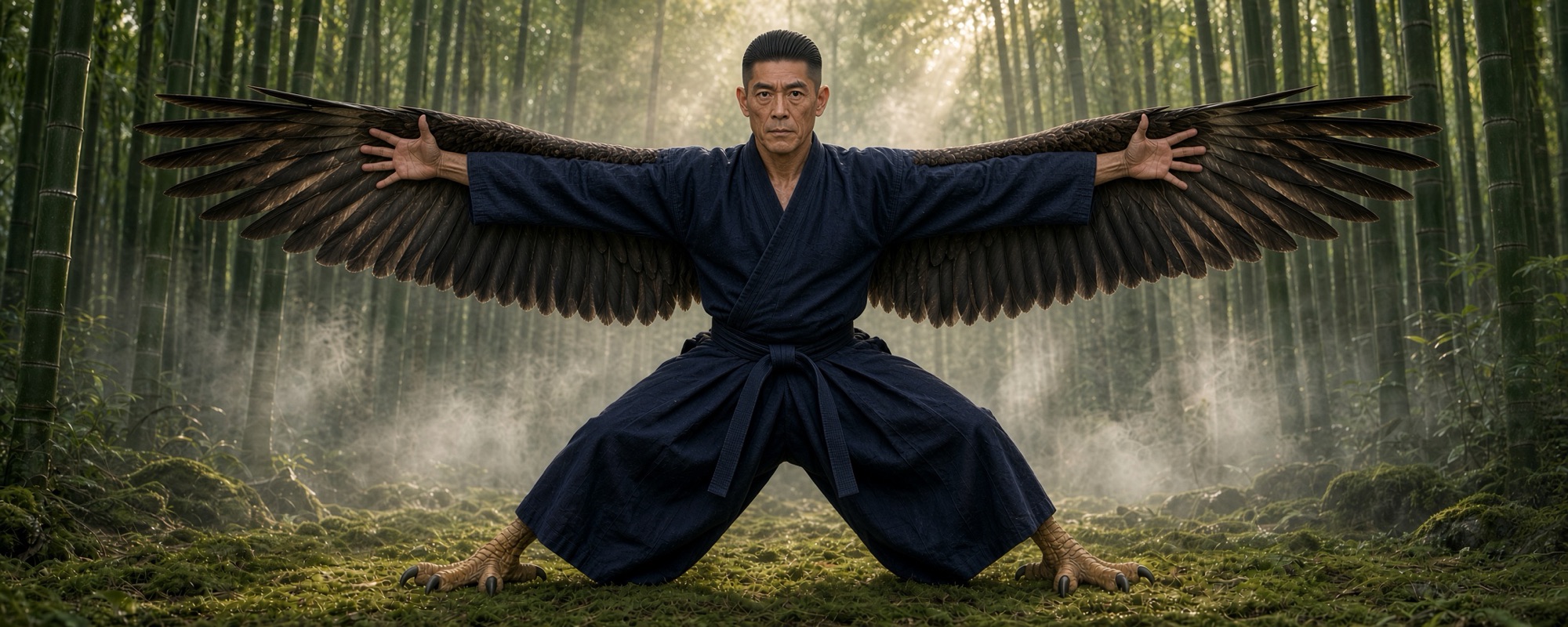
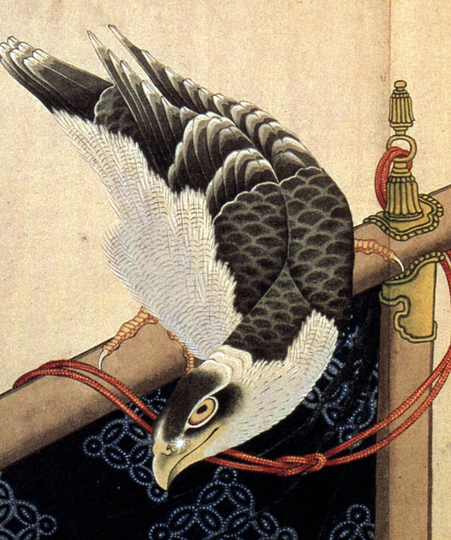
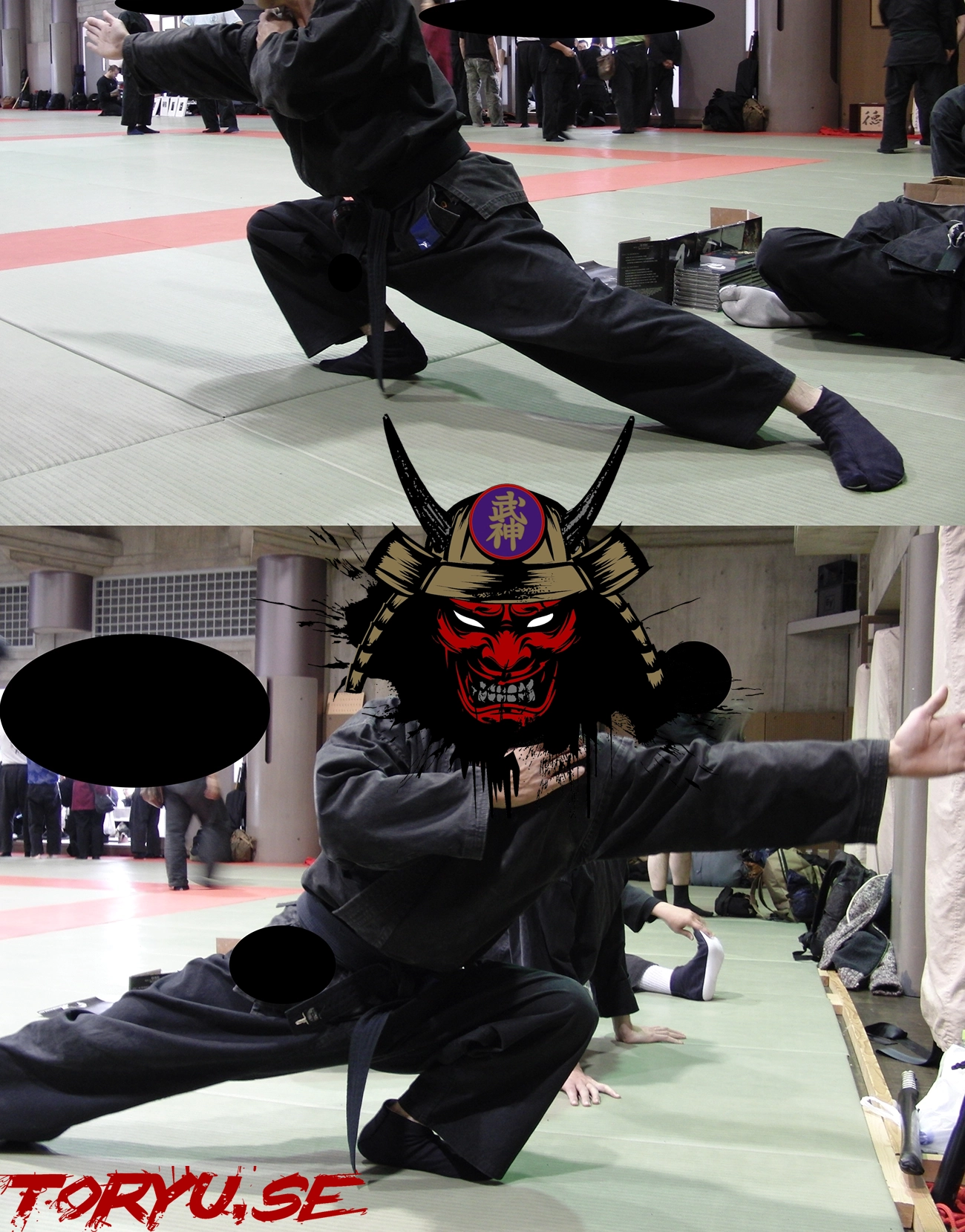
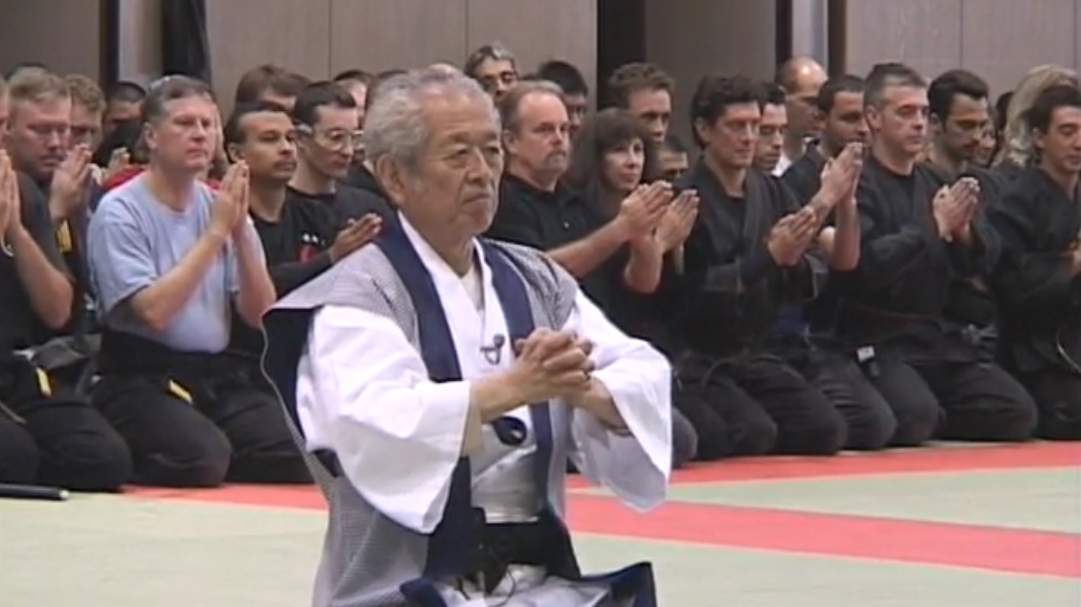
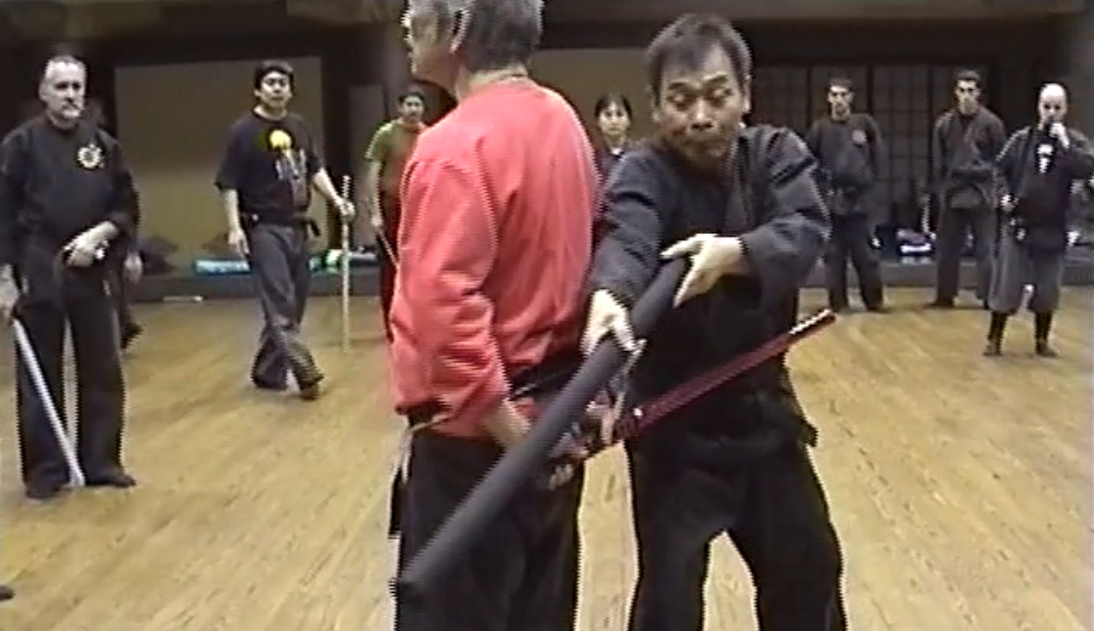
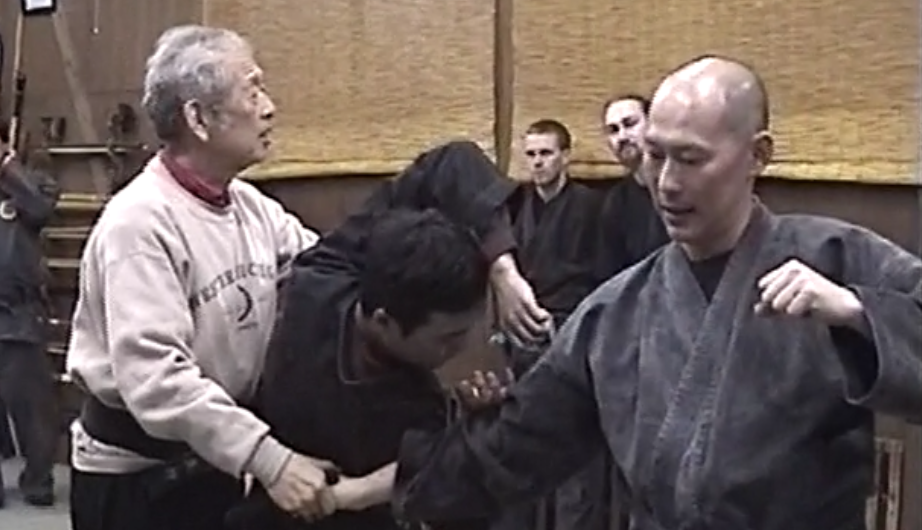
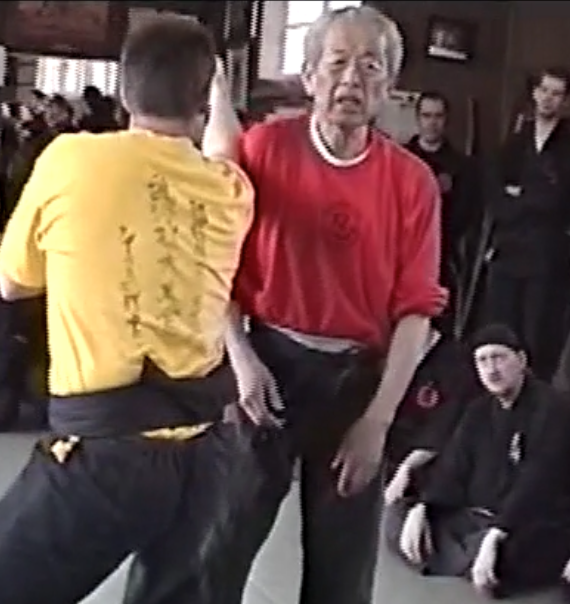
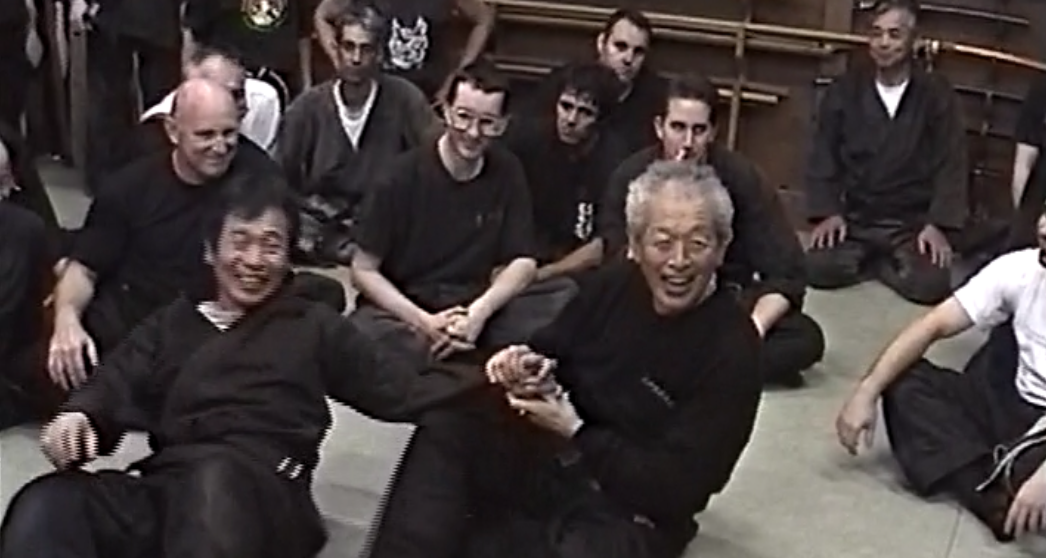
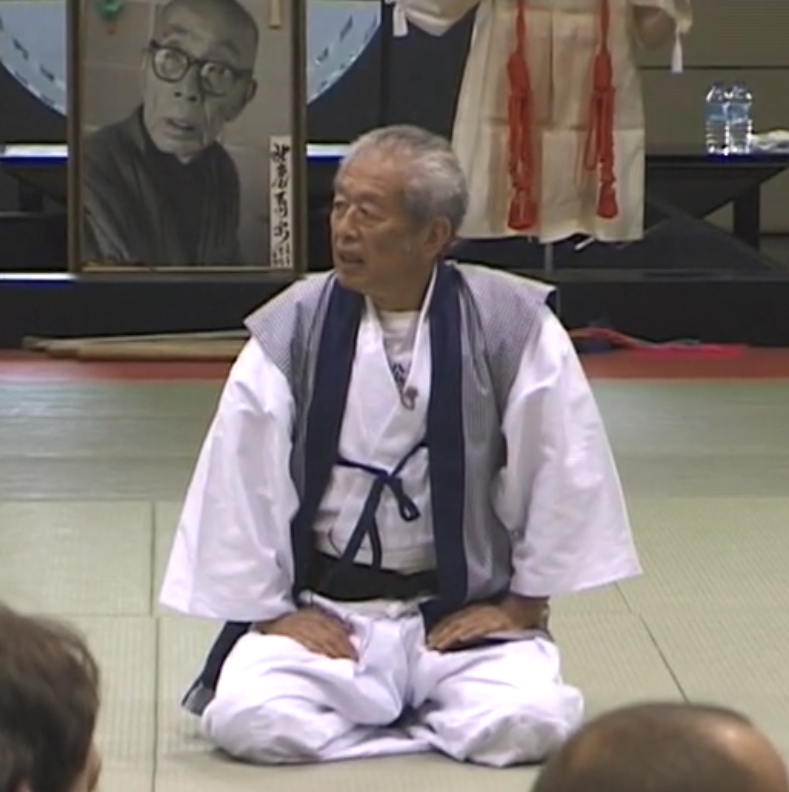
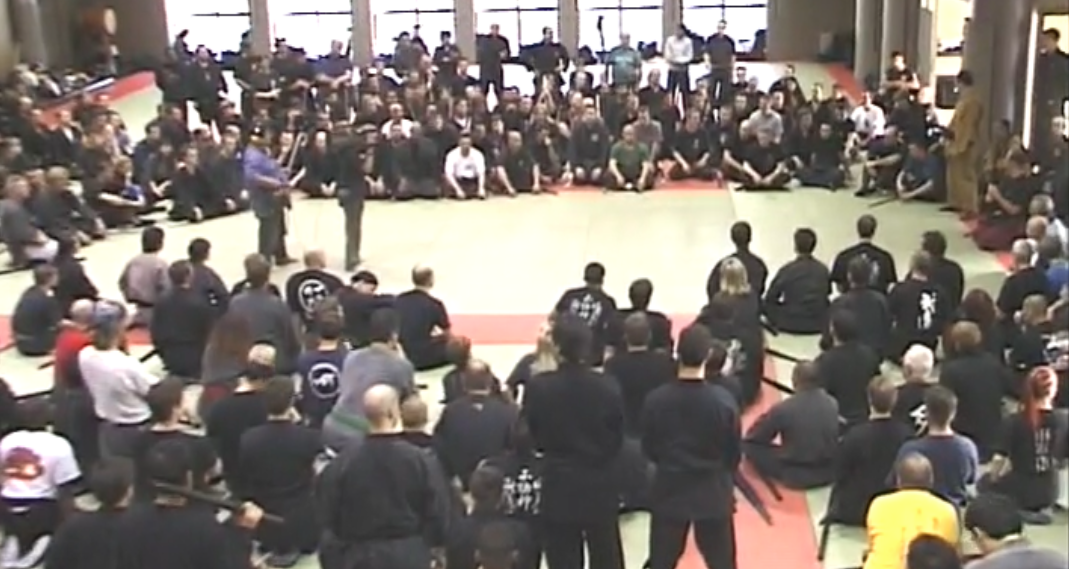
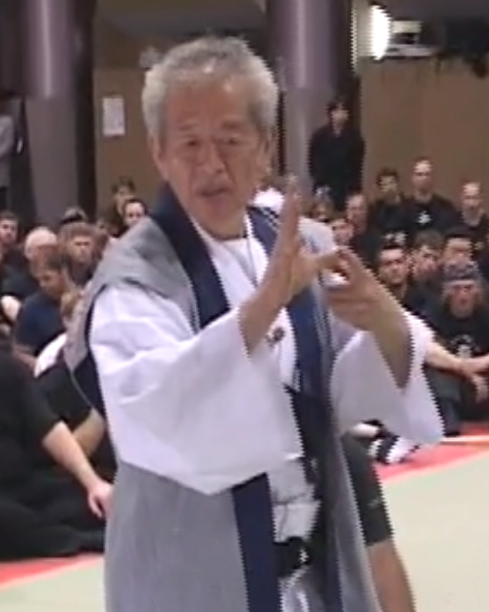
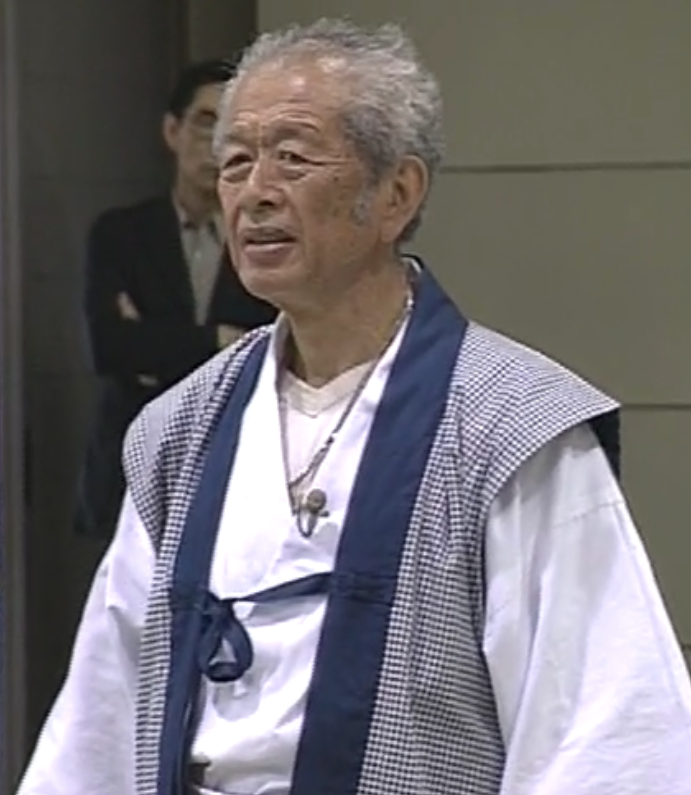
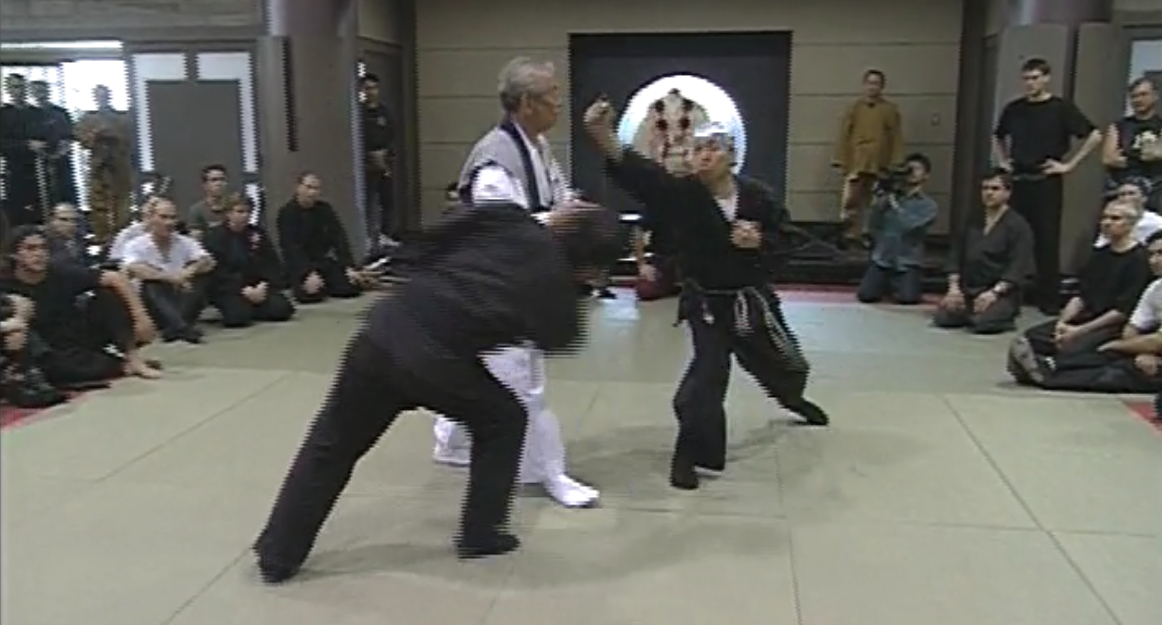
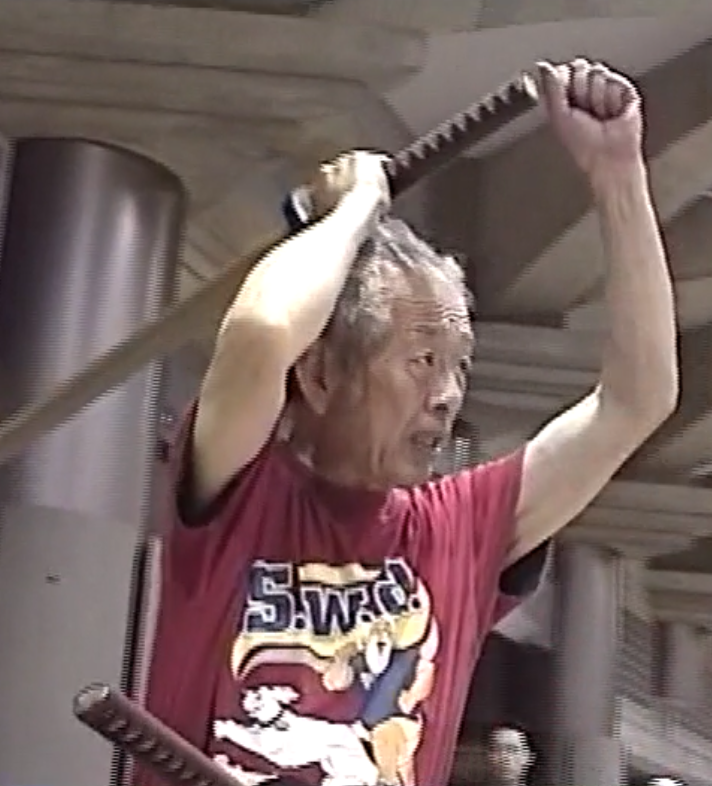
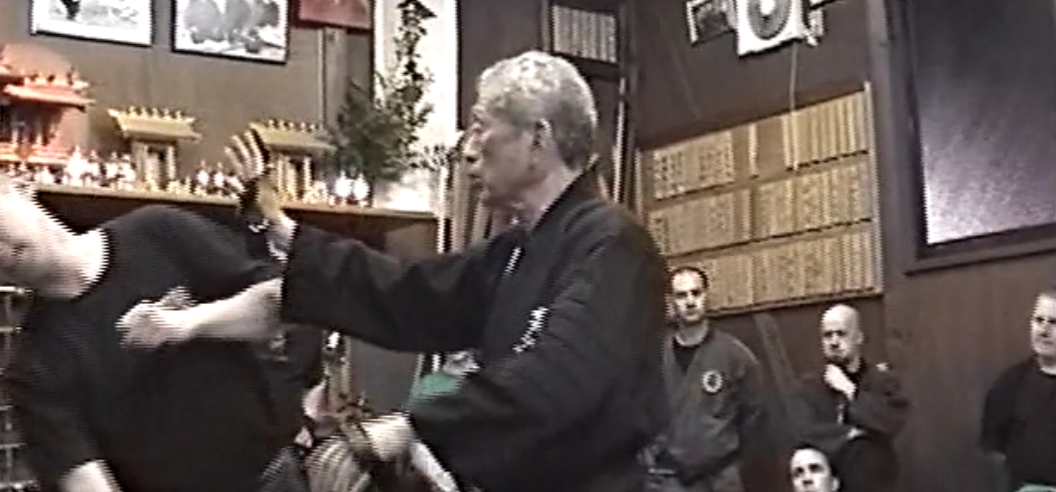
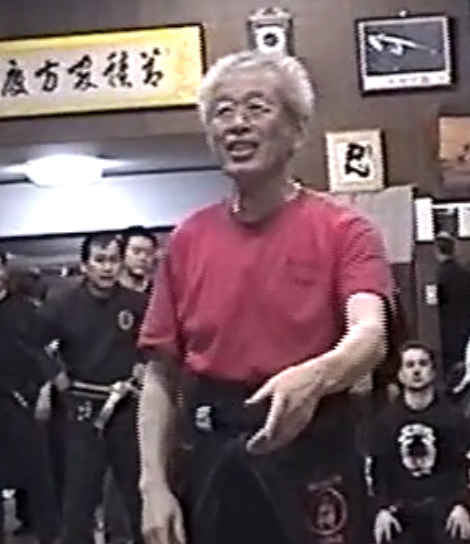
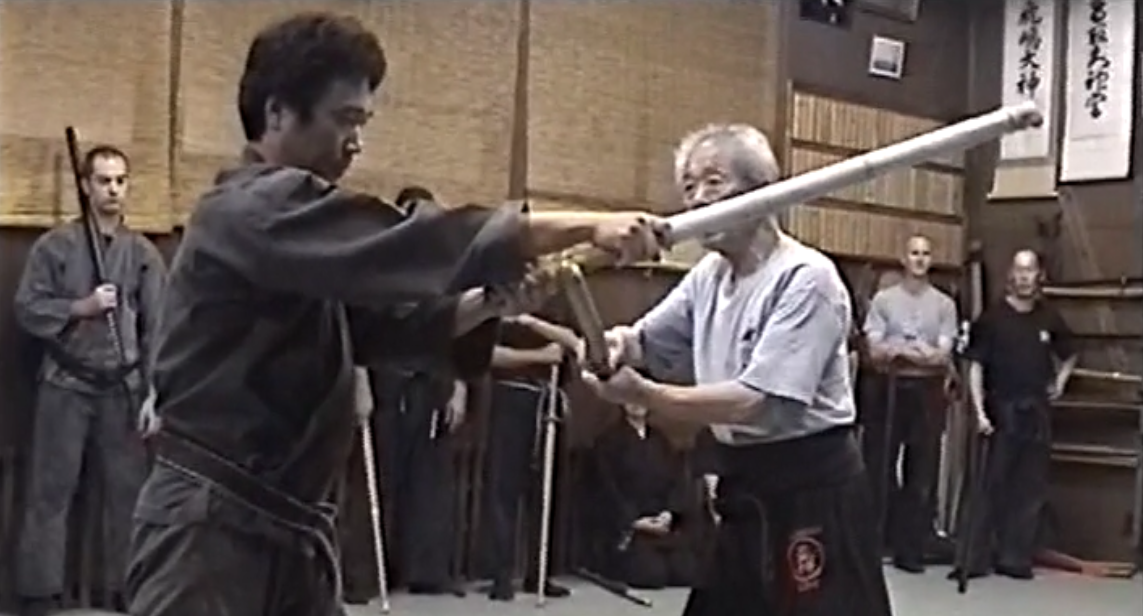
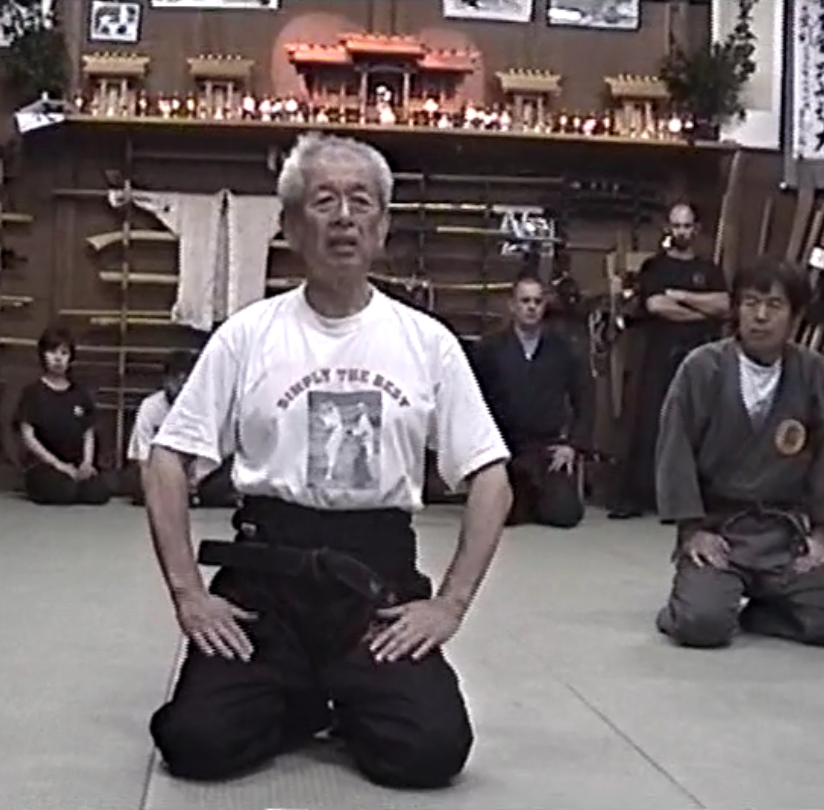
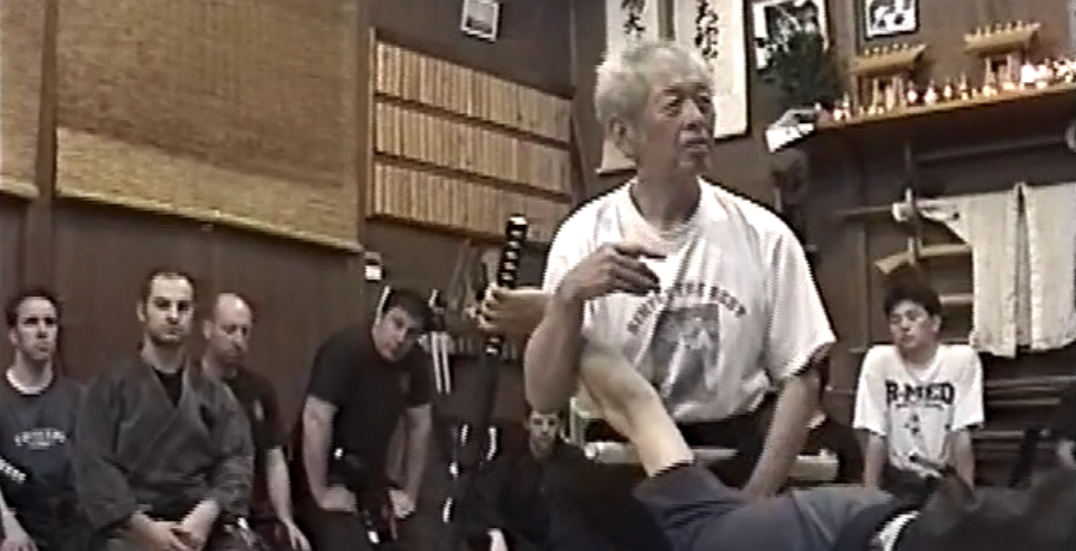
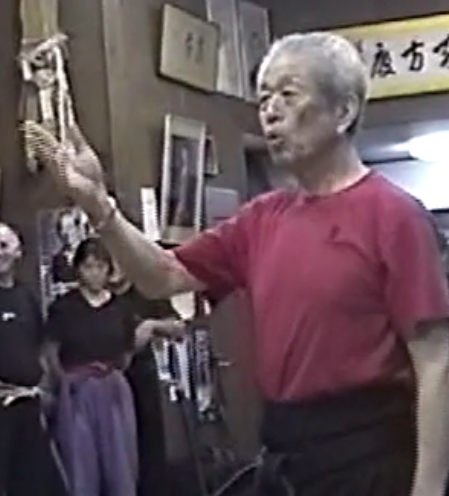
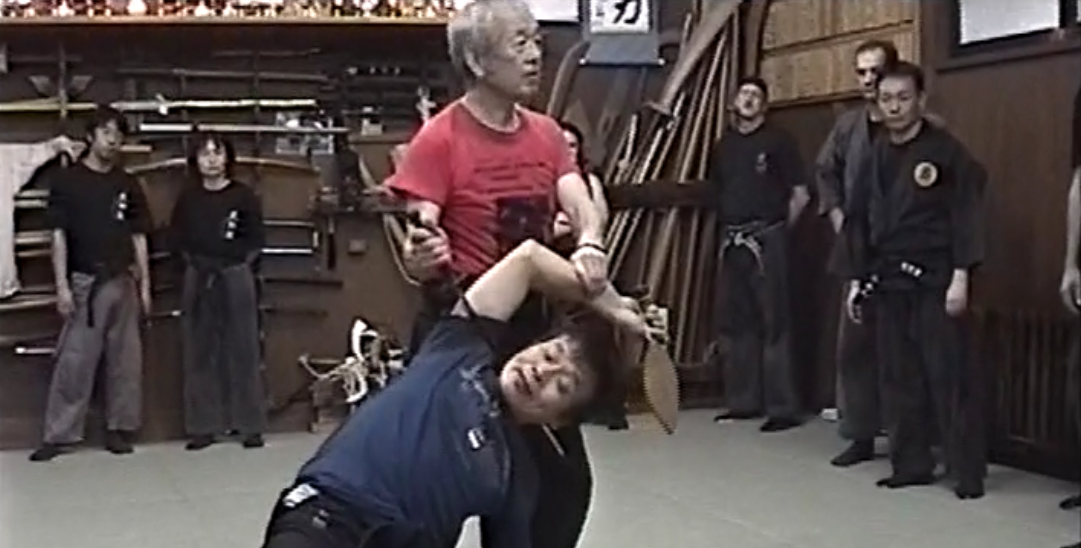
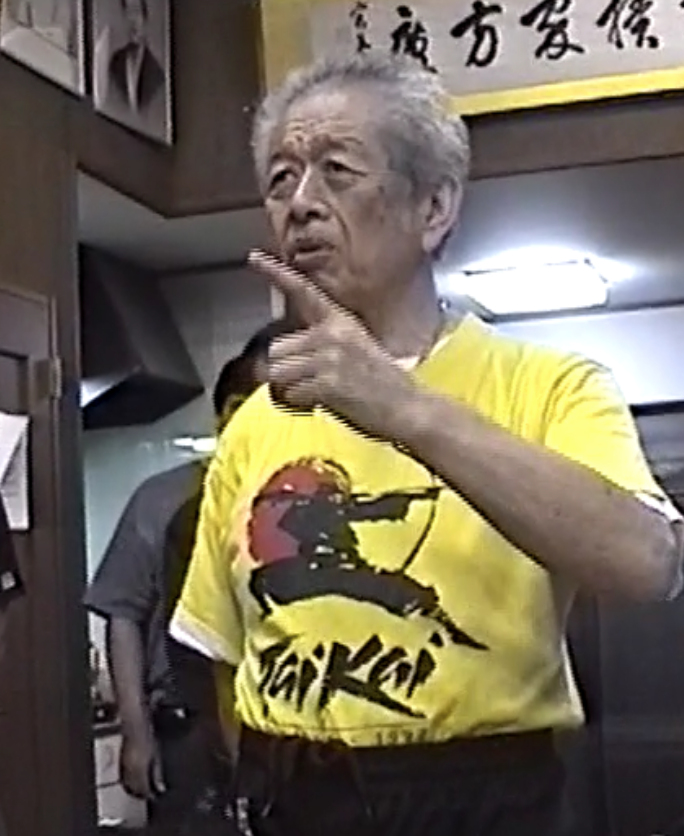
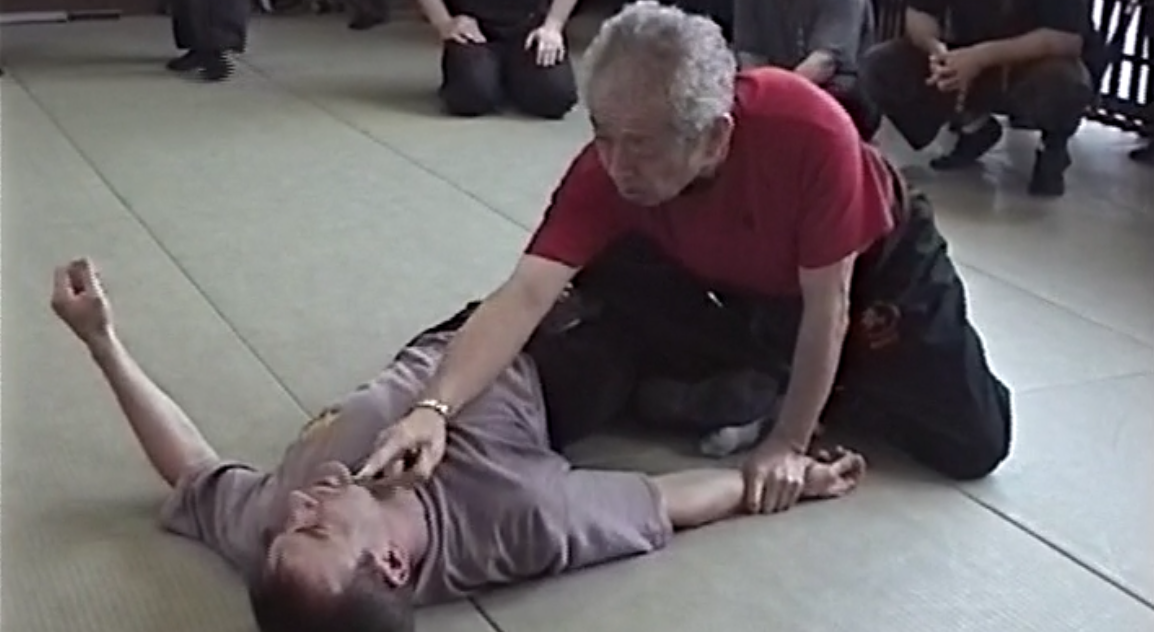
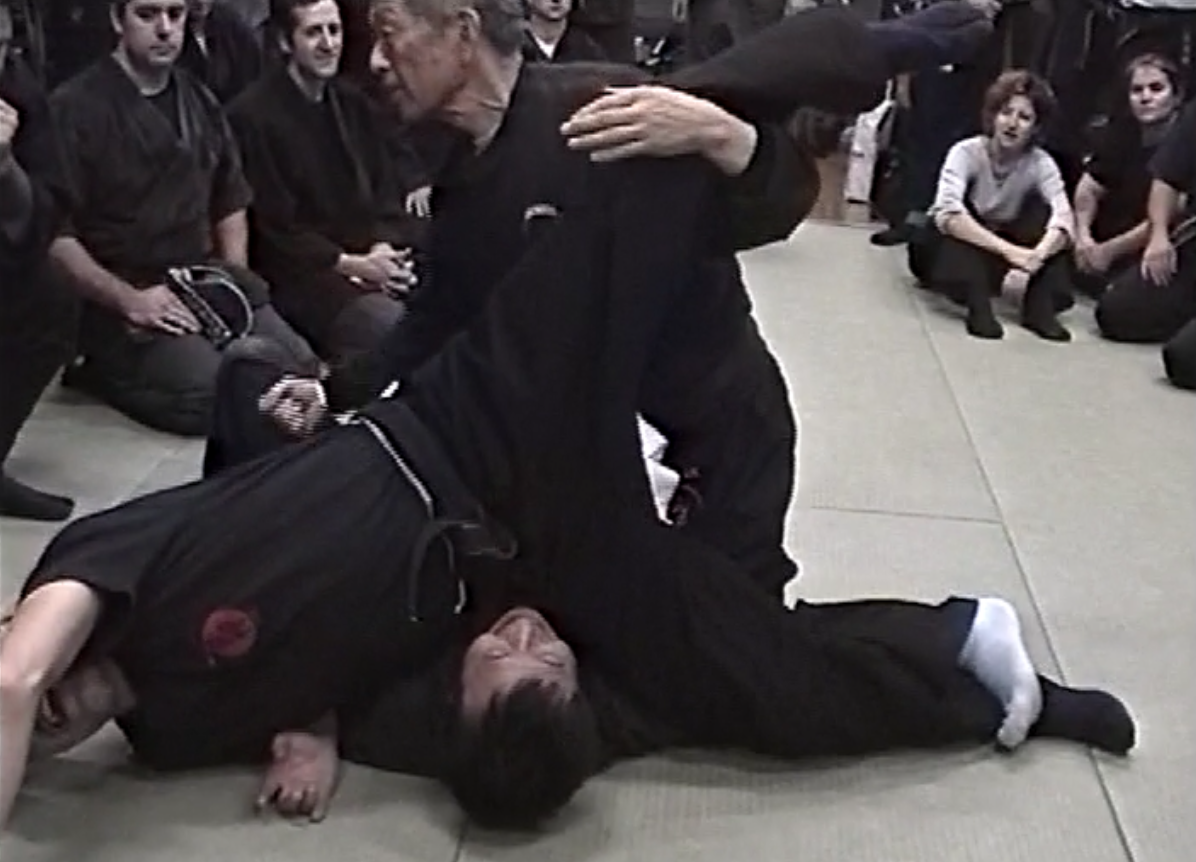
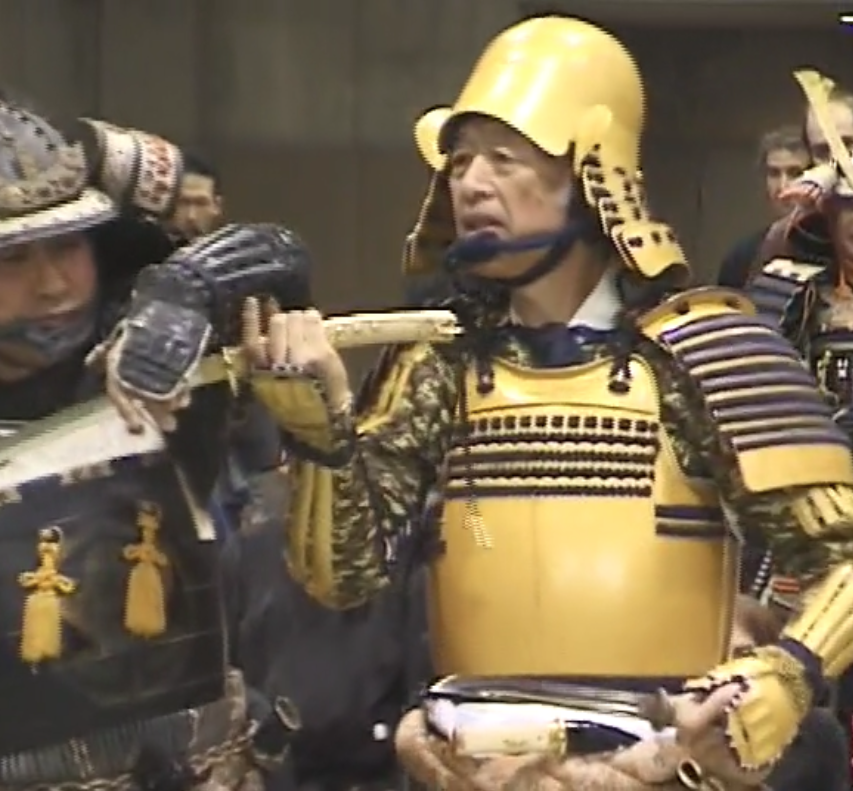
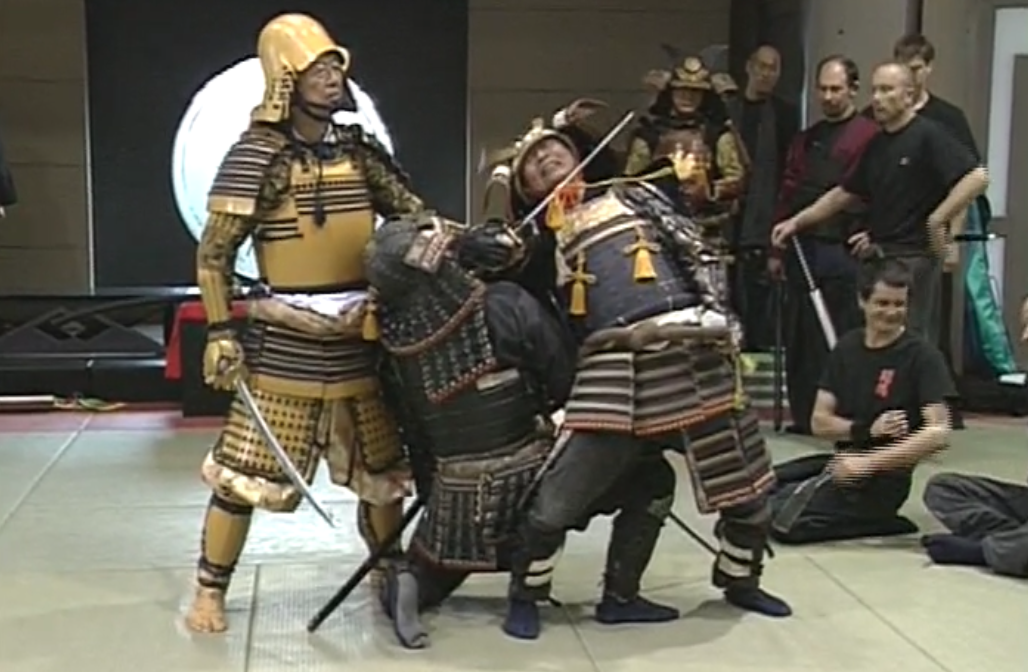
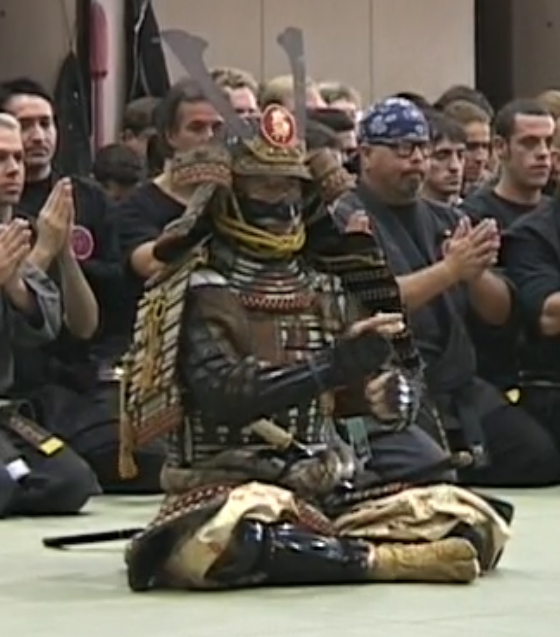
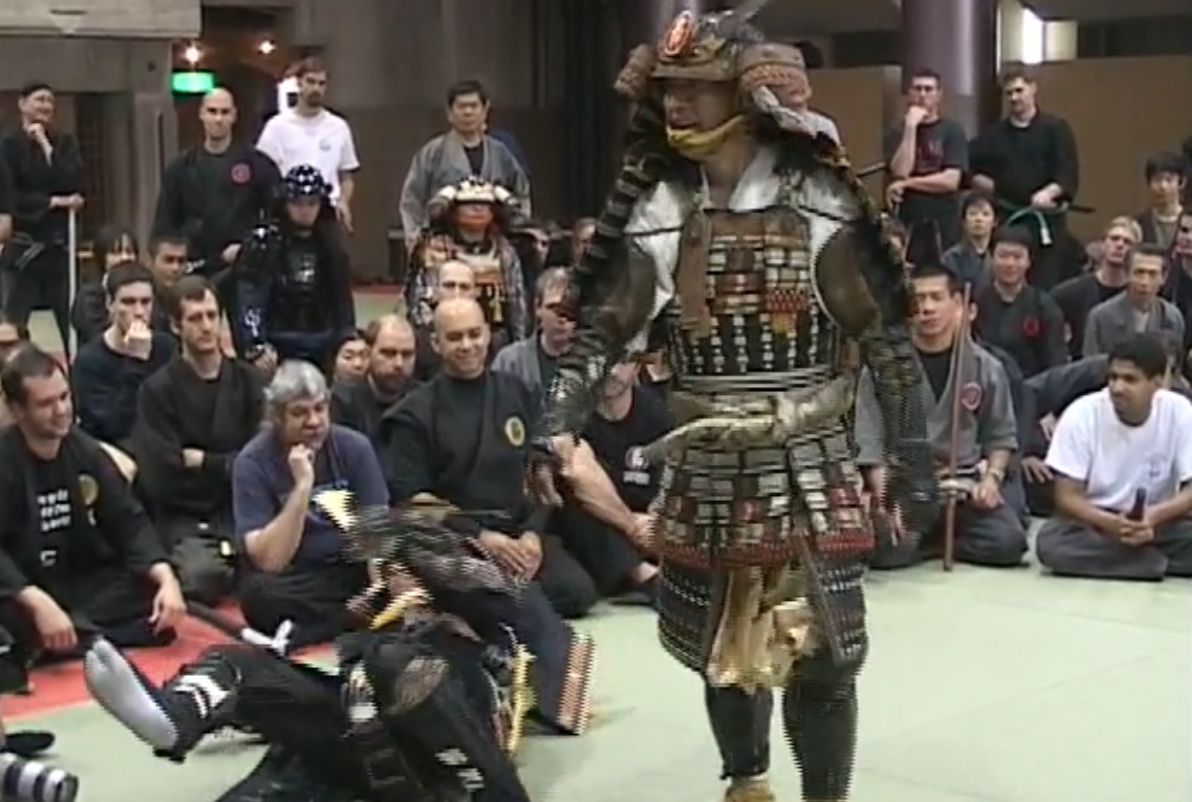
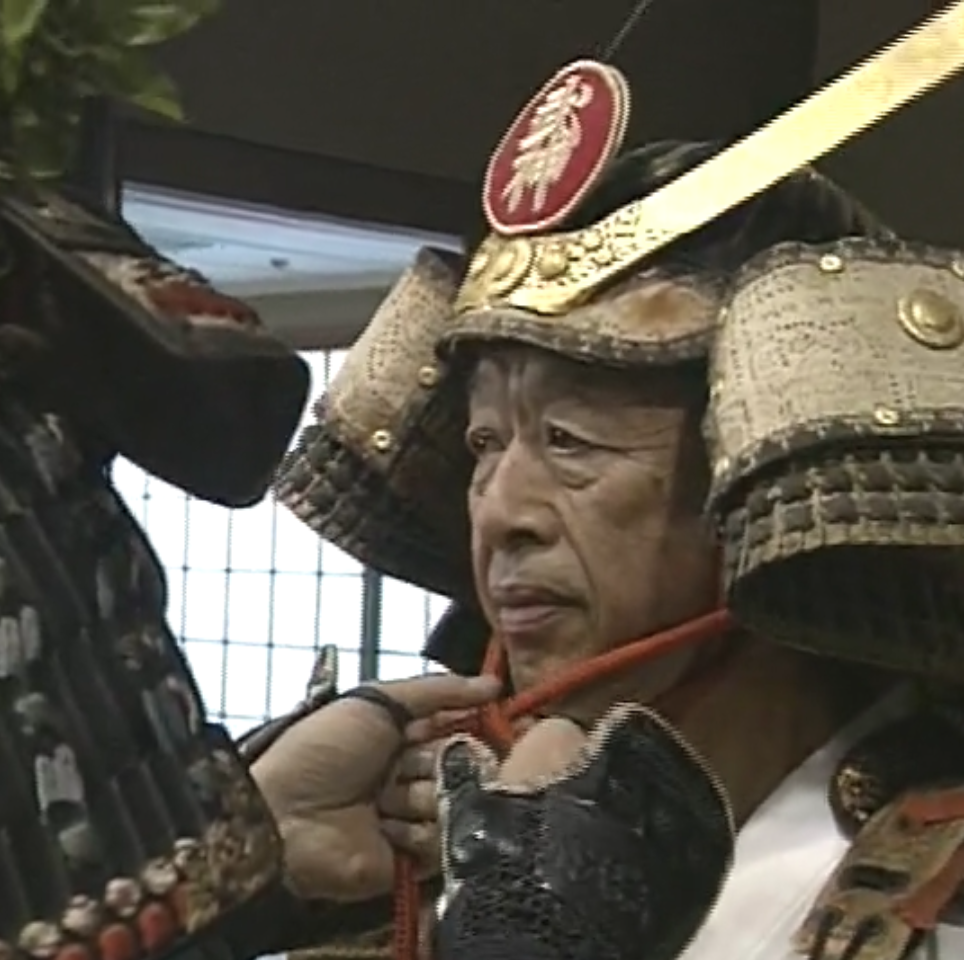
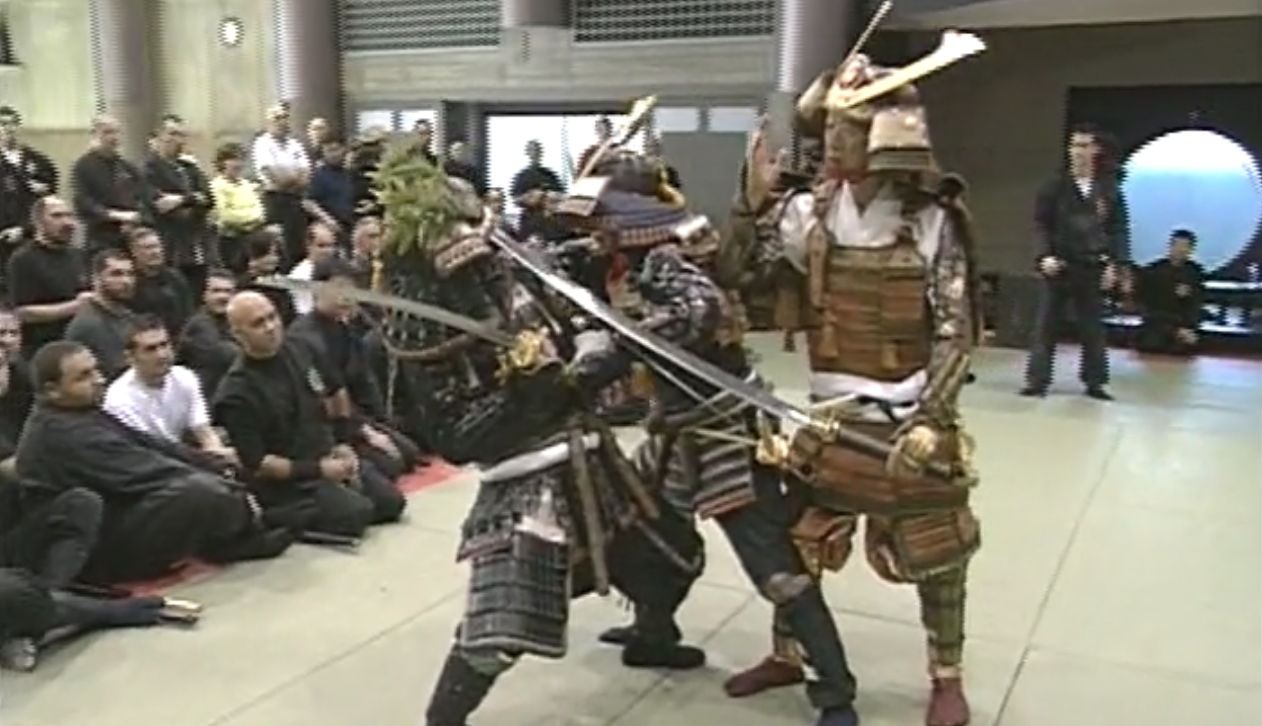
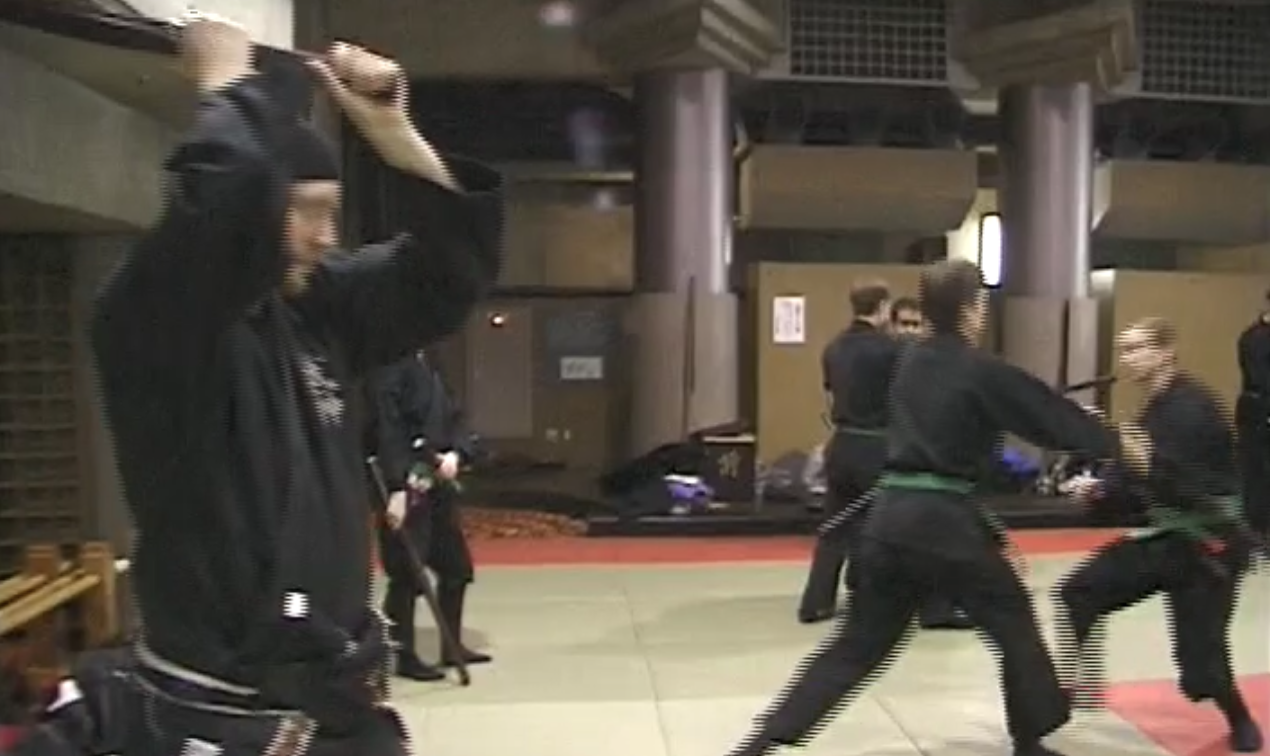
 ︎
︎