Skip to content

Kaigozan Spring Seminar with Sveneric & Dean

From 8þ Kabutoshimen by Mats "Toryu" Hjelm

Hello.

If you want to attend this seminar you must sign up on the website now before Sunday 13’th.
http://kaigozan.se/seminarier/

If you don’t sign up now you should read my ranting below. I will have no tolerance for people not showing me respect for organising a seminar by following my simple requests…

More than two weeks ago I wrote on Facebook and Twitter that I needed x amount of people signed up for the seminar to decide if I need to rent a bigger dojo before yesterday. I thought I’ll use this news list and extend the time to this Sunday evening.

If you are interested to attend this seminar I want to know now, you need to sign up on the web site (I don’t accept sign ups by email, Facebook etc, only from the web site form). And you need to do it before Sunday to be guaranteed a place at the seminar.

If I don’t get more than 33 people by Sunday evening I will not be able to book a bigger dojo and accept more participants.

You need to understand that I’m taking the financial risks. The instructors will get paid from my own pocket if I can’t get exactly 33 paying members. And we can’t squeeze in more people in the dojo, it wouldn’t be fair to the people that did what I asked and signed up early.

If you decide you want to attend late we might have filled up all places because I didn’t book a bigger dojo. If you’re high ranking or friend doesn’t matter you caused me problems. If you come unannounced and expect to be welcome you take things for granted. You could stand there and cry, but it doesn’t help the situation. If the seminar is in my dojo we have limited places, and there will be no special treatments.

I’ve seen this trend more and more the past 20 years. The first seminars I organised we had ~50 people signed up three months ahead, ~10 more signed up late. Now it is the opposite which makes it difficult to plan things, and we need to change this trend back.

I know there are those who can’t decide until last week, it is the same for me sometimes. But if it is a seminar I really want to go to, I sign up immediately and make sure I can attend. The art of planning and commitment seems to be disappearing.

Sometimes I can’t decide until the last week, then I’ll check to see if I would be welcome. If not I wouldn’t blame the organisers or cry about it.

Alright sorry for ranting but I don’t think everybody understand or take things for granted. If I get enough people that it would pay the extra rent for a bigger dojo I have no problems, this time.

If I rent a bigger dojo we can accept up to ~70 people. I kinda promised free beer if there is more than 50 people.

Again please sign up now!
http://kaigozan.se/seminarier/

Happy trainings!

The post Kaigozan Spring Seminar with Sveneric & Dean appeared first on 8þ Kabutoshimen.…

A Gift From the Heart to All of the Bujinkan

From Bujinkan Santa Monica by Michael

Today a most extraordinary thing happened in Hatsumi Sensei's class. As you probably know, the Hombu Dojo we currently have in Japan is slated for demolition. Many of us will miss it very much when a new Bujinkan honbu dojo is built.

But my friend and student William Kelly O'neill did us all a service. He spent the past many weeks painstakingly (emphasis on pain) recreating the Bujinkan Hombu dojo in miniature as a gift for Hatsumi Sensei.

Hatsumi Sensei and Bill O'neill with mini Hombu
What he didn't know was that it was a gift to the entire Bujinkan. Tonight he presented it to Soke Hatsumi.
Hatsumi Sensei checks out mini Hombu
Bill has been sending me pictures and explaining his design process over the last few weeks. The amount of detail, research, and thoughtful personal elements in his project have been very inspiring to hear about. At first I thought he was a bit crazy, but when you see the results...
Hombu Miniature

I know Bill put his whole heart into this project in a genuine spirit of giving. And everyone who was there was touched. Hatsumi Sensei decided tp present Bill with a Bujinkan Gold Medal. Well, this is when Bill was overcome with emotion and gratitude.

Hatsumi Sensei told me he was going to put the miniature in the new Hombu dojo.

Bill keeps appologizing to me for missing classes back home while he was in a race to finish his artwork for this trip to Japan. I told him, don't worry, you have your own dojo to train in. But since he gave his dojo to Hatsumi Sensei, he'd better come back to class!

Thank you Bill for the inspiration. This was a wonderful gift for Soke and all of the Bujinkan.…

How to Notice the Big Changes in a Small Breeze

From Bujinkan Santa Monica by Michael

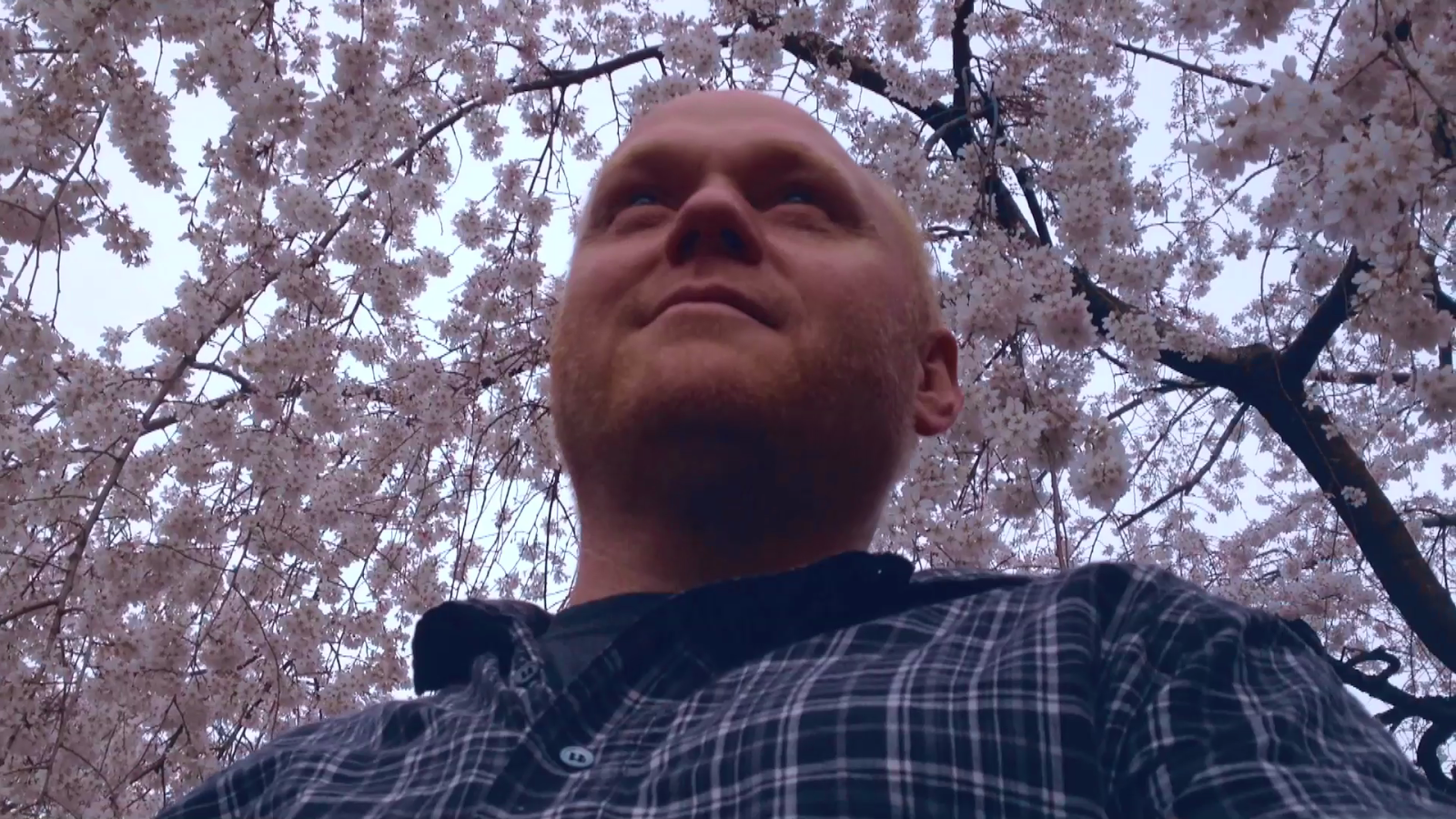
Michael Glenn under the cherry tree, 新宿御苑 Shinjuku Gyoen
Last year I had one of the most profound experiences of my life. Yet it was really nothing unique. In fact, many poets and artists have made note of it in their work. And this experience informs some core ideas in the Bujinkan.

I was standing under the cherry trees. A light breeze fluttered across my face. Then I was showered with falling petals.

I felt blessed and melancholy at the same time. Such is the power of sakura. In Japan this reverence for the signs of change is a deep subject of poetry, art, religion, and our own Bujinkan training.

This was on my mind when I taught 桐之一葉 Kiri no Hito Ha in a recent class. I wrote about this in my Bujinkan training notes, but I felt even more reflective after class. The name of this kata gets to the heart of the subtle signs of change.

Hatsumi Sensei tells us we should know the verse from which the name of this kata is formed:
桐一葉落ちて天下の秋を知る
One leaf of the Paulownia tree falls to earth/ The inevitable winds of change have come.
This verse comes to us from a classical Kabuki drama, 桐一葉 Kiri Hitto Ha written by 坪内逍遥 Tsubouchi Shoyo. The true story of a retainer of Toyoyomi Hideyoshi,  named 片桐且元 Katagiri Katsumoto, who wrote this haiku after being driven into exile just before the siege of Osaka in 1614.

But this idea is much older. We even find it all the way back in 139 BC. Where it is found in some Chinese writing known as 淮南子 Huáinánzǐ. Here you can find the clues to "knowing autumn has come by seeing a single Paulownia leaf fall."

Beyond noticing a subtle change to the seasons, what does this tell us about combat?

It tells you how to read the attack of your adversary and how to recognize the small changes that precede the big movement or big changes of his attack. But it also suggests that when you yourself make small changes, they add up to something bigger. This is the 十方折衝 juppo sessho I reflected to my students. It is a good tool to plan for chaos.

The next kata in this series is 落花 Rakka, or falling petals. Flowers are powerful symbols of change. They have a magnificent arrival with the season, but fall just at their peak.

Then the scattered petals lie on the ground and are blown this way and that. They are crushed under our feet as we pass through their soft, quiet, shower.  Hatsumi Sensei says we should "see the beauty in their determination as they fall to their death."

This is the spirit of muto dori. Can a swordsman kill a falling cherry blossom? Enter in with this determination and you will know the meaning of 捨て身 sutemi.

This is how to find 詒変 ihen in training. It is a profound look at change, as Longfellow described in his poem, Rain in Summer,
With vision clear,
Sees forms appear and disappear,
In the perpetual round of strange,
Mysterious change; 
And so you will blossom again when the season is right.…

Box and stand

From paart budo buki by Mats "Toryu" Hjelm

Dear Buyu's,

one of my old idea is finally realized, because my friend needed a gift for some of his friends, and here it is. 
The idea was to make a box for storage, which can also be used as a stand for presentation. What you see is a box for Tanto, but is possible to make a case for Wakizashi,Katana, or something else.

Photo's that you are watching  for the first time I did not do it,  it make them ​​a friend, whom I mentioned above, Denis Stosic, a pro when it comes to photos, I only could say tahnk you Denis for these amazing pictures


…

Go! Safecast 3 year Anniversary on March 15-16, 2014 in Tokyo

From Bujinkan Santa Monica by Michael

Safecast Office window, Shibuya, Tokyo. Photo by Michael Glenn
My friend Sean Bonner, a long time Bujinkan student, is organizing the Safecast 3 year Anniversary on March 15-16 in Tokyo. He asked me to extend an invitation to any Bujinkan members who live in Japan, or who will be in Japan on those dates.

Safecast is a volunteer organization started a week after the 3/11 earthquake and resulting tsunami that caused the meltdown at the Fukushima power plant. Since there was a absence of reliable information for residents of Japan that really needed it, Safecast began,
"working to empower people with data, primarily by mapping radiation levels and building a sensor network, enabling people to both contribute and freely use the data collected. After the 3/11 earthquake and resulting nuclear situation at Fukushima Diachi it became clear that people wanted more data than what was available. Through joint efforts with partners such as International Medcom, Keio University, The John S. and James L. Knight Foundation and GlobalGiving, Safecast has been building a radiation sensor network comprised of static and mobile sensors actively being deployed around Japan – both near the exclusion zone and elsewhere in the country."

Watch a short Safecast documentary: http://vimeo.com/51823402

The 2-day anniversary program will consist of  both talks and hands on events, including:

  • Beginning Saturday evening and running until late Sunday evening we’ll host a global hackathon,
  • Presentations, discussions, and reception at Tokyo University
  • a bGeigie Nano workshop. Build your own award-winning radiation detector with assistance from the designers, and learn how to contribute radiation data you’ve collected to our public database. 
Here's a great vid (in Japanese and English) about one of these workshops:
http://youtu.be/1vZUg1HEKI4

I know all of us Bujinkan members are hands-on people who take action. This is a great opportunity to do that and connect with other people in Japan and around the world who are already in action making the world a bit safer.

If you'd like to attend, please contact Sean Bonner for more info (you have my permission to punch him when you see him).

Oh, if you're not in Japan, they will probably be live streaming the anniversary activities on safecast.org…

How Did I Train a Police Officer?

From Bujinkan Santa Monica by Michael

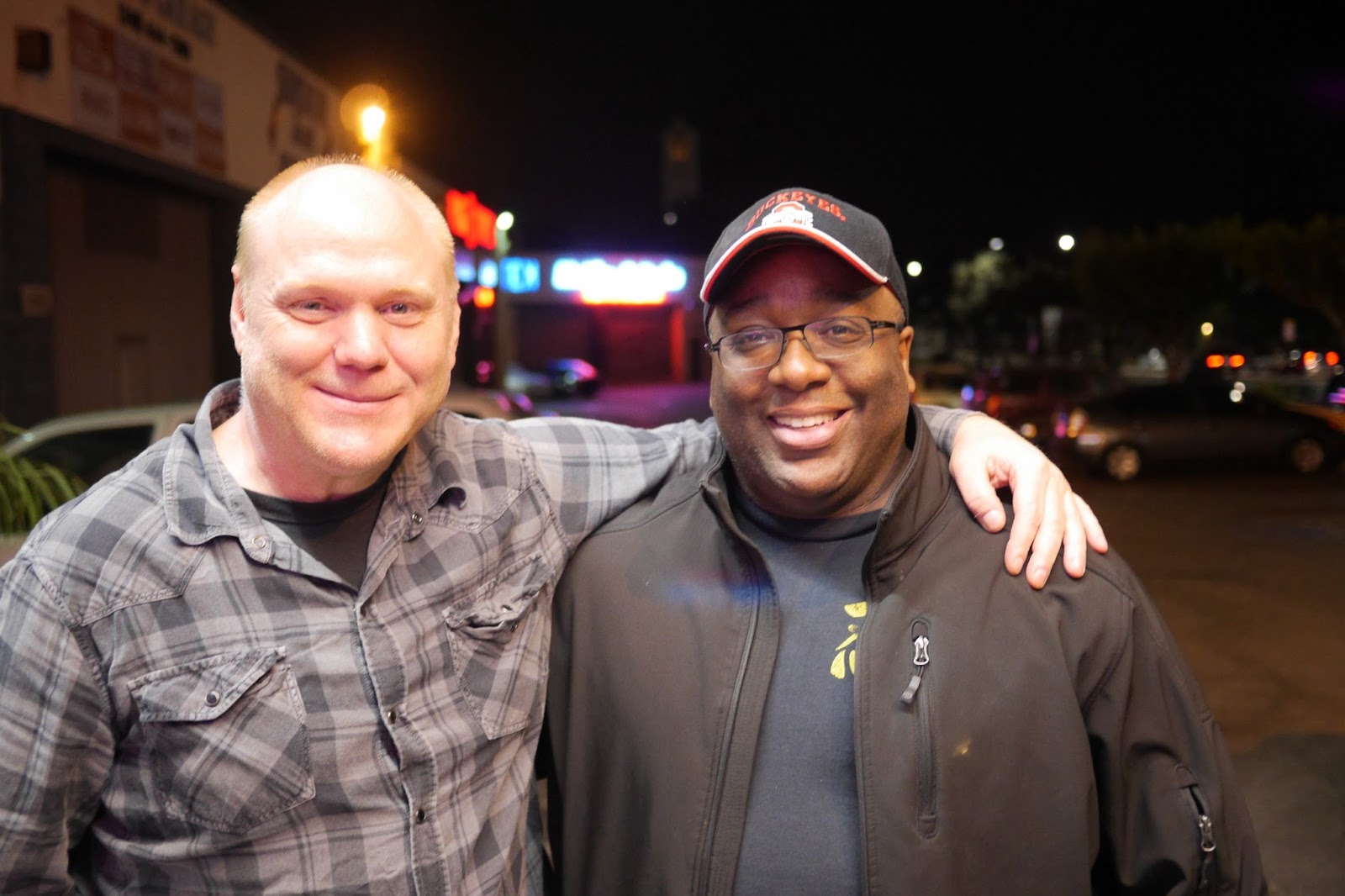
Michael Glenn and Chris Chilton
Ever since I started this blog in 2009, or launched my Rojodojo website for my Bujinkan videos , or even writing to my private Bujinkan email list, people from all over the world have connected with me. This is always something I loved about our art. It is truly international and one big family.

This week I was lucky to meet Police Officer Chris Chilton from Columbus, OH. He had originally connected with me more than a year ago. And now he decided to take a break from the cold and snow in Ohio to come train with me in person.

I don't think the fact that we have 70 degree temperatures and a beach down the street had anything to do with it.

I convinced him to speak a little about some of his experiences this last week. He was very kind to share his perspective:


http://youtu.be/iykmPki5kO8

I had a great time meeting him and sharing lessons I've studied with Hatsumi Sensei. He got along wonderfully with everyone in my classes. And I find it very impressive that he dedicates himself so much to his own training that he would fly across the U.S. in search of quality Bujinkan study.

Chris it was great meeting you and I hope to throw you around again soon!
Chris fit right in with Bujinkan Santa Monica

…

Konpei (in wood)

From paart budo buki by Mats "Toryu" Hjelm

Dear Budo friends, 

in front of you is another a rare tool.
Some sources say that is Konpei, Soke Hatsumi in his book also use that name, one other name which I also find is Konbyo, but is not verified and does not need to be true.

Although there is another version seen in the Soke's collection, I decided to do this version for practical reasons. 
I must say that this is just a prototype, and the image only shows the final shape of tool, but the next one will be even better in order to improve the strength of some parts to be unbreakable and safe for hard training.

Metal version will also be available.

All of you who are interested in this tool  feel free to contact me can e-mail.


…

Will You Step Aboard the Boat to Win the Fight?

From Bujinkan Santa Monica by Michael

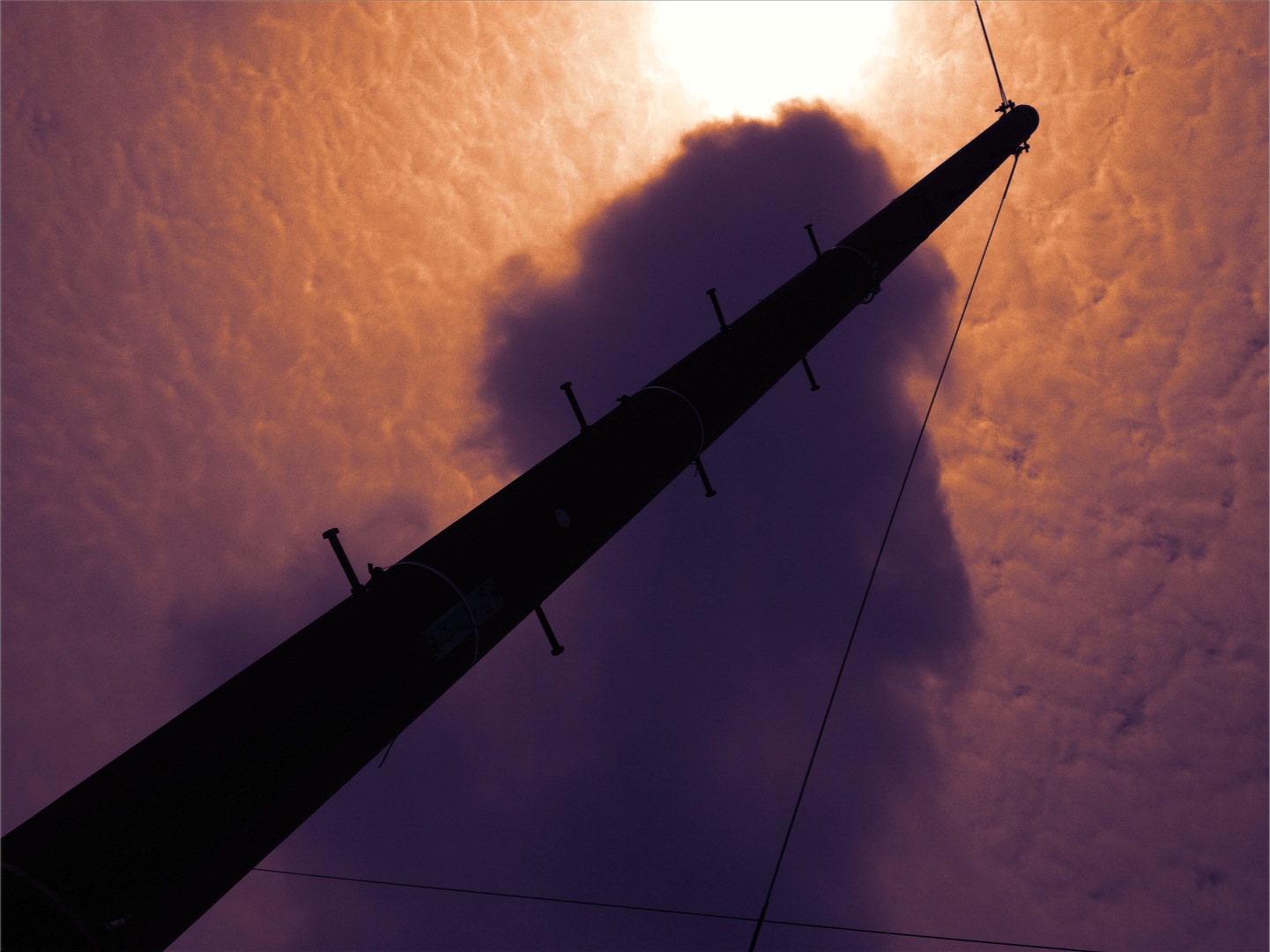
電柱 Denchuu in front of Bujinkan Hombu. photo by Michael Glenn
Hatsumi Sensei spent all class trying to teach us muto dori. This is not unusual. He mentions muto dori in almost every class. He has been doing so for years. It makes sense, if you are not there when the attack arrives, then you have successfully defended yourself.

We were lucky tonight. Soke was teaching us how to use our legs and footwork for muto dori. People sometimes think Hatsumi Sensei is talking about psychology, or he is using metaphor to talk about esoteric ideas about disappearing or being invisible. Well right now he just wanted us to move our feet, dammit!

But move them in a special way.

He said to step "浮舟のごとし"  ukifune no gotoshi. This means to step like you are stepping onto a floating boat or pontoon. How does one step from the stable dock onto a boat?

If it is a small boat, raft, or canoe… you step carefully. Any big or unbalanced movements will rock the boat or tip it over. If you are in a fight, the boat is your opponent and his intent on attacking you.

You must step by subtly shifting the balance from the stable, dry, safe land where you stand before being attacked… to the unstable, rocking, dangerous boat of the fight. Then you will be on board.

When you step like this onto an actual boat, the boat barely moves. You transition and become part of it. Its motions in the water are now your motions. Anyone who has been in a canoe or kayak knows what I mean.

Some people step off the land like doing a cannonball. They disturb everything and make a big splash. But they also make a big target. They will have to fight hard to stay above water or not get killed by the attacker.

Practice stepping onto a boat. Or a skateboard. Or a balance bar. Onto ice. Onto rice paper.

Shift your weight through the knees and joints. Then shift your consciousness to be on board and floating with danger. Take the ride like the little duck I wrote about here: Fudōshin 不動心 or Fudōshin 浮動心 Floating Heart?

And then step back to safety and stability. How does it feel? …

Instructors

From Bujinkan 40 Years in Europe by Petter Swedin

It is a great pleasure for us to welcome Steve Olsen, Sven-Eric Bogsäter and Rob Renner back as instructors for this years Taikai. All three have been teaching at past Taikais in Sweden and have shown through their knowledge and skill that they have plenty to offer in the art of Hatsumi Sensei. We are happy they all accepted the invitation and are looking forward to being inspired by their teachings once again.…