Skip to content

Sunday Afternoon at the Bujinkan Takamatsu Memorial

From Bujinkan Santa Monica by Michael

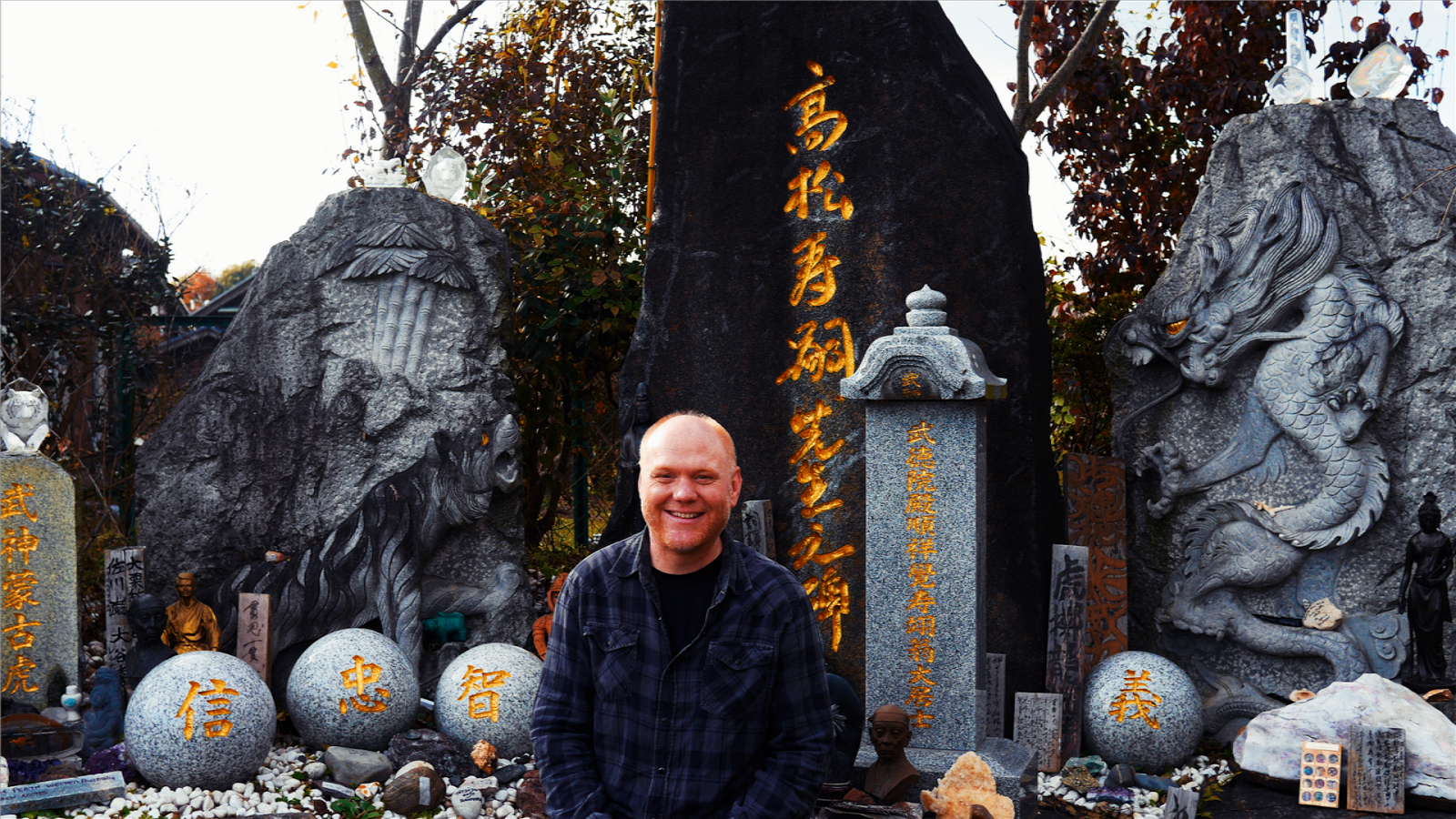
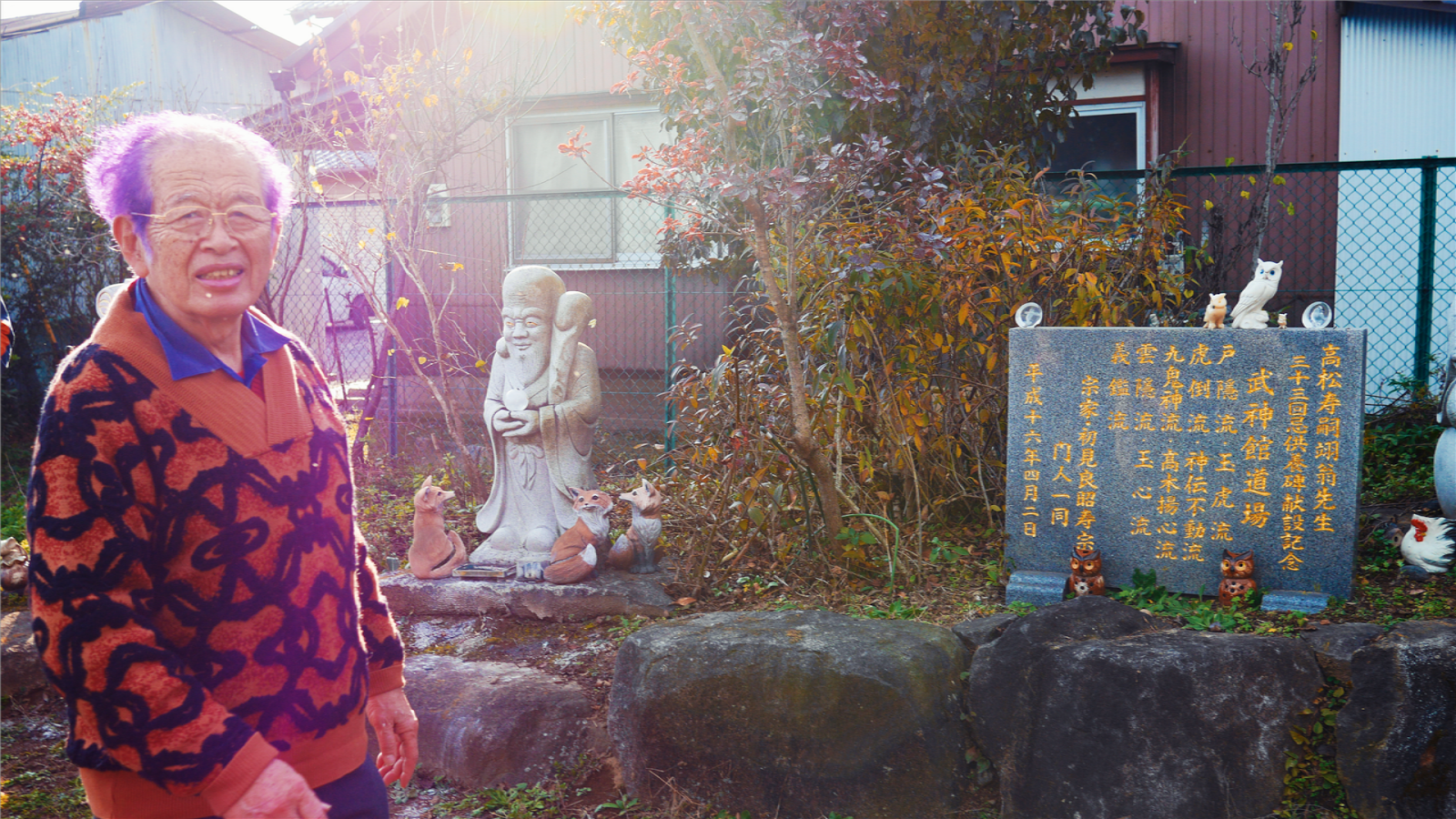
Michael Glenn at the Bujinkan Takamatsu Memorial
The fall weather has been beautiful and the training very rich. More about that soon, but this afternoon Hatsumi Sensei invited as many as we could caravan over to his country house.

driving to Hatsumi Sensei's country house
After an pleasant drive, we arrived to be greeted by Soke.
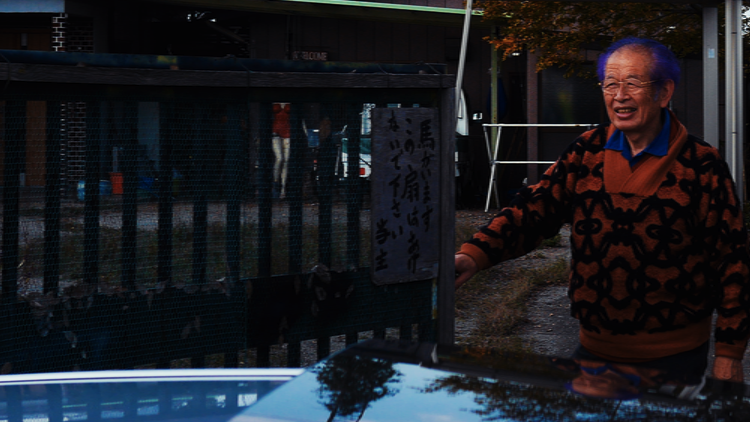
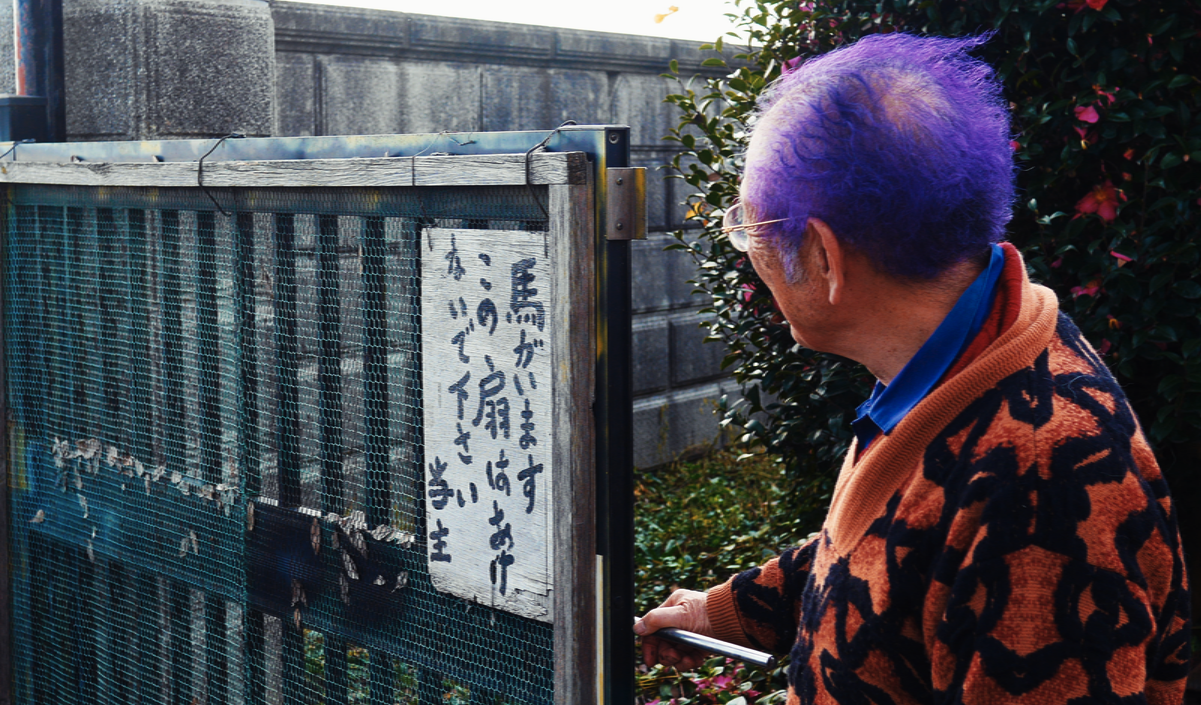
Hatsumi Sensei opens the gate
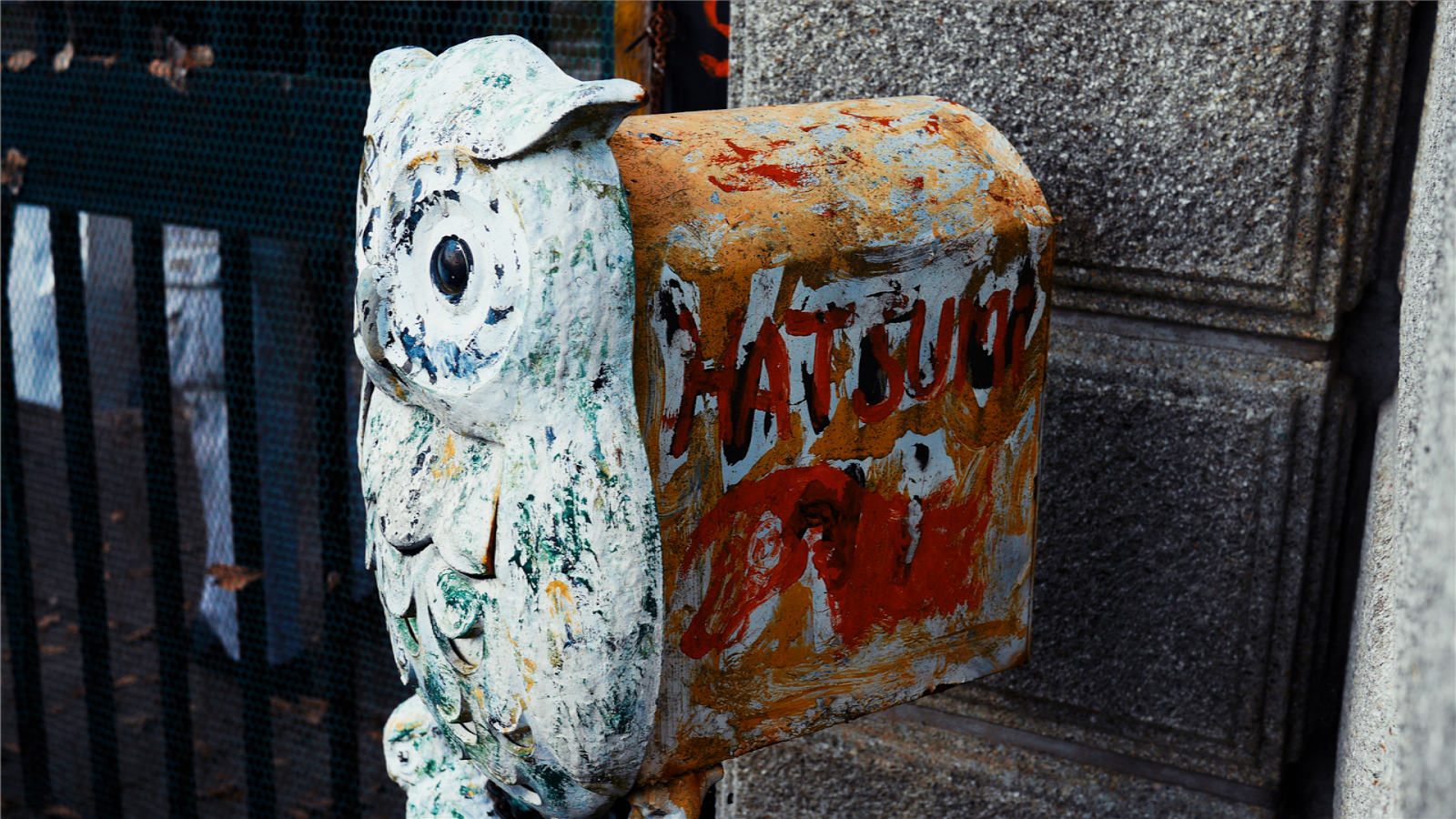
It says Hatsumi

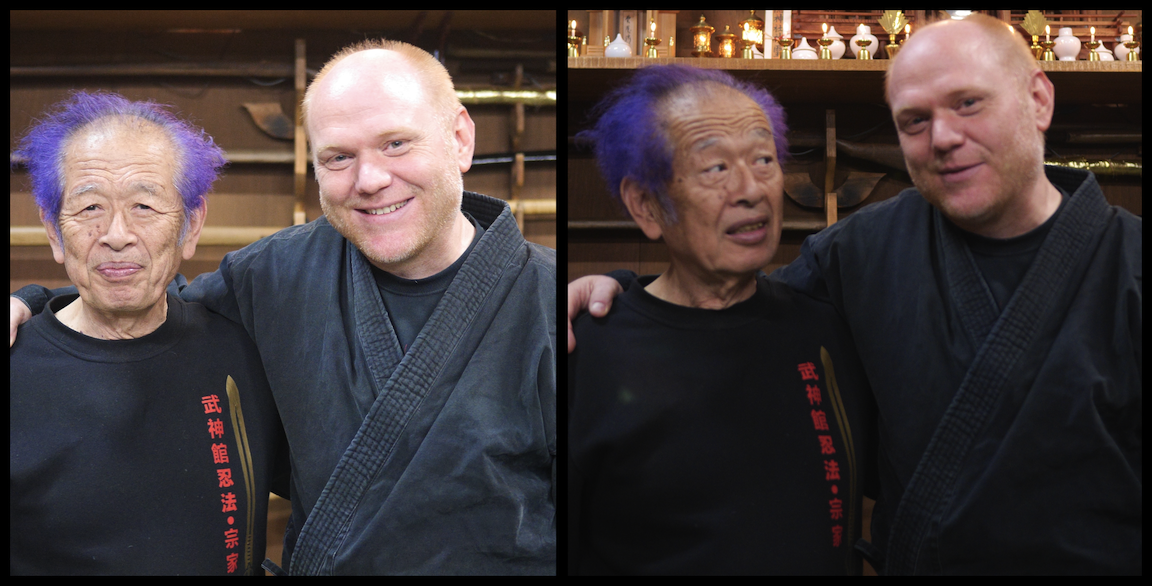
Hatsumi Sensei is very welcoming
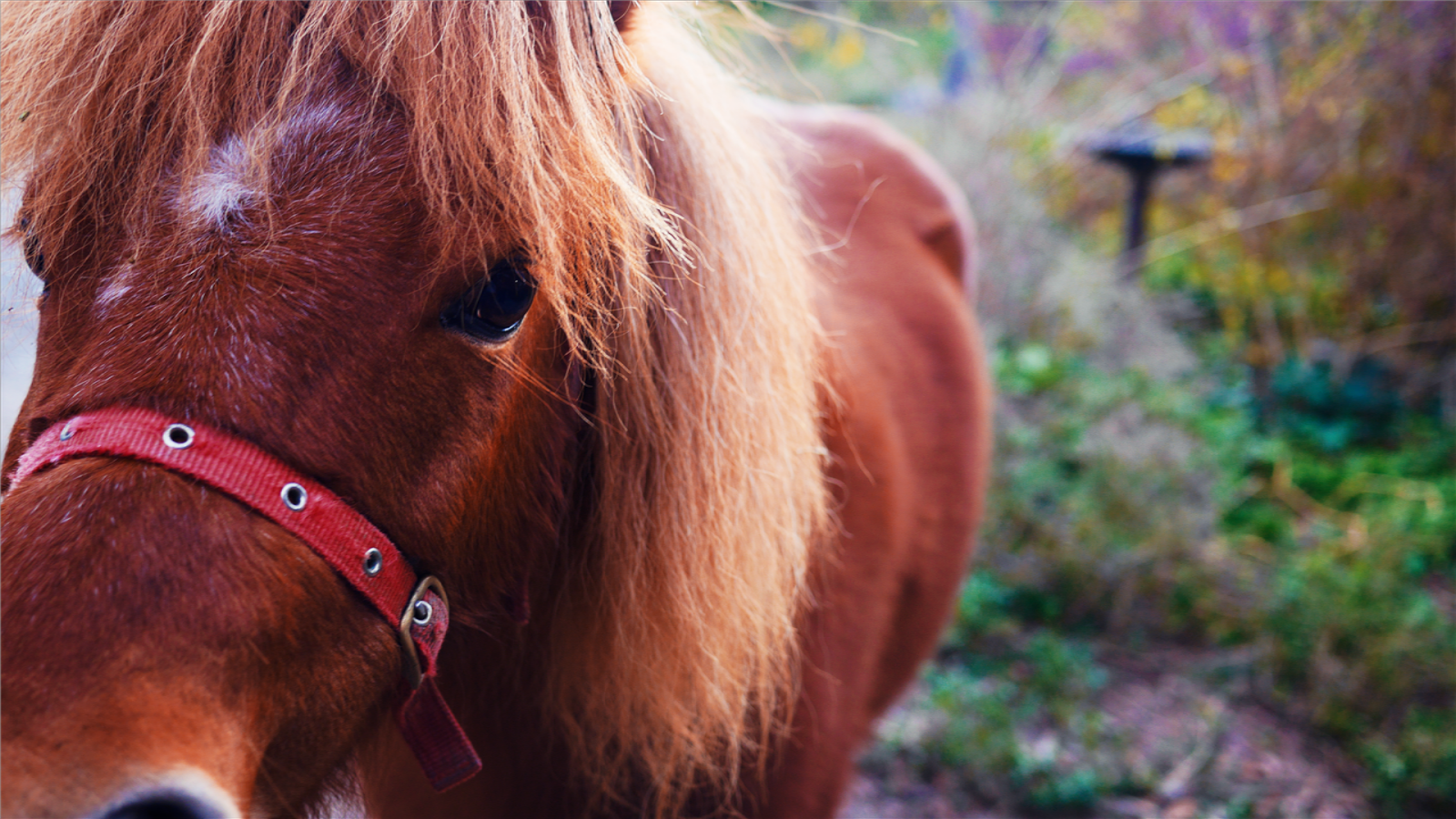
We also were welcomed by his horses.

Hatsumi Sensei's horse
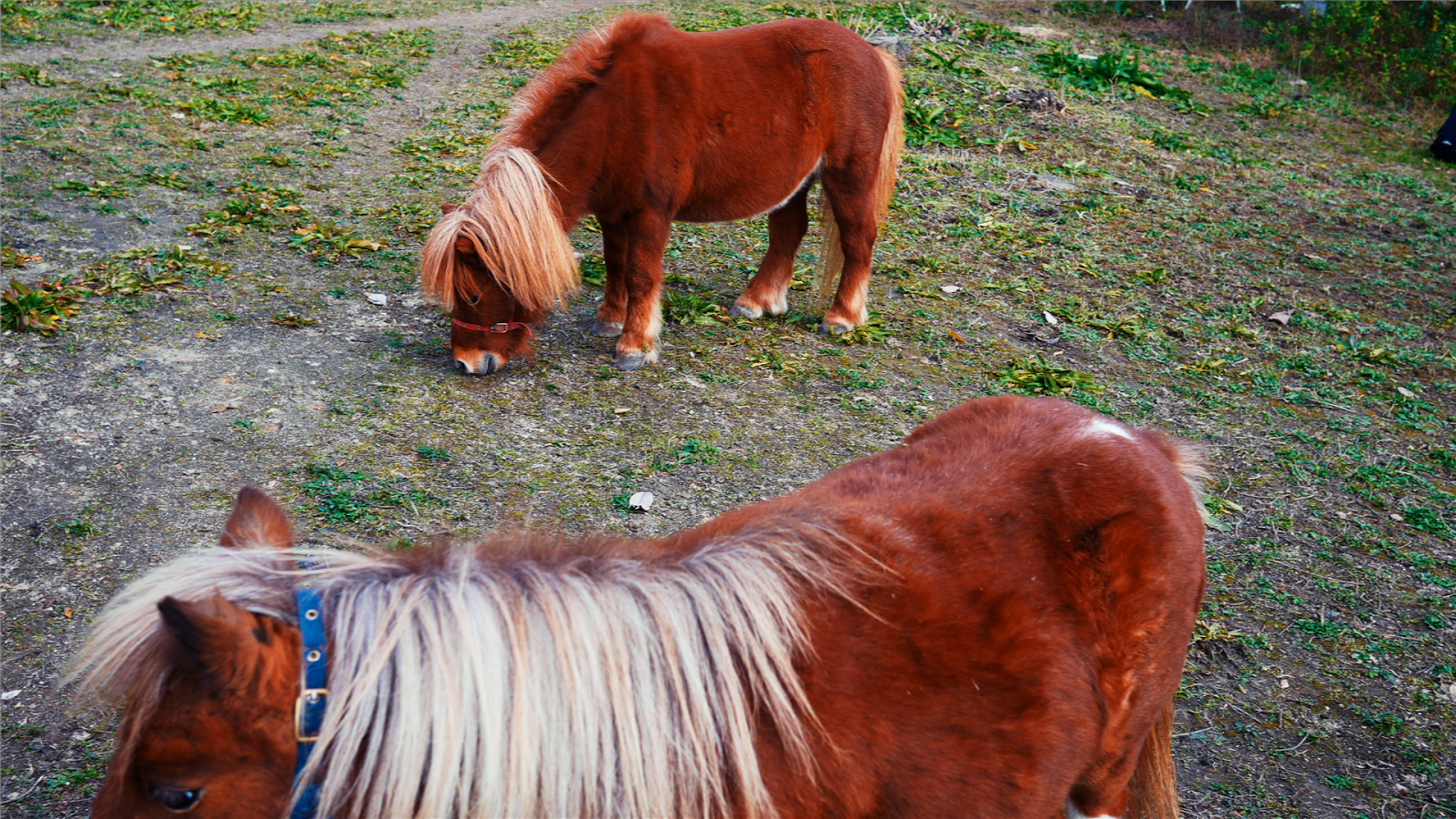
Hatsumi Sensei's horses were always searching for food
Soke really enjoys describing all the statues and monuments to us.

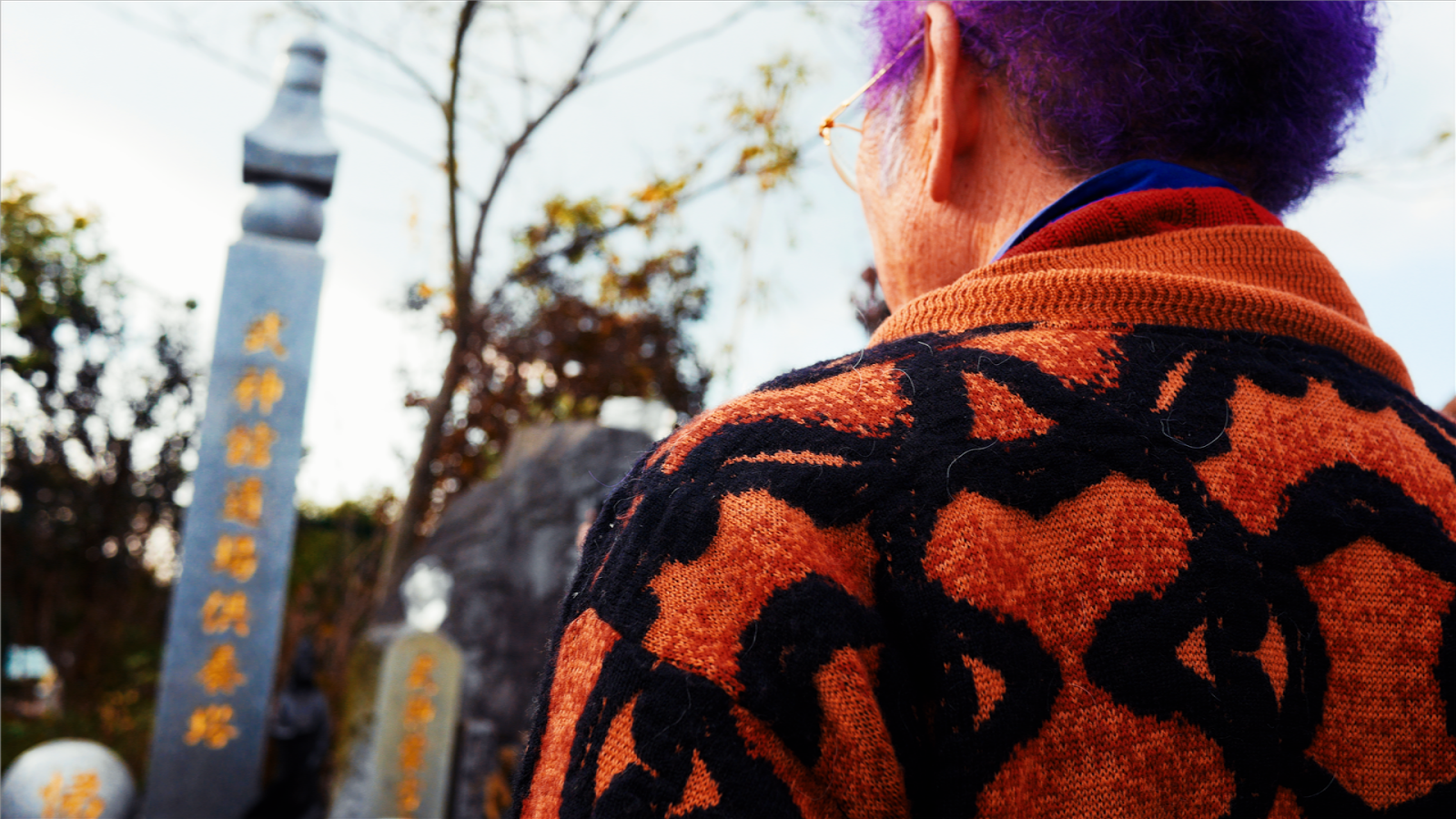
Hatsumi Sensei tells us about the monuments
a gorinoto
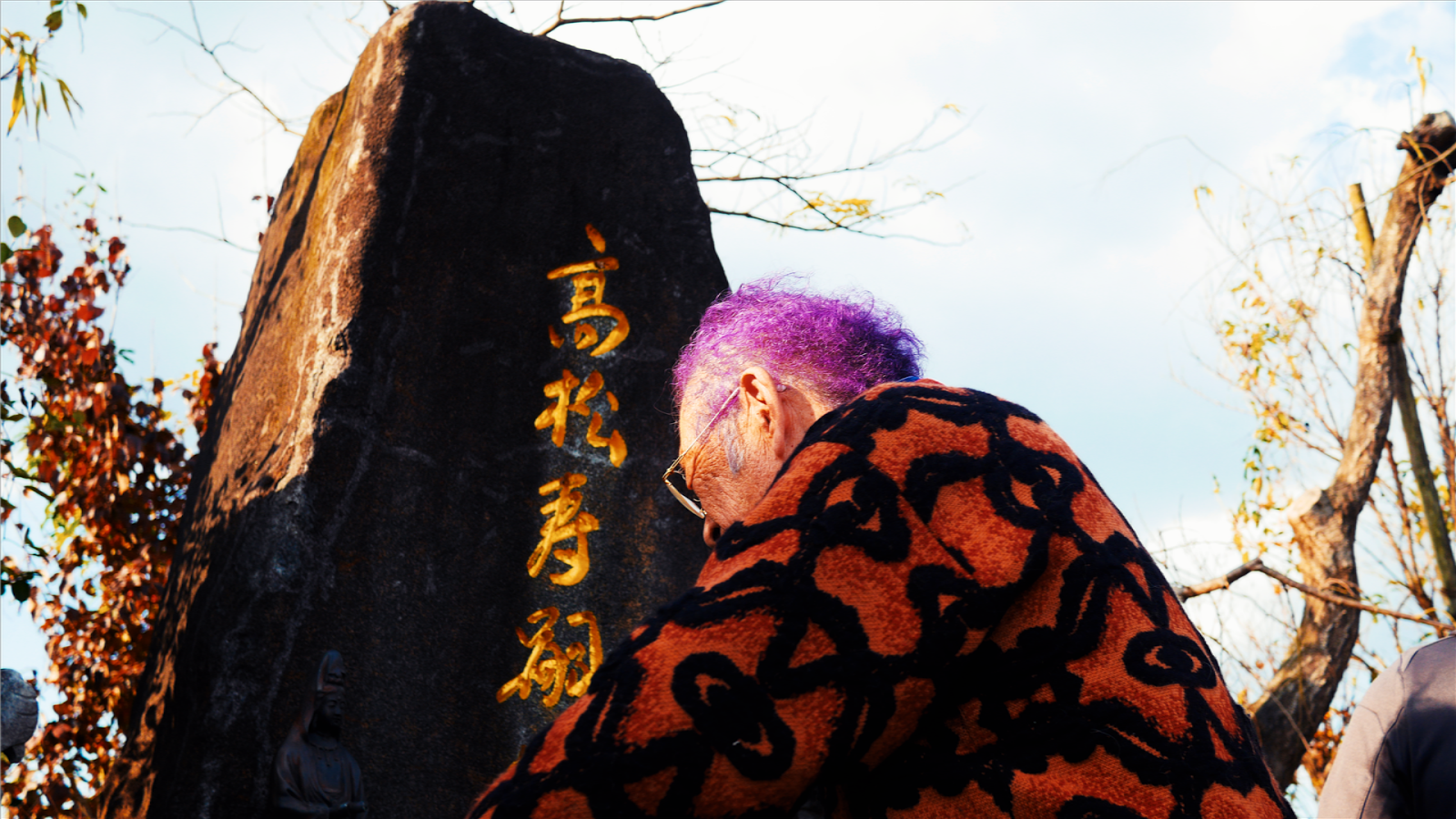
Hatsumi Sensei examines the Takamatsu memorial
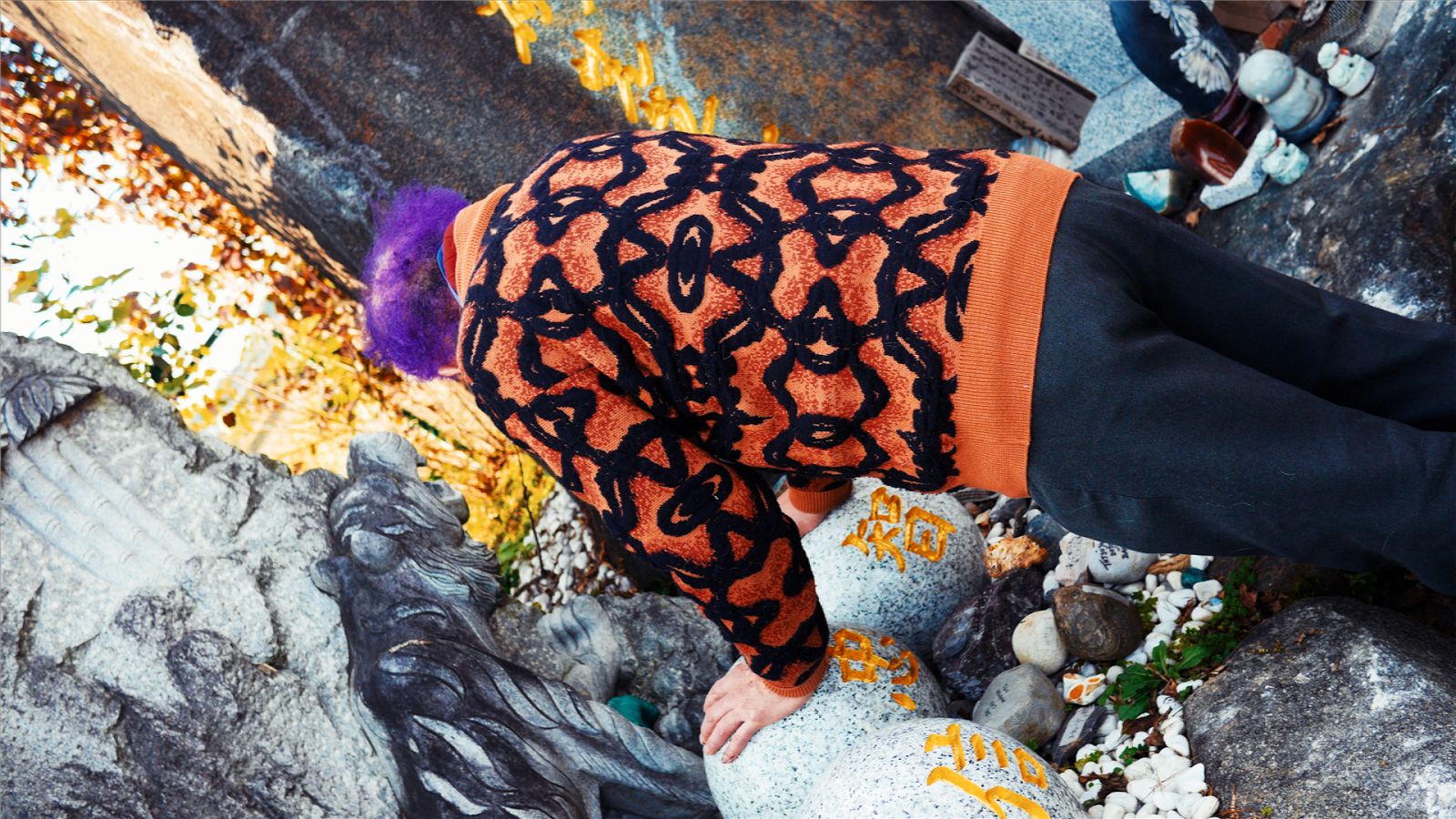
Then Hatsumi Sensei made sure that everyone found a place for their stones.

Hatsumi Sensei looks for a stone
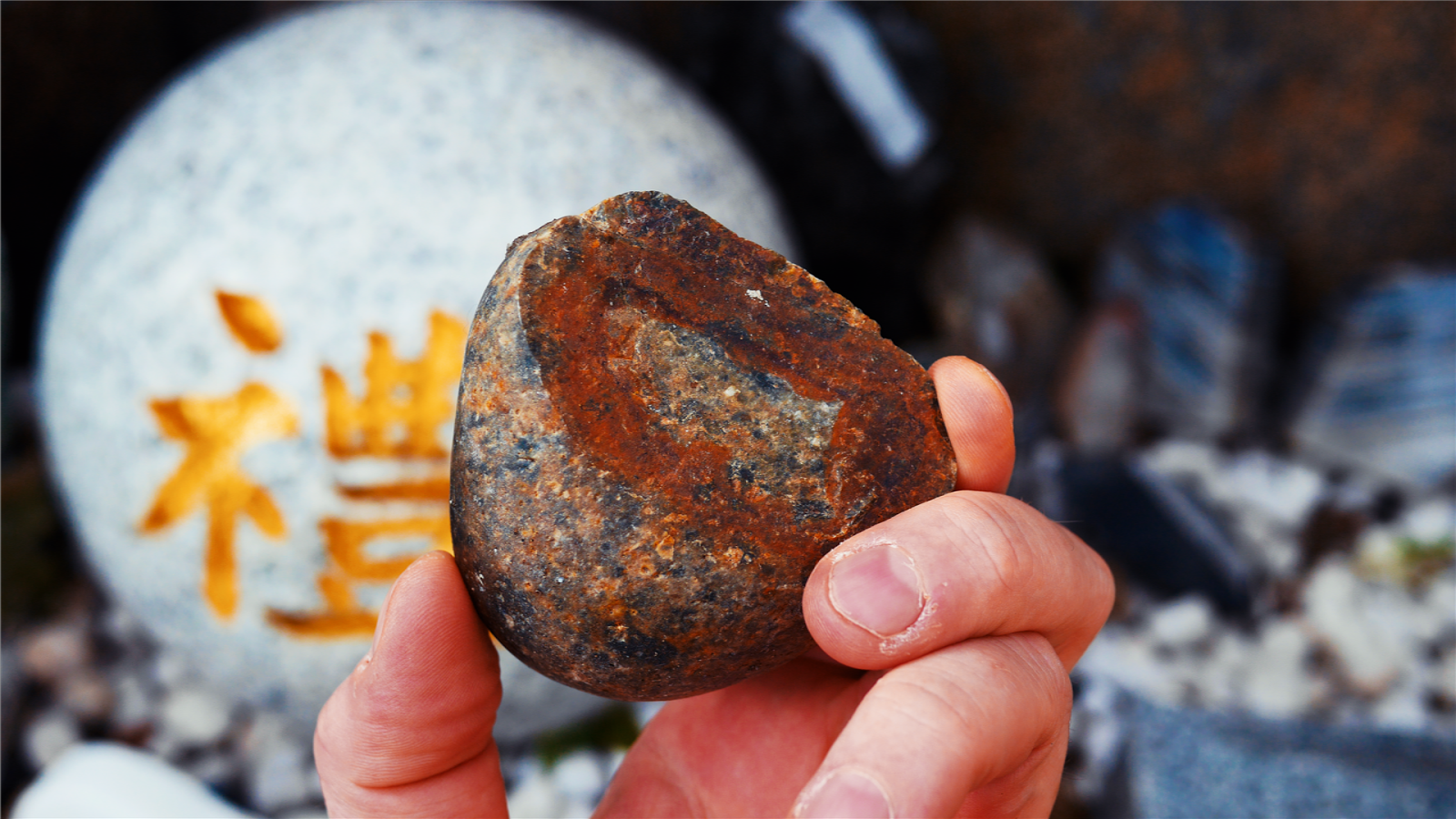
I brought a stone from Santa Monica during my trip in September and Soke had placed it just to the left of Takamatsu's bust.

A rock from Santa Monica Mountains now in Japan at the Bujinkan Takamatsu Memorial
The horses meanwhile found where I left my backpack and were about to tear it open... Hatsumi Sensei thought this was very funny.

My backpack (in the back) is discovered by Hatsumi Sensei's horses
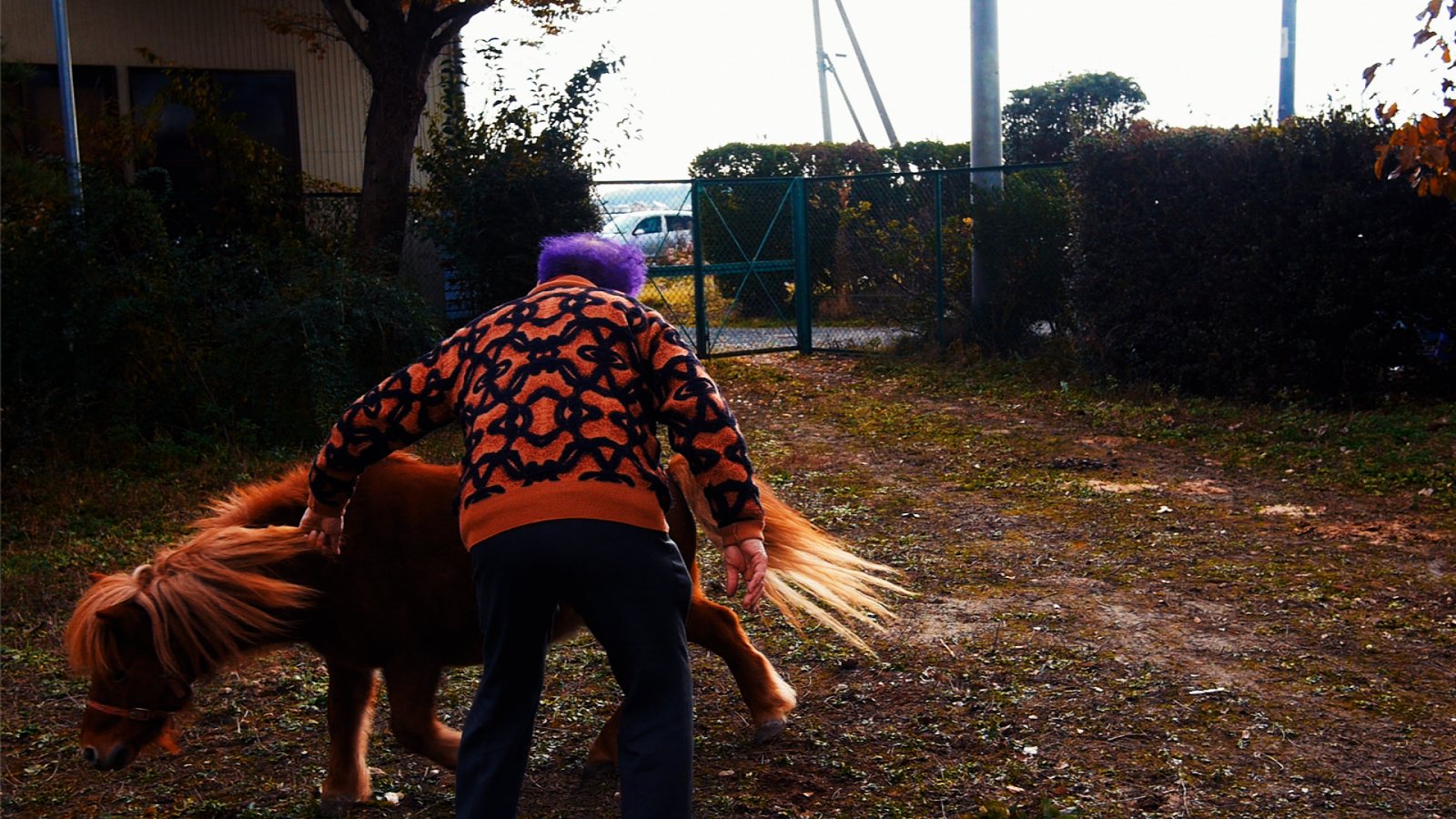
Hatsumi Sensei couldn't get his horses to stay still. It was funny watching him chase them.

Hatsumi Sensei tries to hold his fleeing horse
Hanging out with Sensei is always relaxed and full of humor.

Hatsumi Soke sharing the Takamatsu memorial
Hatsumi Sensei and Marilyn Monroe welcome us
I feel very lucky to be part of the Bujinkan with such a generous Soke.

Guarding the gate at Hatsumi Sensei's house
Hatsumi Sensei's giving nature informs our Bujinkan training like a connecting thread through the generations. I will write more about my training here in Japan soon.

…

Spirit of movement 2

From Shiro Kuma's Blog by kumablog

The “Spirit of movement” is a mix of live experiences with sensei, my personal path in budô, and general thoughts on the martial arts.
It is easy to read and will please both the beginner and the advanced practitioner.

Below is an excerpt of this book:

“When you see the shihan move naturally and always being well positioned, you get the impression that they definitely knew where the attacker would head for and what he intended to do. But once you accept that intuition is fuelling our actions and unifies our two hemispheres, their reactions seem normal. In combat and in life, the exterior conditions are imposed on us, and if we are able to observe a situation and adjust our actions rapidly, only the intuitive adaptation which will only come after years of polishing will allow us to achieve mastership.

This simplified efficiency is the result of the “cleaning” of the movements through repetition. The more we do these basic forms, the more they are concise and precise. This is exactly what Musashi means when he writes: “don’t do anything useless”. Because at the same time your expertise is developing, you create parasitic movements. And you have to get rid of them in order to reach the true essence. In 1997, during a seminar in New Jersey, we were, a friend and I, in sensei’s room after a day of training. What he told us that night is still present in my mind. “I gave you everything you need. Now your training will consist in getting rid of all your parasitic movements and speeding everything that is useless”. With the many years of training every practitioner develops a series of bad habits inbreeding with the researched purity of the movements. Becoming concise therefore depends on this cleaning process. This phase of practice is the one requiring the most as it demands order and a deep consciousness of what is correct. Again, this bio mechanical consciousness in the movements has a deep impact on our daily lives and influence all our actions outside of the dôjô. With this physical work, the Budō practitioner becomes more efficient and direct in whatever he is doing but also in his relations with others.

Thus, budô is not limited to a system of fighting techniques, but offers us a means to approach the truth by putting us in a war-like situation. The technique is only valuable if it teaches to recognize a situation, and to respond to it most effectively. My master likes repeating that if you apply a technique of a given ryûha, of a fighting style, you are dead. Even if it is perfect, the technique activates the left part of the brain whereas intuition is located in the right part of the brain. This intuition of things always allows you to know what to do, and the benefits of martial arts begin to lap over our daily lives.”

Get the book and read the rest, here

image


…

The Spirit of Movement

From Shiro Kuma's Blog by kumablog

Spirit_Of_Movement_ADD

My first eBook is now available at amazon.
Written in French in 2009, it is now available in English.
Completely rewritten, this revised edition details my life in the martial arts from 1969 to 2014. Obviously the biggest part of the book is dedicated to the Bujinkan and the 25 years of exchanges with Hatsumi sensei in Japan and during the Taikai all over the world.
Full of anecdotes and stories, this small book introduces the reader to the 6 elements, the strategy, and other concepts.

Amazon.com

Amazon.fr

http://www.amazon.fr/Spirit-Movement-Become-Student-English-ebook/dp/B00PUKZY9C/ref=sr_1_1?s=digital-text&ie=UTF8&qid=1416564516&sr=1-1&keywords=spirit+of+movement

Amazon.co.uk

Amazon.es

http://www.amazon.es/Spirit-Movement-Become-Student-English-ebook/dp/B00PUKZY9C/ref=sr_1_1?s=digital-text&ie=UTF8&qid=1416564672&sr=1-1&keywords=spirit+of+movement

Amazon.de


…

Fight To The Bone, Not To The Flesh

From Shiro Kuma's Blog by kumablog

image

In my dôjô we me have a new member watching every class, it is a human size skeleton*.

I decided to add this as part of our understanding of body movement. Each class is the occasion to show the students how a technique should be done. When they see the bone alignment, the joint logic, the technique begins to make sense.

骨 (Kotsu) regroups the secret principles introducing any of the ryûha but it also reads as bone. Maybe because these principles are the “skeleton”,  the foundation of the system.

Because we all have, at first, a sport educated vision of the martial arts, we miss the key point: which is to break the balance of the opponent. Thanks to the skeleton in the dôjô, the students are now able to visualize, in real size, the possible angles and the amount of leverage that can be applied to the joints at the skeleton level, therefore it is easier for them to get the technique correctly.

The typical fight in feudal Japan between two samurai implied the use of the Yoroi. The Yoroi protecting the body from the ferocious blows of the enemy **, it is obvious that hitting the flesh of breaking the bones was not feasable. But if hitting the body was hardly possible, taking the balance by using the bone structure was easy. By locking the body inside the Yoroi and by manipulating the joints, it is easy to get the opponent off balance. A fight in feudal Japan was mainly about bringing the opponent to the ground in order to finish him before he could stand up.

Trying to hit the muscles or to break the bones is sport.
Understanding the laws of balance by integrating the knowledge of bone positioning and angles is budô.

So don’t fight the flesh, but fight the bone structure. We are learning Budô not sport.

_________________
*you can get one on amazon for about a 100€
** the Yoroi was primarily designed to fight the yari
Basics:  http://budomart.eu/index.php?id_category=24&controller=category&id_lang=1&p=2


…

Fight To The Bone, Not To The Flesh

From Shiro Kuma's Blog by kumablog

image

In my dôjô we me have a new member watching every class, it is a human size skeleton*.

I decided to add this as part of our understanding of body movement. Each class is the occasion to show the students how a technique should be done. When they see the bone alignment, the joint logic, the technique begins to make sense.

骨 (Kotsu) regroups the secret principles introducing any of the ryûha but it also reads as bone. Maybe because these principles are the “skeleton”,  the foundation of the system.

Because we all have, at first, a sport educated vision of the martial arts, we miss the key point: which is to break the balance of the opponent. Thanks to the skeleton in the dôjô, the students are now able to visualize, in real size, the possible angles and the amount of leverage that can be applied to the joints at the skeleton level, therefore it is easier for them to get the technique correctly.

The typical fight in feudal Japan between two samurai implied the use of the Yoroi. The Yoroi protecting the body from the ferocious blows of the enemy **, it is obvious that hitting the flesh of breaking the bones was not feasable. But if hitting the body was hardly possible, taking the balance by using the bone structure was easy. By locking the body inside the Yoroi and by manipulating the joints, it is easy to get the opponent off balance. A fight in feudal Japan was mainly about bringing the opponent to the ground in order to finish him before he could stand up.

Trying to hit the muscles or to break the bones is sport.
Understanding the laws of balance by integrating the knowledge of bone positioning and angles is budô.

So don’t fight the flesh, but fight the bone structure. We are learning Budô not sport.

_________________
*you can get one on amazon for about a 100€
** the Yoroi was primarily designed to fight the yari
Basics:  http://budomart.eu/index.php?id_category=24&controller=category&id_lang=1&p=2


…

Simplicity: The Omote Of Shizen

From Shiro Kuma's Blog by kumablog

image

In French we have a saying that goes “pourquoi faire simple quand on peut faire compliquer”, which translates as “why making it simple when it can be done much more complex”.

It is often used when we are facing situations where things are done in a useless complex way. I often think about this when I’m watching the students trying to copy a movement I just did.

The Japanese have also a term for “simplicity and complexity”, and this is 繁簡, hankan. Funnily it reads the same as 反感, hankan: animosity, antipathy, or revolt. In order to survive a fight you have to be relaxed and move with simplicity.

The bujinkan movements are based on simple principles and not on fixed and complex forms. This is done in order to give us some freedom in finding the right solution to an unplanned situation. When we enter into the survival mode of action, only simple things are available. Because of the stress generated by a sudden attack the brain is frozen and thinking or analysing are not possible anymore.

Only simplicity 質朴 (shitsuboku), will work because it is natural, simple, and does not require a conscious mind behind it to put it into action.
Complexity, 複雑性 (fukuzatsusei), on the contrary, is the result of a thought process and will lead nowhere, except maybe to your own death.

In order to achieve simplicity*, one must train it on the mats. And this training is done through long repetitions of the Bujinkan basics. Once the basics are ingrained, the body and the mind are united and our moves are done without thinking in a simple manner.

Now  when students try to reproduce a movement, they often make something very complex because their abilities are hindered by their lack of strong basics. When basics are mastered, the body will move with simplicity and adapt freely to the situation at hand.

In your next trainings, try to find the simplest way of doing things. And remember this kaname:

A simple movement doesn’t require strength nor power.
A simple movement is relaxed and cannot be preconceived.

Shitsuboku leads to mastery, fukuzatsusei to nowhere.

_____________________
* simplicity is an important aspect of Shizen. A new dvds series covering the Shizen theme of 2006, will be released for Christmas at http://www.budomart.eu


…

Are You 2wd or 4wd?

From Shiro Kuma's Blog by kumablog

image

During my last class I discovered that one of the most difficult thing to teach is to be so relaxed when fighting that you can move any one of your arms or legs independently.

We were doing some “battlefield” situation applying Okyô.   Both opponents where attacking in Yoroi with a Tachi in Katate. Blocking and absorbing the attack, with the left arm protected by the Yoroi, each opponent was trying to hit the other with his sword. Rapidly the situation got stuck as the two bodies were forced against one another.

In this type of realistic situation there are no uke but two Tori.

Because of the close distance, applying a nage waza is the only logical possibility. We decided to train Okyô a nage Kaeshi.

What surprised me the most is that the one trying to do Okyô was so stiff in his reactions that he couldn’t do it and was often sent down to the ground by the supposed uke.

In this type of encounter there is a solution and it is to relax the right arm and to let go. This sudden relaxation creates a counter tension that sends the “thrower” to the ground.

What I understood is that because many practitioners do not have the ability to relax one part of the body (here the right arm), they cannot do the technique. They are like a 2 wheel drive vehicle.

On the contrary when you relax and become able to do it, you can do different things with any one of your limbs. You become a 4 wheel drive vehicle having each one of its wheels dealing with the ground in a various manner.

If the Yoroi is the car then your limbs are the wheels. The Yoroi is strong and united. And this unity of action is reinforced by the multiplicity of the moves of the limbs. You have to teach this ability to yourself and develop this partial relaxed attitude while caught in the middle of a heavy encounter.

You have to turn your body into a 4 wheel drive vehicle. Try it and see if your level of skills makes you a 2 wheel drive it a 4 wheel drive vehicle.

Once again Ninpô Taijutsu is 一体数多い (ittai kazûoi), “unity in multiplicity”.

__________________
Okyô can be found here: http://budomart.eu/index.php?id_product=30&controller=product&id_lang=1


…

Gyokko-ryu Kosshijutsu – Churyaku no Maki – Mats Hjelm

From Budoshop by BUDOSHOP.SE

Gyokko-ryu Churyaku


20 minutes, 611.6 Mb for $14.99
(H.264, AAC, 960×540)

This was filmed on a seminar at Bujinkan Dojo Norrköping in November 2014. The theme was Gyokko-ryu Churuaku no Maki.

There is no verbal instructions on this film. Each technique is demonstrated several times from all angles. It is approximately 20 Minutes playing time.

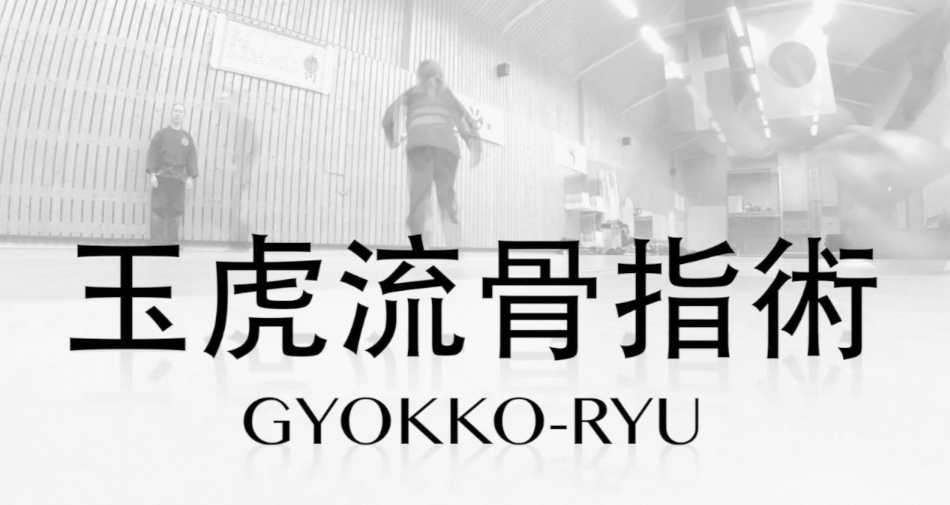
玉虎流 中略の巻
GYOKKŌ-RYŪ CHŪ RYAKU NO MAKI

1. 烏鵲 UJAKU
2. 鯖倒 SEITŌ
3. 挐振 DASHIN
4. 虎落 KORAKU
5. 蜂先 HOSEN
6. 槹 KŌ
7. 獅猿 SHIEN
8. 崩落 HŌRAKU

This is the second Taijutsu level in Gyokko-ryu and a very important if you want to learn the Bujinkan Budo Taijutsu system.

The first two techniques is performed without weapons. The next six the attacker is using a Kodachi (small sword) so that Muto-dori is used. The last two is attacks from behind so you need to make use of the Sakki feeling (killing intention).

Title: Gyokko-ryu Kosshijutsu Churyaku no maki
Instructors: Mats Hjelm
Theme: Gyokko-ryu Kosshijutsu Churyaku no maki
Recorded: Recorded in Norrköping November 15’th 2014

Kind: Apple MPEG-4 movie
Size: 611 614 533 bytes (611,6 MB on disk)
Dimensions: 960×540
Codecs: 3GPP Text, H.264, AAC, Photo – JPEG
Duration: 19:48…

Basic vs Cosmic

From Shiro Kuma's Blog by kumablog

image

Basics are the foundation of your taijutsu and without them you will never develop what sensei calls the  “natural movement”.
One of my friend and student, recently attended a few seminars in another country. He was amazed by two things. First the majority of the teachers were developing beautiful movements with no power and no strength. Then the students were copying these nice movements.
But then he discovered that even though he was not a student of these teachers, his strong basics allowed him to adjust and to understand what was being demonstrated. The other participants on the contrary, and even if they could mimic what was shown, we’re totally unable to get these movements through their own taijutsu.

This cosmic trend in the Bujinkan has been on for some years now,  and we begin to see how bad it impacts the student’s abilities to survive in a fight. The majority of Bujinkan practitioners will be really surprised the day they have to defend themselves with these nice but weak cosmic movements they have been taught at the dôjô and during seminars.

As sensei put it last August, you have to train your strength when you’re young to be able to use the “no strength” at a later and higher stage of your budô development.

Please put some real training back in your budô studies, improve your basics, and create strong foundations before you begin to move at the cosmic level.

Real fight is fierce, it’s not nice. Panic and fear will slow down your brain and your reactions, and when panic comes, only your ingrained basics will give you a chance to survive.

Strong basics are the only thing remaining when the rest is gone. A nice waza studied in the dôjô with a complacent partner will get you killed in a real encounter. “don’t try to apply a waza in a fight, you would lose” said sensei a few times in the last twenty years.

Teachers this is your responsibility. Please teach mainly basics (together with advanced movements) and stop focusing exclusively on the cosmic moves as it will kill your students. Remember that basic moves will eventually turn into cosmic moves, it’s a natural process. Don’t force nature.

If you don’t teach correctly, your students are like lambs entering the butcher shop, and a nice “baa baa” will not stop the butcher from killing them.


…

Bujinkan India

From Shiro Kuma's Blog by kumablog

image

Once again I’m bangalore. On arrival I met with shiva and eugenio at the airport.  The weather is nicer and it’s not too hot. In the next days we will begin our Indian seminars. As always the rhythm is crazy. Today we will review some basics,  and next weekend we will study the Kuki taishô of 2009. New dvd series will be fearless!


…