Back to Panem et Circenses?
From Shiro Kuma by kumablog
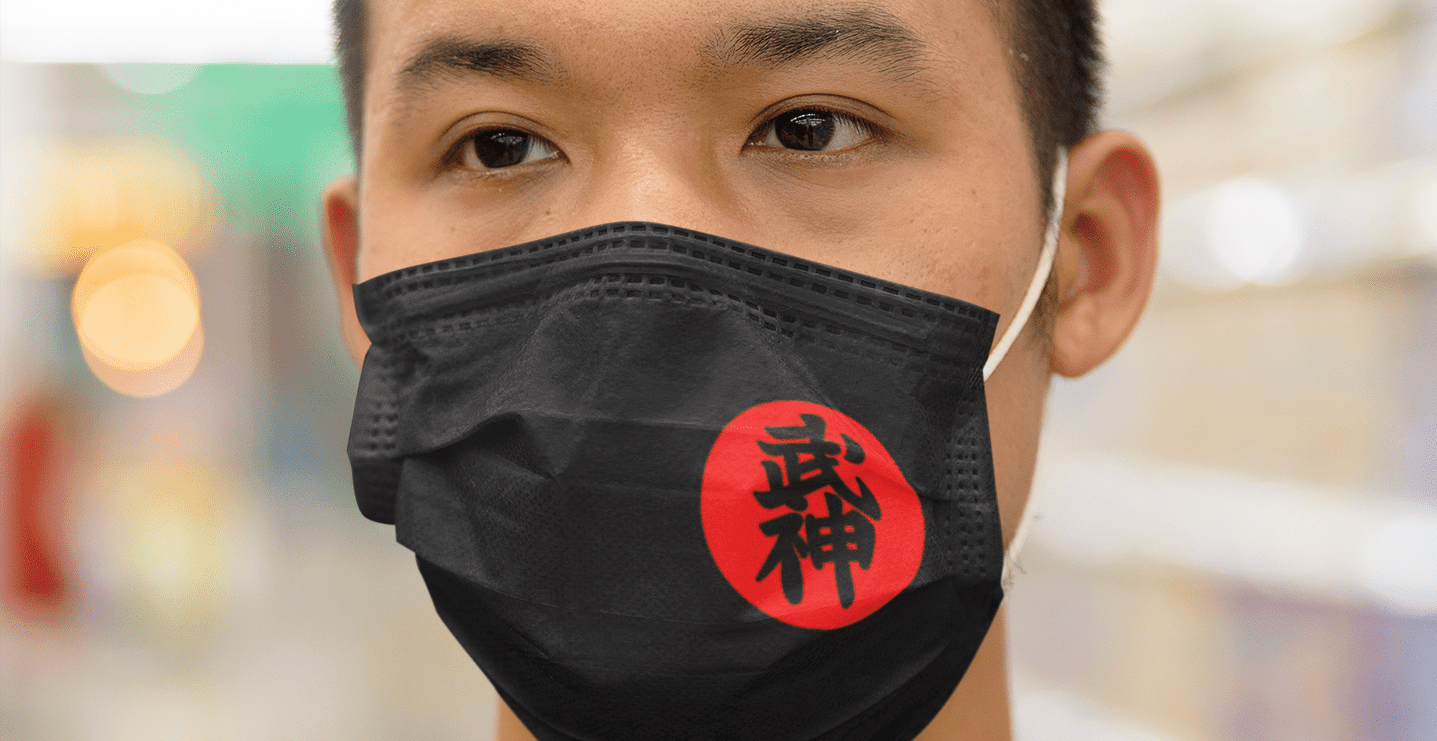 Are we Back to “Panem et Circenses,” the times of “Bread and Circuses” as exposed by Juvenal around two centuries before our time? It looks like it! (1)
This metonymy by Juvenal, a Roman satirical poet, was to show a population’s erosion, or ignorance, of civic duty as a priority. If people have enough food and enough entertainment, they don’t see their (civic) duty as a priority. That is what is happening today with the pandemic.
This world pandemic is impacting our daily lives in a way that no one could have predicted. Whether you believe in it or not, is irrelevant here. What is not, is how we react when facing a situation like this.
I see the pandemic as an opportunity for humans to change, adapt, and develop new behaviours. And what I see is different. We are moving backwards, not forward. While the world is changing fast, our actions are still pre-COVID ones.
Let me give you some examples. A majority of humans have now to wear masks. In a few weeks, it became a regular piece of clothing. Every day, millions of people on the planet are saying “Oh no, I forgot my mask again!”
When we did not have them, people were demanding more masks. Now masks are mandatory, and we have enough. And the same people are complaining again. They protest against the government because they feel their freedom is in danger. There is no logic.
What the Bujinkan teaches is to learn how to survive. It is not about judging others, and I am not trying to. But the pandemic forces our Society, as a whole, to evolve. That is why people’s expectations of “bread and circuses” are not helping. Being reluctant to change is not new.
A long time ago in Mesopotamia, the Sumerian put up the bricks of our civilization. (2) They were the first to invent writing. But when they decided to change the way of writing, things didn’t go without protests. (3) (4)
When the Portuguese landed in Japan in 1543, they were the first Europeans to set foot on the islands. (5) They brought the first set of muskets with them. That was a significant change for the traditional Samurai who rejected this new weapon. Fast forward, in October 1600, Tokugawa unifies the country with brilliant strategy and firearms. Traditionalists lost because they refused to change. Change is happening, and to survive, we must adapt to it, not reject it.
When Emperor Meiji got his power back at the end of the 19th century, he was breaking a rule dating back to 1185. That was not easy, but he did it. The famous Yamaoka Tesshu was also a man of change. (5)
The examples above show that change has to be accepted. Change is permanent and natural. When you refuse it, you stay locked in the past. If we have to wear masks today, it is not to lose our freedom, but to stay alive.
And if you think the pandemic is not real and reject the mask, you make other people nervous. If you don’t do it for yourself, you can do it for your fellow humans.
Personal freedom is vital for humans. It is not in danger because of a mask, some handwash, and social distancing. That is our civic duty to follow and respect the rules so that the majority can be or feel happier. As a Bujinkan member, my goal is to go with the flow, not to fight it. I suppose you are not interested in the immediate rewards of “Panem et circenses.” Because if you are, you might be betraying the Bujinkan teachings of Hatsumi Sensei. Is it what you want?
______________________________
1. Bread and circuses
2. Sumerians were counting in base 12, which is the reason why we measure time in multiples of 60. That is why there are 12 houses in the Zodiac.
3. The Sumerian people invented writing. They wrote from right to left and from up to down. Then a few thousands of years later the Akkadians, changed it to write on paper the same way we do.
4. https://en.wikipedia.org/wiki/Cuneiform
5. https://en.wikipedia.org/wiki/Japan%E2%80%93Portugal_relations
6 We covered the life of Yamaoka Tesshu and his achievements earlier on this blog.
7 More on Yamaoka Tesshu https://en.wikipedia.org/wiki/Yamaoka_Tessh%C5%AB
GET YOUR MASK FOR TRAINING HERE
KYU DAN SHIDOSHI JUDAN DAISHIHAN…