Skip to content

忍の朝の儀式: Ninja Morning Rituals

From 武神館兜龍 Bujinkan Toryu by Toryu

忍の朝の儀式: Ninja Morning Rituals

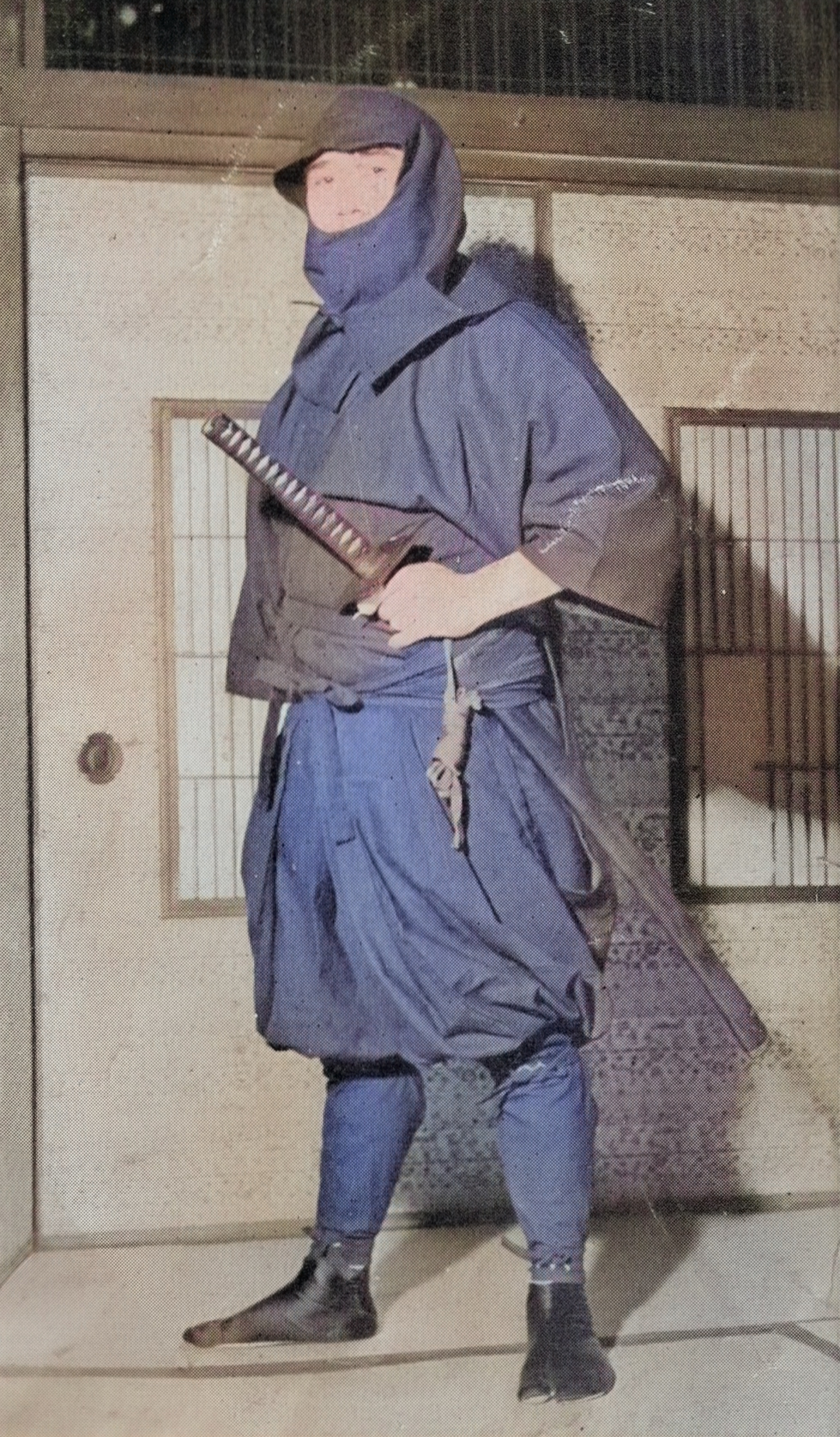
Ninja morning rituals are fascinating practices rooted in ancient Japanese traditions that combine physical discipline, spiritual focus, and esoteric techniques. These routines were designed to empower practitioners with clarity, strength, and divine protection, often invoking deities like 摩利支天 Marishiten, a guardian of light, prosperity, and invisibility.

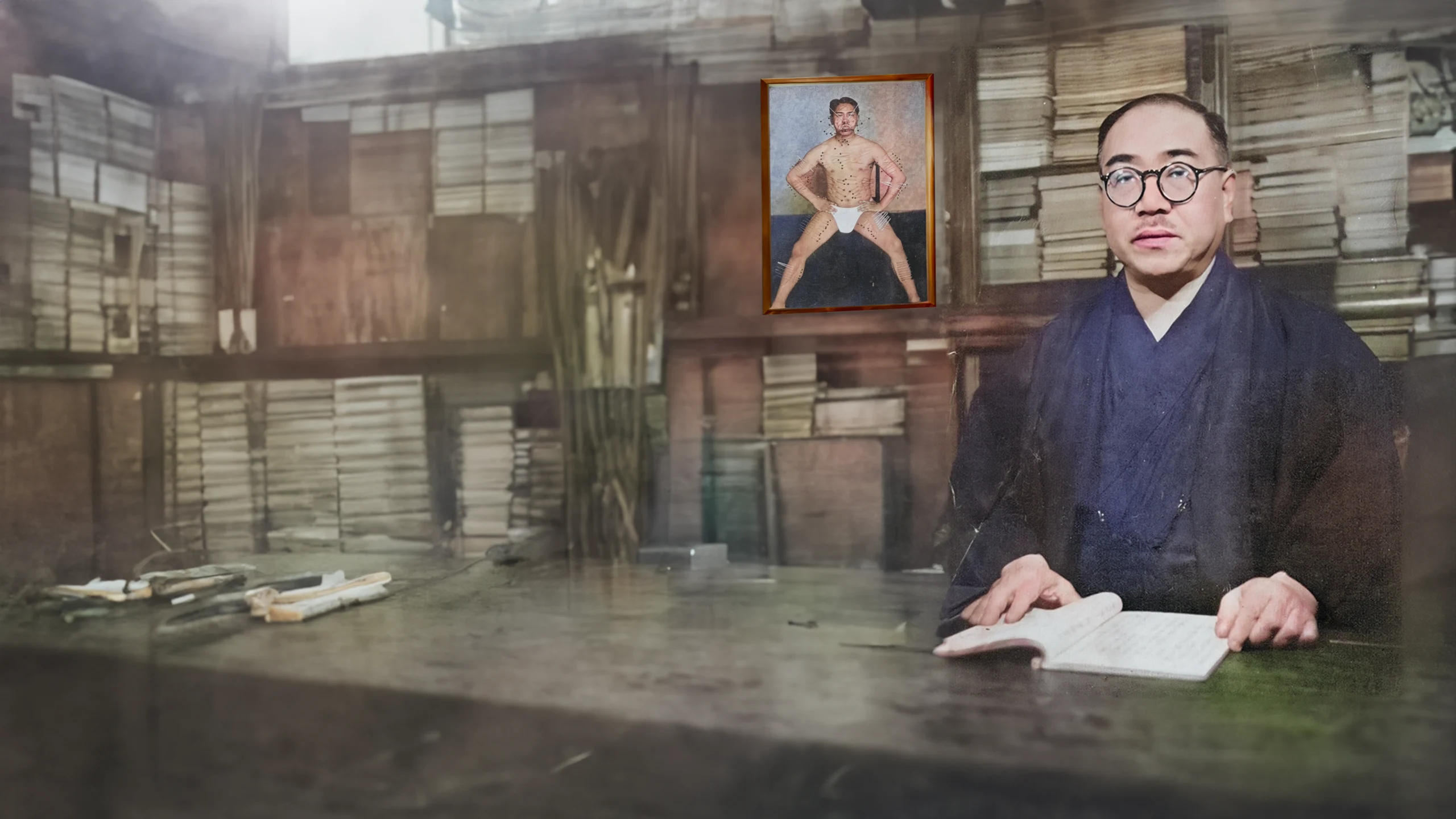
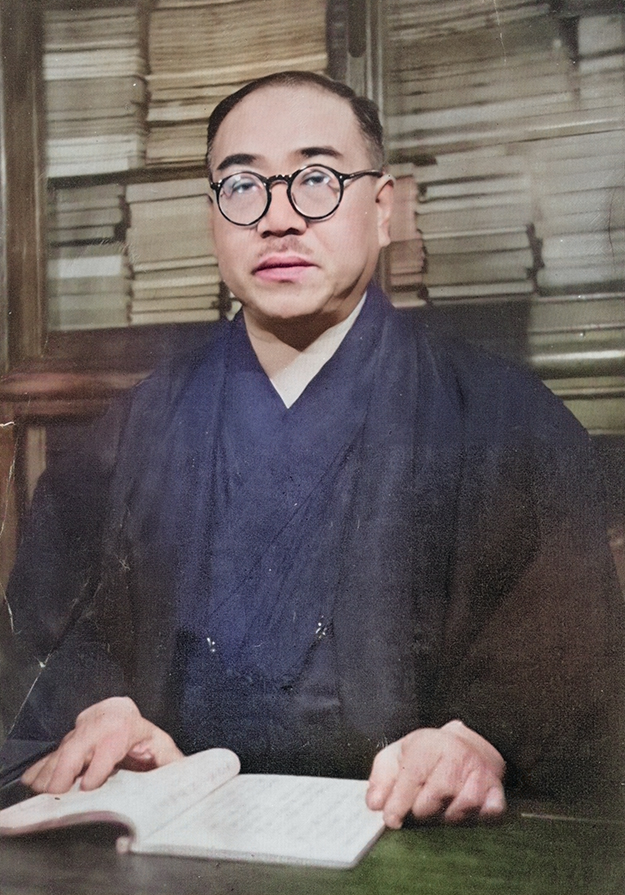
Takamatsu Sensei’s Daily Discipline

In a 1966 article published in 武道春秋 (Budo Shunju Magazine) titled Shinden Shura Roppō , Takamatsu Sensei shared his daily morning ritual:

  • He went to bed by 9 PM every night.
  • At 6:30 AM, he performed a cold water massage , a practice he maintained for 40 years without fail. This contributed to his remarkable health and resilience, ensuring he never fell ill.

As a Dai-Ajari head priest in Kumano Shugendo, Takamatsu Sensei likely incorporated prayer or meditation into his routine. The title of Dai-Ajari is reserved for those who complete extreme endurance feats, such as the Ōmine Sennichikaihōgyō (one-thousand days of trekking on Mt. Ōmine) and the Shimugyō (nine days without food, water, sleep, or rest).

Hatsumi Sōke once mentioned receiving the same Mikkyō rank as Takamatsu Sensei during training at the Honbu Dojo. While unclear if he attained the title “Dai Ajari,” this highlights their shared commitment to spiritual and physical mastery.

For Shimugyō, preparation is key. Practitioners must follow precise dietary guidelines months in advance to survive the nine-day fast. Adherence to these instructions ensures survival despite the body’s typical limitations.


Kuji Goshin Hō: A Ninja Morning Rituals Routine from 1812

The 九字護身法 (Kuji Goshin Hō) , documented by Gyochi in 1812, outlines a morning ritual performed immediately after waking:

  1. Wash your hands, face, and mouth with water to purify yourself.
  2. Face north and exhale forcefully to expel 濁気 (Dakuki), or unclean spirit.
  3. Turn to face east , open your mouth, and take three deep breaths to absorb fresh, clean energy.
  4. Clack your teeth together 36 times , matching the rhythm of your relaxed pulse. This helps the spirit descend into your body and calms the mind.

Kuji Hiden: An Ancient Practice Linked to Marishiten

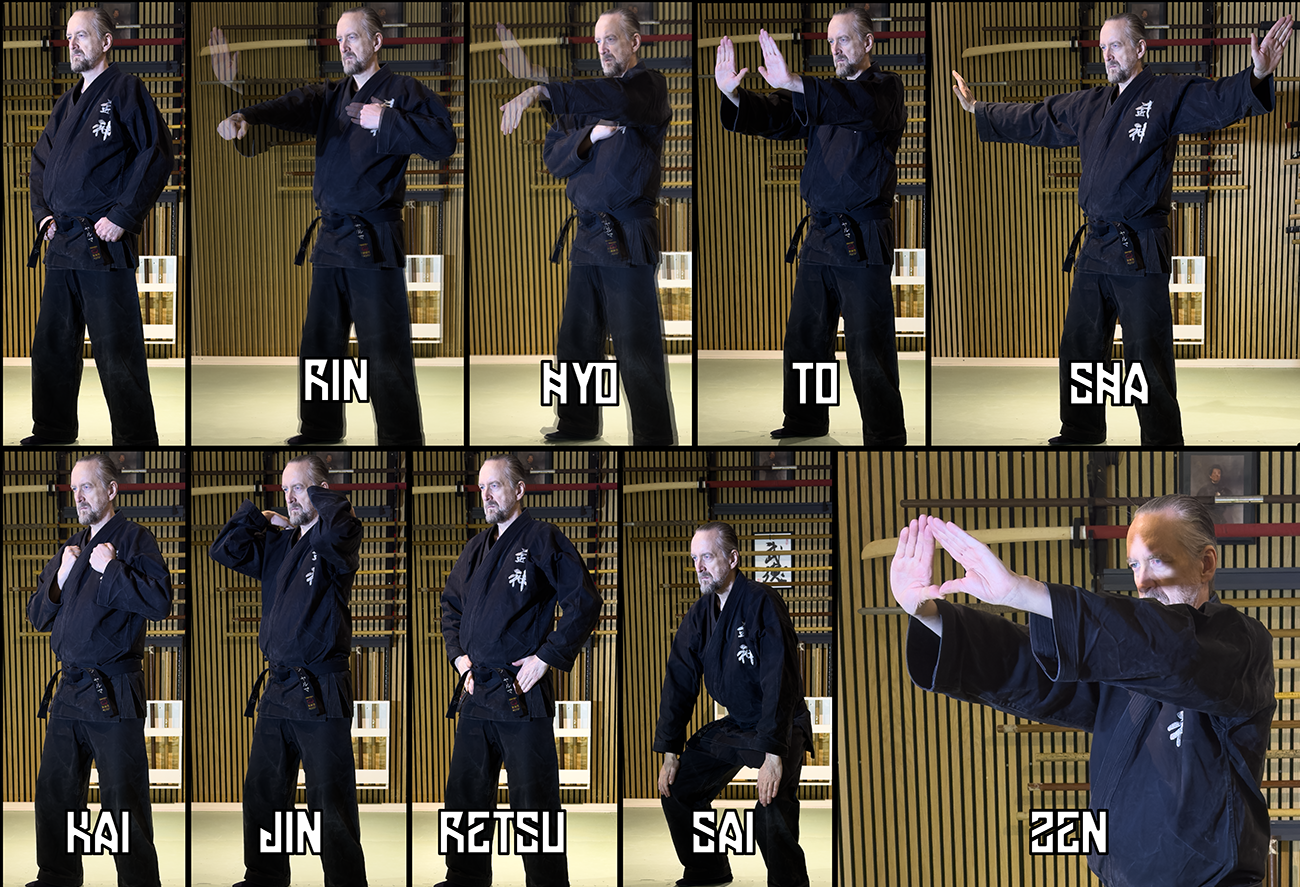
Another morning routine, described in 九字秘傳 (Kuji Hiden) by 宮井安泰 (Miyai Yasutai) in 1787, traces its origins back to 太公望 (Taikōbō) “Grand Duke Wang” (also known as 姜子牙 Jiang Ziya, 1128–1015 BCE), who taught the fundamentals of Kuji to his students. This practice involves facing the rising sun and performing specific hand gestures while chanting incantations:

Face the first rays of sunrise (or the eastern ridge-line in the mountains, or the horizon in flatlands).

  1. Place your left palm on your chest and extend your right hand forward, palm down. Curl your fingers as if beckoning someone and chant RIN .
  2. Place your right hand above your heart and extend your left hand forward. Lower your left hand, curl your fingers, and chant HYŌ .
  3. Turn your palms forward at chest height and chant .
  4. Move your palms to the left and right sides and chant SHA .
  5. Close your hands into fists and press them to your chest while chanting KAI .
  6. Touch both shoulders with your fingers and chant JIN .
  7. Place both palms on your hips and chant RETSU .
  8. Put both palms on your knees and chant ZAI .
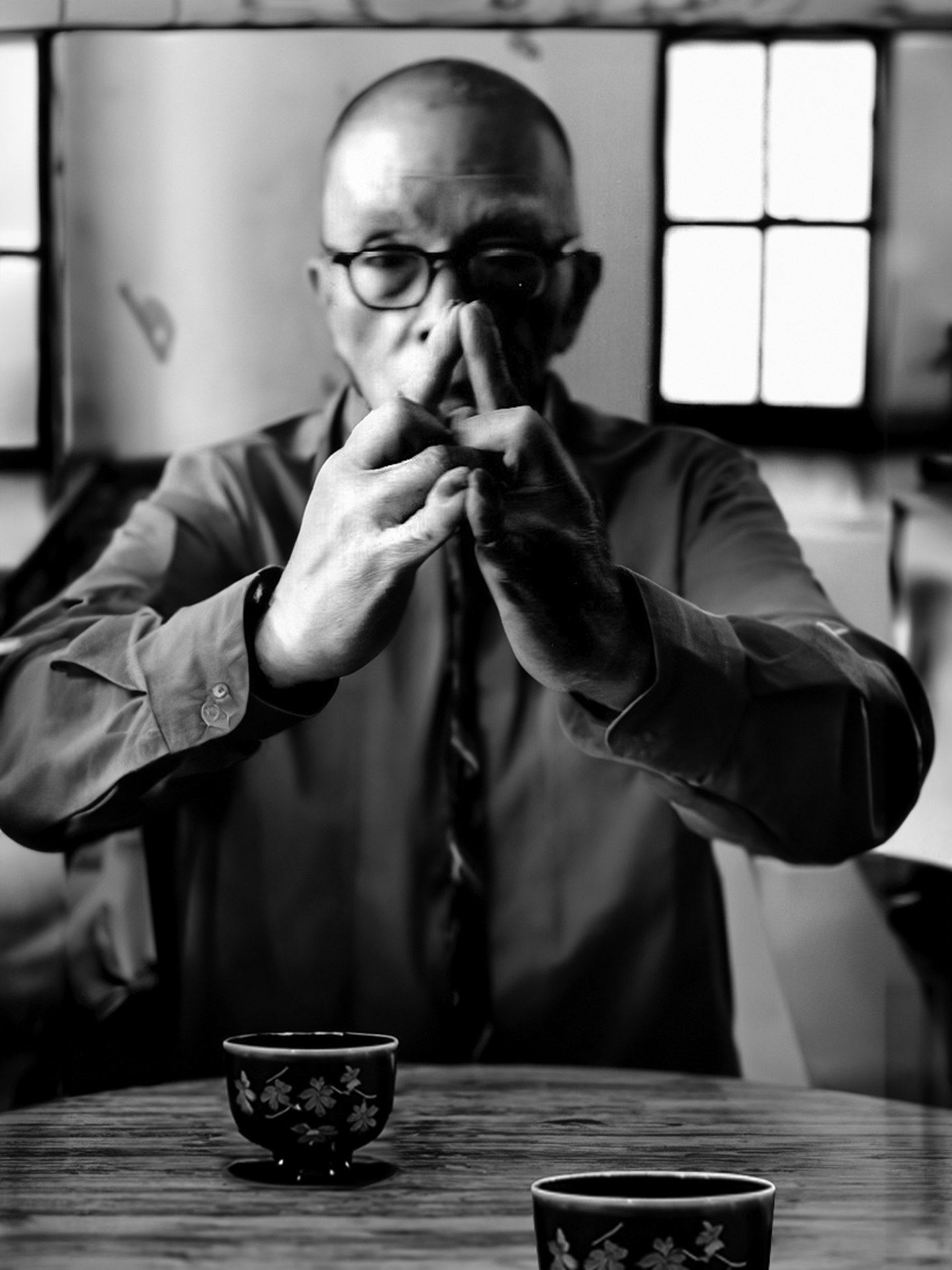
  9. Raise your palms to form 斗衝 (Dozu)—a triangle shape with your thumbs and index fingers—and chant ZEN .

The Role of Marishiten in Warrior Practices

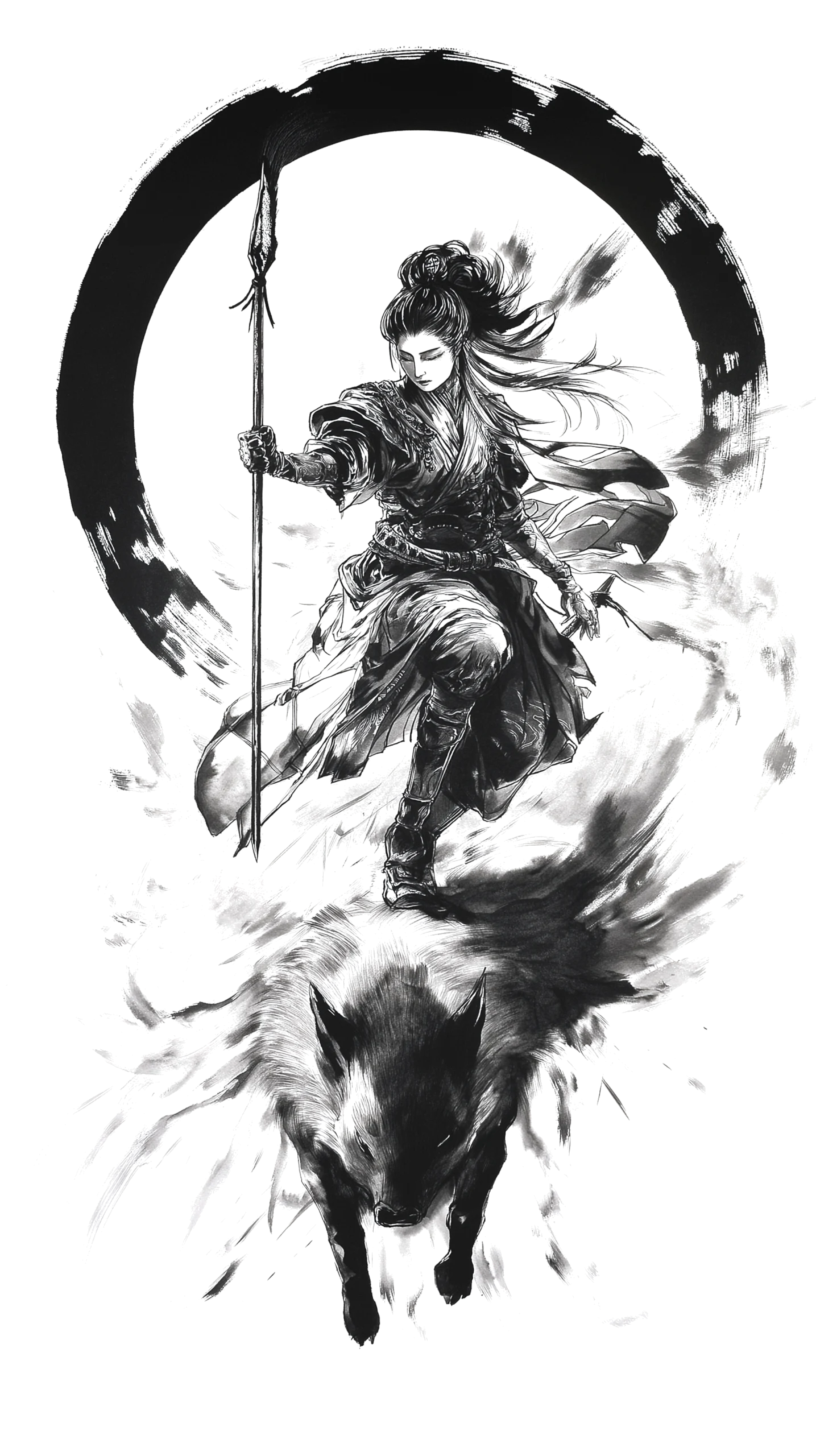
摩利支天 (Marishiten) is a revered deity in Japanese warrior culture, symbolizing light, protection, and prosperity. Warriors practiced Marishiten-hō , invoking her/his power for:

  • Invisibility in battle : To evade enemies.
  • Victory and success : By illuminating their path and guiding them.
  • Wealth and good fortune : Beyond martial contexts.

Staring at the sunrise was a symbolic act of connecting with Marishiten’s radiant energy. This practice reflects the deep spiritual connection between warriors and celestial forces, emphasizing harmony with nature and divine empowerment.

The post 忍の朝の儀式: Ninja Morning Rituals appeared first on 武神館兜龍 Bujinkan Toryu.…
高木折右衛門物実録 Legacy of Takagi Oriemon: Budō Shiraishi Ei Manuscripts and Takagiyōshin-ryū

From 武神館兜龍 Bujinkan Toryu by Toryu

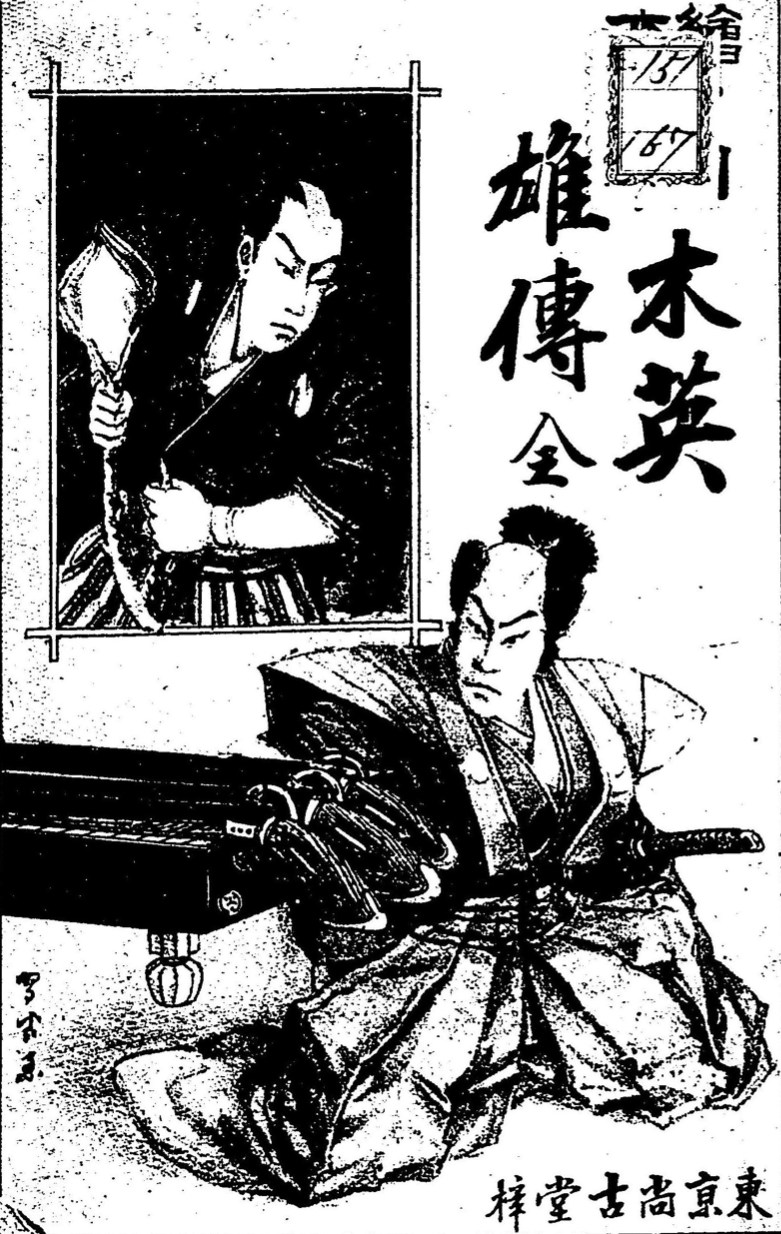
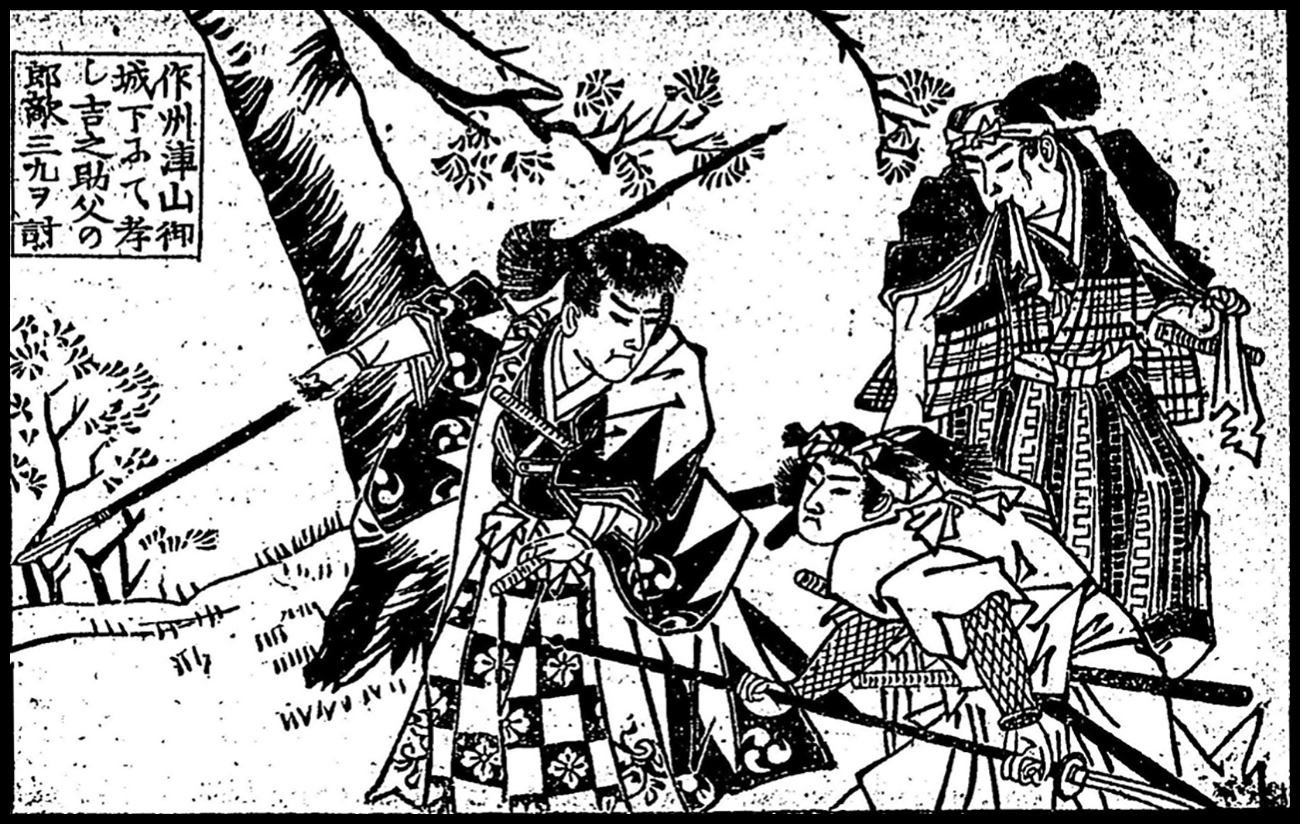
Takagi Oriemon Shigenobu—a revered samurai of the Shiraishi domain during the Edo period and the co-founder of Takagiyōshin-ryū with his son—is immortalized through a fascinating series of manuscripts. These works, collectively referred to as Budō Shiraishi Ei (“Martial Tales of Shiraishi”), document his Musha Shugyō (warrior’s pilgrimage) and reveal an intricate web of historical, cultural, and martial growth. This article explores the development and variations of these manuscripts, uncovering how Takagi’s legacy, including the founding of Takagiyōshin-ryū, was shaped over centuries.


Overview of Budō Shiraishi Ei and Takagi Oriemon

The core narrative of Budō Shiraishi Ei revolves around Takagi’s adventures as he journeyed across Japan, honing his skills and imparting lessons. Initially penned by Mamiya Hyoemon—a retainer of the Katakura family who served as the lords of Shiraishi Castle—the manuscripts underwent numerous reproductions and expansions. Early texts focus on Takagi’s personal strength and moral character, while later versions elaborate on his philosophical teachings and broader socio-cultural themes. Takagi’s martial philosophy ultimately culminated in the founding of Takagiyōshin-ryū alongside his son, ensuring the continuity of his techniques and teachings.

Key Manuscript Variants of Budō Shiraishi Ei

Researchers have identified multiple manuscript versions, divided into two main categories: existing texts (kijutsu-bon) and newly discovered texts (shinshutsu-bon). The most notable versions include:

1. The Katakura Family Manuscript

  • Title: Budō Shiraishi Banashi
  • Format: 10 scrolls in 5 volumes
  • Key Features: The foundational text focusing on Takagi’s deeds as recounted by Mamiya Hyoemon.
  • Significance: Served as the basis for subsequent reproductions.

2. Ryukoku University Library Manuscript

  • Format: Single-volume edition
  • Copyist: Mizuno Katsuhide (associated with the Moonlight Pavilion)
  • Classification: Known as the “Hei Version” (Hei-bon).
  • Details: Features stylistic enhancements with minimal content variation.

3. Miyagi Prefectural Library Edition

  • Format: 15 scrolls in 3 volumes
  • Classification: “Otsu Version” (Otsu-bon).
  • Traits: Retains close fidelity to the Katakura family manuscript, with slight editorial refinements.

4. Newly Discovered Texts (Shinshutsu-bon)

These include significant additions to the original narrative, incorporating extensive character arcs and thematic developments:

  • Waseda University Manuscript: Features 30 volumes with front and back sections.
  • National Diet Library Version: Expanded to 45 scrolls, spanning three sections.
  • Sakata Mitsuo Library Manuscript: Comprises 50 scrolls and introduces supplemental material.

Themes and Content Evolution in Budō Shiraishi Ei

Takagi Oriemon Heroic Strength and Moral Integrity

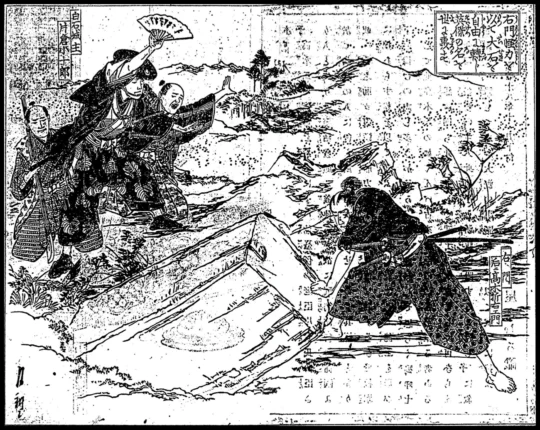
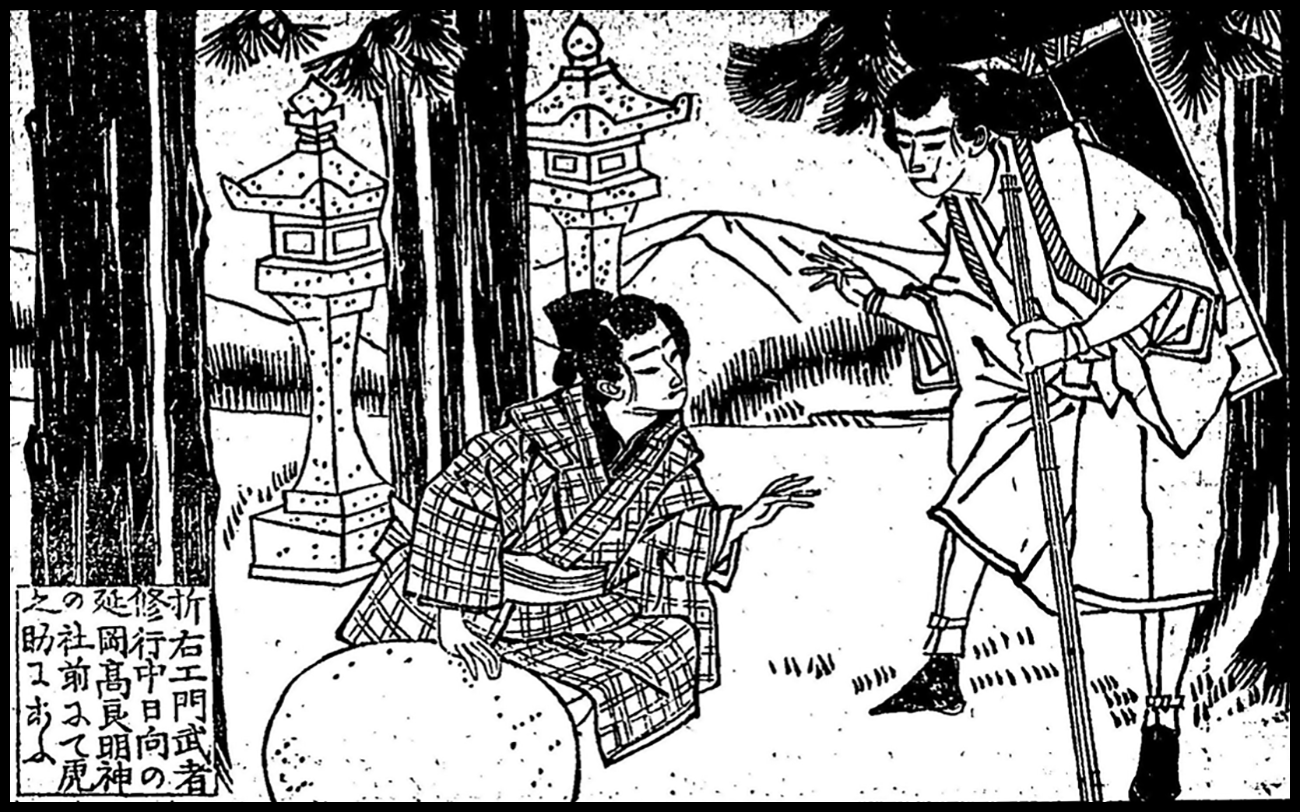
The earliest versions of Budō Shiraishi Ei emphasize Takagi’s extraordinary physical prowess and his role as a compassionate leader. Stories such as lifting massive stones and assisting troubled villagers resonate with themes of chivalry and self-restraint.

Transmission of Samurai Values and the Roots of Takagiyōshin-ryū

Later texts delve into Takagi’s philosophical insights, including the teachings he passed down to his successors, such as the principle of humility embodied in the phrase “Takagi wa kaze ni taoru” (“The Takagi falls to the wind”). These teachings laid the foundation for Takagiyōshin-ryū, a martial art that emphasized adaptability, resilience, and moral discipline.

New Characters and Expanded Narratives

The shinshutsu-bon editions introduce dynamic subplots involving Takagi’s apprentices, like Toramatsu. These texts elevate his journey into a broader allegory for perseverance and the transmission of samurai ethics.


Research Insights into Budō Shiraishi Ei Manuscripts

Recent studies, such as those by Ogihara Daichi, provide a comparative framework for understanding the development of these manuscripts. While the kijutsu-bon editions prioritize historical fidelity, the shinshutsu-bon versions reflect the Edo period’s evolving literary tastes, incorporating dramatic embellishments to cater to a wider audience.

Conclusion: The Legacy of Takagi Oriemon and Takagiyōshin-ryū

The enduring appeal of Budō Shiraishi Ei lies in its dual identity: a historical record and a literary masterpiece. From the Katakura family’s archives to the expansive adaptations of the shinshutsu-bon, these manuscripts offer a window into the life of Takagi Oriemon Shigenobu and the cultural zeitgeist of Edo-period Japan. Moreover, the founding of Takagiyōshin-ryū alongside his son ensured that Takagi’s martial legacy would thrive for generations.

By tracing the evolution of these texts, we not only preserve the legacy of a remarkable samurai but also enrich our understanding of Japanese martial history and storytelling traditions.


Explore the fascinating history of Takagi Oriemon Shigenobu and the origins of Takagiyōshin-ryū by delving into the archives of Budō Shiraishi Ei. Each manuscript version provides a unique lens on this iconic figure’s life and the spirit of the times.

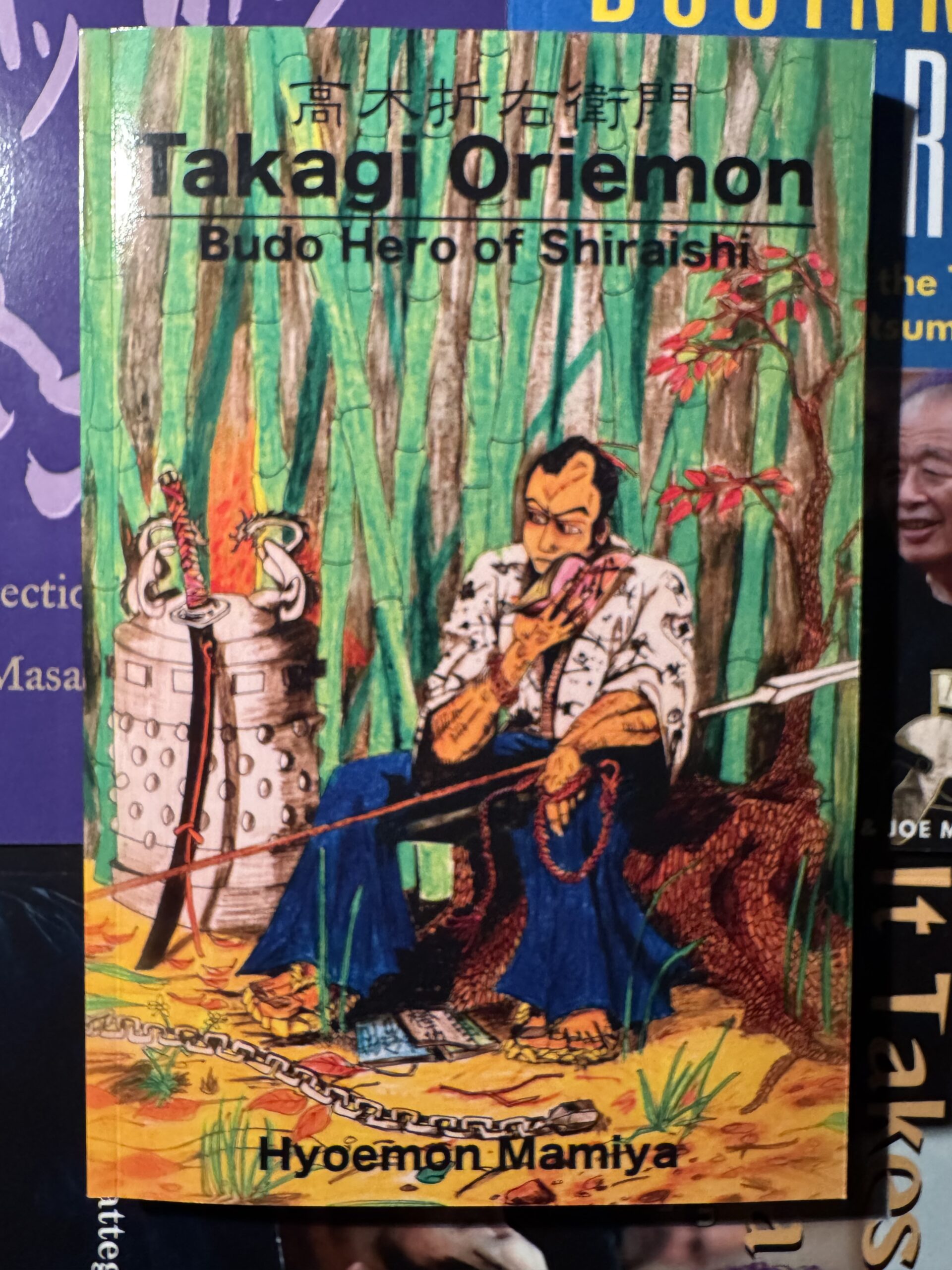
Eric Shahan’s translation is noted for its clarity and dedication to preserving the original intent of the manuscript. Readers appreciate the detailed explanations and the cultural context provided, which make the historical content accessible to modern audiences. The memoir offers valuable perspectives for martial artists, historians, and enthusiasts of Japanese culture, shedding light on traditional practices and the evolution of martial arts in Japan.

Overall, the book serves as a significant resource for those interested in the depth and history of Japanese martial traditions.

The post 高木折右衛門物実録 Legacy of Takagi Oriemon: Budō Shiraishi Ei Manuscripts and Takagiyōshin-ryū appeared first on 武神館兜龍 Bujinkan Toryu.…
The Holland Taikai 1996: A Historic Bujinkan Seminar

From 武神館兜龍 Bujinkan Toryu by Toryu

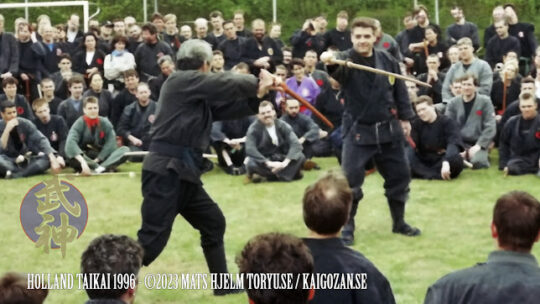
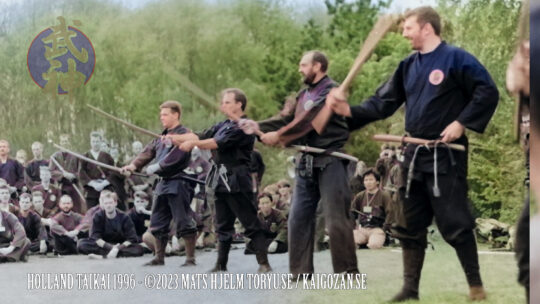
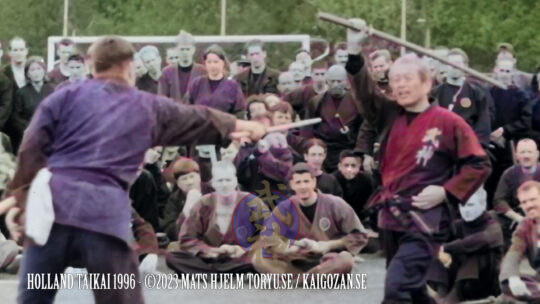
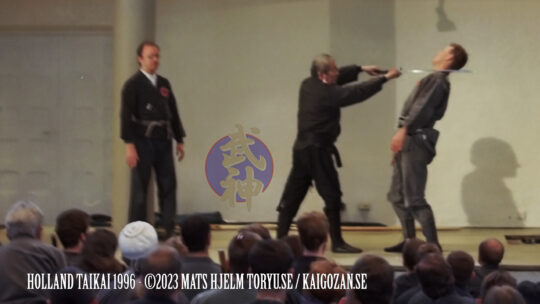
In May 1996, the serene coastal town of Noordwijkerhout in the Netherlands became the epicenter of a martial arts milestone: the Holland Taikai 1996. Over three days, martial artists from across the globe gathered to train under the legendary Masaaki Hatsumi, the 34th Sōke of the Togakure-ryū and founder of the Bujinkan organization. Organized by Mariette van der Vliet, the seminar’s theme was Kukishin-ryū Kenjutsu, the art of the sword. This event was not just about techniques—it was a celebration of adaptability, survival, and the spirit of Budō.

Setting the Stage: A Journey to Mastery

The Holland Taikai 1996, Kiriage

The preparation for the Holland Taikai 1996 began long before Hatsumi Sensei arrived in the Netherlands. His teaching philosophy for the year centered on Kukishin Biken Jutsu, an intricate and profound swordsmanship tradition. In April 1996, a few weeks prior to the Taikai, Hatsumi Sensei conducted an impromptu outdoor training session in Noda, Japan. He called on a select group of students, including Arnaud Cousergue, to train in the dirt outside his home.

During this session, Hatsumi Sensei emphasized the essence of Nuki Gatana (sword drawing) and the principle that form should never restrict function. He famously said:

“When things get real, do whatever you have to stay alive. Ninpō is only about surviving. Form doesn’t matter. Everything is possible.”

This philosophy would become a cornerstone of the teachings during the Holland Taikai.

The Holland Taikai: A Three-Day Immersion

The Holland Taikai 1996, Iainuki

From May 16 to 18, 1996, Noordwijkerhout witnessed an influx of martial artists eager to learn. Hatsumi Sensei’s sessions were renowned not only for their technical depth but also for the atmosphere of camaraderie and discovery they fostered.

Day One: The Sword’s Edge

The seminar began with a focus on the foundational techniques of Kukishin-ryū Kenjutsu. Participants practiced precise Nuki Gatana movements, emphasizing timing, positioning, and adaptability. Hatsumi Sensei encouraged students to transcend rigid forms and embrace creative application.

He explained:

“Respecting the Waza as a beginner is mandatory. But as you grow, rules are made to be broken. Adjust, adapt, and survive.”

Day Two: The Dimensions of Training

The Holland Taikai 1996, Iai Jodan

Building on the first day’s principles, Hatsumi Sensei introduced the concept of three dimensions in Budō training:

  1. Nijigen no Sekai (Two-dimensional world): Techniques practiced in a linear or planar fashion.
  2. Sanjigen no Sekai (Three-dimensional world): Expanding movements to include lateral shifts and spatial awareness.
  3. Yūgen no Sekai (Invisible dimension): The psychological and intuitive aspects of combat, where movements transcend physical limitations.

Through these teachings, students began to see Kukishin Biken Jutsu as more than a martial art—it was a system of infinite possibilities.

Day Three: The Invisible Path

The Holland Taikai 1996

The final day highlighted the philosophical aspects of Budō. Hatsumi Sensei shared insights into Tama, the sphere, a central concept in Japanese martial arts representing the integration of all dimensions into a cohesive whole.

Participants left with a deeper understanding that martial arts are not confined to physical techniques but are a lifelong pursuit of balance and adaptability.

Cultural Immersion and Reflection

Hatsumi Sensei’s visit to the Netherlands extended beyond the dojo. His observations during the trip added a unique cultural dimension to the event. He reflected on the country’s maritime history, symbolized by the “Tower of Tears,” where sailors’ loved ones bid them farewell. He also remarked on the Dutch people’s prowess in sports like judo and cycling, noting the nation’s emphasis on leg strength and endurance.

In an article written after the event, Hatsumi Sensei shared:

“The Netherlands is a country of Judo, isn’t it? There is a wonderful Judoka, Mr. Heesing, who speaks passionately about Judo. The mystery of Judo lies in how a smaller person can overcome a larger one—a concept deeply rooted in respect and essence.”

Key Takeaways from the Holland Taikai

  1. Adaptability is Survival
    Hatsumi Sensei’s teachings emphasized that martial arts are not rigid but fluid. In real-life scenarios, survival depends on one’s ability to adapt and innovate beyond traditional forms.
  2. Understanding Dimensions in Training
    The progression from two-dimensional to invisible dimensions in Kukishin-ryū Kenjutsu underlined the importance of mastering fundamentals before exploring creative freedom.
  3. Cultural Exchange
    The Taikai was not only a martial arts seminar but also a bridge between Japanese and Dutch cultures, enriching participants’ perspectives on life and combat.

A Legacy That Lives On

The Holland Taikai 1996 remains a pivotal moment in the history of the Bujinkan. It demonstrated the universal appeal of Budō and its ability to transcend cultural and geographical boundaries. Hatsumi Sensei’s teachings during the seminar continue to inspire martial artists to this day, reminding them that:

“Everything is always possible.”

This philosophy, rooted in the principles of survival and adaptability, is as relevant now as it was during the Taikai.


The post The Holland Taikai 1996: A Historic Bujinkan Seminar appeared first on 武神館兜龍 Bujinkan Toryu.…
Put Your Heart and Soul into Consistent Martial Training

From 武神館兜龍 Bujinkan Toryu by Toryu

My master often spoke of his teacher’s belief in the importance of consistent martial training. He shared stories of his teacher’s journey, how he devoted himself to a level of practice that went beyond physical skill to shape his spirit and mind. Much like traditional Kabuki actors who sustain their roles off-stage, his master insisted that training be an integral, daily practice. As martial artists, my master’s teacher would say, we must embrace Bufu Ikkan, or “consistent warrior living.” This was his core lesson: never give up. Keep going.

Early Years: Devotion Beyond Normal Limits

In his early days of training, my teacher was determined to achieve greatness. He threw himself into physical practice three times harder than other students. He put in three times the mental focus and invested three times the resources to gain the wisdom he needed. Through this intense devotion, he became very strong.

But as he grew in strength, he felt a strange weakness arise. This new vulnerability troubled him deeply, and despite his efforts, he couldn’t identify its cause. Yet, he trusted his training and continued, confident that the martial tradition itself would bring clarity.

The way of the warrior is the resolute acceptance of death.” — Miyamoto Musashi

The Challenge of Illness: A Test of True Strength

One day, my master faced a powerful enemy—illness. It left him weak, even struggling to stand. At times, he couldn’t see. For five years, he endured this trial, and the demands of his illness made him feel that giving up might be easier than living. It was here that he discovered his past strength had been an illusion. His power depended on his health; as his health declined, so did his strength.

True strength, he learned, must go beyond physical condition. Strength that fades in hardship is merely temporary. So, even in his weakened state, he continued training however he could. Slowly, he began to regain his health.

One must polish one’s heart daily, like a sword.” — Yagyū Munenori

Adapting Training to Life’s Changes

Looking back, he realized that consistent martial training had carried him through his years of illness. He had adapted his training to fit his limited energy and discovered that training must evolve with life’s stages. He learned that young warriors train intensely, while older ones need a more focused approach. Even illness has its own form of training, and facing death is the final training of a warrior.

True strength, my master would say, comes from matching our training to our current reality. Training adapted to life stages becomes a source of lasting, resilient strength.

The wise warrior avoids the battle; when he must fight, he fights only to win.” — Tsunetomo Yamamoto

Rethinking Strength

After years of illness, my master understood that true power goes beyond the physical. It doesn’t depend on speed or brute force. Instead, he came to value “natural and fitting technique”—a strength that flows with nature and conditions, not against them. In doing so, he found a higher, adaptive strength beyond what traditional martial arts schools might teach.

Pushing Through Difficult Periods

My teacher knew martial artists often face times when techniques seem impossible, and training becomes frustrating. He taught that these periods of struggle are crucial. Like a snake shedding its skin, we too must experience discomfort to grow. This “molting period,” as he called it, can tempt martial artists to look elsewhere for easier techniques. Yet, he advised against these distractions, saying they’re a temporary escape, not a solution.

However, he also cautioned that not everyone is suited to master every art. Sometimes, a goal may simply not fit, and one may need to reevaluate their path. But for those who feel a true calling, consistent martial training will provide growth beyond these challenging phases.

The Power of Sincere Commitment

My master always taught that true training requires a pure, sincere heart, not just an accumulation of techniques. Training without self-awareness produces only a scholar, a “walking catalog of techniques” without heart. Only those who commit deeply and consistently will discover the true essence of martial arts and gain the lasting strength that lies beyond technique.


Footnotes:

  1. Bufu Ikkan (武風一貫) – A phrase meaning “consistent warrior living.” Bufu refers to “martial wind” or warrior spirit, while Ikkan means “one path” or consistency.
  2. Kabuki (歌舞伎) – A classical Japanese dance-drama where male actors take all roles, embodying their characters on and off the stage.
  3. Shudan (修鍛) – Represents lifelong training, blending 修 (discipline or cultivation) and 鍛 (forging or tempering).
  4. Netsu (熱) – Meaning “heat” or “passion,” representing one’s enthusiasm and fervor in training.
  5. Nekki (熱気) – A combination of “heat” (netsu) and “spirit” (ki), symbolizing energetic presence and intensity in practice.

The post Put Your Heart and Soul into Consistent Martial Training appeared first on 武神館兜龍 Bujinkan Toryu.…
Passion as the Source of Training Motivation

From 武神館兜龍 Bujinkan Toryu by Toryu

In martial arts, passion as the Source of Training Motivation. This “heat of passion” transforms training from a mechanical repetition of techniques into a journey toward mastery. Without this energy, your training can stagnate, failing to reach the true essence of the art. Just as iron loses its potential when it cools before being fully forged, a martial artist loses purpose without the fire of passion.

Heat and Spirit in the Training

In Japanese, “heat” (netsu) connects to numerous words that reflect the intensity required to master any art form. Nesshin (熱心) represents “enthusiasm” or “spirit fueled by heat”; nekkyo (熱狂) signifies “excitement”; and netsuretsu (熱烈) translates as “passionate.” These words reveal how essential fiery intensity is when shaping or transforming anything, including a martial artist. Each training session becomes an opportunity to cultivate this heat, constantly working on weaknesses and enhancing strengths. The cycle of passion and perseverance propels personal growth.

The path is simple; it is the heart that makes it difficult.” — Anonymous samurai proverb.

Mastery Through Passion: Attaining the Gokui

Martial arts contain a concept known as the Gokui (極意), which translates as “mastering the secrets.” These secrets are often found in ancient scrolls, written in language that obscures their meaning to prevent uninitiated readers from accessing them. They may seem simple, but understanding how to apply these teachings requires time and experience. For example, the formula for calculating a circle’s circumference (C = πD) seems straightforward, yet immense effort and insight were needed to discover it. Similarly, in martial arts, knowing techniques or kata alone isn’t enough. The secrets lie in how these insights connect and transform practice into understanding.

The man who has attained mastery does not hold on to fixed forms.” — Takuan Sōhō.

Levels of Mastery in Martial Lineages

In authentic martial traditions, growth continues beyond any predefined endpoint. My teachers teacher, Toshitsugu Takamatsu, imparted four levels of mastery: Shoden (初伝), “beginning transmission”; Chuden (中伝), “middle transmission”; Okuden (奥伝), “inner transmission”; and finally Kaiden (皆伝), or “total transmission.” These levels guide students from basic skill to complete understanding of the lineage’s training method. From there, the practitioner must pursue personal mastery.

Each level serves as a foundation for deeper insights and techniques, yet mastery remains an ongoing journey.

Mastery is not a goal but a journey, a path never fully traveled.” — Yagyū Munenori.

Training Without Limit: Beyond Techniques

People often ask how many techniques a martial artist knows, as if mastery were a checklist. But in living martial traditions, it’s not the number of techniques that matters—it’s how passion guides you to apply and internalize them. 武風一貫 Bufu Ikkan, or consistent and earnest training, surpasses the memorization of techniques alone. Memorization doesn’t lead to mastery; only a deep-rooted passion can transform knowledge into skill and skill into enlightenment.

Footnotes

  1. Netsu (熱) – Kanji for “heat,” representing the essential force behind enthusiasm, ardor, and passion.
  2. Nesshin (熱心) – Combination of netsu (熱, heat) and shin (心, spirit or heart), meaning “enthusiasm.”
  3. Gokui (極意) – Means “mastering the secrets”; goku (極) for “extreme” and i (意) for “intent or meaning.”
  4. Bufu Ikkan (武風一貫) – Means “consistent observation of martial wind or tradition.”
  5. Shoden (初伝) – “Beginning transmission,” with sho (初) meaning “first” or “beginning,” and den (伝) meaning “transmission.”

The post Passion as the Source of Training Motivation appeared first on 武神館兜龍 Bujinkan Toryu.…
Solo Training, don’t forget it – A Vital Part of Martial Arts Mastery

From 武神館兜龍 Bujinkan Toryu by Toryu

This text about don’t forget about solo training summarizes a chapter from Masaaki Hatsumi’s “Hiden Togakure Ryū Ninpō.” It emphasizes the importance of solo training in martial arts, drawing on Hatsumi’s experiences in nature.

Don’t Forget Solo Training – A Vital Part of Martial Arts Mastery

In modern martial arts, practitioners often neglect solo training, focusing solely on group classes and teacher-led instruction. However, the author of “Hiden Togakure Ryu Ninpo” highlights the importance of solitary practice, drawing on personal experiences from the Japanese warrior tradition. Early training involved long, isolated periods in the mountains, where nature became the author’s sparring partner.

Trees, branches, and roots replaced human opponents, offering unique challenges for strikes, throws, and sweeps. This form of training developed not only physical skills but also mental clarity, awareness, and the ability to read the environment. Including the animals inhabiting the forest. Through this process, the practitioner learned valuable lessons about both the martial arts and life itself.

Solo Training vs. Group Instruction

While an excellent teacher is a significant asset. The author argues that martial arts students often encounter teachers who lack the depth of knowledge they claim to possess. Relying entirely on such instruction can lead to becoming a “puppet,” performing techniques without genuine understanding. In contrast, solo training forces the individual to develop their skills through personal trial and error. Leading to a deeper, more authentic mastery. The freedom to explore techniques independently can foster creativity and self-discovery that structured classes may stifle.

The Role of the Teacher

Interestingly, even when a skilled teacher is available, students may still choose to train independently. The author, as a martial arts instructor, has observed that some students prefer their methods. Even when they may be misguided.

In such cases, rather than forcing the student to adhere strictly to the teacher’s lessons. The author allows them to follow their path. This hands-off approach can sometimes lead the student to unexpected learning moments. Much like an apprentice who absorbs knowledge through prolonged exposure rather than direct instruction.

The Balance Between Discipline and Freedom

The key to effective martial arts training lies in balancing discipline with freedom. Overloading a student with too many lessons can be counterproductive, leading to burnout or confusion. The author believes in allowing students to progress at their own pace. Offering advanced techniques only to those who are ready to handle them. True martial arts mastery isn’t about memorizing countless moves or self-defense tricks—it’s about cultivating awareness, mental clarity, and readiness.

Solo Training and Broader Learning

The author encourages martial arts students, especially young ones, to embrace solo training as a part of their personal growth. Martial arts is not just about physical combat but a holistic discipline that includes philosophy, psychology, history, and even subjects like physics and chemistry. By being fascinated with martial arts, students can find motivation in every area of life. Turning each experience into an opportunity for learning and self-improvement.

The Philosophy of Continuous Learning

Ultimately, martial arts is a lifelong journey. The phrase “Jinsei hitori geiko nari” (“Life is made up of solo training”) encapsulates this philosophy. Every moment of life, whether in the dojo or outside, offers lessons if one remains open and committed to self-examination. Solo training not only builds martial arts skills but also fosters personal growth. Leading to a life rich in discoveries and insights.

In conclusion, solo training should not be forgotten. It is a powerful tool for developing both the body and the mind. Enabling martial artists to achieve true mastery and personal fulfillment.


More about this book

戸隠忍法流・生きる知恵
秘伝戸隠流忍法
初見良昭著
1989年4月30日発行

Togakure Ninpō Ryū: Wisdom of Living
Hiden Togakure Ryū Ninpō (Secret Tradition of Togakure Ryū Ninpō)
Written by Masaaki Hatsumi
Published on April 30, 1989
ISBN4-8069-0240-1 C2075 P1130E

Mitsugu Saotome

Mitsugu Saotome (1926–2008), pen name of Kanegae Hideyoshi, was a renowned Japanese writer of historical fiction. Winning prestigious awards like the Naoki Prize and Yoshikawa Eiji Prize for Literature. By 1989, he was a highly respected literary figure. Known for his expertise in Japanese history, particularly from the Shōwa and Heisei periods.

His endorsement of Masaaki Hatsumi’s book “Hiden Togakure Ryu Ninpo” in 1989 was a significant honor due to Saotome’s established reputation. As a leading author of historical narratives, his approval carried weight.Especially for a work dealing with Japan’s martial and ninja traditions. Saotome’s validation not only lent credibility but also likely attracted wider attention to Hatsumi’s book. Making it more appealing to readers interested in history and martial arts.

In short, Saotome’s endorsement was a mark of quality. Given his influence and prestige in Japan’s literary world, making it a substantial boost for the book’s reception and success.

A Book that Serves as a Guide to Life

Author: Saotome Mitsugu

In my historical novels, many ninjas make appearances. As a result, they are often called “ninjutsu novels,” but I am not writing about ninjutsu, I am writing about ninjas. It is rare for ninjas to surface in the mainstream history of the Warring States period. However, in reality, many events were shaped by the actions of ninjas.

Yet, these “shinobi” who lived in the night and moved in the shadows were often unrecognized technicians. They constantly walked a tightrope and had to survive in an environment filled with contempt. The techniques developed and passed down by these ninjas are a unique, blood-earned art form in the world. The term “shinobi” cannot be accurately translated into any other language, just as it is difficult for foreigners to fully comprehend the true meaning of bushidō.

Hatsumi-kun, a modern-day ninja, is the legitimate successor to the techniques of the former ninjas and is famous today for his unparalleled skill. He is highly respected in his community as a skilled bonesetter, and his character and wisdom are equally admirable.

Hatsumi teaches his disciples that the true meaning of being shinobi lies in enduring hardship, and that only by overcoming the trials and tribulations of life can one develop their character, thereby perfecting their techniques.

In today’s chaotic human world, Hatsumi-kun, who truly understands the meaning of endurance and perseverance, has written this book. It not only explains the true path of the ninja but will surely serve as a guide for living. This is the reason I confidently recommend it to the public.

— At Aoyama Shoten

The post Solo Training, don’t forget it – A Vital Part of Martial Arts Mastery appeared first on 武神館兜龍 Bujinkan Toryu.…
四習界 Shishūkai: Four Worlds of Mastery

From 武神館兜龍 Bujinkan Toryu by Toryu

Introduction to the Four Worlds of Mastery

The Four Worlds of Mastery


In the disciplined and deeply philosophical world of Bujinkan, the journey from novice to master involves more than physical prowess. Additionally, it encompasses profound personal growth. The “Four Worlds of Mastery” guide this path, mirroring the traditional martial arts progression of Shu-Ha-Ri. It also highlights common cognitive biases, such as the Dunning-Kruger effect. Understanding these stages offers practitioners a roadmap for development that extends beyond physical skills to encompass mental and spiritual maturation.

Incompetent Awareness

“Incompetent awareness” marks the initial stage in a martial artist’s journey. Here, you recognize your novice status and embrace the humility that comes with starting anew. Like the Shu phase in Shu-Ha-Ri, this stage is about strict adherence to form and technique, absorbing knowledge like a sponge. You learn to perform kata (forms) and techniques exactly as taught, respecting the wisdom and effectiveness of established methods. This phase is foundational, as it builds the discipline and basic skills necessary for advanced exploration.

Incompetent Unawareness

As skills and confidence grow, practitioners often enter the stage of “incompetent unawareness,” where the Dunning-Kruger effect becomes most apparent. Here, you might feel more competent than you actually are due to initial successes and basic fluency in techniques. This stage is a critical juncture and reflects the early transition from Shu to Ha, where the danger lies in becoming complacent with one’s perceived level of skill.

You must remain vigilant to continue pushing boundaries and seeking deeper understanding instead of settling for superficial knowledge. This stage urges practitioners to recognize the breadth of what they don’t know and to approach training with a critical eye.

Competent Awareness

Transitioning into “competent awareness,” practitioners begin to deeply integrate their skills and knowledge. This stage aligns with the Ha phase of Shu-Ha-Ri, characterized by experimentation and adaptation. You understand the principles behind each technique and start to experiment with variations, adapting what you’ve learned to suit different situations and personal style.

This is a period of reflection and critical thinking, where you assess your abilities realistically and work on refining your techniques. Here, the practitioner is skilled and knowledgeable yet remains acutely aware of the limitations and gaps in their expertise.

Competent and Unaware

The final stage, “competent and unaware,” is where true mastery begins to shine. This stage mirrors the Ri phase, where practitioners execute techniques with natural ease and deep-rooted skill, making them appear instinctual.

At this level, the mind no longer consciously dictates actions; the body responds to threats and opportunities with a fluidity and grace that seem almost preternatural. This is the stage where practice transcends physical action and becomes a form of moving meditation, embodying the essence of Bujinkan in every motion.

Overwhelming Spirit

In Shinden Shura Roppō Takamatsu Sensei wrote about this experience.

There’s an interesting story related to this. When I was at Toda Shinryuken Sensei’s dojo, a martial artist from the 関口流 Sekiguchi-ryu came for a challenge match.

At that time, it was customary for younger, skilled practitioners to sit at the lower end, while older, less capable ones took the higher seats. Among us was a man, around 37 or 38, with an imposing physique but a scarred face, possibly from burns, which made him look fearsome. However, his skill was limited, and he loved to compete despite often losing.

That day, he boldly took the highest seat, and when the match began, he insisted on going first. Everyone tried to dissuade him, knowing he would lose, but he wouldn’t listen. So, he went out, exchanged formalities with the opponent, and as they bowed and separated, he suddenly widened his scarred eyes, contorted his face into a terrifying expression, and with a thunderous shout and stomp, he startled the Sekiguchi-ryu opponent.

The opponent, terrified, jumped back and conceded the match. When Toda Sensei asked the Sekiguchi-ryu practitioner why he gave up, he confessed that he was scared and thought he would be facing a weaker opponent from the lower seats. This instance shows how a mental defeat can occur even before the physical match. In martial arts, one must maintain a constant, unshaken spirit, not startled or intimidated by external changes. The true value of martial arts lies in cultivating this unflinching spirit.
Excerpt from Shinden Shura Roppō written by Takamatsu Sensei in 1966

In what category would you place the student of Toda Sensei? Where would you put the Sekiguchi student? I think it is an interesting story that teach us that sometimes courage is better than skills.

Integrating Shu-Ha-Ri and Dunning-Kruger into Bujinkan Training

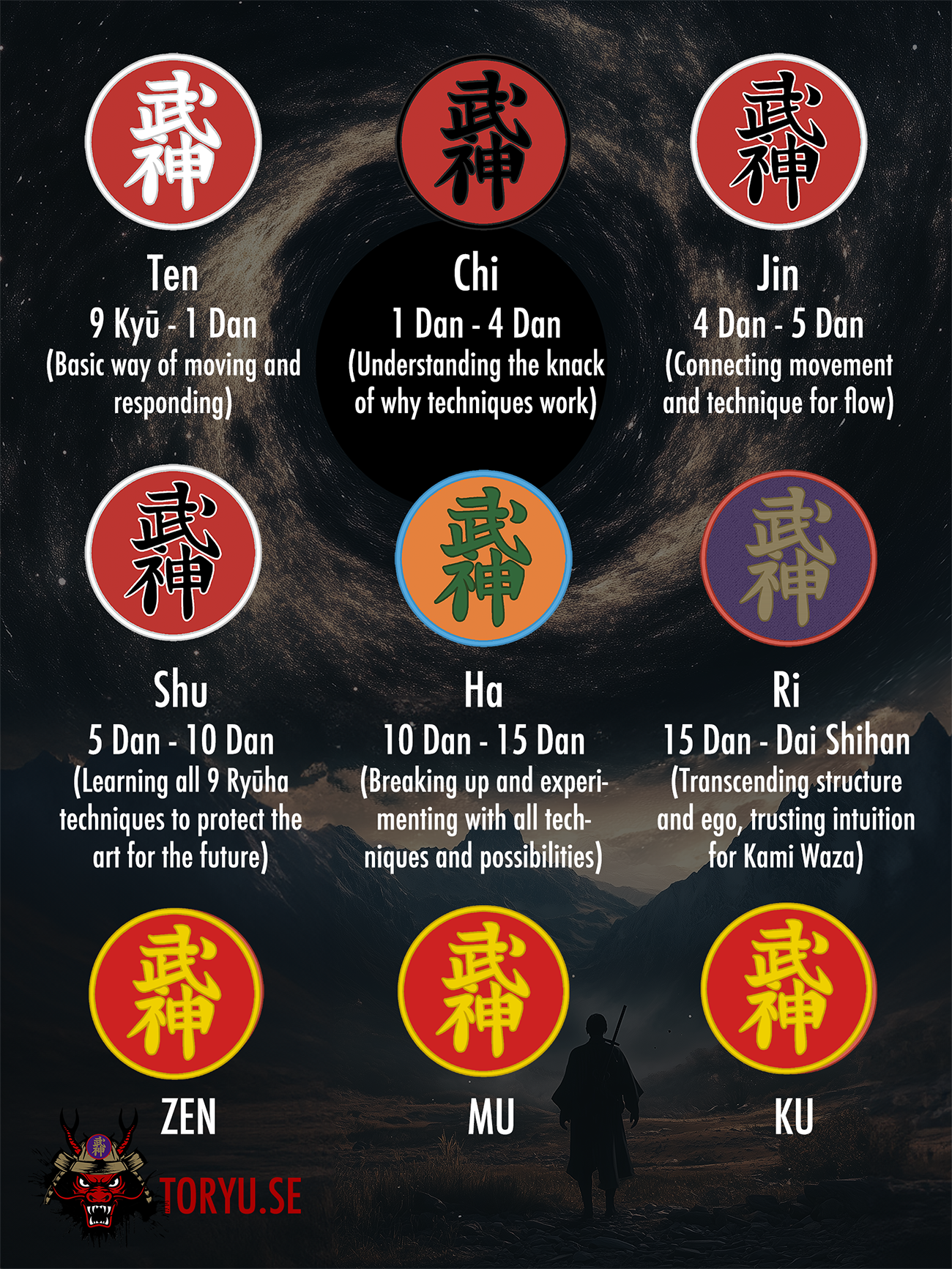
Integrating the understanding of Shu-Ha-Ri, traditionally viewed as a 30-year progression, along with the awareness of cognitive biases like the Dunning-Kruger effect, is crucial for holistic development in Bujinkan training.

Recognizing your current position within these stages is essential for maintaining a realistic assessment of your skills and encouraging ongoing improvement. Furthermore, the Dunning-Kruger effect serves as a vital reminder to stay humble and vigilant. It urges you to continuously question your level of skill and actively seek feedback from more experienced practitioners.

Practical Applications and Training Advice

To navigate these stages effectively, consider the following practical steps:

  • Seek Continuous Feedback: Regularly seek out feedback from instructors and peers to gain an accurate understanding of your skill level.
  • Engage in Deliberate Practice: Focus on areas of weakness and continuously challenge yourself with new learning opportunities.
  • Reflect and Journal: Maintain a training journal to reflect on lessons learned, challenges faced, and progress made.
  • Teach Others: Teaching is a powerful tool for deepening understanding and identifying gaps in one’s own knowledge.
  • Stay Open to Learning: Cultivate the mind of a three-year-old, an age marked by peak curiosity and learning. Embrace this beginner’s mindset at every stage of your expertise to continuously discover new insights and techniques.

Conclusion

Navigating the “Four Worlds of Mastery” in Bujinkan calls for a balanced mix of rigorous practice, self-assessment, and personal growth. By moving through each stage—from eager learner to master practitioner—you partake in both the physical and transformative aspects of martial arts. This process molds both mind and spirit. The journey reflects Shu-Ha-Ri’s lasting principles and provides a challenging path to mastery. Recognizing these stages and the pitfalls of the Dunning-Kruger effect equips you with essential tools for true mastery in Bujinkan.

Footnotes:

  1. Shu (守): Shu means to protect or obey. It emphasizes the importance of learning foundational techniques exactly as taught, without deviation.
  2. Ha (破): Ha means to break. In martial arts, this stage is about breaking away from traditions to explore and adapt techniques personally.
  3. Ri (離): Ri means to separate or transcend. It signifies achieving a level of skill so advanced that techniques are executed instinctively and effortlessly.
  4. Dunning-Kruger Effect: A cognitive bias wherein individuals with low ability at a task overestimate their ability, while those with high ability underestimate theirs, often due to a lack of self-awareness.

The post 四習界 Shishūkai: Four Worlds of Mastery appeared first on 武神館兜龍 Bujinkan Toryu.…
Suburi Naginata

From paart budo buki by Toryu

Suburi Naginata?

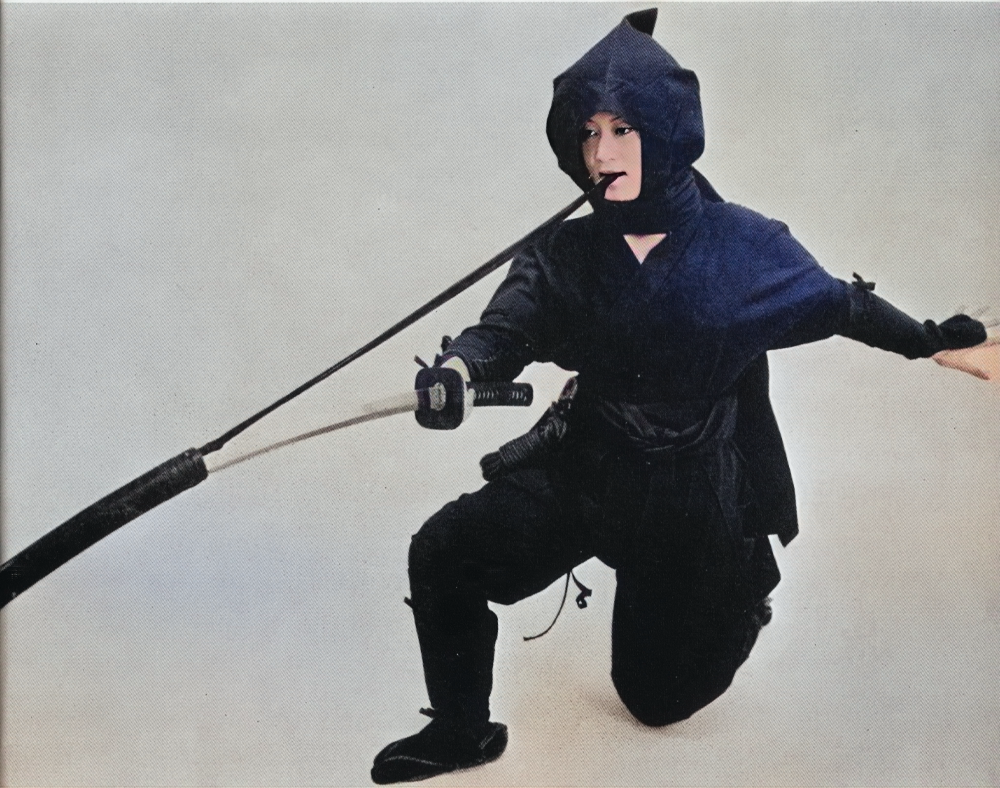
dear Budo friends, I'm slowly getting back to making wooden equipment for martial arts. Here is another project of mine, I can't say if something like this already exists in the world of Budo, but this is one of my contributions to those who take their martial art seriously. Since Naginata is a separate weapon and skill in some schools, I believe that serious practitioners need to raise their training to a slightly higher level, especially those practitioners who practice cutting with a real Naginata.

So it is a Naginata, which is slightly thicker, heavier, and a little longer. With this in mind, you probably know the benefits a training tool like this brings to your training.

The movement and simulation of combat with this type of Naginata is something that is definitely worth trying.
Apparently there are records in a densho scrolls of some old schools (Koryu Ruha) that they used this kind of heavier naginata for training to increase precision and power, which make sense to me.


Suburi Naginata

From paart budo buki by Toryu

Suburi Naginata?

dear Budo friends, I'm slowly getting back to making wooden equipment for martial arts. Here is another project of mine, I can't say if something like this already exists in the world of Budo, but this is one of my contributions to those who take their martial art seriously. Since Naginata is a separate weapon and skill in some schools, I believe that serious practitioners need to raise their training to a slightly higher level, especially those practitioners who practice cutting with a real Naginata.

So it is a Naginata, which is slightly thicker, heavier, and a little longer. With this in mind, you probably know the benefits a training tool like this brings to your training.

The movement and simulation of combat with this type of Naginata is something that is definitely worth trying.
Apparently there are records in a densho scrolls of some old schools (Koryu Ruha) that they used this kind of heavier naginata for training to increase precision and power, which make sense to me.


海蛍 Umi Hotaru: The Ninja’s Nighttime Guide

From 武神館兜龍 Bujinkan Toryu by Toryu

In the realm of stealth and strategy the Ninja once harnessed 海蛍 Umi Hotaru, sea-fireflies (Vargula hilgendorfii) a remarkable natural phenomenon as a nighttime guide. This essay delves into their ingenious use of these bioluminescent creatures for night operations.

The Art of Light in Darkness

The Ninja sought clear seas with sandy bottoms, ideal habitats for sea-fireflies. Using bait, they attracted and collected these luminous beings with precision. Ninjas kept them alive until needed, showcasing an exceptional understanding of nature and resourcefulness.

These creatures served as a subtle light source. They enabled ninjas to read maps and signal allies undetected by enemies. The method not only reflects their survival skills but also their innovative approach to problem-solving.

The practice of using sea-fireflies illuminates the depth of ninja ingenuity. It exemplifies their ability to blend with the natural world, turning simple organisms into tools of espionage and communication.

Below is a small segment from the Hizō no Densho from the Yasuda-ryū translated.

Regarding 海蛍 Umi Hotaru

Dark, moonless nights are best. Sea fireflies are found only in beautiful seas with sandy bottoms, up to three to five Hiro (a unit of measurement) deep. If there’s a protruding dock or similar structure, it’s especially good. Cut the heads of bonito, yellowtail, or mackerel in half, thread them, and throw them into the sea. Lift them after counting to 500 to wash off in a bucket of seawater. Put about twenty in seawater, lift and collect them one after another.

To keep them alive until the next morning, use a box that allows seawater to flow through well but doesn’t have gaps larger than 一分 one Bu (3.03 mm); otherwise, they might escape into the sand. Don’t forget this.

In the morning, separate them from fish flesh using a sieve (if separated when collected at night and placed in another box, it’s even better), lay them on a fine net, and dry them in the morning sunlight. They dry in about a quarter or half an hour; the shell becomes transparent, and only the white, opaque ones won’t glow. Bad.

– Good for use against rats, large birds, and insects (this is unclear). Oral tradition. Be careful when it rains; they can wash away and be ruined.

– If there’s no water, urine is also fine.

– Discuss the method of attachment with allies.

– To inform those coming later.

– For use on the way back. In places invisible to the enemy but visible to the infiltrator, bad places, good places (when facing the enemy outward), west, near the entrance of lavatories, from that place visible, rarely visited by people but clearly visible, inside a pond (moats are bad because they’re too wide), under eaves, under the floor, at the folding point of a ladder ascending from below, at a stone dropping point.

About 海蛍 Umi Hotaru on night paths.

– Apply at the base of trees. Even if it rains, the water sliding down the tree won’t wash it away. Heavy rainfall is bad for the base of the tree.

– If it’s raining heavily, break a branch and attach it in the direction of the path. Tie the branch above where the firefly is attached. When returning from a ninja mission, remove it. Fireflies are good.

– When water is added, they can glow for about one and a half minutes per inch and minute. Good in spring, autumn, and winter; in summer, they last for about a quarter of an hour. Good.

– High places (climbing up to attach takes time), low places are easily discovered. However, since Yasuda-ryū’s fireflies are used at night, one foot above the ground is best.

– To inform and communicate with those coming later. Use standing 1, 2, 3, horizontal 1, 2, 3, L-shaped 1, 2, 3, circle (draw thickly) 1, 2, 3, “me” 1, 2, 3, all types of combinations. Windmills are good in windy conditions – spinning fire (used in high places) is very good.

– Decide the length of the string based on the wind’s strength. No fireflies on the back.

– Attach to a tree branch. With the wind, it spins, having fireflies painted on one side only, so it appears and disappears. Do not attach within reach.

– To distract the enemy or as a sign for allies. Decide the length of the string based on the wind’s strength.

– For transport, just roll it up.

– Dark nights are preferable, but if there’s a moon, the lower, darker spots are best.

– High trees within a forest are very good. However, decide by throwing a string over them. But it should be visible from below.

This translation was done by ChatGPT and may not be 100% accurate. I suggest you go to Sean Askew’s web site and find a better translation. The whole 秘蔵の伝書 Hizō no Densho from 矢寿駄流 Yasuda-ryū is published in the end of Masaaki Hatsumi’s book 忍法大全 Ninpō Taizen.

Footnotes:

  1. 海蛍 (Umi-hotaru): Sea-firefly. “海” (umi) means sea, reflecting their habitat. “蛍” (hotaru) means firefly, indicating their bioluminescent nature.
  2. 奇麗 (Kirei): Beautiful. “奇” signifies strangeness, “麗” beauty, together highlighting the aesthetic appreciation in the ninja culture.
  3. 暗夜 (An’ya): Moonless night. “暗” means dark, “夜” night, emphasizing their preference for operations under cover of darkness.
  4. 砂地 (Sajichi): Sandy bottom. “砂” refers to sand, “地” to earth or ground, indicating the sea-firefly’s preferred habitat.
  5. 尋 (Hiro) or 広 (Hiro): It is not a standard measuring unit, it probably means pull this rope three to five times.
  6. 矢寿駄流 (Yasuda-ryū): This old Ninjutsu school did not survive to modern times, but their Densho is still held by a few researchers such as Hatsumi Sōke.

This exploration into the ninja’s use of sea-fireflies reveals a fascinating intersection of nature, strategy, and survival.

The post 海蛍 Umi Hotaru: The Ninja’s Nighttime Guide appeared first on 武神館兜龍 Bujinkan Toryu.…