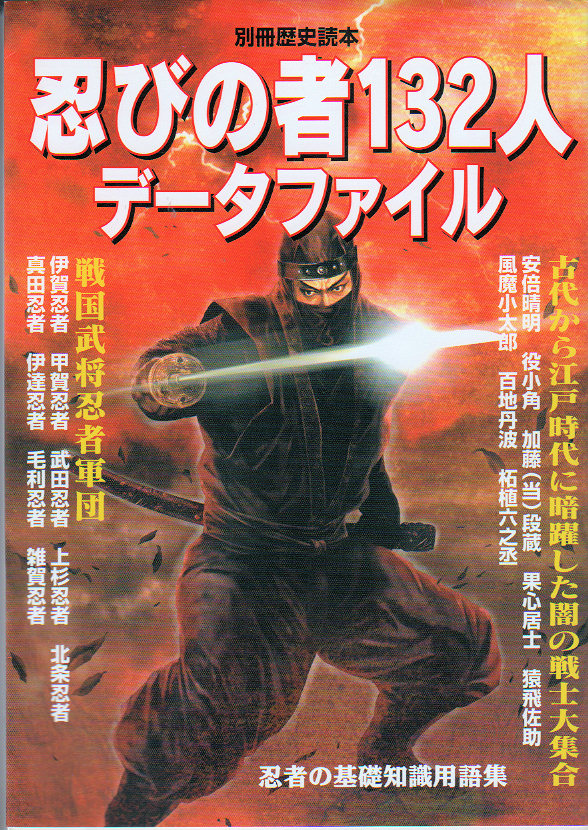
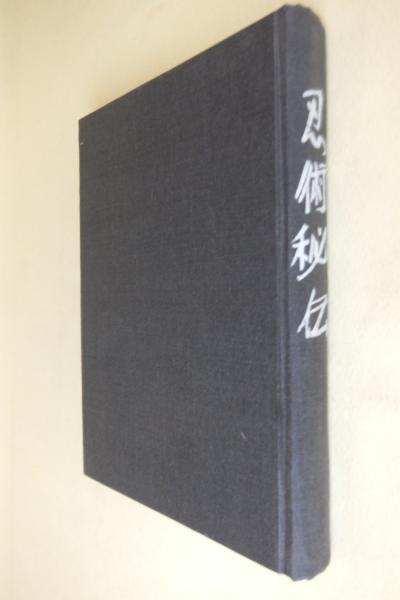
上杉忍者 Uesugi Ninja (Page 110-111) from the book Bessho Rekishi Dokuhon Vol. 72 – Shinobi no Mono 132-nin Data File. Written by 千坂精一 Chizaka Seiichi (Writer).
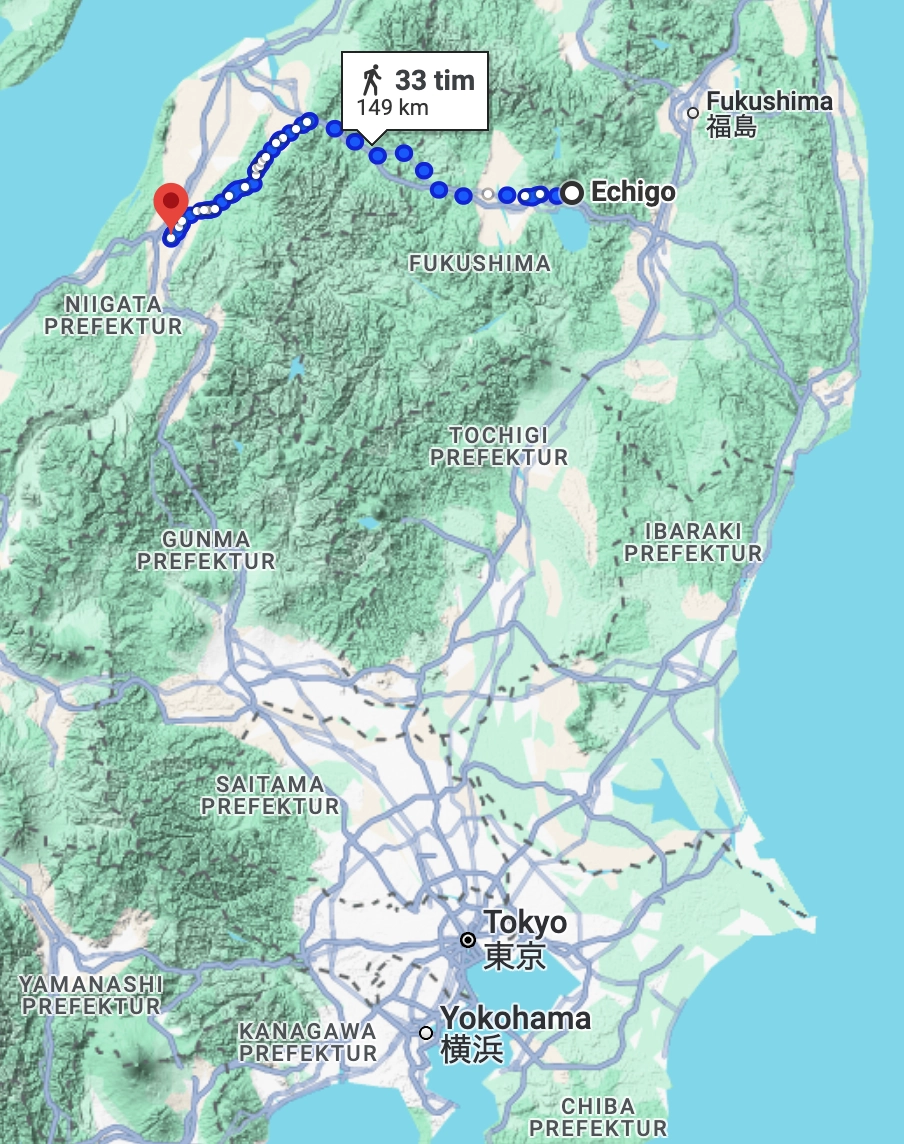
▽ Uesugi Ninja – The 担猿 Tan’en had their base in the mountains from 越後 Echigo to 信濃 Shinano
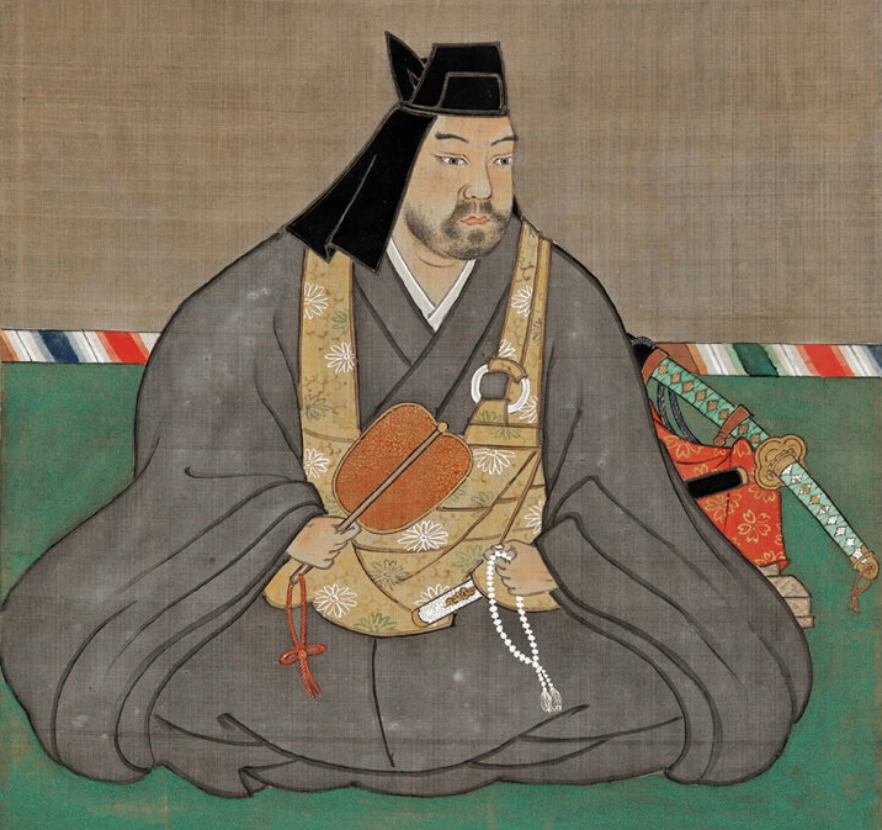
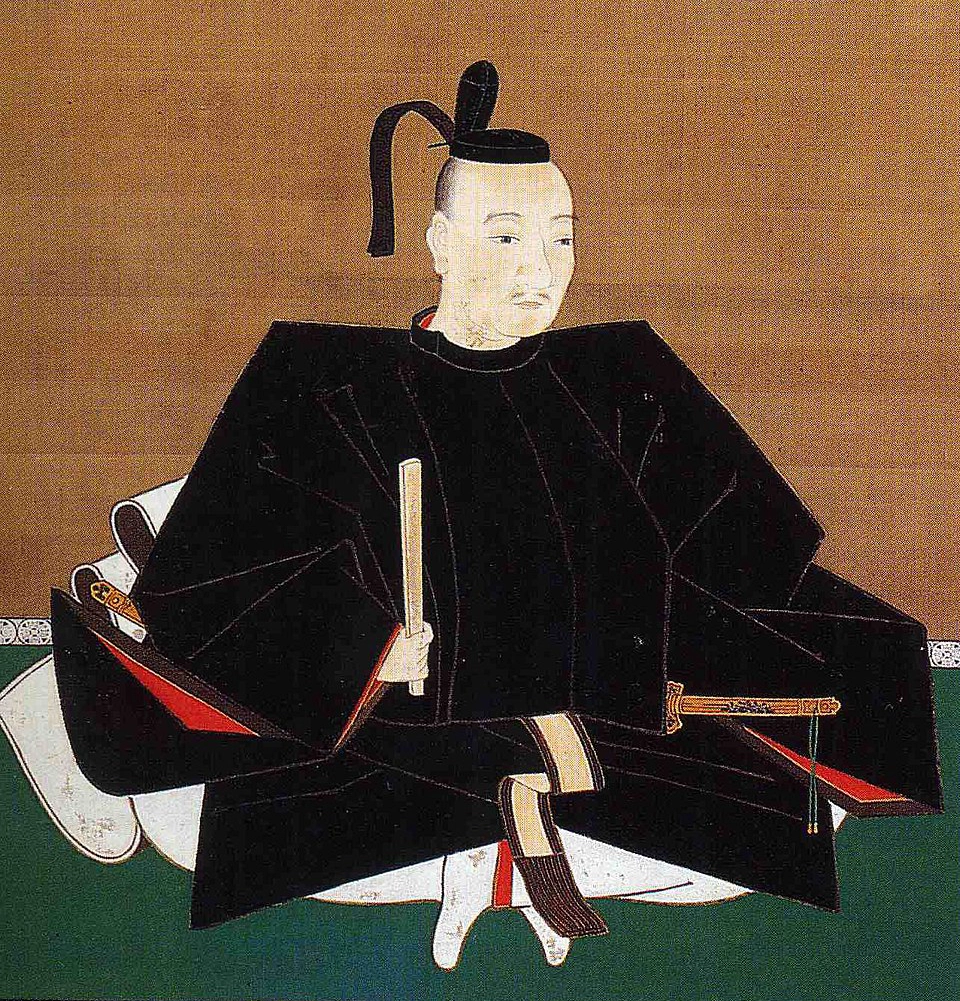
Nagao Kagetora (長尾景虎; February 18, 1530 – April 19, 1578), later known as Uesugi Kenshin.
The battles of the chaotic 戦国乱世 Sengoku Ransei (Warring States period 1467–1603 CE), where warlords contended, were fierce elimination-style contests fought until a victor emerged, so to survive and advance, it was an absolute requirement to quickly and accurately grasp the rapidly shifting state of the realm and take the initiative.
Therefore, powerful warlords called 戦国大名 Sengoku Daimyō sharpened their attention to the internal affairs of the 室町幕府 Muromachi Bakufu and the movements of neighboring provinces, dispatching ninjas to various regions to collect information. In other words, just as in the modern competitive world, one investigates the overall strength of opponents or the condition of individual players in advance, devising strategies to exploit 弱点 Jakuten (weaknesses) before entering a match, it was an era prioritizing information.
The ninja groups utilized for this information gathering were called 乱波 Rappa by 北条 Hōjō, 透波 Suppā by 武田 Takeda, and 担猿 Tan’en by 上杉 Uesugi.
While 乱波 Rappa and 透波 Suppā are often heard, 担猿 Tan’en is unparalleled, likely a unique designation of Uesugi.
However, it was not named by Uesugi. When or by whom it was named is unknown, but it is said to have been named in reverence for 軒轅黄帝 Kengen Kōtei (2697–2597 BCE), an ancient Chinese emperor considered the founder of ninjutsu, using a Japanese reading.
This ninja group called 担猿 Tan’en had their base in the mountains from 越後 Echigo to 信濃 Shinano. Ninjas infiltrated deep into enemy territory to scout conditions, reported sequentially, continued covert surveillance, and once an anomaly occurred, immediately returned with 韋駄天走り Idaten-bashiri (Idaten speed) to urgently report, which was their main role, so Tan’en was a fitting name for ninjas reminiscent of monkeys agilely running through mountains and fields.
担猿はまさに山野を軽快に走り回る猿を彷彿させる忍者に相応しい呼称であった。 Literal Translation: 担猿 Tan’en was a fitting name for ninjas reminiscent of monkeys agilely running through mountains and fields.
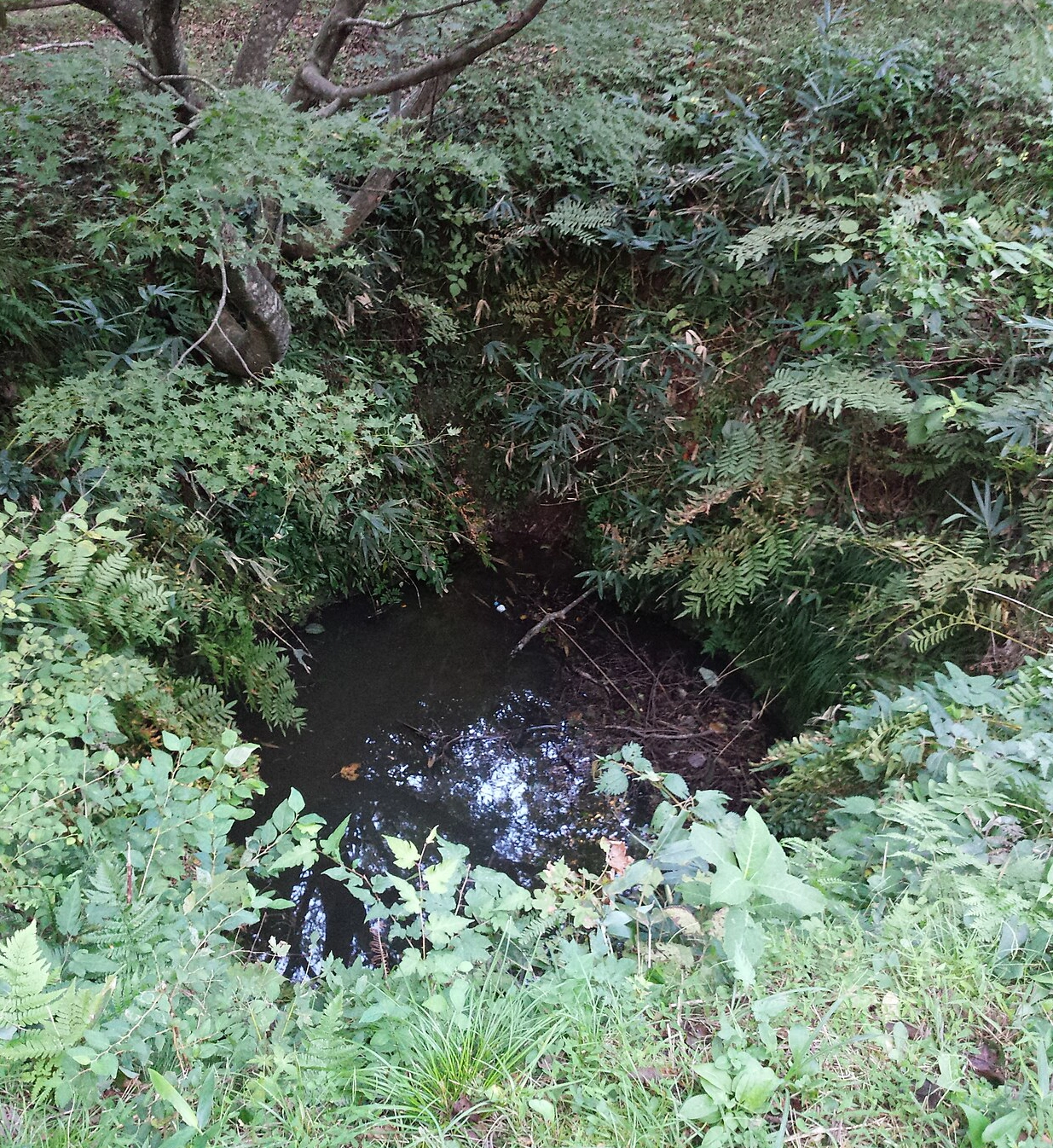
Well Circle of 春日山城跡 Kasugayama-jō Ato, 謙信 Kenshin’s castle
However, ninja groups were, after all, shadow legions, and their exploits remained in legend, not recorded in historical facts. Ninjas were a pitiful group buried in the pages of history.
In the “上杉史料 Uesugi Shiryō,” it is only written that enemy conditions were reported “with 使介 Shikai (messengers),” and there is no mention at all of who these messengers were.
However, from the circumstances of that time, there seems to be an indication that the Tan’en group was utilized, so in a novel, one might introduce fictional characters to embellish with imagination, but here, we will describe it mixing historical facts with speculation.
Uesugi Ninja (Page 110-111) written by Chizaka Seiichi for the Bessho History Reading Book No. 72 – Data file of 132 Ninjas.
I could not find much information about this book, who wrote it or the publisher. It looks like it was published as a history book/magazine published monthly.
Being the 72’nd book I guess it has been around for many years, the web site jinbutsu.co.jp is dead so I don’t know much about the publisher.
別冊歴史読本❼❷ Bessho Rekishi Dokuhon 72 忍びの者132人データファイル Shinobi no Mono 132-nin Data File
Published May 2001 228 pages ISBN-10 : 4404027729 ISBN-13 : 978-4404027726
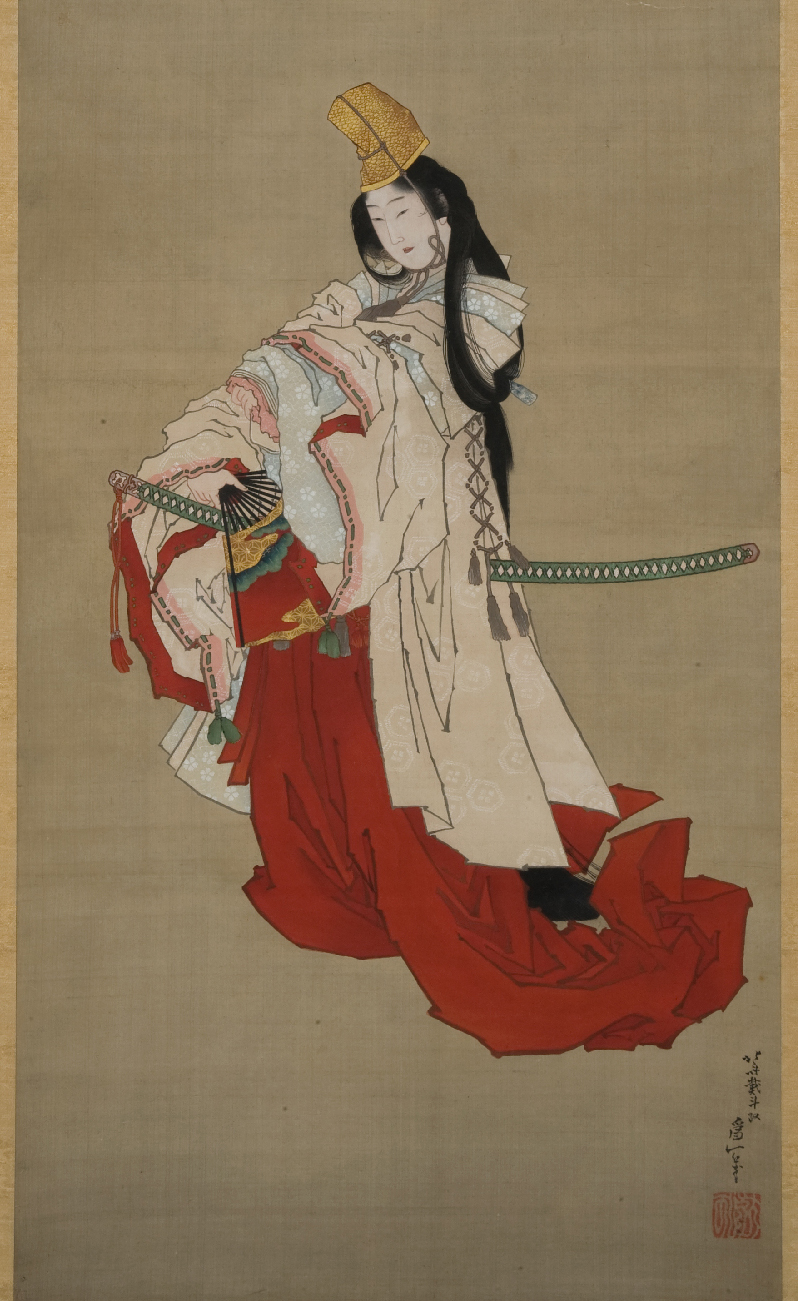
武田忍者 Takeda Ninja (Page 104-106) from the book Bessho Rekishi Dokuhon Vol. 72 – Shinobi no Mono 132-nin Data File. Written by 宗方翔 Munehō Shō (Scenario Writer).
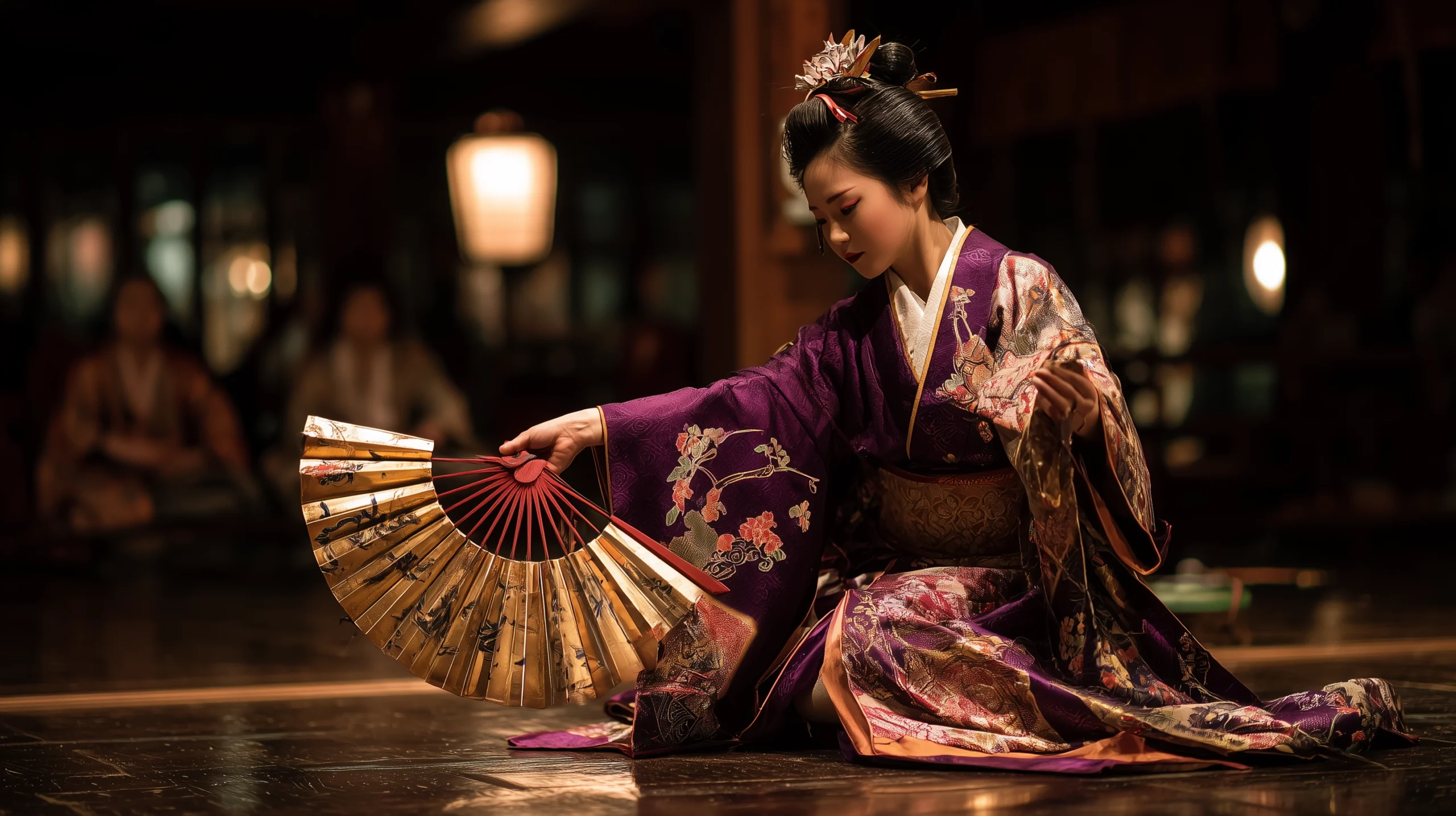
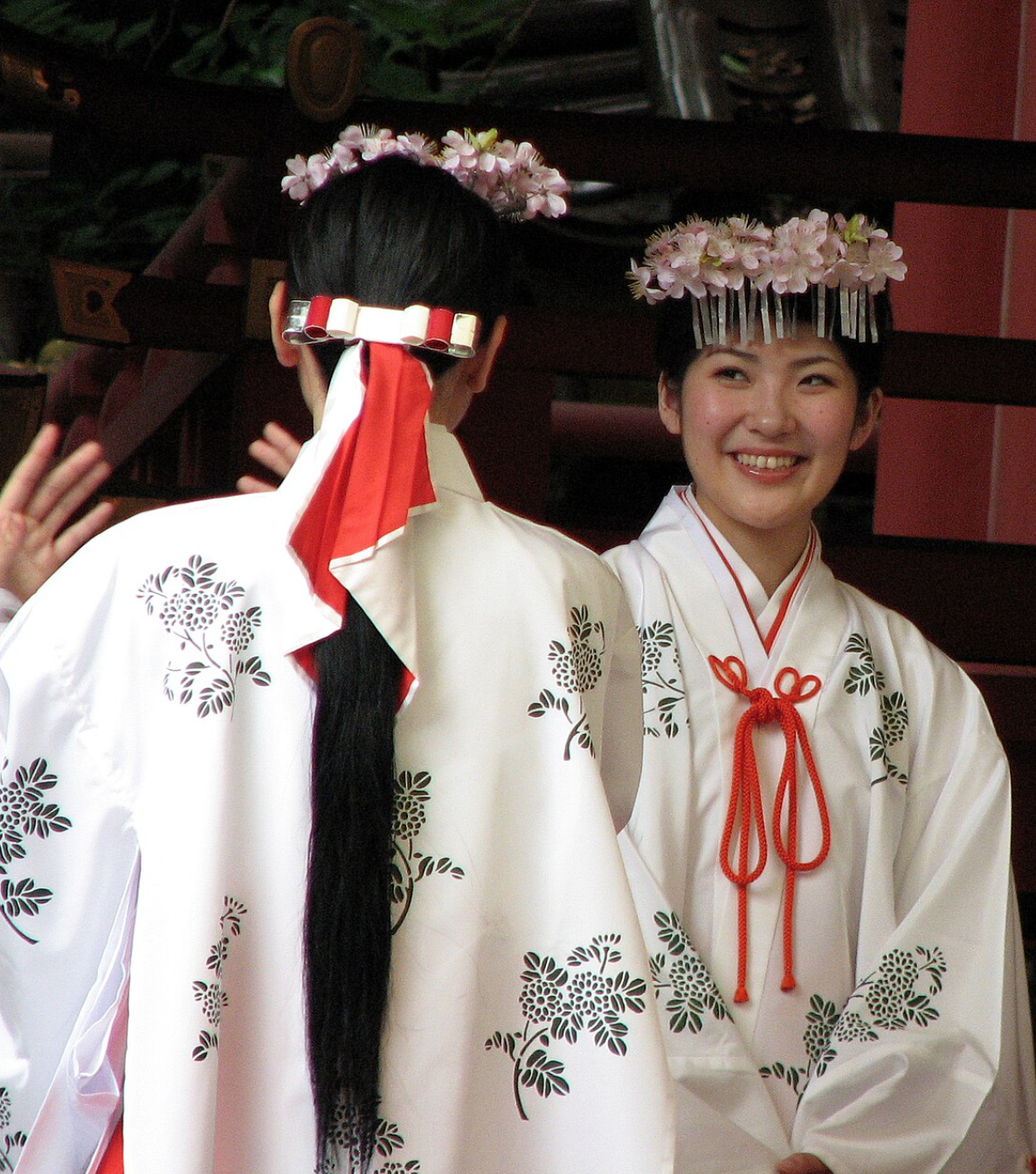
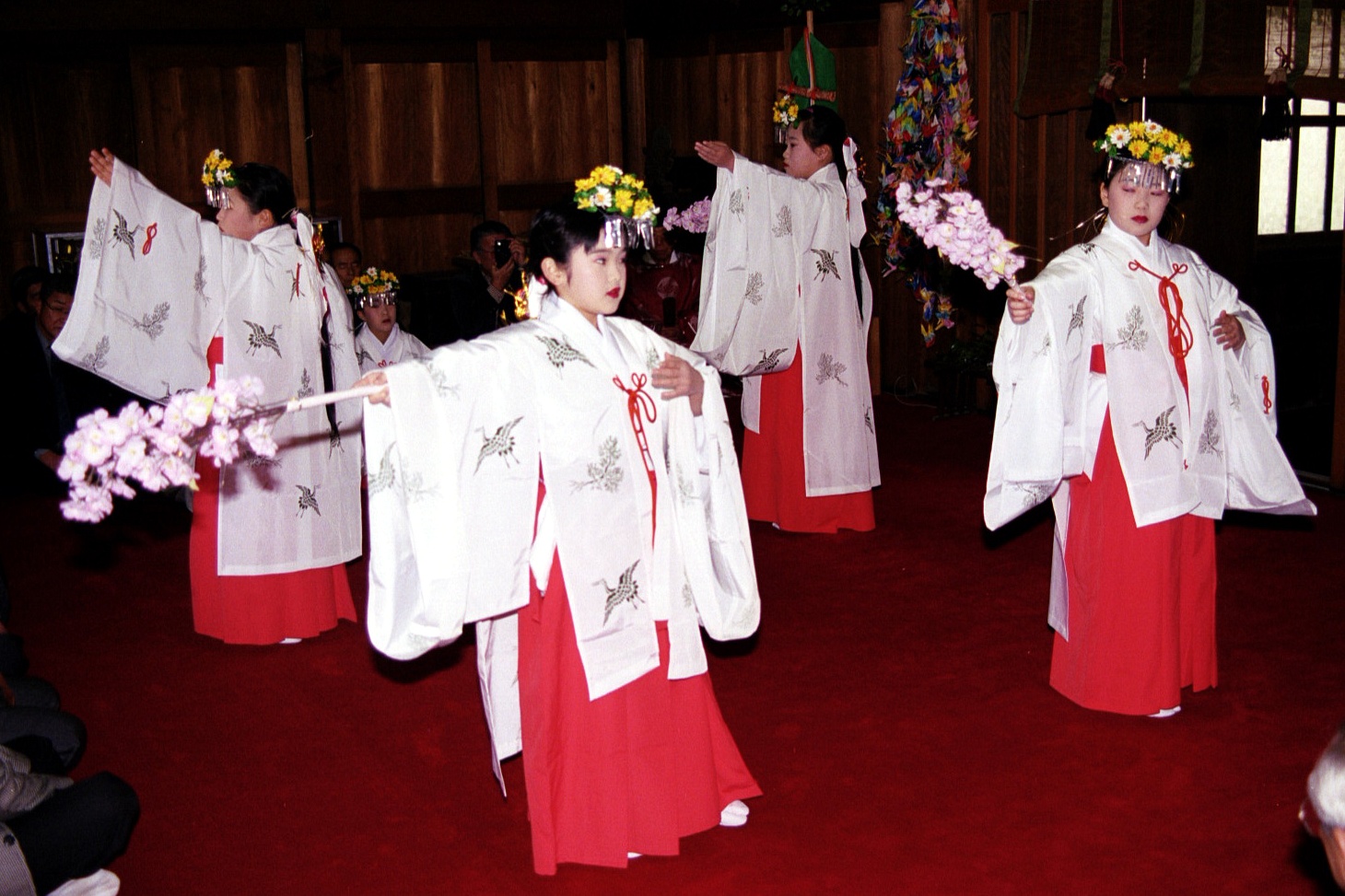
▽ Takeda Ninja – In the Sengoku Jidai, shrine maidens conducted spy activities…!?
In the 1991 special issue of “Rekishi Dokuhon,” “Definitive Edition: All About Ninjas,” there was a description by 名和弓雄 Nawa Yumio about the female spies 歩き巫女 Aruki Miko nurtured by 武田信玄 Takeda Shingen. For me, who only knew shrine maidens as those in white robes and red hakama or as dubious fortune-tellers, the theory that shrine maidens equaled kunoichi, ninja, was very intriguing, and as I was searching for material for historical novels, I promptly visited Nawa’s residence to hear his story and went to the site.
The training center for these female ninjas, “甲斐信濃巫女道修練道場 Kai Shinano Miko-dō Shūren Dōjō,” was in 信州小県郡祢津村古御館 Shinshū Chikuma-gun Netsu-mura Furumidate (Nagano-ken Tōbu-chō). Now it is 田中駅 Tanaka-eki on the Shin’etsu Line. About thirty minutes from Karuizawa by local train, it is a hilly area along the 千曲川 Chikuma-gawa.
However, the target dojo was already gone without a trace, and even its location could not be identified. Instead, in 古御館 Furumidate, there remained a house said to be inhabited by shrine maidens. A small house built in the style of an old farmhouse, nearly a ruin, but several such houses were clustered along a narrow path.
According to 中山太郎 Nakayama Tarō’s “日本巫女史 Nihon Miko Shi” (History of Japanese Shrine Maidens), this path was once called “ののう小路 Nonō Kōji,” and the surrounding area formed a large settlement of shrine maidens’ houses, called “ののう屋敷 Nonō Yashiki,” bustling with activity.
ののう Nonō is a unique local term for shrine maidens, from the phrase “nō, nō” used when addressing people. Also, it seems to derive from the custom of calling deities “のんのんさま Nonnon-sama.”
In other words, shrine maidens who performed rituals for the sick and divined the past and future for the troubled were considered to exist between gods and humans, thus called ののう Nonō.
“Female” in ancient times entrusted politics to male kin, secluded themselves deep in palaces to serve gods, and conveyed divine oracles to people, like queens of a nation. 魏志倭人伝 Gishi Wajin Den’s 鬼弥呼 Himiko. In the era of 応神天皇 Ōjin Tennō, 神功皇后 Jingū Kōgō (169–269 CE), who long served as regent, is such an example, and this tradition extended to the female emperors 推古 Suiko, 皇極 Kōgyoku, 持統 Jitō. However, as time passed, the nature of “female” changed, and in the 平安時代 Heian Jidai (794–1185 CE), when Shugendō and Onmyōji appeared and the divination techniques of Yin-Yang Five Elements theory became popular, the power of shrine maidens, who mediated divine will, declined.
Then, from the 源平 Genpei battles (1180–1185 CE) to the 戦国時代 Sengoku Jidai (1467–1603 CE), as samurai rose, female power waned, and shrine maidens’ activities transformed into singers of 今様 Imayō or 白拍子 Shirabyōshi, and further into 出雲の阿国 Izumo no Okuni’s female kabuki in later generations.
However, during political or social upheavals, shrine maidens’ divine prophecies captured people’s hearts, always fulfilling some role. For example, in 壬申の乱 Jinshin no Ran (672 CE), the oracles of local shrine maidens allied with the 吉野軍 Yoshino-gun were referenced for strategy, and one oracle included enemy country information, contributing to victory. It is likely that shrine maidens infiltrated enemy territory for espionage. It feels like the origin of the 歩き巫女 Aruki Miko used by 信玄 Shingen for intelligence activities, which is intriguing.
Takeda Ninja (Page 104-106) written by Munehō Shō for the Bessho History Reading Book No. 72 – Data file of 132 Ninjas.
I could not find much information about this book, who wrote it or the publisher. It looks like it was published as a history book/magazine published monthly.
Being the 72’nd book I guess it has been around for many years, the web site jinbutsu.co.jp is dead so I don’t know much about the publisher.
別冊歴史読本❼❷ Bessho Rekishi Dokuhon 72 忍びの者132人データファイル Shinobi no Mono 132-nin Data File
Published May 2001 228 pages ISBN-10 : 4404027729 ISBN-13 : 978-4404027726
The Esoteric Mantra Secret for Anticipating Disasters: The “Three Pulses Method” (Page 214-216) from the book Ninpō Chōjin no Sekai by Ōhira Yōsuke.
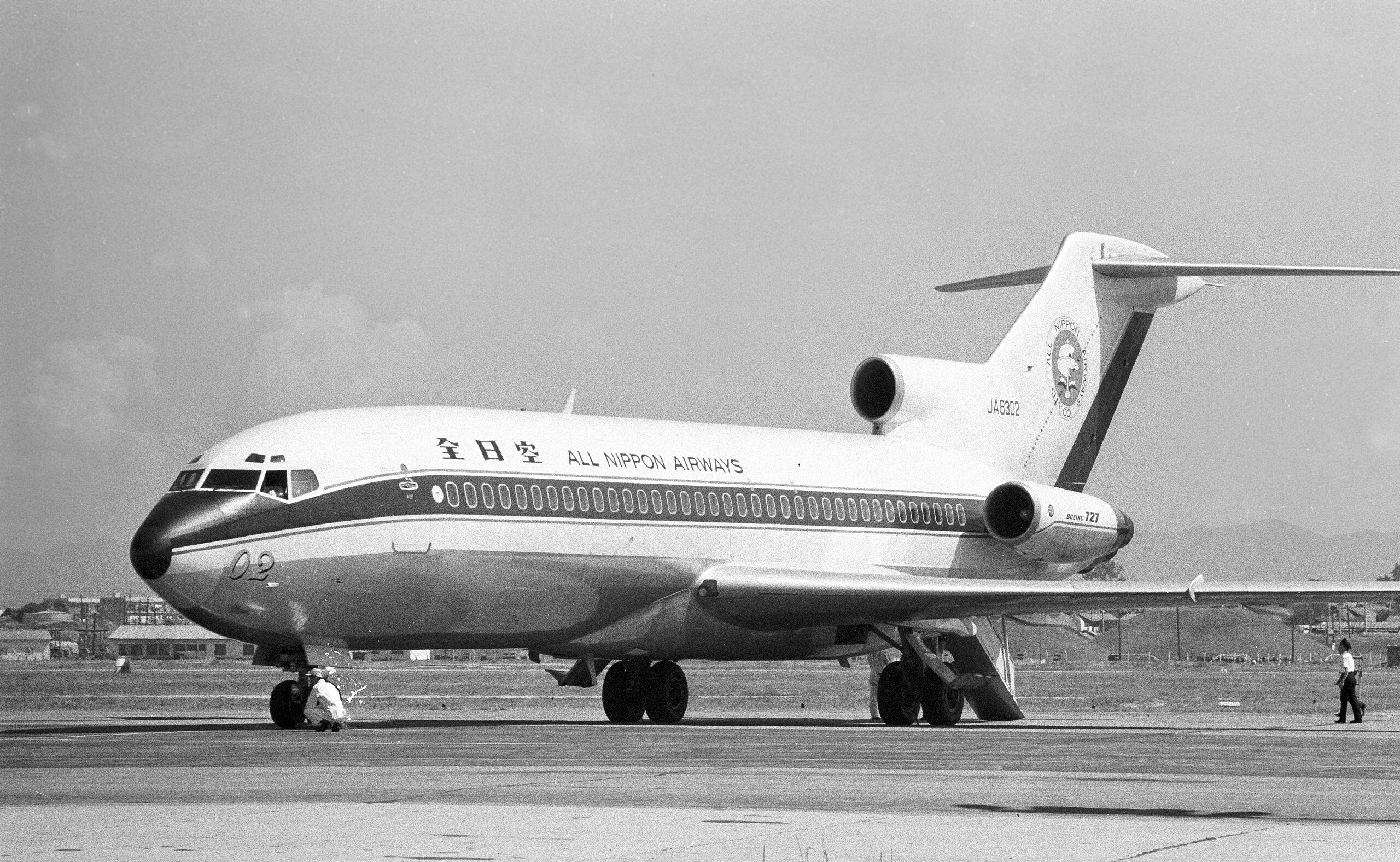
If humans possess precognitive abilities, then in the case of the All Nippon Airways crash, all 133 passengers should have felt an ominous premonition. However, only a few, including Kumada Taizō—who was saved by a “gut feeling”—and a woman named Yamanoe Motoko—who canceled her trip due to an ominous dream—escaped the disaster. This raises the question: why only a handful? The answer lies in individual differences. People vary widely—some are highly sensitive to precognitive sensations, others are less so, and some may feel it but dismiss it. Many, influenced by modern scientific education, tend to deny such feelings outright.
Kumada Taizō’s wife, for instance, was among those who most strongly sensed the danger signal. Calculating the percentage of people who survived this incident due to such premonitions, it comes to 0.003…—or roughly 3%.
Sanmyaku no Hō (Secret for Anticipating Disasters)
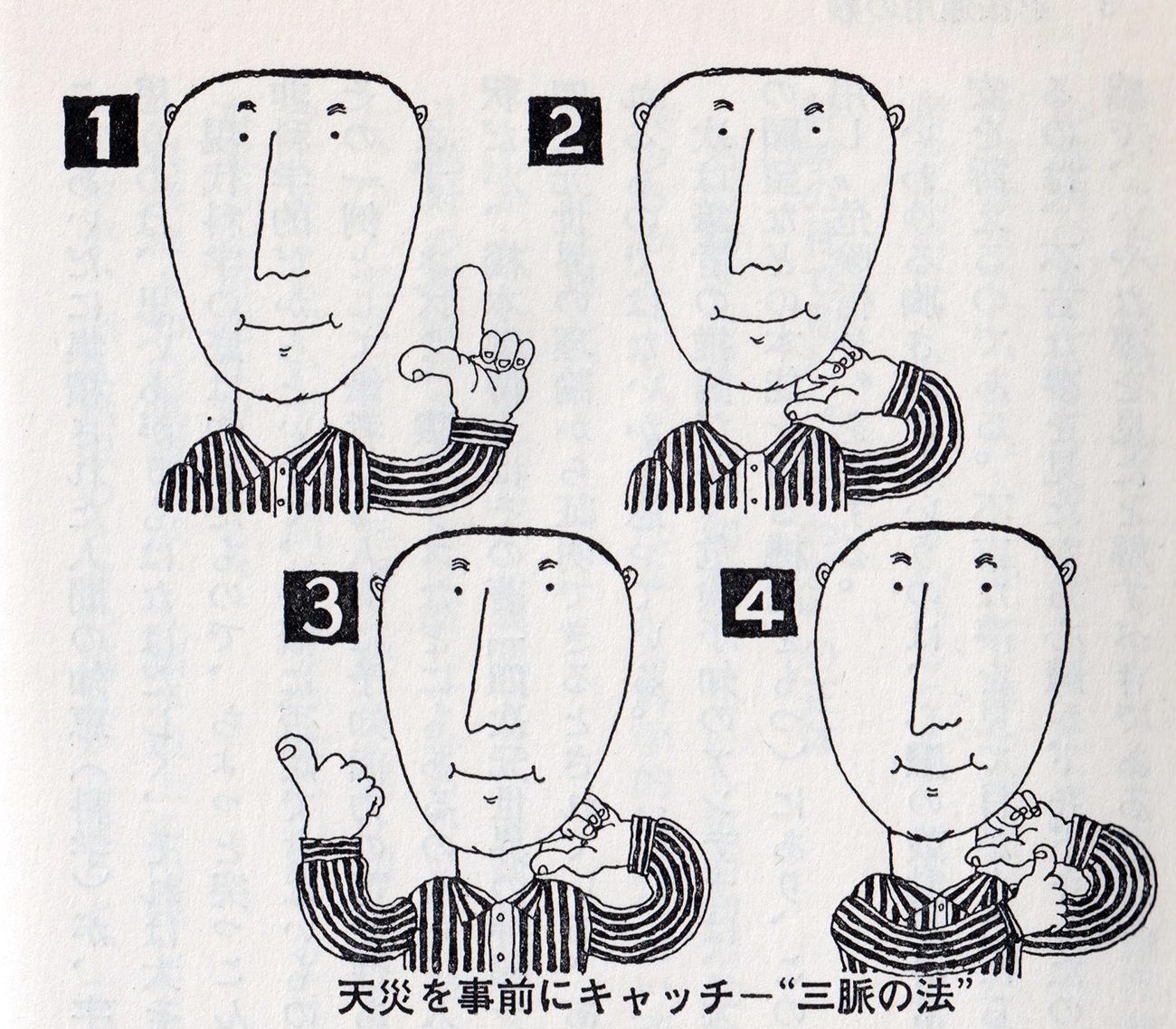
Assuming that everyone has some degree of danger-sensing ability, albeit with varying intensity, is there a way to accurately detect it? If so, it would be a great boon. One ancient method passed down through tradition is known as the “Three Pulses Method” (三脈の方 Sanmyaku no Hō).
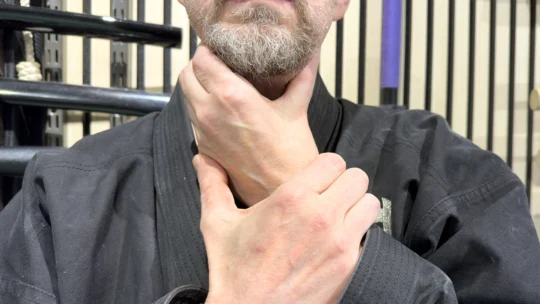
According to Hatsumi Yoshiaki, this method stems from the teachings of Shingon Mikkyō (esoteric Buddhism). When you feel an ominous premonition, open your left hand and lightly press the carotid arteries on both sides of your neck with the tips of your left thumb and index finger. Then, use the thumb of your right hand to press the pulse point (radial artery) at the base of your left thumb (near the wrist).
Press these three arteries simultaneously. If the three pulses beat in perfect unison, with no delay, like a three-beat rhythm, there is no danger. If the pulses are irregular or out of sync, it signals “danger,” and you should promptly take countermeasures.
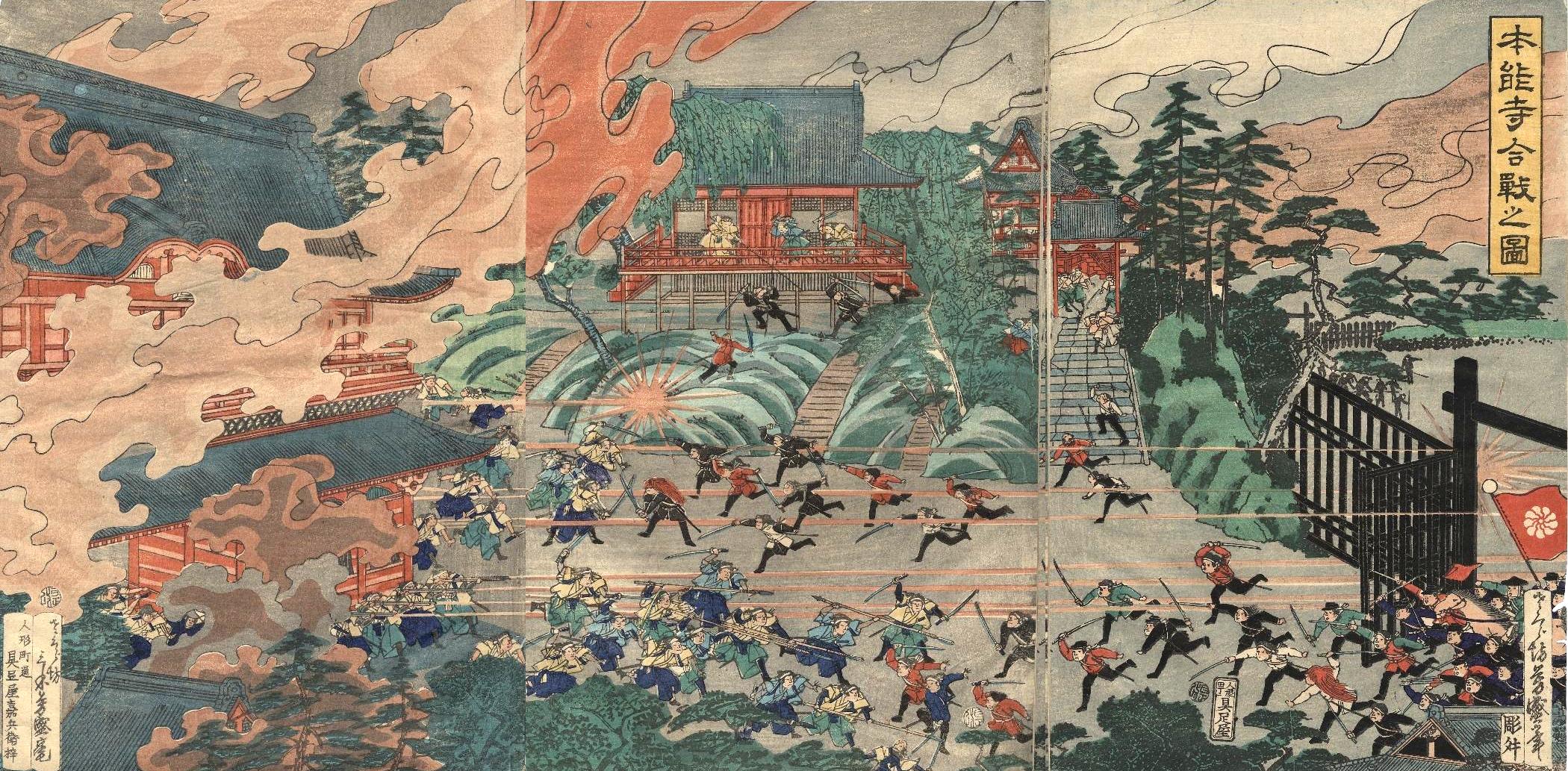
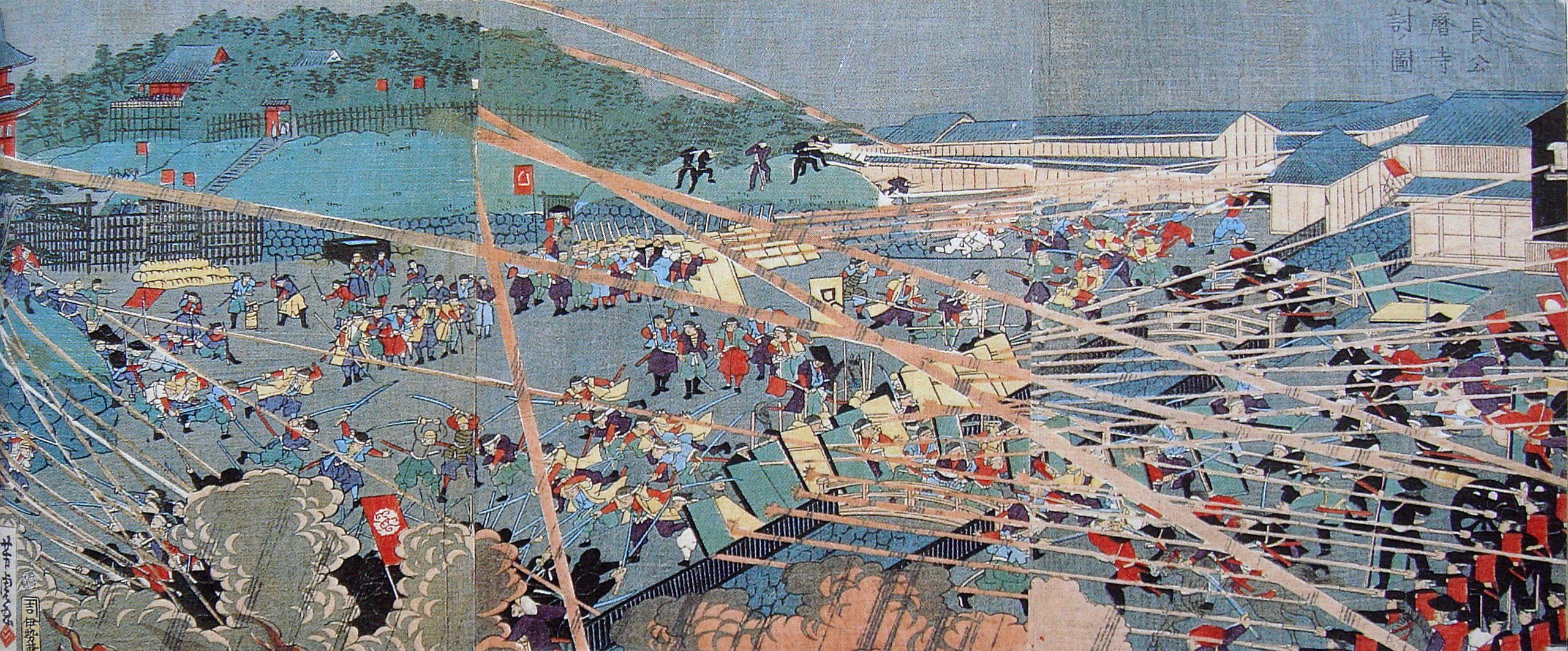
On May 15, 1868 (Meiji 1), during the Battle of Ueno, 榊原鍵吉 Sakakibara Kenkichi, the 14th headmaster of the Jikishinkage-ryū sword school, who ran a dojo at Kurumazaka below Ueno Hill, used the Three Pulses Method to foresee danger. He ordered all his disciples residing at the dojo to evacuate immediately.
Several hours later, the imperial army under the command of Chōshū’s Ōmura Masujirō positioned Armstrong cannons—purchased from Britain—on the roof of the Matsuzakaya store in Hirokōji and fired on the Shōgitai forces entrenched on Ueno Hill, determining the battle’s outcome. A stray shell landed on Sakakibara’s dojo, exploding and reducing it to rubble. Had they not evacuated, the entire school would have perished.
From my hypothesis, the autonomic nervous system (vegetative nervous system) originating in the brain influences the heart, causing “chest unease” (胸騒ぎ munesawagi), which manifests as an irregular pulse. Thus, the Three Pulses Method seems rational.
三脈の方 Sanmyaku no Hō
I have not personally experienced a major disaster, nor have I tested this method, so I cannot assert its absolute reliability. However, ancient traditions often contain wisdom derived from extensive experience or the intuition of geniuses—wisdom that modern science cannot yet explain but has proven effective in practice.
Recently, when I discussed this with Dr. Abe Tsuneo, a prominent young authority in Japanese internal medicine and an associate professor at Tokyo Medical and Dental University, he remarked, “That makes sense,” which I’ll note here for reference.
Living in a modern world filled with dangers like earthquakes, fires, explosions, and hijackings, how should we respond when suddenly faced with a disaster? Below, I will outline emergency evacuation methods step by step.
Excerpt above about The Esoteric Mantra Secret for Anticipating Disasters from the book Ninpō Chōjin no Sekai by Ōhira Yōsuke.
Endorsement by Hatsumi Yoshiaki 34th Sōke of Togakure-ryū Ninpō 28th Sōke of Kukishinden Happō Hiken
Upon hearing that Professor Ōhira was publishing an introductory book on ninjutsu, I was convinced that it would undoubtedly become an exceptional work on the subject. This confidence stems from the fact that Professor Ōhira has dedicated decades to researching ninjutsu—not merely by studying historical texts or research books on the subject, but by forming deep, familial bonds with living ninjas over many years. I am one of those ninjas.
Therefore, Professor Ōhira possesses knowledge of secret teachings (hiden) that a mere researcher could never glimpse.
I believe that ninjutsu is, in essence, a method of mastering the art of living with a spirit of harmony, peace, and joy (kasei waraku). To this end, ninjutsu practitioners have honed their wisdom to live happily by cultivating their body, mind, and spirit through endurance (nin).
In today’s chaotic era, isn’t the proper application of ninjutsu—despite its potentially dangerous nature—precisely what modern society needs? This book, which comprehensively elucidates all aspects of ninjutsu, not only explains the art but also serves as a personal guide for navigating life. This is why I, as a ninja, proudly endorse it to the world (kōko).
Yōsuke Ōhira (大平陽介) Writer and literary critic. Real name: Ryōichi Yahata. Born in 1904 in Fukushima Prefecture. After dropping out of Chūō University’s Faculty of Law, he worked at Shinchōsha before serving as the inaugural editor-in-chief of NHK’s monthly magazine Broadcast and the Freedom Publishing Association’s Reading Outlook (a predecessor to the current Weekly Reading Person). He is currently a standing committee member of the Tokyo Writers’ Club and a councilor of the Japan Children’s Literature Association. His representative work is Full Moon Literature (Shunyō Bunko). Alongside his prolific writing career, he has a keen interest in exploring ancient martial arts (kobudō), and has authored works such as Sword Courage Record (Daidō Inshokan), which incorporates the secrets of martial arts. This book also reflects a portion of his extensive research accumulated over many years.
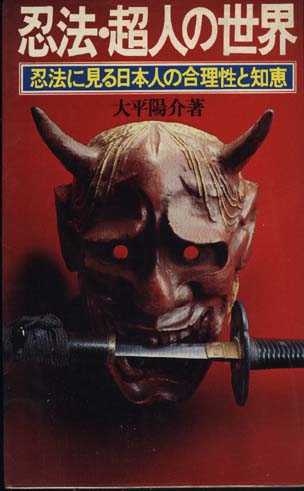
大平陽介 Ōhira Yōsuke 忍法・超人の世界 Ninpō Chōjin no Sekai
Published January 1, 1975 254 pages ISBN-10 : 4026060314 ISBN-13 : 978-4026060316
List of Ninjutsu Schools (Page 212-221) from the book Bessho Rekishi Dokuhon Vol. 72 – Shinobi no Mono 132-nin Data File
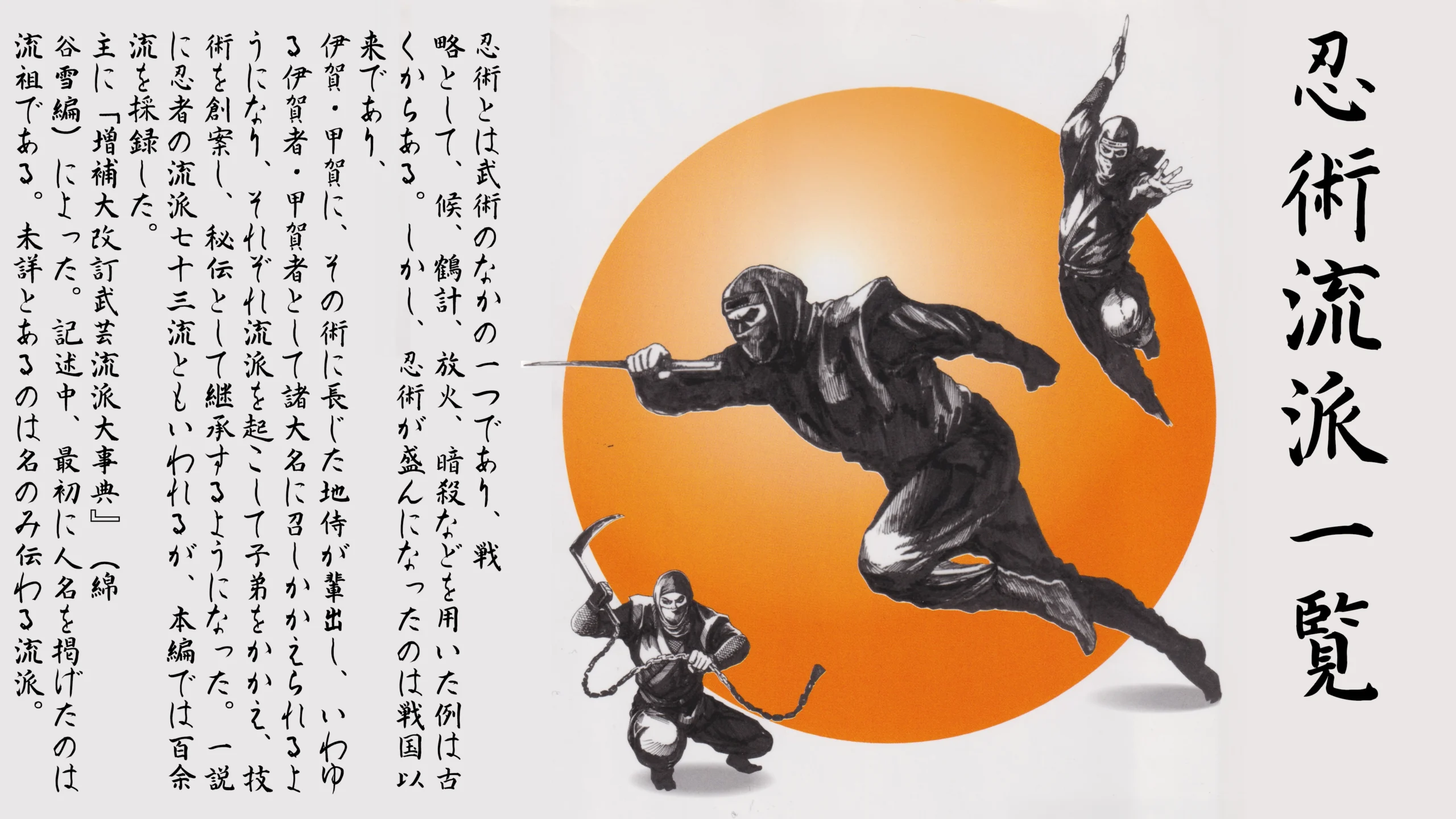
List of Ninjutsu Schools
Ninjutsu (忍術 Ninjutsu) is one of the martial arts, historically used as a strategy involving espionage (候 Sō), deception (鶴計 Tsuru-kei), arson (放火 Hōka), and assassination (暗殺 Ansatsu), with examples dating back to ancient times. However, ninjutsu flourished particularly since the Sengoku period (戦国時代 Sengoku Jidai, 1467–1615), when skilled local samurai (地侍 Jizamurai) from Iga (伊賀 Iga) and Kōga (甲賀 Kōga) emerged, becoming known as 伊賀者 Igamono (Iga ninjas) and 甲賀者 Kōgamono (Kōga ninjas). They were employed by various daimyō (大名 Daimyō), established their own schools, trained disciples, developed techniques, and passed them down as secret traditions (秘伝 Hiden). One theory claims there were 73 ninjutsu schools (七十三流 Shichijūsan-ryū), but this book records over 100 schools (百余流 Hyakuyo-ryū).
The information is primarily sourced from the 増補大改訂武芸流派大事典 Zōho Daikaitei Bugei Ryūha Daijiten (Revised and Expanded Encyclopedia of Martial Arts Schools) edited by 綿谷雪 Watatani Kiyoshi. In the descriptions, the first name listed is the founder of the school. Schools labeled “unknown” (未詳 Mishō) are those whose names alone have been passed down, with little further detail.
青木流 Aoki-ryū
Associated with the 戸田家 Tōda-ke (Tōda family) of the 信濃松本領 Shinano Matsumoto-ryō (Shinano Matsumoto domain).
秋葉流 Akiba-ryū
Associated with the 尾張徳川家 Owari Tokugawa-ke (Owari Tokugawa family).
芥川流 Akutagawa-ryū
Founded by 芥川九郎右衛門義綱 Akutagawa Kurōemon Yoshitsune, also known as 刑部左衛門義任 Gyōbuzaemon Yoshitake. Part of the 甲賀流 Kōga-ryū lineage, having studied under 楠不伝正辰 Kusunoki Fuden Masatake (南木流 Nanki-ryū). In 寛文十年 Kanbun 10-nen (1670), Yoshitsune served 戸田光永 Tōda Mitsunaga of the 美濃加納領 Mino Kanō-ryō (Mino Kanō domain). As the Tōda family was reassigned, the school moved with them to 伊勢鳥羽 Ise Toba and 信濃松本 Shinano Matsumoto. The fifth-generation 義矩 Yoshinori and sixth-generation 極人 Kyokuto (father and son) were implicated in the 戸田図書事件 Tōda Zusho Jiken (Tōda Zusho Incident), a family dispute during the late 天保年間 Tenpō Gannen (1830–1844).
伊賀崎流 Igasaki-ryū
Founded by 伊賀崎孫太夫道順 Igasaki Magotayū Dōjun, the head of the 49 Iga schools (伊賀四十九流 Iga Shijūku-ryū).
伊賀流 Iga-ryū
Iga ninjas are known for their individual strength over group cohesion, with a particular emphasis on the use of fire. It’s said that if explosives (爆薬 Bakuyaku) were used, Iga ninjas were likely involved. The founder of Iga-ryū is traditionally considered to be 服部家長 Hattori Ienaga from the late 平安時代 Heian Jidai (Heian period). According to 吉田東伍 Yoshida Tōgo’s 大日本地名辞書 Dai Nihon Chimei Jisho (Great Japanese Place Names Dictionary), the Iga group (伊賀衆 Iga-shū or 伊賀者 Igamono) was a faction of low-ranking bannermen under the 徳川氏 Tokugawa-shi (Tokugawa clan), likely due to their service since 徳川家康 Tokugawa Ieyasu’s “Iga crossing” (伊賀越え Iga-goe).
The Iga ninja 服部半蔵 Hattori Hanzō is said to be a descendant of the 秦氏 Hata-shi (Hata clan), immigrants from 百済 Baekje who settled in Iga.
During the 永禄年間 Eiroku Gannen (1558–1570), 11 exceptional Iga ninjas were noted:
新堂の小太郎 Shindō no Kotarō
下柘植の木猿 Shimotsuge no Mokuzaru
同子猿 Dō Kozaru (Mokuzaru’s son)
山田の八右衛門 Yamada no Hachiemon
神戸の小南 Kobe no Konami
音羽の城戸 Otowa no Jōto
甲山の太郎四郎 Kōyama no Tarōshirō
同太郎左衛門 Dō Tarōzaemon (also of Kōyama)
野村の大炊孫大夫 Nomura no Ōisunadayū
上野の左 Ueno no Sō
There’s also a school called 服部流 Hattori-ryū.
伊賀流 Iga-ryū
Associated with the 土佐山内家 Tosa Yamauchi-ke (Tosa Yamauchi family), including 服部正信 Hattori Masanobu and other members of the 服部氏 Hattori-shi (Hattori clan).
伊賀流 Iga-ryū
Founded by 滝野定勝 Takino Sadakatsu, followed by 赤井田重勝 Akaida Shigetake, among others.
伊賀流 Iga-ryū
Also known as 北条流 Hōjō-ryū (listed separately). Based on the guerrilla tactics of the 関東乱波風魔一族 Kantō Ranba Fūma Ichizoku (Kantō Ranba Fūma clan).
一全流 Ichizen-ryū
Founded by 近松彦之進茂矩 Chikamatsu Hikonoshin Shigenori. Shigenori studied 伊賀流 Iga-ryū under 竹之下頼美 Takenoshita Yorimi of 伊賀四日市 Iga Yokkaichi and 甲賀流 Kōga-ryū under 木村康敬 Kimura Yasutake of 近江 Ōmi. He passed away in 安永七年 An’ei 7-nen (1772). The school emphasized rapid horseback travel, aiming for a daily speed of 六十里 Rokujūri (approximately 240 km).
一佐流 Issa-ryū (吉佐流 Kissa-ryū)
Founded by 佐々木三郎兵衛盛綱 Sasaki Saburōbei Moritsune. He learned techniques from a foreign master, 我桂仙 Waga Keisen, and it’s said only three families in Japan used these methods. The sixth-generation successor, 黒見勝五郎 Kuromi Katsugorō, received permission in 元治元年 Genji 1-nen (1864).
伊賀流 Iga-ryū
Associated with the 信濃松本領 Shinano Matsumoto-ryō (Shinano Matsumoto domain).
上杉流 Uesugi-ryū
Founded by 上杉謙信 Uesugi Kenshin, passed down through his retainer 宇佐美定行 Usami Sadayoshi.
内山流 Uchiyama-ryū
Associated with 伊勢 Ise.
越前流 Echizen-ryū
After the 伊賀の乱 Iga no Ran (Iga Rebellion) of 天正九年 Tenshō 9-nen (1581), Iga ninjas served the 前田家 Maeda-ke (Maeda family) and passed down their traditions.
御家流 Oie-ryū
Founded by 東忠次 Azuma Tadatsugu, followed by 東太郎左衛門 Azuma Tarōzaemon, then 城戸長次 Jōto Chōji.
大井流 Ōi-ryū
Founded by 大井孫太夫 Ōi Magotayū, also known as 大炊 Ōi. Said to be from either 伊賀野村 Iga Nomura or 和泉 Izumi.
応変流 Ōhen-ryū
Associated with the 仙台伊達家 Sendai Date-ke (Sendai Date family).
加治流 Kaji-ryū
Founded by 加治遠江守景英 Kaji Tōtōmi-no-Kami Kagehide, a disciple of 宇佐美定行 Usami Sadayoshi under 上杉謙信 Uesugi Kenshin. Possibly part of the 伊賀流服部党 Iga-ryū Hattori-tō (Iga-ryū Hattori faction).
上泉流 Kamiizumi-ryū
Founded by 上泉常陸介秀胤 Kamiizumi Hitachi-no-Suke Hidekane, the legitimate son of 上泉伊勢守信綱 Kamiizumi Ise-no-Kami Nobutsuna. He accompanied his father on martial training journeys across the country, later serving the 北条氏 Hōjō-shi (Hōjō clan) and fighting against the 里見軍 Satomi-gun (Satomi army). In 永禄七年 Eiroku 7-nen (1564), he died from injuries sustained in battle. 信綱 Nobutsuna adopted a successor who took the name 秀胤 Hidekane. The school was passed down to the 岡山池田家 Okayama Ikeda-ke (Okayama Ikeda family) and the 彦根井伊家 Hikone Ii-ke (Hikone Ii family). Its secret manual is 師鑑専要 Shikan Sen’yō.
上柘植氏流 Kamitsuge-shi-ryū
Part of the 伊賀流 Iga-ryū lineage. Details otherwise unknown.
蒲生流 Gamō-ryū
Passed down through the 蒲生家 Gamō-ke (Gamō family) of 伊勢 Ise, 近江 Ōmi, and later 陸奥 Mutsu.
紀州流 Kishū-ryū
According to the 戸隠流口伝書 Togakure-ryū Kuden-sho (Togakure-ryū Oral Tradition Manual), the 白雲流 Hakun-ryū that entered the 熊野三山 Kumano Sanzan (three sacred mountains of Kumano) evolved into 紀州流 Kishū-ryū through 修験者 Shugenja (Shugendō practitioners). Alternatively, it’s said to be a school formed by Iga ninjas who fled to 紀伊 Kii’s 根来 Negoro (雑賀 Saiga) after their defeat in the 伊賀の乱 Iga no Ran (Iga Rebellion) of 天正九年 Tenshō 9-nen (1581).
九州流 Kyūshū-ryū
Passed down through the family of 志賀如見斎 Shiga Nyomisai, the third-generation master of 本心刀流 Honshinto-ryū (a swordsmanship school).
Founded by 戸田左京一心斎 Tōda Sakyō Isshinsai. The school was passed to 百地三太夫 Momochi Sandayū and continued within 伊賀流 Iga-ryū, reaching 戸田真竜軒 Tōda Shinryūken by the end of the Edo period.
楠流 Kusunoki-ryū
Originating from 楠木正成 Kusunoki Masashige of the 南北朝時代 Nanbokuchō Jidai (Nanbokuchō period, 1336–1392). Masashige, a local lord from 河内 Kawachi (eastern 大阪府 Osaka-fu, Osaka Prefecture), used 山伏兵法 Yamabushi Heihō (mountain ascetic military tactics) in various battles. He excelled in guerrilla warfare but later died in battle against 足利尊氏 Ashikaga Takauji during a campaign in the capital.
Founded by 伊賀平右衛門家長 Iga Heiemon Ienaga (雲隠法師 Kumogakure Hōshi). Lineage: 戸田真竜軒 Tōda Shinryūken → 高松寿嗣 Takamatsu Toshitsugu → 初見良昭 Hatsumi Yoshiaki.
鞍馬揚心流 Kurama Yōshin-ryū
Founded by 塩田甚太夫 Shiota Jintayū. Also known as 塩田揚心流 Shiota Yōshin-ryū. In 安永九年 An’ei 9-nen (1780), it was established by combining 揚心流 Yōshin-ryū and 鈴木流 Suzuki-ryū. Passed down in 薩摩飯島 Satsuma Iijima.
黒田流 Kuroda-ryū
Associated with the 筑前福岡藩 Chikuzen Fukuoka-han (Chikuzen Fukuoka domain), founded by 黒田官兵衛孝高 Kuroda Kanbei Takayoshi (如水 Nyosui). The 黒田氏 Kuroda-shi (Kuroda clan) is a branch of the 近江源氏佐々木高綱 Ōmi Genji Sasaki Takatsuna line, originating from 黒田郷 Kuroda-gō in 近江国 Ōmi-koku (滋賀県 Shiga-ken, Shiga Prefecture). Due to their connection with 和田伊賀守惟政 Wada Igamori Tadamasa of the 甲賀五十三家 Kōga Gojūsan-ke (Kōga 53 families), a close associate of the 15th shogun 足利義昭 Ashikaga Yoshiaki, 甲賀流忍術 Kōga-ryū Ninjutsu is said to have influenced Kanbei’s military strategies. A famous story involves 栗山善助 Kuriyama Zensuke, who frequently visited his imprisoned lord in disguise. Later, two ninjas were reportedly dispatched to assassinate 後藤又兵衛 Gotō Matabei.
現実流 Genjitsu-ryū
A branch of 白雲流 Hakun-ryū.
源瀟 Gensō
A branch of 永雲流 Eiun-ryū.
甲賀流 Kōga-ryū
The 武芸流派大事典 Bugei Ryūha Daijiten notes that both 甲賀流 Kōga-ryū and 伊賀流 Iga-ryū have too many speculative theories regarding their founders and lineages. While I’d prefer to follow this stance, it’s not entirely feasible. The distinction between 甲賀流 Kōga-ryū and 伊賀流 Iga-ryū itself is a point of contention, likely beginning in the 戦国時代 Sengoku Jidai (Sengoku period) for several reasons:
甲賀 Kōga and 伊賀 Iga are geographically adjacent.
Both regions are similarly surrounded by mountains.
The characters for 伊賀 Iga (伊賀) and 甲賀 Kōga (甲賀), when written in cursive script (草書 Sōsho), can appear similar.
In 長享元年 Chōkyō 1-nen (1487), when 六角高頼 Rokaku Takayoshi fought against 足利義尚 Ashikaga Yoshihisa, the rural samurai of 甲賀 Kōga sided with the 六角方 Rokaku-hō (Rokaku faction) due to longstanding ties. This marked the origin of the 甲賀五十三家 Kōga Gojūsan-ke (Kōga 53 Families). Later that year, in October, during the battle at 鏡安養寺 Kagami Anyōji, 21 of these 53 families distinguished themselves, earning the designation 甲賀二十一家 Kōga Nijūikkake (Kōga 21 Families) and the privilege to bear surnames and carry swords. The lower-ranking ninjas (下忍 Genin) operated under this organization.
The 21 families within the 53 are:
北山九家 Kitayama Ku-ke (Kitayama Nine Families)
黒川久内 Kurokawa Hisanai
大河原源太 Ōgawara Genta
頓宮四方介 Tongū Shihōsuke
土山鹿之助 Tsuchiyama Shikanotsume
芥川左京亮 Akutagawa Sakyōryō
望月出雲守 Mochizuki Izumo-no-Kami
岩室大学介 Iwanomura Daigakusuke
佐治河内守 Saji Kōchi-no-Kami
神保兵内 Jinbo Hyōnai
南山六家 Minamiyama Roku-ke (Minamiyama Six Families)
大原源三郎 Ōhara Genzaburō
和田伊賀守 Wada Igamori
上野主膳正 Ueno Shuzen-no-Shō
高峰蔵人 Takamine Kurōdo
滝(多喜)勘八郎 Taki (Taki) Kanpachirō
池田庄右衛門 Ikeda Shōemon
庄内三家 Shōnai San-ke (Shōnai Three Families)
鵜飼源八郎 Ukai Genpachirō
三雲新蔵人 Mikumo Shinzōto
内貴伊賀守 Naiki Igamori
柏木三家 Kashiwagi San-ke (Kashiwagi Three Families)
伴左京介 Ban Sakyōsuke
山中十郎 Yamanaka Jūrō
美濃部源吾 Minobe Gengo
The remaining 32 families, making up the 甲賀五十三家 Kōga Gojūsan-ke (Kōga 53), are:
饗庭河内守 Aiba Kōchi-no-Kami
青木筑後守 Aoki Chikugo-no-Kami
岩根長門守 Iwane Nagato-no-Kami
上田三河守 Ueda Mikawa-no-Kami
宇田藤内 Uda Tōnai
大久保源内 Ōkubo Gen’nai
大野宮内少輔 Ōno Kinai-shōsuke
隱岐右近太夫 Oki Ukon-tayū
小川孫十郎 Ogawa Sonjūrō
葛城丹後守 Katsuragi Tango-no-Kami
上山新八郎 Ueyama Shinpachirō
儀俄越前守 Giga Echizen-no-Kami
倉次右近介 Kuraji Ukon-no-Suke
小泉外記 Koizumi Gaiki
高山源太左衛門 Takayama Genta-Zaemon
新庄越後守 Shinjō Echigo-no-Kami
杉谷与藤次 Sugitani Yōtoji
杉山八郎 Sugiyama Hachirō
高野備後守 Takano Bingo-no-Kami
多罹尾四郎兵衛 Tarōbei Taro
鳥居兵内 Torii Hyōnai
長野刑部丞 Nagano Gyōbu-no-Jō
中山民部丞 Nakayama Minbu-no-Jō
夏見大学 Natsumi Daigaku
野田五郎 Noda Gorō
服部藤太夫 Hattori Tōtayū
八田勘助 Hata Kanpachirō
針和泉守 Hari Izumi-no-Kami
平子主殿介 Hirako Shuden-no-Suke
牧村右馬介 Makimura Uma-no-Suke
宮島掃部介 Miyajima Kamonnosuke
山上藤七郎 Yamagami Tōshichirō
Under these 53 mid-ranking ninjas (中忍 Chūnin), there were lower-ranking ninjas (下忍 Genin) from branch families. During the 戦国時代 Sengoku Jidai (Sengoku period), it’s said that 300 to 400 Kōga ninjas were employed by various domains across the country.
甲賀流和田流 Kōga-ryū Wada-ryū
和田伊賀守惟政 Wada Igamori Tadamasa. One of the 南山六家 Minamiyama Roku-ke (Minamiyama Six Families) within the 甲賀五十三家 Kōga Gojūsan-ke (Kōga 53 Families).
郷家流 Gōke-ryū
Refers to the Wada faction within 甲賀流 Kōga-ryū.
高山流 Takayama-ryū (甲山流 Kōyama-ryū)
Founded by 高山四郎右衛門 Takayama Shirōemon.
甲州流 Kōshū-ryū
Also known as 信玄流 Shingen-ryū, 武田流 Takeda-ryū, or 甲陽流 Kōyō-ryū. It evolved as an independent espionage division from military strategy (兵法 Heihō). In the 武田氏 Takeda-shi (Takeda clan), ninjas were called 三ツ者 Mitsumono. Additionally, there are 忍光流 Ninkō-ryū and 忍甲流 Ninkō-ryū, both of which are in the same lineage as 武田流軍学 Takeda-ryū Gungaku (Takeda-ryū military science).
上月流 Kōzuki-ryū
Founded by 上月佐助 Kōzuki Sasuke, said to be the model for 猿飛佐助 Sarutobi Sasuke.
甲陽軍鑑的流 Kōyō Gunkan-teki-ryū
A branch of 甲賀流 Kōga-ryū. Founded by 大原数馬 Ōhara Sūma.
甲陽流 Kōyō-ryū
Founded by 武田倉玄 Takeda Sōgen. On the orders of 倍玄 Baigen, 山県三郎兵衛 Yamagata Saburōbei and 武藤喜兵衛 Mutō Kibei jointly taught the techniques to a few individuals, including 山本勘介 Yamamoto Kansuke. A branch of 甲州流 Kōshū-ryū. It was passed down to 禰津数馬 Netsu Sūma of the 松代領真田家 Matsushiro-ryō Sanada-ke (Matsushiro domain Sanada family) under 信濃 Shinano and continued until the end of the Edo period.
五遁十方万流 Gotōn Juppō Man-ryū
A branch of 白雲派 Hakun-ha.
小隼人流 Kohayato-ryū
Founded by 中川小隼人綜貞 Nakagawa Kohayato Sōtei (中川流 Nakagawa-ryū).
雑賀流 Saiga-ryū
Passed down in 紀伊雑賀 Kii Saiga.
西法院武安流 Saigakuin Buan-ryū
Founded by 村田太郎右衛門重家 Murata Tarōemon Shigeie during the 慶長年間 Keichō Gannen (1596–1615). Passed down in the 仙台伊達家 Sendai Date-ke (Sendai Date family).
三刀流 Santō-ryū
Said to originate from 佐々木某 Sasaki Bō of 山城 Yamashiro.
塩田揚心流 Shiota Yōshin-ryū
Founded by 塩田甚太夫 Shiota Jintayū. In 安永九年 An’ei 9-nen (1780), he learned 場心流 Bashin-ryū from 中田元随 Nakada Mototsume of 肥前 Hizen (佐賀 Saga and 長崎 Nagasaki), combined it with 鈴木流 Suzuki-ryū, and established the school. Later renamed 鞍馬揚心流 Kurama Yōshin-ryū.
神道流 Shintō-ryū
Founded by 飯篠長威斎家直 Iishino Chōisai Ienao or 尊胤 Sontake. Officially called 天真正伝香取神道流 Tenshō Jisshōden Katori Shintō-ryū, often abbreviated to 香取神道流 Katori Shintō-ryū. This school is a comprehensive martial art, with its swordsmanship (剣術 Kenjutsu) passed down through 塚原安幹 Tsukahara Yasutake to 塚原ト伝 Tsukahara Tōden.
神秘洋 Shinpiyō
Founded by 小林妙現 Kobayashi Myōgen. Known as 神仙術 Shinsensjutsu (Taoist immortal techniques), acquired in 昭和十一年 Shōwa 11-nen (1936) from 高野源八郎峰洞 Takano Genpachirō Hōdō. Includes spiritual magic techniques such as rope-breaking (断縄 Dannawa), iron (鉄 Tetsu), needle-walking (針行 Hari-gyō), hand-wax (手蠟 Terō), and tile-breaking (破瓦 Haga).
新楠流 Shinkusunoki-ryū
Founded by 名取三十郎正澄 Natori Sanjūrō Masazumi. Also called 名取流 Natori-ryū.
全流 Zen-ryū
Founded by 徳川吉通 Tokugawa Yoshimichi. Officially called 武道全流道しるべの伝 Budō Zen-ryū Michishirube no Den. Yoshimichi was the fourth-generation head of the 尾張徳川家 Owari Tokugawa-ke (Owari Tokugawa family).
大気流 Taiki-ryū
Founded by 塚田紫雲斎 Tsukada Shiunsai (fifth generation).
滝野流 Takino-ryū
Founded by 滝野半九郎定勝 Takino Hankurō Sadakatsu.
滝流 Taki-ryū
Founded by 滝不雪 Taki Fuyuki during the 貞享年間 Jōkyō Gannen (1684–1688). Said to have been established by combining 伊賀 Iga and 甲賀流 Kōga-ryū.
琢磨流 Takuma-ryū
A lineage of 武田竜芳 Takeda Ryūhō (the second son of 勝頼 Katsuyori, of the 海野氏 Umino-shi).
武田流 Takeda-ryū
A lineage of 甲州流 Kōshū-ryū.
多羅尾流 Tarao-ryū
Founded by 多羅尾四郎兵衛光広 Tarao Shirōbei Mitsuhiro. One of the 甲賀五十三家 Kōga Gojūsan-ke (Kōga 53 Families).
忠孝心貫流 Chūkō Shinkan-ryū
Founded by 平山行蔵 Hirayama Gyōzō, an 伊賀同心 Iga Dōshin (Iga agent). He mastered 心貫流 Shinkan-ryū and established this school. He set up a dojo in 四谷伊賀町 Yotsuya Iga-chō, training unique disciples such as 吉里香敵斎 Yoshisato Kateki, 相馬大作 Sōma Daisaku, and 勝小吉 Katsu Kogichi.
柘植流 Tsuge-ryū
Refers to the ninjutsu of the 柘植党 Tsuge-tō (Tsuge faction) within 伊賀流 Iga-ryū.
天幻流 Tengen-ryū
Founded by 大月八兵衛 Ōtsuki Hachibei, a retainer of the 甲斐武田家 Kai Takeda-ke (Kai Takeda family).
Said to originate from 戸田真竜軒 Tōda Shinryūken. During the 養和年間 Yōwa Gannen (1181–1182), it branched off from 白運道士 Hak’un Dōshi’s 白雲流 Hakun-ryū. It passed through 百地三太夫 Momochi Sandayū (of 丹波 Tanba), merging into both 甲賀 Kōga and 伊賀流 Iga-ryū. From Momochi’s lineage, it entered the 紀州藩名取流 Kishū-han Natori-ryū (Kishū domain Natori-ryū), and after 信綱 Nobutsuna, it was passed down to the 戸田氏 Tōda-shi (Tōda clan).
戸田流 Tōda-ryū
A manual exists from 黒塚十太夫 Kurotsuka Jūtayū.
頓宮流 Tongū-ryū
Founded by 頓宮四方介之祐 Tongū Shihōsuke no Suke. A lineage of 甲賀流 Kōga-ryū.
永井流 Nagai-ryū
Passed down in 伊勢 Ise.
中川隼人流 Nakagawa Hayato-ryū
Founded by 中川小隼人綜貞 Nakagawa Kohayato Sōtei. Same as 中川流 Nakagawa-ryū.
中川流 Nakagawa-ryū
Founded by 中川小隼人綜貞 Nakagawa Kohayato Sōtei. Sōtei served 津軽倍政 Tsugaru Baisei of 陸奥弘前 Mutsu Hirosaki, acting as the head of the 早道之者 Hayamichi no Mono (scouts) with a stipend of 200 koku. A lineage of 甲賀流 Kōga-ryū. The 早道之者 Hayamichi no Mono also captured 相馬大作 Sōma Daisaku, the mastermind of the 津軽侯暗殺事件 Tsugaru-kō Ansatsu Jiken (Tsugaru Lord Assassination Incident, also known as the 山騒動 Yama Sōdō), in his hideout in Edo.
中山流 Nakayama-ryū (忍 Shinobi)
Associated with the 津軽藩 Tsugaru-han (Tsugaru domain), under 津軽政 Tsugaru Masa’s retainers, with ninjas following the 甲賀伝 Kōga-den (Kōga tradition). The head of the 早道之者 Hayamichi no Mono (scouts) managed 200 members. Founded by 中川小隼人綜貞 Nakagawa Kohayato Sōtei. His original name was 小源太 Kogenta, changed to 小隼人 Kohayato in 天和元年 Tenna 1-nen (1681), and later to 次郎太夫 Jirōtayū in his final years. He passed away in 禄元年 Roku 1-nen (1688). The 早道御役 Hayamichi Goyaku (scout role) was abolished during the 宝暦年間 Hōreki Gannen (1751–1762) but was reinstated a few years later (Ōkufuji Monogatari). The scouts were central to espionage during peasant uprisings and internal conflicts among senior vassals over the lord’s succession. They also searched for the hideout of 相馬大作 Sōma Daisaku, who failed to assassinate the Tsugaru lord, and were referred to as 早道之者 Hayamichi no Mono ninjas dispatched from the domain.
名取流 Natori-ryū
Emerged from 甲州流 Kōshū-ryū. Founded by 甲州先手の士 Kōshū Senkō no Shi (Kōshū vanguard samurai) 名取余市丞正俊 Natori Yoichijō Masatoshi. In 元和五年 Genna 5-nen (1619), he died of illness in 信州 Shinano under the 真田 Sanada clan. The second-generation 三十郎 Sanjūrō studied 楠流軍学 Kusunoki-ryū Gungaku under 楠不伝 Kusunoki Fuden, and further learned various schools under 島田潜斎 Shimada Sensai and others. He revised Yoichijō’s teachings into 真補流 Shinpo-ryū and served the 紀州藩 Kishū-han (Kishū domain).
南木流 Nanki-ryū
A lineage of 楠不伝正辰 Kusunoki Fuden Masatake. In 寛文十二年 Kanbun 12-nen (1672), 木村奥之助久康 Kimura Okunosuke Hisayasu, a retainer of the 尾張徳川家 Owari Tokugawa-ke (Owari Tokugawa family), adopted this name. Hisayasu was originally a 山伏 Yamabushi (mountain ascetic) from 甲賀 Kōga. His younger brother, 木村久種 Kimura Hisatake, served as a leader of 50 men in the 遠江横須賀藩 Tōtōmi Yokosuka-han (Tōtōmi Yokosuka domain).
忍光流 Ninkō-ryū
A lineage of 武田流 Takeda-ryū.
忍甲流 Ninkō-ryū
Same as 忍光流 Ninkō-ryū.
根来電光流 Negoro Denkō-ryū
Founded by 根来電光 Negoro Denkō (of 紀伊 Kii).
根来流 Negoro-ryū
Founded by 杉之坊明算 Suginobō Meisan. His secular name was 津田明算監物 Tsuda Meisan Kanmotsu. Together with his older brother 津田算長監物 Tsuda Sanchō Kanmotsu, they created 根来流忍法 Negoro-ryū Ninpō from traditions passed down through generations. Sanchō introduced firearms (鉄砲 Teppō) from 種子島 Tanegashima, commissioning blacksmiths in front of 根来寺 Negoro-ji (Negoro Temple) to produce them. Since then, Meisan and the monk-soldiers of Negoro-ji possessed a significant number of firearms and excelled in marksmanship.
野間流 Noma-ryū
Founded by 野間半左衛門重直 Noma Hanzaemon Shigenao. A lineage of 甲賀流 Kōga-ryū.
白雲流 Hakun-ryū
Founded by 白雲道士 Hak’un Dōshi during the 養和年間 Yōwa Gannen (1181–1182).
羽黒流 Haguro-ryū
Passed down in 出羽久保田 Dewa Kubota to the 佐家 Sa-ke (Sa family).
波多野流 Hatano-ryū
Passed down in 丹波 Tanba.
服部流 Hattori-ryū
The ninjutsu of the 服部党 Hattori-tō (Hattori faction) within 伊賀流 Iga-ryū.
備前流 Bizen-ryū
Founded by 香取平左衛門 Katori Heizaemon. A branch of 伊賀流 Iga-ryū. Passed down in the 岡山池田家 Okayama Ikeda-ke (Okayama Ikeda family).
福島流 Fukushima-ryū
Founded by 野尻次郎右衛門成正 Nojiri Jirōemon Narimasa. Passed down among the retainers of the 広島藩福島 Hiroshima-han Fukushima (Hiroshima domain Fukushima). Derived from 伊賀流 Iga-ryū. Here, ninjas were reportedly called 外聞 Sotobun.
福智流 Fukuchi-ryū
Founded by 福智有勝 Fukuchi Arukatsu (of 下野宇都宮 Shimotsuke Utsunomiya). His disciple was 木村知氏 Kimura Tomouji during the 享保年間 Kyōhō Gannen (1716–1735).
藤林流 Fujibayashi-ryū
Founded by 藤林長門寺 Fujibayashi Nagatoji (of 伊賀塚田 Iga Tsukada). The ninjutsu of the 藤林党 Fujibayashi-tō (Fujibayashi faction) within 伊賀流 Iga-ryū. Served the 藤堂家 Tōdō-ke (Tōdō family).
扶桑流 Fusō-ryū
Founded by 武内宿解 Takeuchi Sukukai. The revitalizing founder was 藤田麗斎 Fujita Reisai.
不動真徳流 Fudō Shintoku-ryū
A manual exists from the 文政年間 Bunsei Gannen (1818–1830).
北条流 Hōjō-ryū
Said to be founded by 乱波の風魔小太郎 Ranba no Fūma Kotarō. Also called 風魔流 Fūma-ryū due to their elusive, ghost-like nature. This likely stems from the 風魔一党 Fūma Ittō (Fūma clan) being a nomadic group of hunters (猟師マタギ Ryōshi Matagi) and mountain dwellers (山窩 Sanka). Ninja designations were standardized as 草 Kusa, かまり Kamari, 物見 Monomi, 突破 Toppa, and 乱波 Ranba.
北条流無楽派 Hōjō-ryū Muraku-ha
Same as 氏隆流 Ujitaka-ryū and 上泉流 Kamiizumi-ryū (military strategy). The manual 土鑑専要 Dokan Sen’yō exists, which includes ninjutsu techniques.
堀内小隼人流 Horiuchi Kohayato-ryū
Founded by 大津育亮 Ōtsu Ikusuke.
松田流 Matsuda-ryū
Founded by 松田金七郎秀人 Matsuda Kinshirō Hideto, a man from 大和 Yamato, and a disciple of 小幡勘兵衛 Obata Kanbei. He first served 前田利家 Maeda Toshiie, then 浅野光晟 Asano Mitsutake of 安芸広島 Aki Hiroshima. Passed down in the 水戸徳川家 Mito Tokugawa-ke (Mito Tokugawa family).
松元流 Matsumoto-ryū
Passed down in 下野 Shimotsuke.
美濃流 Mino-ryū
During the era of 斎藤道三 Saitō Dōsan, ninjutsu was practiced by the 黒川党 Kurokawa-tō (one of the 甲賀五十三家 Kōga Gojūsan-ke, Kōga 53 Families) and 美濃透破 Mino Suppa’s 稲田九郎兵衛 Inada Kurōbei.
名映流 Meiei-ryū
Passed down in 紀伊 Kii.
無極量情流 Mukiryōjō-ryū
Passed down in 駿府 Sunpu during the 万治年間 Manji Gannen (1658–1661). Founded by 浅見忠勝千葉河内 Asami Tadakatsu Chiba Kōchi.
百地流 Momochi-ryū
Founded by 百地三太夫泰光 Momochi Sandayū Taikō, an 上忍 Jōnin (high-ranking ninja) of 伊賀流 Iga-ryū. The lineage is recorded as: 百地泰光 Momochi Taikō → 百地泰久 Momochi Taihisa → 百地泰遠 Momochi Taien → 百地保好 Momochi Yasutake → 百地保理 Momochi Yasutake → 百地保重 Momochi Yasushige.
森川理極流 Morikawa Rigoku-ryū (理極流 Rigoku-ryū)
A branch of 甲賀流 Kōga-ryū.
森流 Mori-ryū
The ninjutsu of the 森組 Mori-gumi, covert agents of the 江戸幕府 Edo Bakufu (Edo Shogunate).
山形流 Yamagata-ryū
Founded by 山形将監 Yamagata Shōkan, a man from 尾州 Bishū, in 寛永十二年 Kan’ei 12-nen (1635). Passed down in the 仙台伊達家 Sendai Date-ke (Sendai Date family).
大和忍法 Yamato Ninpō
Founded by 矢野剛秀 Yano Takeshide.
山中流 Yamanaka-ryū
Founded by 山中山城守長俊 Yamanaka Yamashiro-no-Kami Nagatoshi, a man from 甲賀 Kōga. He initially served 六角義賢 Rokaku Yoshikane, then 織田倍長 Oda Baichō, and was favored by 豊臣秀吉 Toyotomi Hideyoshi, leading him to join the Western Army at the 関ヶ原の合戦 Sekigahara no Gassen (Battle of Sekigahara). However, he later served the 徳川氏 Tokugawa-shi (Tokugawa clan). Two volumes of a 術書 Jutsusho (technique manual) have been preserved.
義経流 Yoshitsune-ryū
Said to be founded by 源九郎義経 Gen Kurō Yoshitsune. He trained in 修験道 Shugendō at 鞍馬山 Kurama-yama, excelling particularly in jumping techniques (跳躍術 Chōyakujutsu), with 伊勢義盛 Ise Yoshimori’s 伊賀流忍法 Iga-ryū Ninpō incorporated. Passed down through generations in the 福井藩 Fukui-han (Fukui domain). Ninja designations were 隠忍術 Inninjutsu and 志能便 Shinōben.
理極流 Rigoku-ryū
Same as 森川理極流 Morikawa Rigoku-ryū. A branch of 甲賀流 Kōga-ryū.
黄門流 Kōmon-ryū
A branch of 白雲流 Hakun-ryū.
和田流 Wada-ryū
Founded by 和田伊賀守惟政 Wada Igamori Tadamasa. A lineage of 甲賀流 Kōga-ryū. Refers to the 甲賀流和田派 Kōga-ryū Wada-ha (Kōga-ryū Wada faction).
Bessho History Reading Book No. 72 – Data file of 132 Ninjas.
I could not find much information about this book, who wrote it or the publisher. It looks like it was published as a history book/magazine published monthly.
Being the 72’nd book I guess it has been around for many years, the web site jinbutsu.co.jp is dead so I don’t know much about the publisher.
別冊歴史読本❼❷ Bessho Rekishi Dokuhon 72 忍びの者132人データファイル Shinobi no Mono 132-nin Data File
Published May 2001 228 pages ISBN-10 : 4404027729 ISBN-13 : 978-4404027726
Qualifications for Becoming a Ninja (Page 43-47) from the book Ninpō Chōjin no Sekai by Ōhira Yōsuke.
Akimoto (left), 33rd Head of Togakure-ryū, Elder Takamatsu (center), and the 34th Head, Hatsumi Masaaki (right), who inherited the school.
Returning to the main topic, becoming a ninja required specific innate qualities. Even those born into a shinobi family were not automatically chosen to inherit the tradition if they lacked the necessary aptitude. Instead, a suitable candidate would be sought out, rigorously trained, and granted formal certification (inka). Hatsumi Masaaki of the Togakure-ryū trained for 15 years under the 33rd Head, Takamatsu Toshitsugu, before inheriting the position as the 34th Head. If no suitable successor was found, the secret manuals and ninja tools would be completely destroyed, leaving no trace. Fujita Seiko explained that this practice is why so few authentic secret manuals have been passed down to later generations.
Fujita Seiko himself was born into the Wada Igamori lineage, one of the 53 Kōga samurai families. His grandfather, the 13th Head of Kōga-ryū, recognized Seiko’s (real name: Isamu) aptitude and, bypassing Seiko’s father, designated him as the 14th Head. From the age of six, Seiko underwent intensive training for this role.
What does “aptitude” mean in this context? The following five criteria were considered essential:
A person with strong mental and physical endurance.
A person of upright character.
A person indifferent to all desires.
A person who is meticulous yet bold, with quick thinking.
A person with an unremarkable physique and appearance.
Mental strength and moral integrity were particularly emphasized, likely to prevent the misuse of ninjutsu. Once a candidate’s aptitude was confirmed, they underwent tests to assess their motor skills, patience, and lung capacity, such as the following:
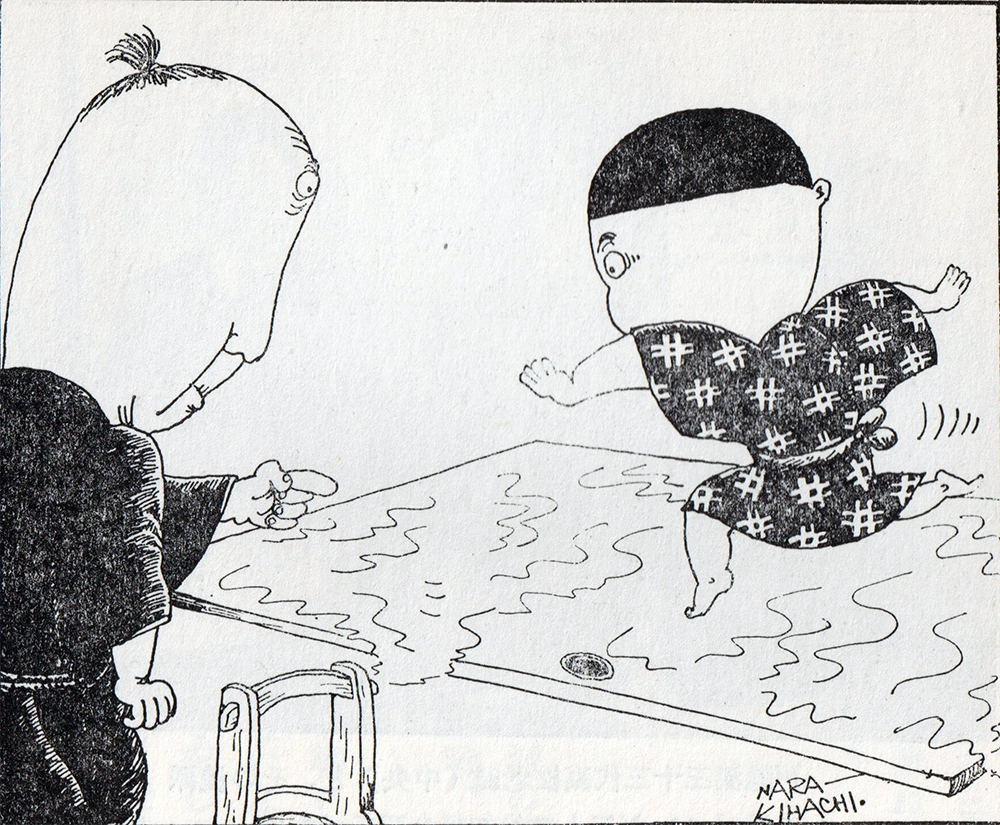
Crossing Wet Sliding Doors (Fusuma): Water was sprinkled on sliding paper doors, and the candidate had to walk across them. Those who tore the paper by stepping through failed, while those who crossed quickly without damaging it passed.
Submersion Test: A candidate’s head was submerged in a barrel filled with water. Those who quickly pulled their head out due to discomfort failed, while the test measured how long they could endure submersion.
Running Test: Candidates were made to run a set distance. Those who ended up panting heavily failed.
Upon passing these tests, candidates began practical training, starting with jumping exercises. For this, hemp seeds were planted in the ground, and once they sprouted, the candidate had to jump over the growing plants every day for three years. Hemp grows rapidly, reaching heights of over two meters, and the candidate had to keep pace with its growth, practicing forward, backward, sideways, and lateral jumps daily—rain or shine—for three years.
There were various jumping techniques, but traditional ninjas adhered to specific standards: a 50-shaku (approximately 4.5 meters) drop for descending from heights, a 9-shaku (2.7 meters) high jump, and a 3-ken (5.4 meters) long jump. Remarkably, to safely descend from a 50-shaku (15 meters) height, a parachute-like ninja tool was devised as early as 500 years ago.
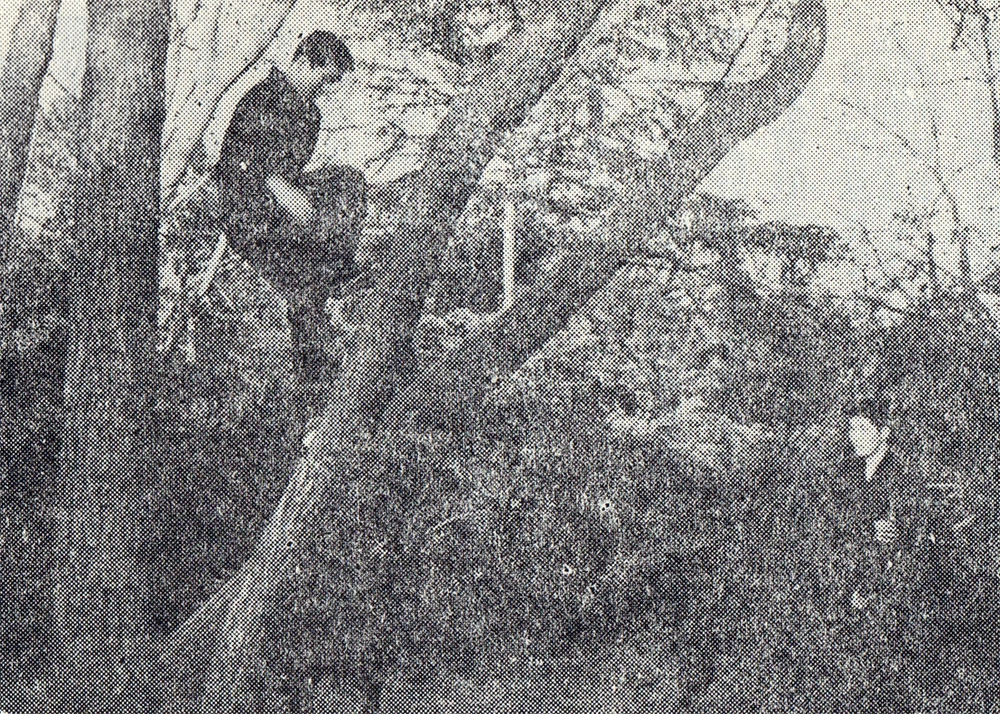
A modern ninja training, inheriting a 500-year tradition. On the right, a ninja is climbing a near-90-degree inclined tree at high speed.
Other training included diving, tree climbing, cliff scaling, sprinting, and endurance without sleep. Ninjas would wear deer-tanned leather clothing directly against their skin to train themselves not to sweat, and they avoided eating strong-smelling foods to maintain an odorless body.
In terms of martial arts, they had to master swordsmanship, spearmanship, staff techniques, jujutsu, and fist techniques, as well as chain techniques (kusarijutsu), fire techniques (kajutsu), horseback riding, and swimming. Additionally, they needed expertise in performing arts (yūgei), disguise techniques, pharmacology, astronomy, geography, and humanities. They also studied skills like rope escape, lock-picking, forging documents and seals, and mimicking sounds and voices—a seemingly endless array of techniques.
Looking at this list, becoming a full-fledged ninja seems like an immense challenge, almost superhuman. On this matter, Okuse Heijirō, previously mentioned, commented:
“Mastering even one of the skills listed would take several years, and completing all of them would be impossible even in a hundred years. It’s likely an ideal rather than a realistic expectation.”
In practice, there were specialists—those skilled in diving, fire techniques, jumping, or throwing shuriken—who would form teams based on their strengths to accomplish assigned missions.
Living in a modern world filled with dangers like earthquakes, fires, explosions, and hijackings, how should we respond when suddenly faced with a disaster? Below, I will outline emergency evacuation methods step by step.
Excerpt above about Qualifications for Becoming a Ninja from the book Ninpō Chōjin no Sekai by Ōhira Yōsuke.
Endorsement by Hatsumi Yoshiaki 34th Sōke of Togakure-ryū Ninpō 28th Sōke of Kukishinden Happō Hiken
Upon hearing that Professor Ōhira was publishing an introductory book on ninjutsu, I was convinced that it would undoubtedly become an exceptional work on the subject. This confidence stems from the fact that Professor Ōhira has dedicated decades to researching ninjutsu—not merely by studying historical texts or research books on the subject, but by forming deep, familial bonds with living ninjas over many years. I am one of those ninjas.
Therefore, Professor Ōhira possesses knowledge of secret teachings (hiden) that a mere researcher could never glimpse.
I believe that ninjutsu is, in essence, a method of mastering the art of living with a spirit of harmony, peace, and joy (kasei waraku). To this end, ninjutsu practitioners have honed their wisdom to live happily by cultivating their body, mind, and spirit through endurance (nin).
In today’s chaotic era, isn’t the proper application of ninjutsu—despite its potentially dangerous nature—precisely what modern society needs? This book, which comprehensively elucidates all aspects of ninjutsu, not only explains the art but also serves as a personal guide for navigating life. This is why I, as a ninja, proudly endorse it to the world (kōko).
Yōsuke Ōhira (大平陽介) Writer and literary critic. Real name: Ryōichi Yahata. Born in 1904 in Fukushima Prefecture. After dropping out of Chūō University’s Faculty of Law, he worked at Shinchōsha before serving as the inaugural editor-in-chief of NHK’s monthly magazine Broadcast and the Freedom Publishing Association’s Reading Outlook (a predecessor to the current Weekly Reading Person). He is currently a standing committee member of the Tokyo Writers’ Club and a councilor of the Japan Children’s Literature Association. His representative work is Full Moon Literature (Shunyō Bunko). Alongside his prolific writing career, he has a keen interest in exploring ancient martial arts (kobudō), and has authored works such as Sword Courage Record (Daidō Inshokan), which incorporates the secrets of martial arts. This book also reflects a portion of his extensive research accumulated over many years.
大平陽介 Ōhira Yōsuke 忍法・超人の世界 Ninpō Chōjin no Sekai
Published January 1, 1975 254 pages ISBN-10 : 4026060314 ISBN-13 : 978-4026060316
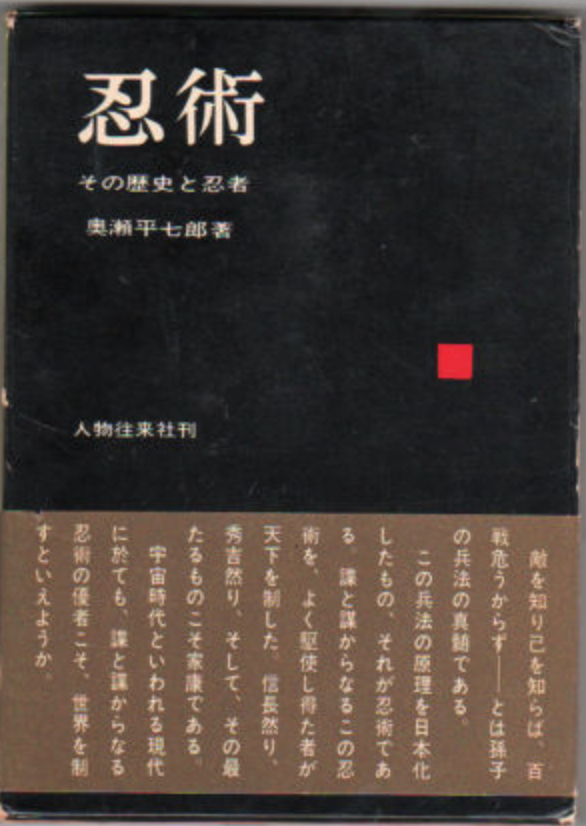
Tenshō Iga War (Page 193-1199) from the book Ninjutsu Sono Rekishi To Ninja by Heishichirō Okuse.
As previously noted, the Iga ninjutsu practitioners harbored deep resentment toward 織田 信長 Oda Nobunaga, viewing him as an irreconcilable enemy, primarily due to the Tenshō Iga War.
What Was the Tenshō Iga War?
Throughout the Sengoku period (1467–1615 CE), 伊賀 Iga was largely a leaderless region. Toward the end of the Sengoku period, Niki Danjō Tomoume briefly held the nominal title of lord of Iga, supported by local chieftains, but, dissatisfied with a mere titular role, he was driven out and forced to flee—a rare event in Iga’s history.
織田 信雄 Oda Nobukatsu (1558-1630)
The one who set his sights on this leaderless Iga was Kitabatake Nobuo (also known as 織田 信雄 Oda Nobuo), who had been adopted into the Kitabatake family, orchestrated the murder of his adoptive father, and seized control of the family to become the lord of Ise. Nobuo was the son of Oda Nobunaga. When Nobuo became the lord of Kitabatake, Iga suddenly found itself directly bordering Oda-controlled territory.
Nobuo noticed that a sturdy mountain castle at Maruyama in Shimogōbe, Nabari District, Iga Province—originally built by his adoptive father, Kitabatake Tomonori, as a base for attacking Iga—had fallen into disrepair. He ordered his vassal, Takigawa Saburōbē, to repair and restore the castle.
Realizing that Nobuo’s actions marked the beginning of Oda Nobunaga’s invasion of Iga, the Iga local warriors (Jizamurai) gathered at Heirakuji Temple in Ueno Castle to discuss the situation. They resolved to set aside past grievances, uniting the northern and southern Iga warrior groups to resist the external threat. Consequently, the Iga forces launched a surprise attack on the nearly completed Maruyama Castle, burning it down and driving Takigawa Saburōbē back to Ise. This occurred in July 1578 CE (Tenshō 6).
The First Tenshō Iga War
Upon receiving Takigawa’s report, Nobuo was enraged and vowed revenge. The following year, in September 1579 CE (Tenshō 7), he led an army of over 8,000 from his castle at Matsugasaki toward Iga. This marked the First Iga War. Nobuo, commanding a large army, aimed to conquer Iga in one swift campaign, splitting his forces into three routes. However, the Iga army (a coalition of local warriors), having received prior intelligence of this plan, skillfully used the mountainous terrain to block Nobuo’s advance.
From the morning to the afternoon of September 17, the Iga forces, with all ninjutsu practitioners mobilized, pinned down Nobuo’s army on the mountain paths. At night, they employed their signature night raids and surprise attacks, striking Nobuo’s forces. As a result, all three routes of Nobuo’s army suffered heavy losses, and by the morning of September 18, Nobuo himself was forced to flee for his life with his remaining troops. The outnumbered Iga army had triumphed over Nobuo’s large force.
When Nobunaga heard of Nobuo’s defeat, he reprimanded him, saying, “What a fool to cause trouble at such a critical time!” He ordered Nobuo to stand down and prohibited further military action against Iga. For Nobunaga, who was focused on unifying Japan, Nobuo’s attack on Iga was an unnecessary distraction—an example of “a child not understanding a parent’s intentions.” However, Nobunaga likely made a firm resolve at that moment: “Iga, you’ll pay for this! As soon as I have the chance, I’ll crush you completely!” His subsequent actions—the Second Iga War—reveal this intent.
The Second Iga War
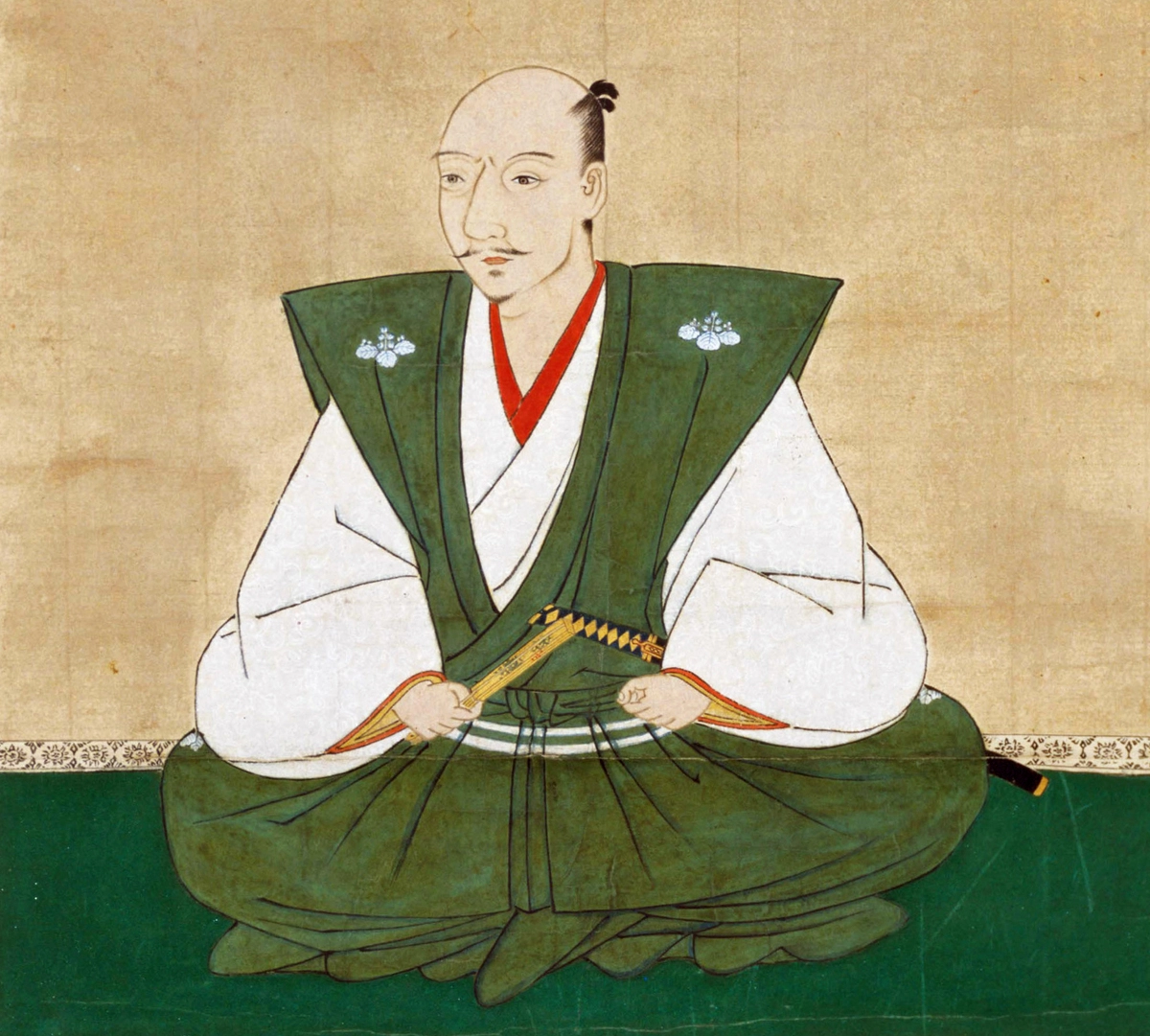
織田 信長 Oda Nobunaga (1551-1582)
Two years later, in September 1581 CE (Tenshō 9), when the tides of national power had begun to stabilize, Nobunaga suddenly gathered his generals at Azuchi Castle and ordered an immediate attack on Iga.
The announcement was so abrupt that the summoned generals were reportedly taken aback. (Nobunaga likely took great care to prevent Iga and Kōga ninjutsu practitioners from gathering intelligence, which would have given the Iga warriors time to prepare.) The invasion plan was as follows:
Asano Nagamasa, Shinjō Suruga-no-Kami, Ikoma Uta-no-Kami, Mori Ichikigami, Toda Danjō-Shōsuke, Sawa Genjirō, Akiyama Sakon-Dayū, Yoshino Miyauchi-Shōsuke 〇
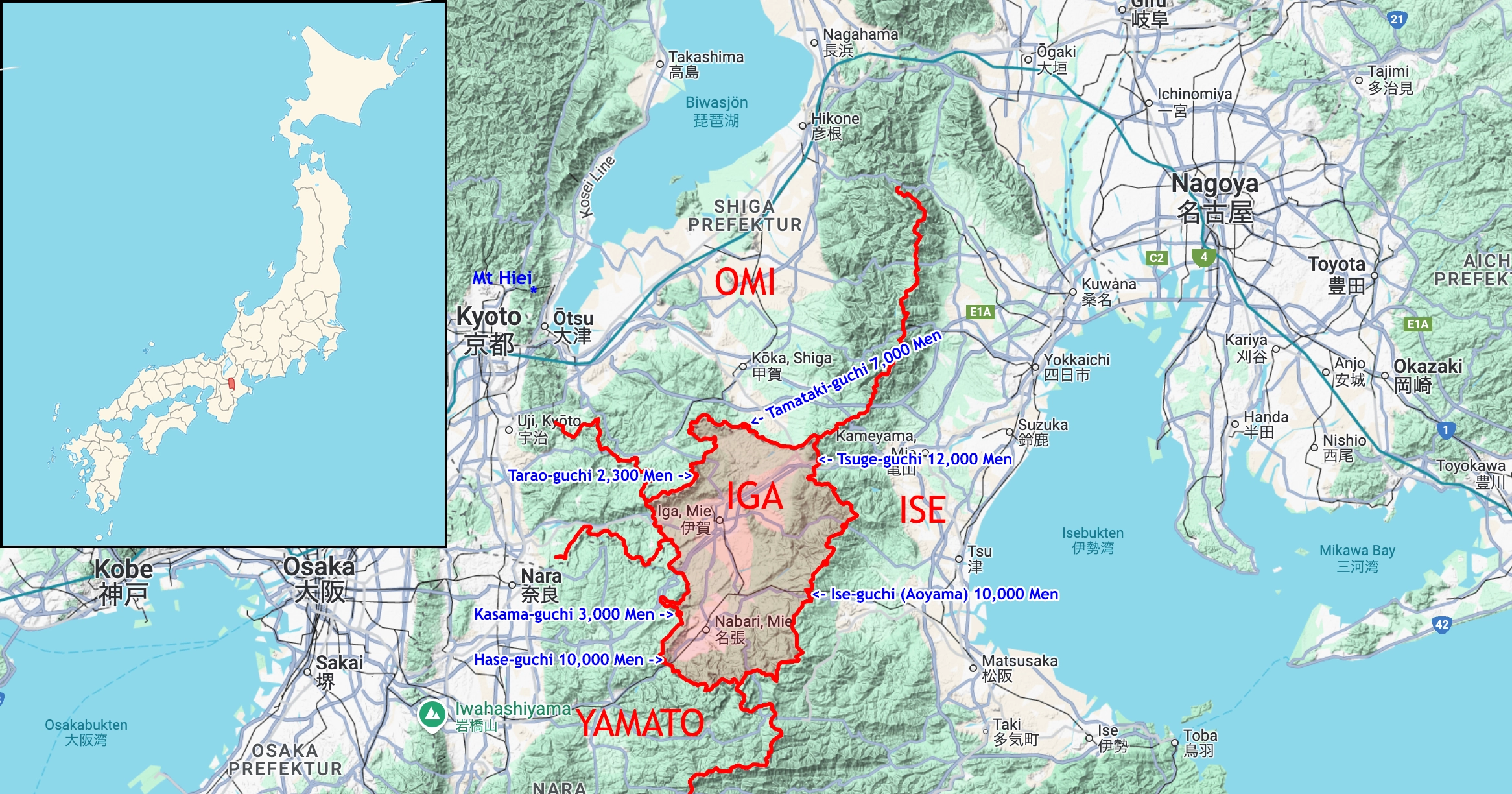
10,000
6. Tarao Route
Hori Hidemasa, Tarao Mitsuhiro 〇
2,300
Total Routes: 6
23 Generals
Total Troop Strength: 46,300
伊賀惣国一揆 Iga Sokoku Ikki “Iga ikki” (1460–1581)
This was an enormous army for the time. Iga’s population during this period is estimated at around 90,000, meaning the invading force was over half the region’s entire population. Nobunaga instructed his generals to thoroughly exterminate the Iga warriors and implement a scorched-earth strategy.
On September 27, the invasion forces attacked Iga from all six routes simultaneously, descending like an avalanche. The Iga coalition army, numbering fewer than 4,000 across the entire region, stood to resist them. Despite the ninjutsu practitioners leading their得意 mountain warfare, night raids, and guerrilla tactics, the outcome was predetermined by the sheer disparity in numbers.
The battle, which began on September 27, ended after seven days with a complete victory for the Oda forces, except for a few remaining pockets of resistance. Kashiwara Castle, where southern Iga warriors made their last stand, fell on October 28, marking the end of the Iga War in both name and reality.
Excerpt above about Ninjutsu History from the book Ninjutsu Sono Rekishi To Ninja by Heishichirō Okuse.
Heishichirō Okuse (奥瀬 平七郎, おくせ へいしちろう) was a Japanese novelist, researcher, and politician born on November 13, 1911, in Ueno, Japan. He passed away on April 10, 1997.
Okuse graduated from Waseda University and studied under the renowned author Masuji Ibuse. He developed a particular interest in ninjutsu (the art of stealth and espionage), contributing to its study and preservation. Professionally, he worked for the Manchurian Telephone & Telegraph Company.
In addition to his literary and research endeavors, Okuse served as the mayor of Ueno from 1969 to 1977. His multifaceted career reflects a deep engagement with both traditional Japanese martial arts and public service.
Ninjutsu Sono Rekishi To Ninja 318 pages was published Showa 38 (1963) by Shokusando
“Differences Between Iga and Kōga” (Page 118-121) from the book Ninjutsu Sono Rekishi To Ninja by Heishichirō Okuse.
When considering the origins of the Kōga ninja clans, two key points stand out. First, 飯道山Handōzan, a Shugendō training ground founded by 役 行者 En no Gyōja, is located in the heart of the Kōga region. Second, in ancient times, the Kōga region was not distinguished from Iga and existed as part of Iga District, meaning the residents of both Iga and Kōga were essentially the same ethnic group.
The name “Iga” was established in the third year of Emperor Kōrei’s reign when the Yamato court extended its governance over both Iga and Ise provinces. According to the Nihon Shoki, “The land of Ise is the land of Isetuhiko, and Iga is the land governed by Igatuhime, ruled by their vassals,” indicating that the names used by the indigenous people were officially retained.
The original inhabitants of Iga and Ise were of the same ethnic stock, with “Iga” (IGA) meaning “mountainous interior” and “Ise” (ISE) meaning “plains,” as descriptive terms for their respective regions. After the introduction of Chinese characters, the names IGA and ISE were assigned the characters 伊賀 (Iga) and 伊勢 (Ise).
It’s unclear exactly when Kōga District was separated from Iga District, but it likely occurred sometime after the Nara period (710–794 CE). The authorities at the time chose the character 甲 (Kō), which shares the same “I” sound as 伊 (I), to name the new district Kōga.
Thus, Kōga is not a name derived from ancient phonetics but rather a repurposing of Chinese characters, meaning the term “Kōga” (KOGA) itself has no inherent meaning. Even after the separation, the cultural and ethnic unity between the two regions remained largely unchanged. Until the Tokugawa period (1603–1868 CE), when a rigid feudal system fully isolated the two, their customs, culture, and interpersonal exchanges continued as if they were still a single district.
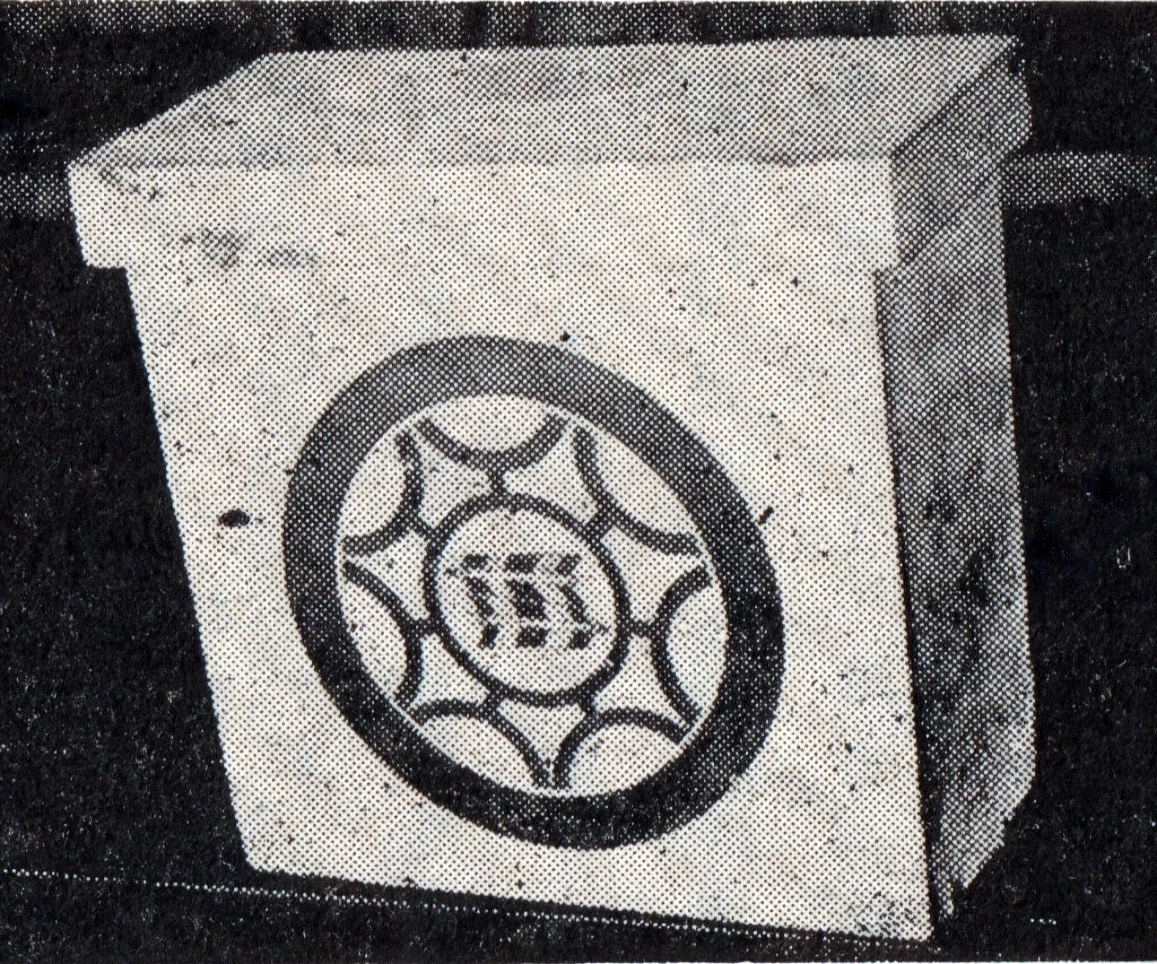
A box bearing the Momochi family crest
The primary difference between the two regions lies in their political circumstances during this period. Iga was nominally under the control of temple and shrine estates (Shajiryō), so its local warriors (Jizamurai) lacked a unified military authority (Shugo, or provincial governor) to rely on. In contrast, Kōga, being part of Ōmi Province, was directly governed by the Shugo of Ōmi, a military authority connected to the central regime.
Iga’s local warriors formed a coalition government and maintained their independence, while Kōga’s warriors, whether they liked it or not, were subject to the governance of Ōmi’s Shugo. That said, Kōga also had some temple and shrine estates, though these were limited to areas near the border with Iga District and were not significant enough to hinder the influence of the Shugo. (I even suspect that the separation of Iga and Kōga Districts may have been due to the distinction between temple/shrine estates and aristocratic estates.)
Under these circumstances, Kōga’s local warriors solidified their status as vassals (Gokenin) of the Shugo appointed by the shogunate, while maintaining strong ties with the free local warriors of Iga, navigating this era through such relationships.
It is a clear fact that these Kōga warriors learned military strategy (Heihō), which includes ninjutsu, martial arts (Bujutsu), and military science (Heigaku), at Handōzan.
Handōzan is one of the three sacred mountains in Koga.
Handōzan is a Shugendō training ground established earlier than Mount Hiei, making it one of the oldest Shugendō sites after Yoshino. Until Shijūkuin, a Shingon-affiliated Shugendō training ground, was established in Shijūku Village in Iga Province, Handōzan was the only Shugendō sacred site in the northern part of Iga (at the time of its founding, Kōga was likely still part of Iga District). This training ground, which served as the foundation for transmitting the seeds of ninjutsu—Yamabushi Heihō—to Iga, was also the place where Kōga’s local chieftains trained in military strategy.
Until Shijūkuin was founded in Iga by Kūkai, the local chieftains of Iga (primarily from northern Iga) trained in military techniques alongside Kōga’s chieftains at Handōzan. It’s only natural that the Kōga warriors included a significant number of Hattori clan members, as both groups originally lived in the same region, with the Hattori being the most dominant force there. The deep blood ties between them became an invisible bond connecting the ninja clans of Kōga and Iga, a point that deserves special attention.
In any case, from the early Kamakura period, Kōga’s local warriors solidified their status by becoming vassals of the Shugo. The first Shugo of Ōmi appointed by the Kamakura Shogunate was Sasaki Sadatsuna. Sadatsuna was the eldest son of Sasaki Hideyoshi, a general loyal to Yoritomo, and the older brother of Sasaki Takatsuna, famous for his role in the Uji River battle. Their father, Hideyoshi, died in battle in Ōmi in 1184 CE (Juei 3) against Taira no Ietsugu, a Taira vassal, which likely contributed to Sadatsuna’s appointment as Shugo of Ōmi Province after the fall of the Taira clan, due to his military merits. Although there were some changes over time, the position of Shugo of Ōmi was hereditarily held by the Sasaki clan.
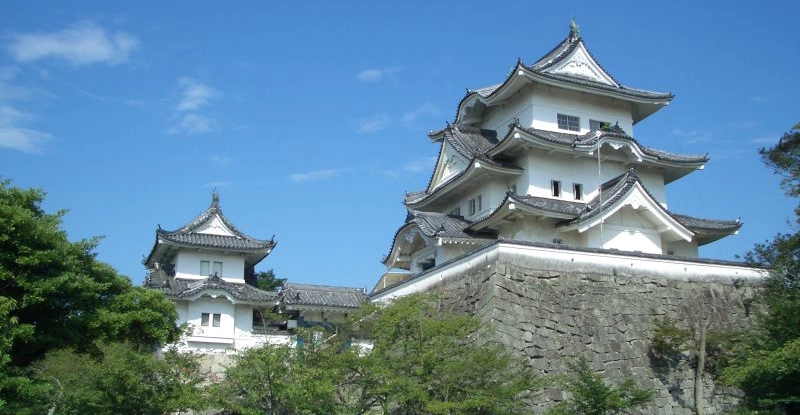
Iga Ueno Castle (Reconstruction of the original castle from 1585, Wikipedia)
By the late Kamakura period, a remarkable figure named Takauji emerged in the Sasaki family, greatly expanding its influence. This Takauji, later known as Sasaki Nyūdō Dōyo after taking Buddhist vows, was a master of espionage (Yōkan). He skillfully navigated the chaotic times using the Kōga ninja groups, maintaining the Sasaki family’s status.
By this period, the Kōga ninja clans had become vassals of the Sasaki family, operating under the unified command of Sasaki Takauji. It’s likely that during this time, the foundation for what would later be known as the “Fifty-Three Families of Kōga” was steadily being established.
Can there really be two distinct schools that use the same manual, regard the same author as the foundational figure of their school, and do so without suspicion?
Bansen Shūkai (Held by the Okimori Collection, Iga Ueno)
If we force ourselves to find a difference, it’s only that the Kōga clans are referred to as the “53 Kōga Families” and the Iga clans as the “49 Iga Schools,” reflecting the different regions where these ninjutsu practitioners resided. In other words, two regions under different administrative authorities were inhabited by the same ethnic group, speaking the same language, and practicing the same techniques—one was simply called Kōga-ryū, the other Iga-ryū. Even these regions were artificially divided in ancient times for political reasons, against natural geographical boundaries. Naturally, Iga and Kōga are essentially a single contiguous area. (Page 178).
The 53 Kōga Families
山中十郎 Yamanaka Jūrō (Hashi)
嵯峨越前守 Saga Echizen no Kami (Hashi)
宮島掃部介 Miyajima Kamonnosuke (Hashi)
倉治右近介 Kuraji Ukon no Suke (Hashi)
平子主殿介 Hirako Tononosuke (Hashi)
葛城丹後守 Katsuragi Tango no Kami (Hashi)
杉谷与藤次 Sugitani Yotōji (Hashi)
土山鹿之助 Tsuchiyama Shikanosuke (Hashi)
美濃部源吾 Minobe Gengo (Sugawara)
隠岐右近太夫 Oki Ukon Tayū (Minamoto)
芥川左京亮 Akutagawa Sakyōryō (Minamoto)
宇田藤内 Uda Tōnai (Minamoto)
望月出雲守 Mochizuki Izumo no Kami (Minamoto)
針和泉守 Hari Izumi no Kami (Minamoto)
鵜飼源八郎 Ukai Genhachirō (Minamoto)
小川孫十郎 Ogawa Magojūrō (Minamoto)
山上藤七郎 Yamagami Tōshichirō (Minamoto)
八田勘助 Hatta Kansuke (Minamoto)
神保兵内 Jimbo Hyōnai (Koremuni)
饗庭河内守 Aeba Kawachi no Kami (Koremuni)
頼宮四方介 Yorimiya Shihōsuke (Fujiwara)
上山新八郎 Ueyama Shinhachirō (Fujiwara)
青木筑後守 Aoki Chikugo no Kami (Tatara)
小泉外記 Koizumi Geki (Tatara)
鳥居兵内 Torii Hyōnai (Taira)
杉山八郎 Sugiyama Hachirō (Taira)
夏見大学 Natsumi Daigaku (Natsumi)
多羅尾四郎兵衛 Tarao Shirōbei (Shinohara)
三雲新蔵人 Mikumō Shin Kurōdo (Tanba)
長野刑部丞 Nagano Gyōbushō (Fujiwara)
多喜勘八郎 Taki Kanhachirō (Tomoe)
野田五郎 Noda Gorō (Tomoe)
内貴伊賀守 Naiki Iga no Kami (Fujiwara)
岩室大学介 Iwamuro Daigakusuke (Tachibana)
中山民部丞 Nakayama Minbushō (Tachibana)
高野備後守 Takano Bingo no Kami (Koremuni)
大原源三郎 Ōhara Genzaburō (Tomoe)
和田伊賀守 Wada Iga no Kami (Minamoto)
牧村右馬介 Makimura Yumano Suke (Tomoe)
池田庄右衛門 Ikeda Shōemon (Fujiwara)
服部藤太夫 Hattori Tōdayū (Taira)
大河原源太 Ōgawara Genta (Taira)
大久保源内 Ōkubo Gennai (Taira)
佐治河内守 Saji Kawachi no Kami (Taira)
上野主膳正 Ueno Shuzen no Shō (Tomoe)
上田三河守 Ueda Mikawa no Kami (Tomoe)
大野宮内少輔 Ōno Miyauchi Shōsuke (Fujiwara)
岩根長門守 Iwane Nagato no Kami (Tomoe)
黒川文内 Kurokawa Bunnai (Tomoe)
高峰蔵人 Takamine Kurōdo (Taira)
高山源太左衛門 Takayama Gentazaemon (Tachibana)
伴左京介 Ban Sakyōsuke (Tomoe)
新庄越後守 Shinjō Echigo no Kami (Fujiwara)
From Page 175-177
The 49 Iga Schools
Gen-Ryū
Genjitsu-Ryū
Gikan-Ryū
Goton-juppo-Ryū
Gyokko-Ryū
Gyokushin-Ryū
Hakuun-Ryū
Hattori-Ryū
Iga-Ryū
Kadone-Ryū
Koto-Ryū
Kukishinden-Ryū
Kumogakure-Ryū
Momochi-Ryū
Rikyoku-Ryū
Ryūmon-Ryū
Sawa-Ryū
Taki-Ryū
Takino-Ryū
Tenton Happo-Ryū
Togakure-Ryū
Tsuji-ichimu-Ryū
Uchikawa-Ryū
Yoshimori-Ryū
Okuse did not list any schools in his book, it seems like it is not easy to get a total list of all the “49 schools”, but here is a few of them listed above.
Excerpt above about Ninjutsu History from the book Ninjutsu Sono Rekishi To Ninja by Heishichirō Okuse.
Heishichirō Okuse (奥瀬 平七郎, おくせ へいしちろう) was a Japanese novelist, researcher, and politician born on November 13, 1911, in Ueno, Japan. He passed away on April 10, 1997.
Okuse graduated from Waseda University and studied under the renowned author Masuji Ibuse. He developed a particular interest in ninjutsu (the art of stealth and espionage), contributing to its study and preservation. Professionally, he worked for the Manchurian Telephone & Telegraph Company.
In addition to his literary and research endeavors, Okuse served as the mayor of Ueno from 1969 to 1977. His multifaceted career reflects a deep engagement with both traditional Japanese martial arts and public service.
Ninjutsu Sono Rekishi To Ninja 318 pages was published Showa 38 (1963) by Shokusando
At thirteen years old, he obtained the full mastery license of 柔体術 Jūtai-jutsu.
In Meiji 22 (1889), he was born in 兵庫県 Hyōgo-ken, 明石市 Akashi-shi. From nine years old, under his grandfather 戸田真竜軒正光 Toda Shinryūken Masamitsu, he received instruction in 虎倒流骨指術 Kotō-ryū Koppojutsu, and four years later, he endeavored to master 戸隠流忍術 Togakure-ryū Ninjutsu.
Additionally, from 石谷松太郎隆景 Ishitani Matsutarō Takekage, he was taught secret transmissions of 白雲流隠身術 Hakuun-ryū Inshin-jutsu, 八法秘剣術 Happō Hiken-jutsu, 義鑑流骨法術 Gikan-ryū Koppō-jutsu, and others.
In childhood, he was frail and a crybaby, but possessing natural talent recognized by his grandfather, at thirteen years old, he obtained the full mastery license of 不動流柔体術 Fudō-ryū Jūtai-jutsu. That same year, three delinquent boys provoked him, and he threw them all down. These belonged to a delinquent group called 敷島国 Shikishima-koku, and in retaliation, fifty or sixty delinquents ambushed him in the dark, but he threw them all down, sustaining not a single scratch. This incident became widely known, reported in local newspapers as “The Thirteen-Year-Old Judo Master!” causing a great uproar.
Under grandfather 真竜軒 Shinryūken and 石谷松太郎 Ishitani Matsutarō, he accumulated training in 忍術 Ninjutsu and 八法秘剣 Happō Hiken, and at nineteen years old, he secluded himself in the depths of shame, devoting himself to mental and physical training.
At this time, he developed clairvoyance-like supernatural abilities, and being called a hermit or 今天狗 Kon Tengu by people, it is interesting that there is a connection with the case of 藤田西湖 Fujita Saiko (see the column described later).
At twenty-one years old, he descended 摩耶山 Maya-san, crossed to the Chinese continent, and while staying in 天津 Tenshin, was recommended as president of the 北支那 Kita Shina Japanese Youth 武徳会 Budōkai.
In this era, at the suggestion of a high-ranking 支那 Shina government official, he fought a one-on-one match with 張 Chō, the foremost master of 支那拳法 Shina Kenpō, with equal strength, continuing the struggle for several hours without a decision, resulting in a draw, and they made a brotherly pact.
Returning to Japan at thirty years old, he settled in 奈良県檜原市 Nara-ken Hiwara-shi, running a diner while living a hermit’s life in his later years, guiding juniors, and passed away in Shōwa 47 (1972) at eighty-five years old.
Father is “Demon Detective.” Master of Music and Flower Arrangement
Real name is 藤田勇 Fujita Yū. In Meiji 32 (1899), he was born in 東京 Tōkyō, 浅草 Asakusa. His real father 森之助 Morinosuke was a detective of the 警視庁 Keishichō, renowned as a master of 捕縄術 Hojōjutsu, dominating an era.
As the great boss of pickpockets, feared throughout Japan, 仕立屋銀次 Shitaya Ginzō, or when serving at the 青梅 Ōme resident police post, he conducted a sweeping crackdown on mountain bandits nesting in the 奥多摩 Okutama to 秩父 Chichibu mountains, and was sung in a ditty’s lyrics as “Detective 藤田 Fujita is scarier than a demon.”
His ancestors were, for generations, distinguished secret agents of the 徳川家 Tokugawa-ke, descending from 和田伊賀守 Wada Iga no Kami, said to be one of the 南山六家 Nanzan Rokuka or six great names among the 甲賀流五十三家 Kōga-ryū Gojūsanka, and at six years old, recognized by his grandfather, the 十三世 13th soke, he began 忍術 Ninjutsu training, enduring hardship and later inheriting the 十四世 14th soke.
Besides learning 拳法 Kenpō, 柔術 Jūjutsu, 槍術 Sōjutsu, 長刀 Naginata, 棒 Bō, 十手 Jitte, 手裏剣 Shuriken, and other martial arts from his grandfather and 橋本一夫斎 Hashimoto Ichifusai, he mastered the essence of 茶道 Chadō, 生け花 Ikebana, 音曲 Ongyoku, 舞踊 Buyō, 書画 Shoga, and others under respective masters. 西湖 Saiko is his artist’s name for painting.
He was also the instructor of ルバング島 Rubangu-tō returnee soldier 小野田元少尉 Onoda Moto Shōi!
At seven years old, as a clairvoyance ability holder, he was discovered by 博士 Doctor 福来友吉 Fukurai Tomokichi, an authority in that field, and seized the attention of the mass media at the time. Now called superpowers, but with clairvoyant power and accurate prophecies, at twenty years old, he was deified as a “living god” and greatly prospered. Money came in abundantly, but unable to play at cafés, it was extremely confining. Even if he tried to escape, the surveillance of his entourage was strict, and finally, riding the darkness of night, he fled to 大阪 Ōsaka—this was said to be the first practical use of 忍術 Ninjutsu.
His education was from 早稲田実業 Waseda Jitsugyō to graduating from 日大宗教科 Nichidai Shūkyō-ka. He worked as a reporter for 報知 Hōchi, 日日 Nichinichi newspapers, and from Taishō 11 (1922), served as a martial arts instructor at 陸軍戸山学校 Rikugun Toyama Gakkō, 陸士 Rikushi, 陸大 Rikudai, and other institutions, and from Shōwa 12 (1937), when the 陸軍中野学校 Rikugun Nakano Gakkō was established, he became an instructor teaching 忍術 Ninjutsu. 小野田少尉 Onoda Shōi, who returned from ルバング島 Rubangu-tō after thirty years, was also his student.
In Shōwa 41 (1966), January, he passed away at sixty-eight years old, his grave is at 飯泉山勝福寺 Iizumi-yama Shōfuku-ji in 小田原市 Odawara-shi, his posthumous name is 六大院無礙西湖大居士 Rokudai-in Muge Saiko Dai Koji.
In Shōwa 6 (1931), December, he was born in 千葉県 Chiba-ken, 野田市 Noda-shi. He graduated from 明治大学文学部 Meiji Daigaku Bungaku-bu and then from 高等針医専門学校 Kōtō Shini Senmon Gakkō in 四谷 Yotsuya. From elementary school, he loved sports and martial arts, studying 空手 Karate, ボクシング Bokushingu, 剣道 Kendō, 柔道 Jūdō under respective masters, but ultimately realized that the essence of martial arts lies entirely in 古武道 Kobudō, and underwent rigorous training under prominent martial artists while traveling various provinces.
“There is nothing more for me to teach you. For anything beyond this, seek instruction from 高松寿嗣先生 Tak松 Toshitsugu-sensei in 奈良 Nara,” one of his masters suggested, and in Shōwa 18 (1943), he visited 高松先生 Tak松-sensei residing in 奈良県橿原 Kashihara-ken.
高松先生 Tak松-sensei, upon seeing 初見氏 Hatsumi-shi at first glance, recited a seven-syllable quatrain poem ending with “神州人あり、待つこと久し Jinshū hito ari, matsu koto hisashi” to welcome him, it is said.
The 老師 Rōshi, lamenting that there was no suitable successor to pass down the tradition and that the 戸隠流 Togakure-ryū lineage, continuing unbroken since the 徳川 Tokugawa era, might end, upon seeing the rare genius 初見氏 Hatsumi-shi, this poem spontaneously burst from his mouth, it seems.
Dojo Master with Disciples in Seven Countries of the World
Greatly inspired by the acquaintance of 高松老師 Tak松 Rōshi, 初見氏 Hatsumi-shi regarded this person as a lifelong master and devoted himself, traveling from 千葉 Chiba, 野田市 Noda-shi to 高松道場 Tak松 Dōjō in 奈良 Nara, 橿原 Kashihara, at least three times a month by express train, striving in the path of martial training where master and disciple’s hearts connect.
Thus, after fifteen years passed, in the 33rd year, he was entrusted with the lineage of 戸隠流忍法 Togakure-ryū Ninpō 34th generation, as well as 九鬼神伝八法秘剣 Kukishinden Happō Hiken 28th generation, 玉虎流骨指術忍法 Gyokko-ryū Koppojutsu Ninpō 28th generation, 虎倒流骨怯術 Kotō-ryū Kokkyaku-jutsu 18th generation, 義鑑流 Gikan-ryū 15th generation, 雲隠流忍法 Kumogakure-ryū Ninpō 14th generation, 神伝不動流打拳体術 Shinden Fudō-ryū Dakentaijutsu 26th generation, 高木
心流柔体術 Takagi Yōshin-ryū Jūtaijutsu 17th generation, and other eight school headships. 忍術 Ninjutsu, until 藤田西湖氏 Fujita Saiko-shi, was extremely orthodox in both technique and spirit, but with 初見氏 Hatsumi-shi, while inheriting ancient techniques, its spirit is modern, aspiring to the internationalization of 忍法 Ninpō, managing 武神館 Bujinkan, and striving to guide juniors. Many foreign martial artists learn from him, and presently, 初見道場 Hatsumi Dōjō branches exist in イスラエル Isuraeru, インド Indo, 英 Ei, 仏 Futsu, 米 Bei, スイス Suisu, デンマーク Denmāku.
Three Last Ninja Excerpts from the book Ninpō Chōjin no Sekai by Ōhira Yōsuke.
Endorsement by Hatsumi Yoshiaki 34th Sōke of Togakure-ryū Ninpō 28th Sōke of Kukishinden Happō Hiken
Upon hearing that Professor Ōhira was publishing an introductory book on ninjutsu, I was convinced that it would undoubtedly become an exceptional work on the subject. This confidence stems from the fact that Professor Ōhira has dedicated decades to researching ninjutsu—not merely by studying historical texts or research books on the subject, but by forming deep, familial bonds with living ninjas over many years. I am one of those ninjas.
Therefore, Professor Ōhira possesses knowledge of secret teachings (hiden) that a mere researcher could never glimpse.
I believe that ninjutsu is, in essence, a method of mastering the art of living with a spirit of harmony, peace, and joy (kasei waraku). To this end, ninjutsu practitioners have honed their wisdom to live happily by cultivating their body, mind, and spirit through endurance (nin).
In today’s chaotic era, isn’t the proper application of ninjutsu—despite its potentially dangerous nature—precisely what modern society needs? This book, which comprehensively elucidates all aspects of ninjutsu, not only explains the art but also serves as a personal guide for navigating life. This is why I, as a ninja, proudly endorse it to the world (kōko).
Yōsuke Ōhira (大平陽介) Writer and literary critic. Real name: Ryōichi Yahata. Born in 1904 in Fukushima Prefecture. After dropping out of Chūō University’s Faculty of Law, he worked at Shinchōsha before serving as the inaugural editor-in-chief of NHK’s monthly magazine Broadcast and the Freedom Publishing Association’s Reading Outlook (a predecessor to the current Weekly Reading Person). He is currently a standing committee member of the Tokyo Writers’ Club and a councilor of the Japan Children’s Literature Association. His representative work is Full Moon Literature (Shunyō Bunko). Alongside his prolific writing career, he has a keen interest in exploring ancient martial arts (kobudō), and has authored works such as Sword Courage Record (Daidō Inshokan), which incorporates the secrets of martial arts. This book also reflects a portion of his extensive research accumulated over many years.
大平陽介 Ōhira Yōsuke 忍法・超人の世界 Ninpō Chōjin no Sekai
Published January 1, 1975 254 pages ISBN-10 : 4026060314 ISBN-13 : 978-4026060316
Excerpt about Ninja History from the book Ninjutsu Sono Rekishi To Ninja by Heishichirō Okuse.
Ancient Ninjutsu (600-700)
The Beginnings of Ninjutsu: A Chinese Origin. Ninjutsu did not originate in Japan. Between the 6th and 7th centuries, the knowledge of Chinese military strategy, specifically the “Art of Espionage” (Yōkan-jutsu) from Sun Tzu’s The Art of War (Sunzi), was imported into Japan. This became the “seed of ninjutsu,” which, over many centuries, evolved during the Warring States period (15th–16th centuries) into Japan’s unique “ninjutsu,” distinct from military strategy (Heihō) and martial arts (Bujutsu). This section, therefore, naturally focuses on tracing when, by whom, and how this “seed of ninjutsu”—the Yōkan-jutsu from Sunzi—was brought to Japan and put into practical use. The five chapters of this section all address this central theme.
Ninjutsu in the Nara Period (710-794)
The Nara period (710–794 CE) was a time when Japan’s ancient indigenous culture (Shinto culture) and the newly imported Chinese culture (Buddhist culture) intermingled and began to integrate. Due to the necessities of religious conflicts, the Chinese military strategy of espionage (Yōkan), inherited from previous eras, was further developed by Shugendō practitioners (mountain ascetics) into what became known as Yamabushi Heihō (Yamabushi Military Strategy). This development is a significant event in the formation of ninjutsu and must be thoroughly explored. Additionally, the introduction of esoteric Buddhism (Mikkyō) and the propagation of Buddhist teachings (Fukyō), which strongly influenced this process, are indispensable elements in the formation of Yamabushi Heihō that cannot be overlooked. This chapter focuses on tracing the historical successors of The Art of War (Sunzi)’s military strategy (espionage), examining the Shugendō tradition and its founder, En no Gyōja, and exploring how esoteric Buddhism, ancient Shinto, and Sunzi’s military strategies were blended in the hands of Yamabushi ascetics, evolving into something new.
Ninjutsu in the Heian Period (794-1185)
The “seed of ninjutsu,” known as Yamabushi Heihō (Yamabushi Military Strategy), spread across Japan during the Heian period (794–1185 CE) as it absorbed Yin-Yang philosophy (Onmyōdō) and expanded alongside the growth of esoteric Buddhism (Mikkyō), marked by the construction of Mikkyō temples nationwide. As these temples began employing warrior monks (Sōhei) to protect and develop their estates, Yamabushi Heihō spread from the Yamabushi to the warrior monks. Over time, interactions between warrior monks and samurai (Bushi) emerged, resulting in the transmission of Yamabushi Heihō techniques to the samurai class. This phenomenon was not limited to specific regions but became a nationwide trend. Notably, the rising Genpei clans—particularly the Genji (Minamoto clan)—developed a special relationship with Yamabushi Heihō. This section focuses on these historical developments, examining how figures such as Yin-Yang masters (Onmyōji), Genji warriors, Fujiwara Chikata, Kōga Saburō, the Hattori clan, and Heian-period bandits mastered Yamabushi Heihō, emerging as early inheritors of these techniques. Readers should pay particular attention to the frequent appearance of individuals from Iga and Kōga in these phenomena, as this highlights their significant role in the early development of ninjutsu.
Ninjutsu in the Genpei Period (1180-1185)
By the end of the Heian period (794–1185 CE), with signs of nationwide turmoil emerging, Yamabushi Heihō (Yamabushi Military Strategy) reached a stage of completion. This is exemplified by the Kurama Eight Styles (Kurama Hachiryū), a system in which military strategy (Heihō), martial arts (Bujutsu), and ninjutsu (Ninjutsu) were still grasped as a unified whole, not fully independent, but internally beginning to diverge into specialized fields. Through the efforts of Minamoto no Yoshitsune and Ise Saburō Yoshimori, the first “ninjutsu manual” known as Yoshitsune-ryū Ninjutsu was written. While its contents are not yet fully separated from military strategy, the fact that ninjutsu emerged in a distinct, albeit incomplete, form from its foundation in the Kurama Eight Styles is noteworthy. Another significant development of this era is the clear emergence of ninja clans in Iga. The fully developed form of Yamabushi Heihō was being passed down to the local warrior families (Jizamurai or Dogō, local chieftains) of Iga and Kōga. From this period onward, Yamabushi Heihō began to gradually transform into what would be recognized as “ninjutsu.”
Ninjutsu in the Kamakura Period (1185-1333)
During the Kamakura period (1185–1333 CE), the introduction of Zen Buddhism, which rapidly spread among the samurai class, had a significant impact on the later development of ninjutsu—a point worth noting. In Iga and Kōga, the samurai groups that emerged internally, while operating in different environments, adopted a strict isolationist stance toward external forces. Internally, they began to advance their governance through a coalition of local chieftains (Dogō), employing a policy of direct military resistance against external enemies (through samurai unity) and a strategy of coexistence internally (balancing power among factions). It’s notable that the methods they adopted during the chaotic Sengoku period were already taking root at this time. Additionally, two key developments influenced the later evolution of Iga and Kōga ninjutsu: the Iga ninja clan leaders, the Hattori (and Momochi) clans, reconciled with the newly arrived Ōe clan (from Kawachi), extending their influence into Yamato and Kawachi; and the Kōga ninja clans came under the control of the Sasaki clan, the provincial protectors, establishing a communication route to Kyoto (Kyōraku).
Ninjutsu in the Nanbokuchō Period (1336-1392)
During the late Kamakura period (1185–1333 CE), amidst the turmoil surrounding the fall of the Hōjō regime, a military genius, Kusunoki Masashige, rose to prominence. Masashige emerged as a master of unconventional tactics (Kihenpō), the foundation of ninjutsu, completing the framework for both offensive and defensive unconventional strategies that had been initiated by Minamoto no Yoshitsune during the Genpei period. Additionally, he established an independent organization for espionage and stratagem, advocating for the necessity of intelligence and covert operations during peacetime—what he termed Dakkōnin (political ninjutsu)—within the field of military science (Heigaku). The ninjas of Iga and Kōga, alongside the Yamabushi, became a faction supporting the Southern Court through Masashige’s mediation.
Ninjutsu in the Sengoku Period (1467-1615)
The Sengoku period (1467–1615 CE) marks the era in which ninjutsu reached its full maturity. It is only in this period that we can finally encounter “complete” ninjutsu. During this time, “ninjutsu-like” practices emerged in various regions across the country, but apart from the ninjutsu of Iga and Kōga, no other form can be considered truly complete. In this sense, Iga and Kōga ninjutsu represents the pinnacle of Japanese ninjutsu, far surpassing the hastily developed, naturally occurring ninjutsu of other regions in terms of sophistication. This is precisely why Iga (and Kōga) ninjas were so highly valued during this period. It would not be an exaggeration to say that among the military commanders who best utilized ninjutsu, Tokugawa Ieyasu stands as the greatest and most significant. The influence of ninjutsu and ninja organizations in his rise to dominance cannot be overlooked. Another notable fact is the significant impact that the introduction of gunpowder had on Iga (and Kōga) ninjutsu during this period. Additionally, a key characteristic of this era is the emergence of distinct schools (Ryūha) in military science (Heigaku), martial arts (Bujutsu), and ninjutsu (Ninjutsu), with these disciplines developing a high degree of artisan-like specialization (Artisan-sei) while also becoming professionalized.
Ninjutsu During the Oda-Toyotomi Period (1568-1615)
The Oda-Toyotomi period (roughly 1568–1615 CE, spanning the reigns of Oda Nobunaga and Toyotomi Hideyoshi) was the era in which ninjutsu, perfected during the Sengoku period, flourished most vibrantly. As mentioned previously, Japan’s largest and most formidable ninjutsu organizations—Iga-ryū and Kōga-ryū—were almost exclusively under the control of Tokugawa Ieyasu during this time. Consequently, the history of ninjutsu in this period cannot be examined independently of Ieyasu’s policies and actions. The activities of ninjas during this era are directly tied to the establishment of the Tokugawa regime. This section explores the adversarial relationship between Iga and Kōga ninjas and Oda Nobunaga and Toyotomi Hideyoshi, focusing on the events surrounding the Tenshō Iga Rebellion (1579–1581 CE), which was a major cause of this enmity. It also examines the movements of Iga and Kōga ninjas during this period, their nationwide dispersal, the origins and evolution of the Iga Dōshin (a ninja unit) within the Tokugawa Shogunate, and the history of the shogunate’s ninja management system within Iga.
Ninjutsu During the Tokugawa Period (1603-1868)
Overview of Ninjutsu’s Decline. Up until the early Tokugawa period, ninjutsu reached its peak, but as the demands of the era shifted, it rapidly entered a period of decline. The techniques and organizations of ninjutsu began to disintegrate swiftly, transitioning from political espionage to judicial espionage. It was during this time that ninjutsu’s secret manuals started to emerge publicly—a natural phenomenon given the changing times. As the era of judicial espionage began, the rise of talented figures like Ōoka Echizen-no-Kami (Ōoka Tadasuke), who became the town magistrate, marked the entry of Kishū-ryū ninjas into the ranks of covert operatives. The Shimabara Rebellion Chronicle (Shimabararanki) serves as a valuable record, casting a faint light on ninjutsu during its extinction phase alongside the last of the ninjas.
Excerpt above about Ninjutsu History from the book Ninjutsu Sono Rekishi To Ninja by Heishichirō Okuse.
Heishichirō Okuse (奥瀬 平七郎, おくせ へいしちろう) was a Japanese novelist, researcher, and politician born on November 13, 1911, in Ueno, Japan. He passed away on April 10, 1997.
Okuse graduated from Waseda University and studied under the renowned author Masuji Ibuse. He developed a particular interest in ninjutsu (the art of stealth and espionage), contributing to its study and preservation. Professionally, he worked for the Manchurian Telephone & Telegraph Company.
In addition to his literary and research endeavors, Okuse served as the mayor of Ueno from 1969 to 1977. His multifaceted career reflects a deep engagement with both traditional Japanese martial arts and public service.
Ninjutsu Sono Rekishi To Ninja 318 pages was published Showa 38 (1963) by Shokusando
Excerpt about Ninja and Sake from the book Ninjutsu Hiden by Heishichirō Okuse (page 172-174)
奥瀬 平七郎 Heishichirō Okuse (1911-1997)
I heard this from Master Fujita Seiko, but apparently, to be a ninja, you also need to be quite good at handling sake. There’s not a single mention of sake in the manuals, so there doesn’t seem to be any “special way of drinking,” but given the nature of their profession, ninja had to study every method of winning people over. It’s hard to believe they wouldn’t have used something as convenient as sake for that purpose. However, sake is a tricky thing—if you only encourage others to drink without drinking yourself, it can seem too obvious. In some cases, it might even backfire:
“What’s this? You keep pushing me to drink but don’t touch a drop yourself… What, you’re a teetotaler? Tch, what a boring guy!”
Instead of winning someone over, you might end up being pushed away. This leads me to agree with Fujita’s theory—though it’s not written in the manuals, a ninja must have been a considerable drinker, which seems entirely reasonable.
Now, regarding the drinking capacity of ninja: in the past, among ninja circles, someone who couldn’t drink much was said to be at the 嗅ぐ級 Kagu-kyū (sniffing level). Those who could handle a bit more were at the 嘗める級 Nameru-kyū (licking level). Beyond that, they’d enter the 飲む級 Nomu-kyū (drinking level). You might think the “sniffing” level meant just two or three cups, or at most a bottle (tōkuri (~180 mL to 360 mL), but that would be a huge misconception.
Standard Sake bottle is 1 Shō (1.8 Litre).
At the “sniffing” level, the minimum qualification was about one shō (roughly 1.8 liters, standard bottle size) of sake. To reach the “licking” level, you had to be able to drink at least five shō (about 9 liters), or you wouldn’t qualify. To be considered at the “drinking” level, you’d need to handle over one to (about 18 liters). And to be called “a good drinker,” you’d have to drink more than three to (54 liters) on your own—otherwise, you’d be labeled a liar.
In 1951 (Shōwa 26), Ueno City held a “Children’s Exposition,” and I was tasked with planning it. During that time, I came up with the idea for a “Ninjutsu Pavilion,” which marked the beginning of my connection with Fujita-sensei. I hope for good relations in the future, but back then, I had the chance to drink with Fujita about once every three days. However, I’m the kind of man who’s “not even fit to stand upwind of a ninja”—after just two or three cups, my face turns bright red. Master Seiko, being a proper ninja, would never get drunk on just one or two shō. When I asked the tactless question, “Sensei, how much can you drink?” he replied with a serious expression,
“Oh, I’m not much of a drinker. Just at the licking level, I suppose.”
After accompanying him four or five times, I realized that Fujita’s drinking capacity perfectly matched the “ninjutsu standard.” Truly, a gentleman knows himself—his capacity was five or six shō.
At five or six shō, he’d never get drunk. I remember thinking,
Fujita Seiko
“Well, at this level, there’s absolutely no worry of being killed by sake,” and I was oddly impressed.
In the past, even the least capable drinkers among ninja likely trained to at least reach the “sniffing” level. If you could drink one shō, you could pretend to be drunk while keeping your wits about you, taking advantage of your opponent’s inebriation to subtly probe their intentions or quickly build rapport by slapping shoulders together—something a ninja could do with ease.
Since hearing that you can’t become a ninja without reaching at least the “sniffing” level of drinking, I’ve completely given up on becoming one. For one, there’s the saying “you need to be alive to enjoy life,” and secondly, as a salaried worker, the “training fees” for such drinking would be a considerable burden.
For these reasons, I’ve limited myself to merely studying ninjutsu.
Excerpt above about Ninja and Sake from the book Ninjutsu Hiden by Heishichirō Okuse (page 172-174)
Heishichirō Okuse (奥瀬 平七郎, おくせ へいしちろう) was a Japanese novelist, researcher, and politician born on November 13, 1911, in Ueno, Japan. He passed away on April 10, 1997.
Okuse graduated from Waseda University and studied under the renowned author Masuji Ibuse. He developed a particular interest in ninjutsu (the art of stealth and espionage), contributing to its study and preservation. Professionally, he worked for the Manchurian Telephone & Telegraph Company.
In addition to his literary and research endeavors, Okuse served as the mayor of Ueno from 1969 to 1977. His multifaceted career reflects a deep engagement with both traditional Japanese martial arts and public service.
Ninjutsu Hiden 350 pages was published Showa 34 (1959) by Bonbonsha