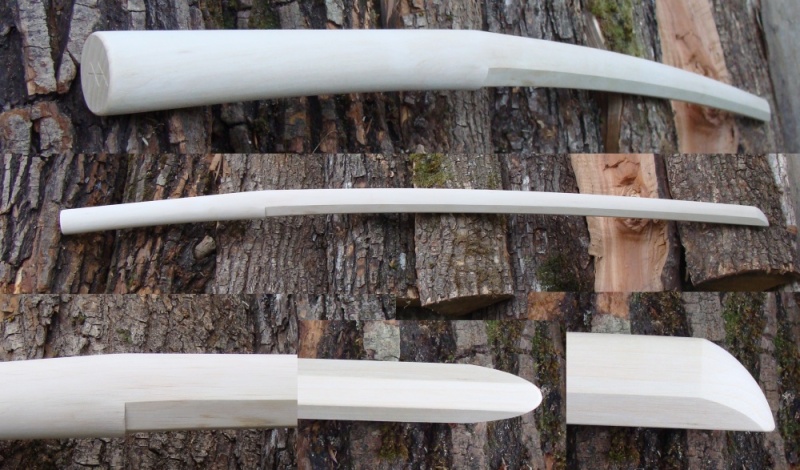
Koryu bokken and bokuto
From Paart Budo Buki by Mats "Toryu" Hjelm
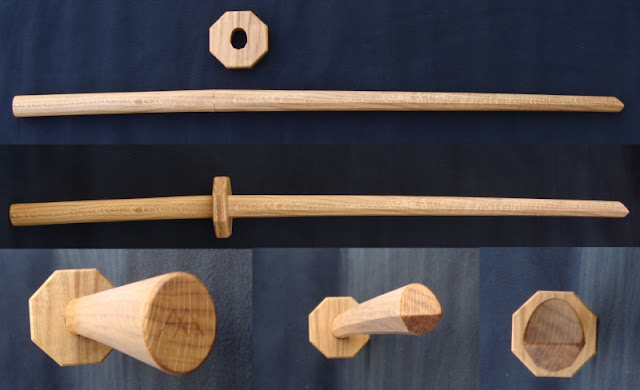
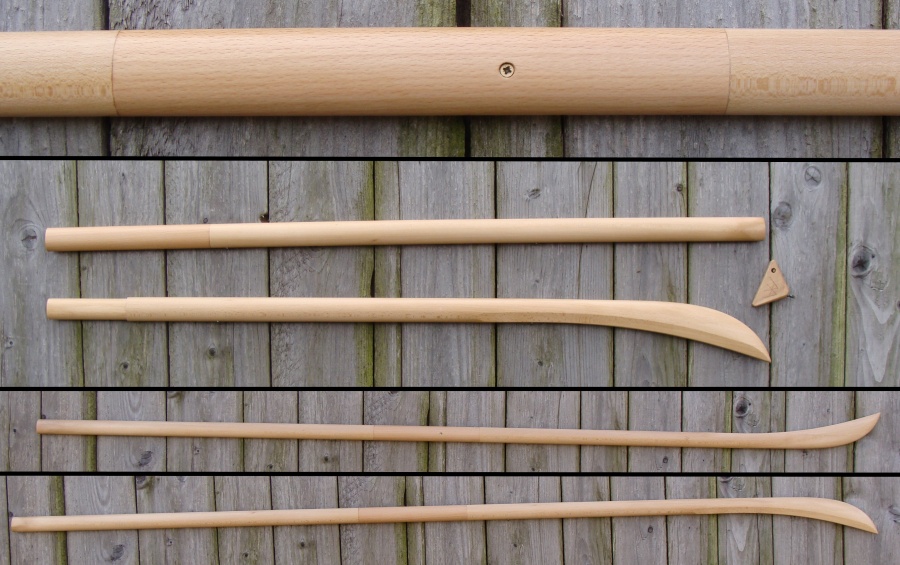
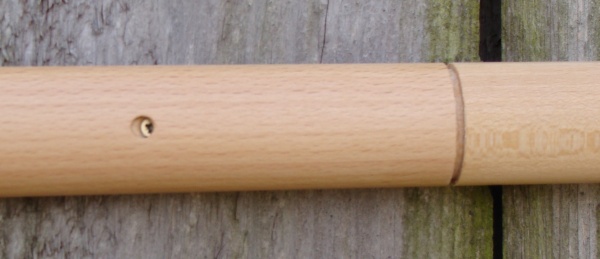
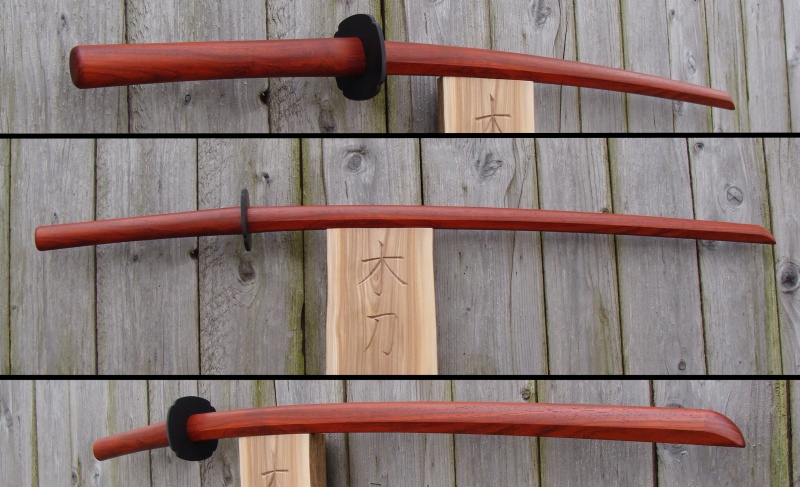
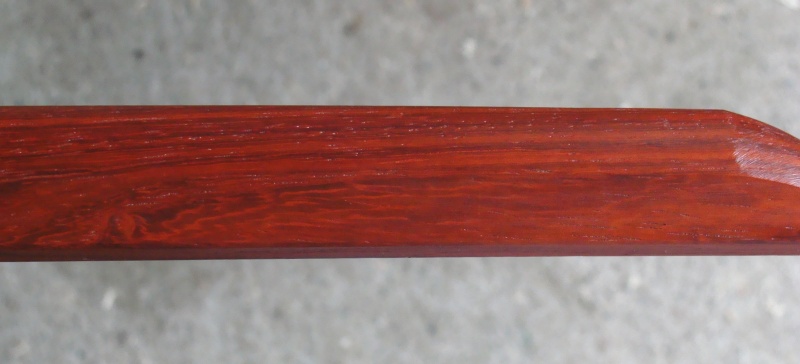
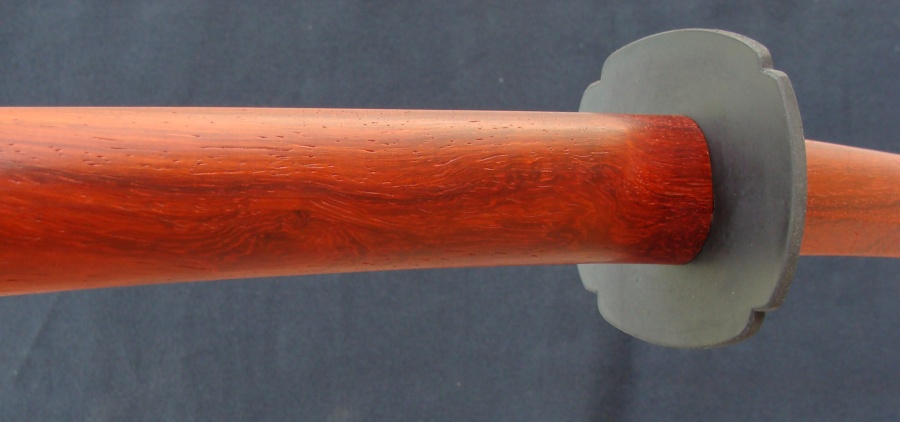
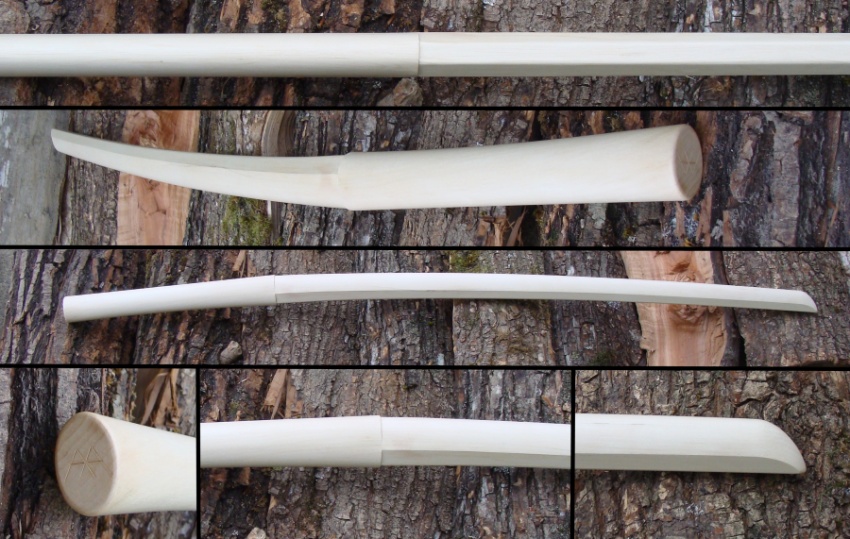
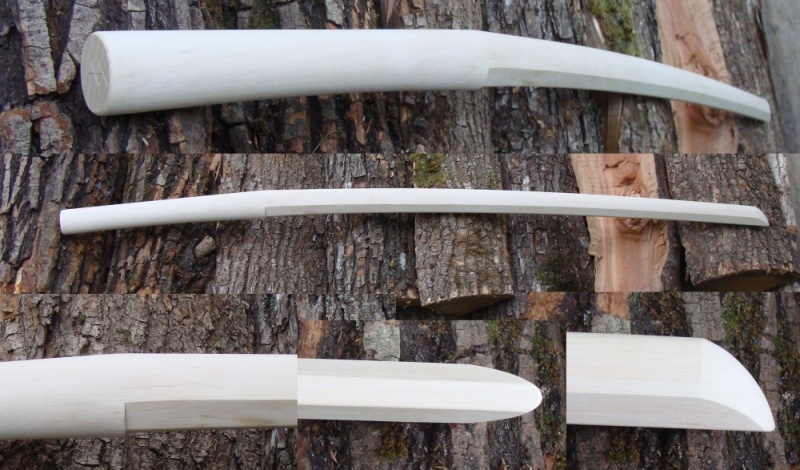
Here is picture's of Koryu Bokken's or bokuto's which I make
ARAKI RYU
 |
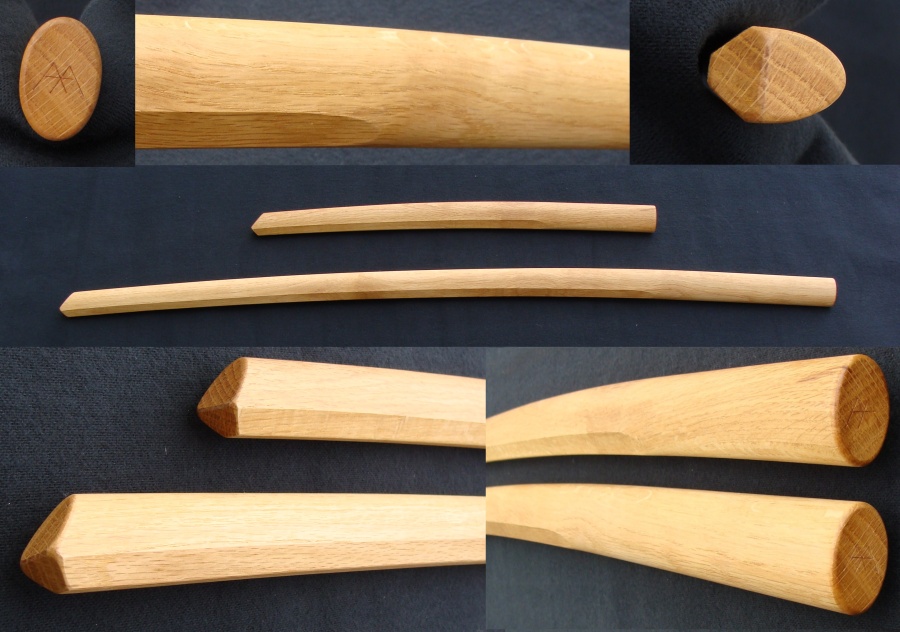
JIKISHINKAGE RYU

KASHIMA RYU

JIGEN RYU (without sori, customer wish)


From Paart Budo Buki by Mats "Toryu" Hjelm
|
From Bujinkan Santa Monica by Mats "Toryu" Hjelm
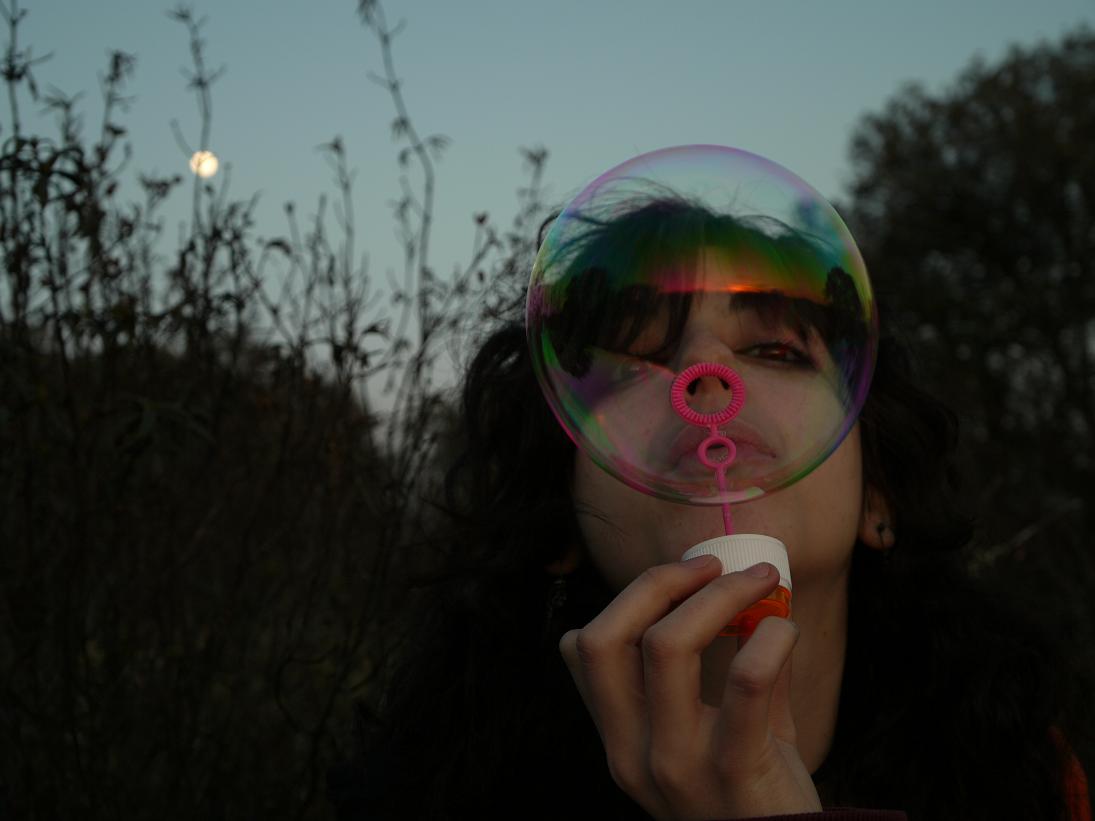 |
| Dusk, Moon with Sunset Reflected in a Bubble. photo by arhadetruit |
"The mind is like the moon on the waterThe light from the moon can be considered like our shifting focus. If the water is disturbed (or changed) the reflection does not disappear, it rides on the ripples of change and as the water settles it remains pure and clear. Our focus never falters, only the water was disturbed.
Form is like the reflection in a mirror
This verse suggests that the mentality proper for the martial arts is that of the moon’s abiding in the water. It is also the reflection of your body abiding in the mirror. Man’s mind moves to an object like the moon moves to the water. How spontaneously this happens!"
Yagyū Munenori translated by William Scott Wilson
"Enlightenment is like the moon reflected on the water.Violence in a fight happens very fast. But this does not have to present any problem for us. Our minds can move as fast as light from the moon. Yagyū explains that "… man’s mind moves to an object as quickly as the moon pierces the water." If you cover your teacup with your hand and then remove it, how quickly is the moon reflected?
The moon does not get wet, nor is the water broken.
Although its light is wide and great,
The moon is reflected even in a puddle an inch wide.
The whole moon and the entire sky
Are reflected in one dewdrop on the grass."
Dogen (1200-1253)

From Paart Budo Buki by Mats "Toryu" Hjelm


From Bujinkan Santa Monica by Mats "Toryu" Hjelm
 |
| Chikuhō no kodomotachi (Chikuho’s Children) by Ken Domon |
"The mon 門 (gate), or shumon 宗門(religion), and bumon 武門(martial), are captured beautifully by the shutter of the famous cameraman Ken Domon."Ken Domon, in advocating realism, said: "Realistic photography in the true sense brings us directly to reality. Photographic expression is an attempt at a truthful presentation of reality — in other words, it is a crystallisation of man's anger, his happiness and his sadness."

From Paart Budo Buki by Mats "Toryu" Hjelm
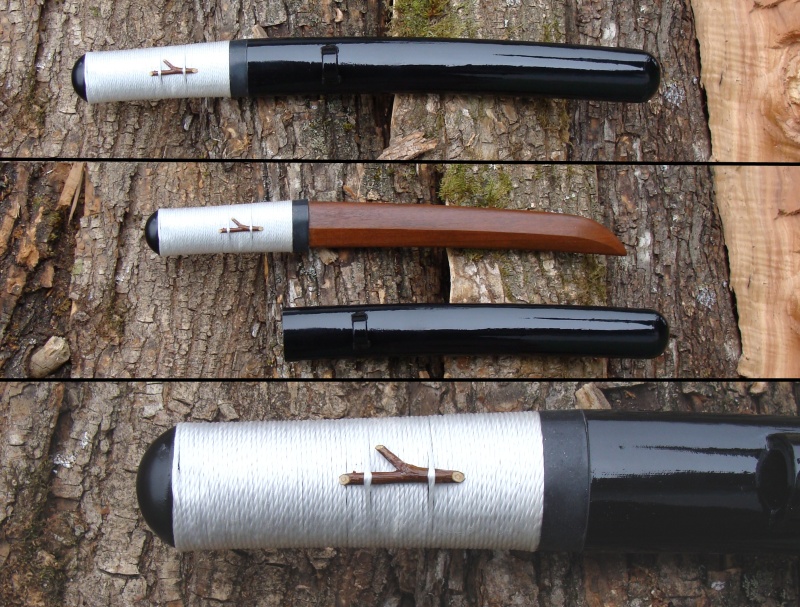
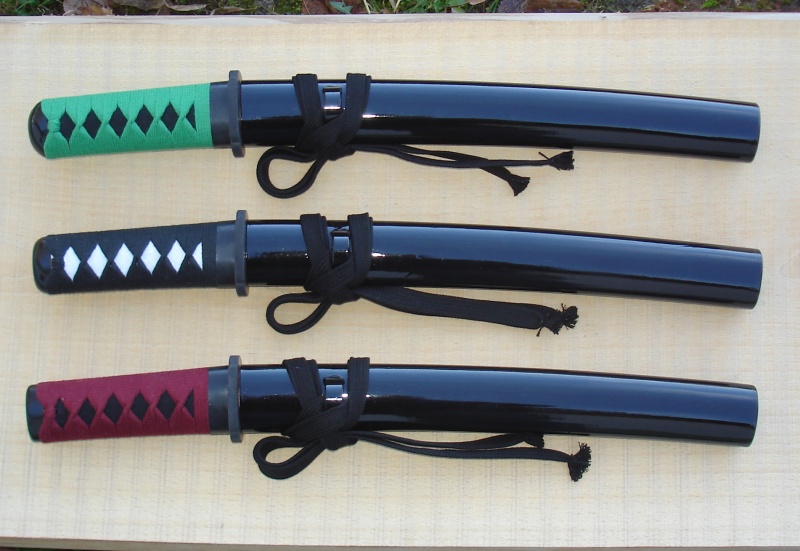
Here is few pictures of my wooden O- tanto's, with saya and ito maki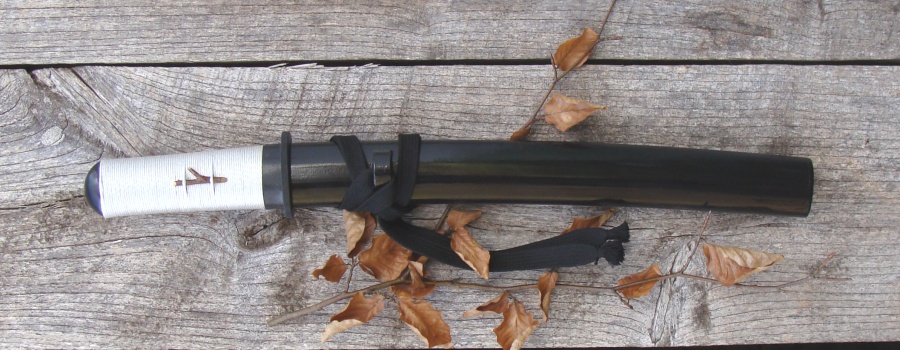



From Uploads by YouTube Help by Mats "Toryu" Hjelm
 |
Doron Navon from Israel started training with Hatsumi Sensei in the late 60 s long before the "ninja-boom". When he came home from Japan 1974 he had so many injuries that he could hardly move... |
From:
budoshop
Views:
6261
  10
ratings |
| Time: 01:25 | More in Howto & Style |
From Paart Budo Buki by Mats "Toryu" Hjelm


From Paart Budo Buki by Mats "Toryu" Hjelm
Dear Budo friends,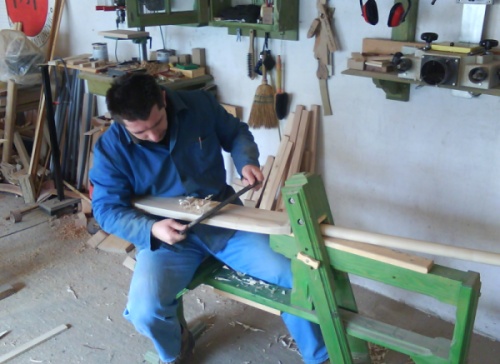

From Bujinkan Santa Monica by Mats "Toryu" Hjelm
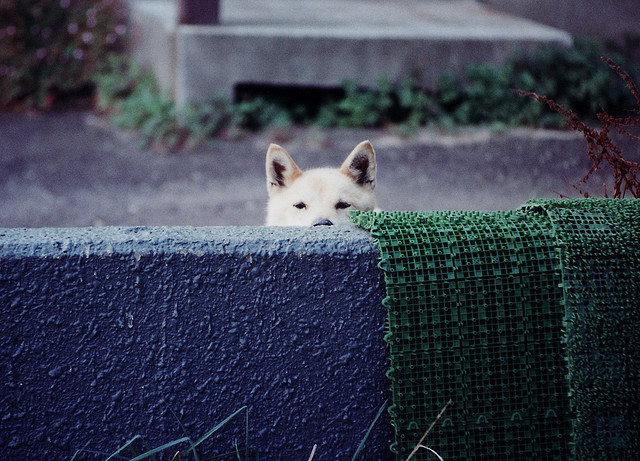 |
| Hiding Dog - Sapporo, Japan. photo by MJ/TR (´・ω・) |
"In the instant that the opponent creates a Kiai, you need to avoid the attack."This is not when you hear or notice the Kiai, but the instant it is created. You must be open and connected enough to the spirit of the opponent to recognize that moment when his mind or intent has shifted (or he has decided) to attack.
"秘すれば花 Hisureba Hana" (That which is hidden is beautiful)When I glimpse that in training… or I am lucky enough to experience it myself, I definitely find it beautiful.
and then Soke goes on to say,
"Those that live within kyojitsu and uncommon sense (秘常識 hijoshiki) possess a hidden sense."

From 術心悟 by Mats "Toryu" Hjelm
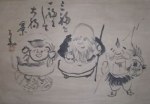
While in Bangalore, I had the unexpected pleasure of spending time with Arnaud from France as well as Shiva, our gracious and good natured Indian host. These delightful times instantly reminded me of a painting done by the monk Sengai. Three gods of happiness are pictured. Daikoku Ten, whom some may recognize from the statue outside Hatsumi Sensei`s office, is originally from India. He is not only a god of protection, war, and prosperity, but, auspiciously, he is an incarnation of the Hindu god Shiva! Second is Juroku Jin, or the god of Longevity. Often pictured leaning on his cane, he is usually in a most jovial mood. Lastly, there is Ebisu, indigenous to Japan, he is a god of prosperity often pictured with a fishing pole enjoying his fresh catch of the day.
Above them is Sengai`s inscription; “Three prosperities, make them one and enjoy a big happiness tea!” As Takamatsu Sensei says, “Cherish your connections…”. Thru others we enrich and are enriched. How wonderful it would be to set aside notions of higher and lower, good and bad, and blend one fantastic happiness tea! The true treasure of Nin lies therein.


 …