Skip to content

The 改善 Kaizen of Charlie Chaplin

From Bujinkan Santa Monica by Michael

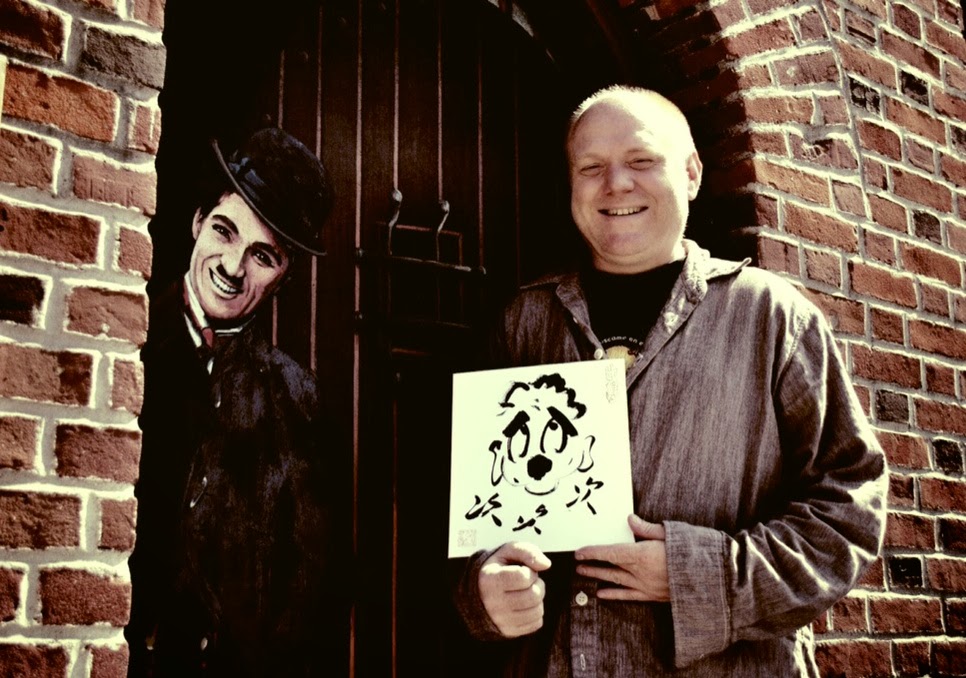
Michael Glenn Holds Hatsumi Sensei's Chaplin Caricature. photo by Lisa Peters
Hatsumi Sensei did a quick drawing of Charlie Chaplin for me. This was after he had just quoted Chaplin in one class at the Hombu Dojo. I even witnessed Sensei emulate the shuffling Chaplin "Little Tramp" walk with a pantomime cane when he was explaining how to walk in 義鑑流 Gikan Ryu.

This drawing that Sensei made looks cartoonish. But it contains a very deep insight for our Bujinkan training. This comes from a Chaplin quote that Soke is fond of. The quote that Hatsumi Sensei frequently refers to goes like this,
そんなチャップリンに新聞記者が質問をします。「あなたの最高傑作の作品は何か?」と。そのとき彼はこう答えます。すなわち、「次の作品だ」と言ったのです。
To paraphrase, a reporter asked Chaplin, which of your films do you consider the best? Chaplin replied, "the next one." This means the one that hasn't been created yet. Or as Sensei implies, the henka that hasn't happened yet.

This concept in Japan is tied in with the idea of 改善 kaizen. or continuous improvement. You continually work, evolve, and change. Never stopping because the next one will always be better.

Hatsumi Sensei told us that this next one is the one you cannot see. It is shrouded like 幽玄 Yugen. Floating in a world of potential. Thus, it cannot be countered.

Soke described it further,
"It's almost like a ghost or a ghoul. If you look at the classic films of Chaplin and the other mime actors, they're creating that space. If you understand this, this will take you in a very different path in your long progression."
He wants us to have that space in our movement. To be comfortable in not deciding anything. No technique. Just floating in that kyojitsu space that you create. This is a safe space for you, but deadly for your opponent.

Below the drawing of Chaplin that Sensei made for me, he wrote:
次 次 次 tsugi tsugi tsugi
Next next next...

Hidden Door of 三身 Sanshin

From Bujinkan Santa Monica by Michael

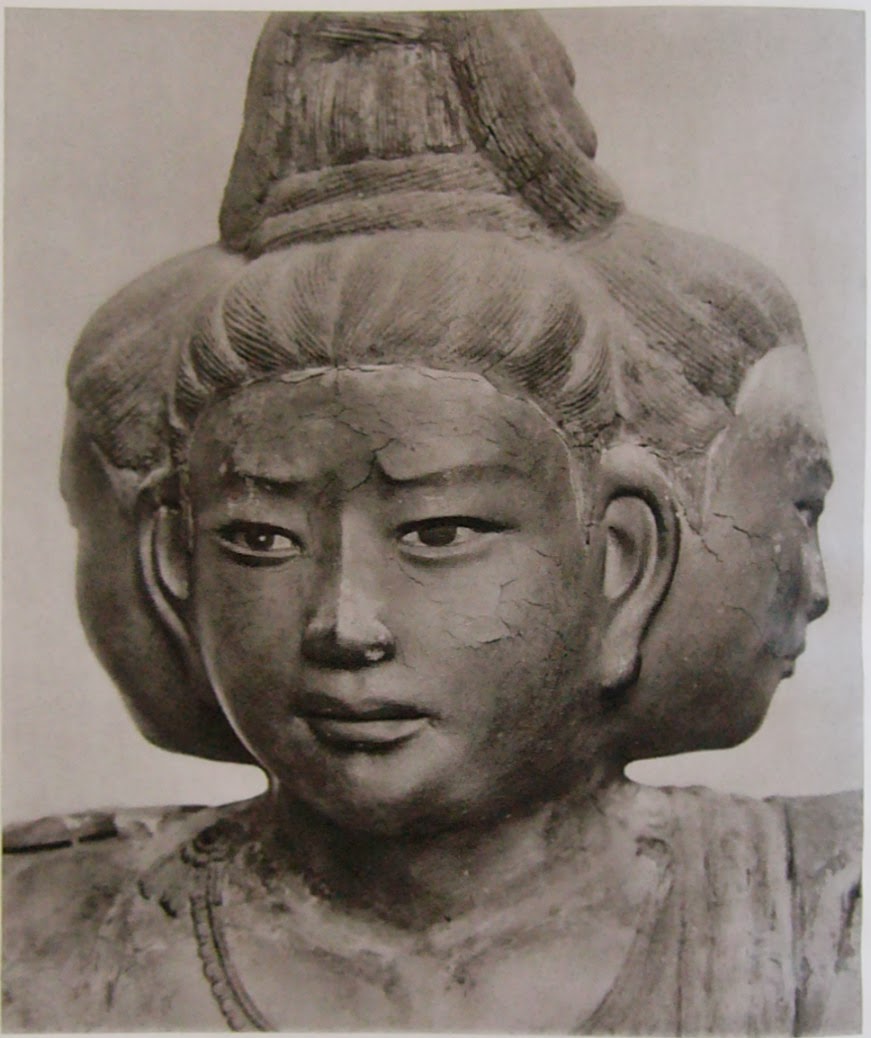
Asura in Kōfuku-ji, Nara. photo by 小川晴暘
Sanshin is one of the most basic, fundamental, and important concepts in the Bujinkan. Yet even after years of training it remains mysterious and elusive, even one the most misunderstood aspects of our training.

Ask your teacher what it is. Many will give you their pat, standard answer given to all beginners. Others will wander off in a glassy-eyed, meandering philosophical and esoteric treatise. And there are even some who will try to tell you how to stand or step while delivering a punch.

They may not be wrong. But they probably will be missing key ideas. I will not try to correct anyone except to say, please discard what you think you know.

Hatsumi Sensei recently gave us a clue to the secrets of sanshin when he was teaching us about kaname:
全体を捕るということは、要をとる。三身一如のことは言う。
Soke suggests here that you take everything together by only taking what is essential in the moment (kaname). This is sanshin unified as one reality. Three as one.

To me this is like the hidden door of Togakure, an opening to understanding sanshin. When you open this door you find your reflection in a mirror. The secret is polishing the mirror (and your heart) with training so that reflection is pure like the clear water of 平常心 Heijōshin.

You may have heard about 三心 sanshin. And that is good. In Budo this is 心技体 shingitai: mind/spirit/heart; technique; body. Or if you want to be more philosophical: 身心識 body; heart; consciousness.

These are important ideas. But Soke used the kanji 三身一如 for sanshin ichinyo. This implies more of a Buddhist cosmology. 三身 is the trikāya or threefold body of the Buddha. This symbolism is complex but I will polish the mirror a bit.

The first is the Dharmakāya, truth body. This reflects your essential nature and character. This begins with a new student who studies hard, rarely missing a class. Staying true to the kihon and forms until a breakthrough of understanding occurs (for some students, around Godan level). Looking for the limits of your nature, you discover your truth to be limitless.

The second is the Sambhogakāya, or reward/retribution body. If you trained well, you may reap the reward of joy in life and training, or blissfully enduring battle. Your reflection will be pure in the mirror. If you did not train well, your frustrations in life, the dojo, or losing and being injured in battle, will surely shatter the reflection.

Third is the Nirmāṇakāya, the manifested body or actual physical form. This transformational form also embodies henka. Take your clothes off to see this one in the mirror. Maybe you don't want this reflection to be too clear!

So how do we use this in class or combat? Soke says 三身一如. Bringing the three together as one at the essential moment (kaname). If you have not been polishing well, this will be impossible.

Another three faced symbol shows us what NOT to do: the 阿修羅 ashura or fighting demon. These are the reflections of students who are obsessed with ego, force and violence. They may be quick to anger, full of pride, envious of others, insincere with their motives, false or fake in their persona, boast full, lazy or worse... bellicose.

The mirror of the heart dims. What this means is that they are unable or unwilling to learn or train Bujinkan as it is taught. If they are teachers, they often trap themselves along with their students.

But if you unify 三身 sanshin in combat, the results are really miraculous. I've witnessed it. I've experienced it myself. Trust me, you want this. Are you ready to study Sanshin?

Secrets of 三つ鱗 Mitsu Uroko

From Bujinkan Santa Monica by Michael

三つ鱗 Mitsu Uroko photo by Michael Glenn
Since I am a ninja, I am part of a secret society. Secret societies are fun to learn about. One of the most obvious ways into a secret society is through its symbols. I recently stumbled across one mysterious symbol called 三つ鱗 Mitsu Uroko in a place I didn't expect to find it.

You have probably seen this symbol. For Legend of Zelda fans it is known as the Triforce. But you may not know that the creator of this game, Miyamoto Shigeru, took much of his inspiration from the mountains and temples of Kyoto. And if you travel around Japan, you will encounter this symbol yourself.

What does it mean? And why should anyone in the Bujinkan care? Let me explain.

The origin story of this symbol is tied with one of the most powerful Shogun and clans in Japanese history.

As told in the Taiheiki 太平記, Hojo Tokimasa went on a pilgrimage of fasting and prayer to the island of Enoshima. While he was in one of the Iwaya Caves, the Goddess Benzaiten appeared to him. She said that since he had been a priest in a previous life, he and his family would prosper and rule over Japan.

After her blessing, Benzaiten returned to the sea. As she slipped beneath the waves, Tokimasa caught a glimpse of a dragon's tail sliding across the sand from beneath her robes. This vision caused him to investigate her tracks in the sand and he found three dragon scales that had flaked off.
Benzaiten Appears to Hôjô Tokimasa (notice she holds 3 scales)

These three dragon scales became their 紋 mon (family crest) as the Hōjō clan rose to prominence during the Kamakura period in Japanese history.  They changed history by facing off with invading Mongols, spreading Zen Buddhism, and the foundation of Bushido. But they also had secret police and had very secretive meetings at private locations to control Japanese society.

Sometimes when you find this symbol in Japan it is part of an antique shrine. But sometimes it is in places that could represent a secret meeting spot. Does the secret cult of Uga-jin 宇賀神 still have power?

Could there be secret meetings still happening to this day? Nahhh…

Remember These 3 Steps Next Time You Get Confused In Your Bujinkan Class

From Bujinkan Santa Monica by Michael

自拍的藝術 photo by 【J】
The Bujinkan is not for everybody. It is only for people who get it. My way of teaching the Bujinkan is not for everybody. But it works for me. And it works for those of you who get it and who want it.

If you study with me, I add a secret teaching technique that I will call "Michael Glenn's Patented 秘密 Himitsu Bujinkan Strategy™." I use this silly name because I want you to try to figure out what it is. If you can guess it, I will send you a free DVD.

So if you want to be successful in your Bujinkan class, there are 3 simple steps:

(add Michael Glenn's 秘密 Himitsu Bujinkan Strategy™ first) then,

  1. Attempt
  2. Observe
  3. Repeat
So let's consider these steps in order.

Attempt. It is better to start by trying. Until you try, you don't even know if you can do it. Until you try, you don't know where your mistakes will be. This is the only way to know what to look for in the next step.

Next, Observe someone who is successful. In your Bujinkan class, this can be your teacher, the senior students, or even your training partner.

(This is another great spot for more of Michael Glenn's 秘密 Himitsu Bujinkan Strategy™.)

When you repeat, you will make your next attempt more knowledgeable based on your observations. Your next try will be more refined, with less mistakes. Soon you will be the example that other Bujinkan students want to observe.

If you are a teacher, set up your Bujinkan class with these steps for success. Too many teachers teach for the wrong reasons. Know your purpose as a teacher: The focus is not to teach, or to test. A teacher’s job is to facilitate learning.

The funny thing is, everyone reading this article is a Sensei. I firmly believe that our whole lives we are our own greatest teachers. But you are at the same time your own best and worst student.

Who demands smart training? Who will do this with intention? I have no doubt that my students will succeed.

The question is, are you going to be your own best teacher? Will you keep going? Will you be the example?

PS. send me an email with your answer to What is Michael Glenn's 秘密 Himitsu Bujinkan Strategy™?  get a free DVD if you guess my secret teaching technique.

The Birth of Bujinkan Henka

From Bujinkan Santa Monica by Michael

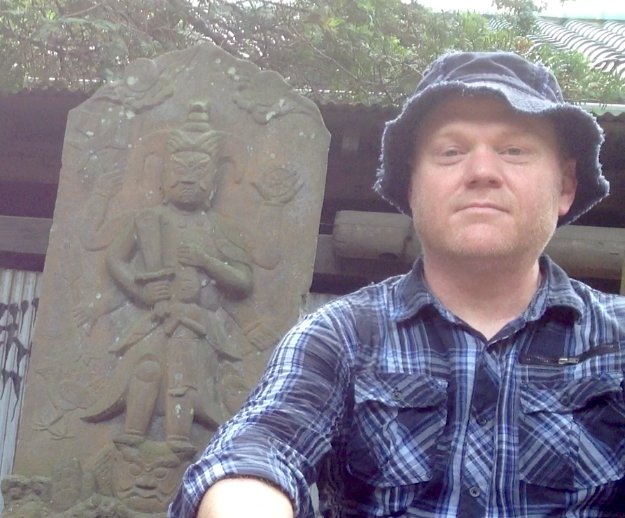
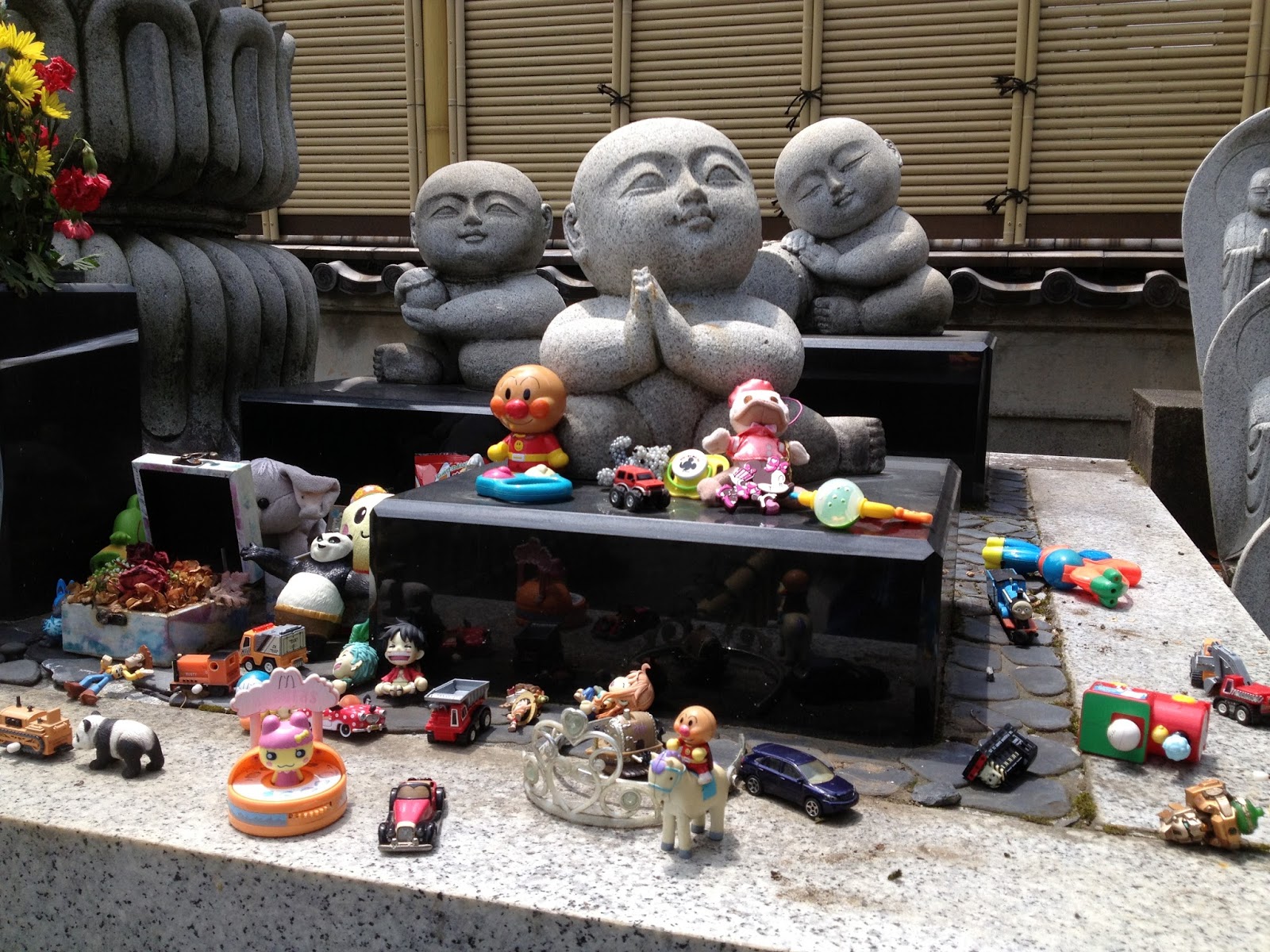
地蔵尊 Jizouson Altar at 万満寺 Manman-ji. photo by Michael Glenn
Henka is like a ritual of birth and death. One essential fact of existence that everyone seeks to forget, is that we are born to this world and guaranteed to die.

Everything dies. Thus the way of Bushido is death. But Hatsumi Sensei would like us to flip this idea to rebirth and to give life, protect life. How do we do this if we are half dead already?

The traditional rites of passage used to teach people to die to the past and be reborn to the future. I feel this process every time I travel back to Japan. It is always a new birth.

Sensei seems to demonstrate this in every henka and even by the way he moves through his day. This is what we should strive for in every class and in our lives.

Why die to the past and be reborn? What does that even mean? What is the point?

Everyone comes to class for different reasons. But most hope to improve themselves in some way. What kind of improvement are you seeking? To be a killing machine? or to find life inside of death and protect it?

If you are having trouble answering this question, your Bujinkan training may be broken or dysfunctional in some way. How do you fix it? When something is broken in life people take different approaches.

Some deny it. You can try to recapture the good old days when everything was "better." Sink into nostalgia of dead martial arts. But burying yourself in the past is digging your own grave because the past is already dead.

Some people work furiously and with hard headed determination to repair what they think is broken in the Bujinkan. To patch together whatever pieces of the past that they can grab onto. And maybe insert some modern creative approach onto the gaps to try to hold it together. This Frankenstein method may work for awhile, but a corpse is still a corpse, and this new body of training will rot from the inside.

A third mistake people make in trying to "fix" their Bujinkan training is to attempt to design a better martial art. This takes ambition, intelligence, and ego. Some of the ideas will be great. But they are like a house of cards because they assume an ideal future and a clean foundation on which to build. Neither will ever exist.

We've all seen people make these mistakes or have made them ourselves.

How do we overcome death or dead martial arts?

Only birth can conquer death. Not a birth of anything you recognize, but something new. Within the Bujinkan, within Martial arts in general or within your own life, there must be a continual recurrence of birth if we are to survive.

Soke teaches this way. He often cites Charlie Chaplin, who when he was asked what the favorite film of his career was, said "The next one." This means the one that hasn't been born yet. The one that is full of potential. This is the way Sensei speaks about henka.

Hatsumi Sensei has spoken to the passing of generations and the birth or renewal of the spirit of the Bujin in every generation, every Soke, every teacher, every student.

It begins in every class. Being reborn. Bujinkan Henka. As I have heard Sensei say so many times, it's not this technique, but the next one... And the next. The one that hasn't happened yet, hasn't even been thought of, or born into existence.

Train like this if you want to live.

My Search for the Akō Vendetta of the 47 Ronin

From Bujinkan Santa Monica by Michael

A man lost his head. Not his mind, but his HEAD. Some say he brought it on himself, some just accept that it was the code of the warrior, a result of Bushido. But he wasn't the only one to die in the Akō Vendetta incident. More than 60 warriors died just to take this one man's head.

Here I stood lost on a Tokyo street corner. My source had left me with a murky glint in his eye and a hand-drawn map to the scene of the crime. Of course I had to go there.
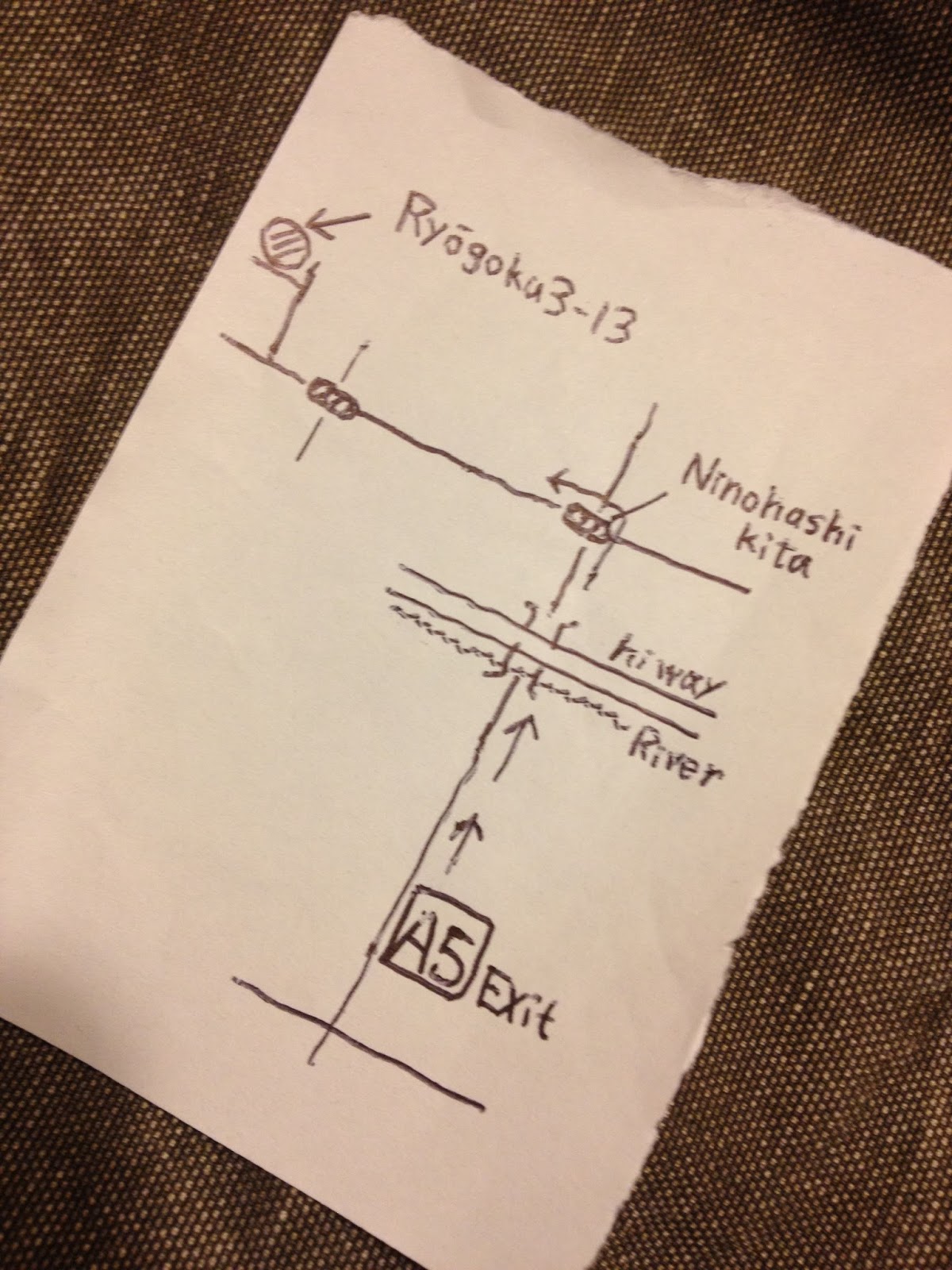
Map to Lord Kira's Residence

Going there meant feeling the silence of a 310 year old crime scene. You see the Akō incident happened in 1703 during the 元禄 Genroku era in Japan. It is also known as the story of the 47 Ronin.

This story speaks to the very soul of Japan and pairs the code of Bushido with the drama of a great tragedy. It has been told and retold to the point that it has become legend. But facts are facts, and I wanted to see for myself.

First I had to figure out where this sketchy map was taking me. It said to cross a river, but I saw no river. I asked some random people and they seemed as confused as I was. So I just started walking and the bridge on the map appeared in front of me like some kind of impressionist anime.
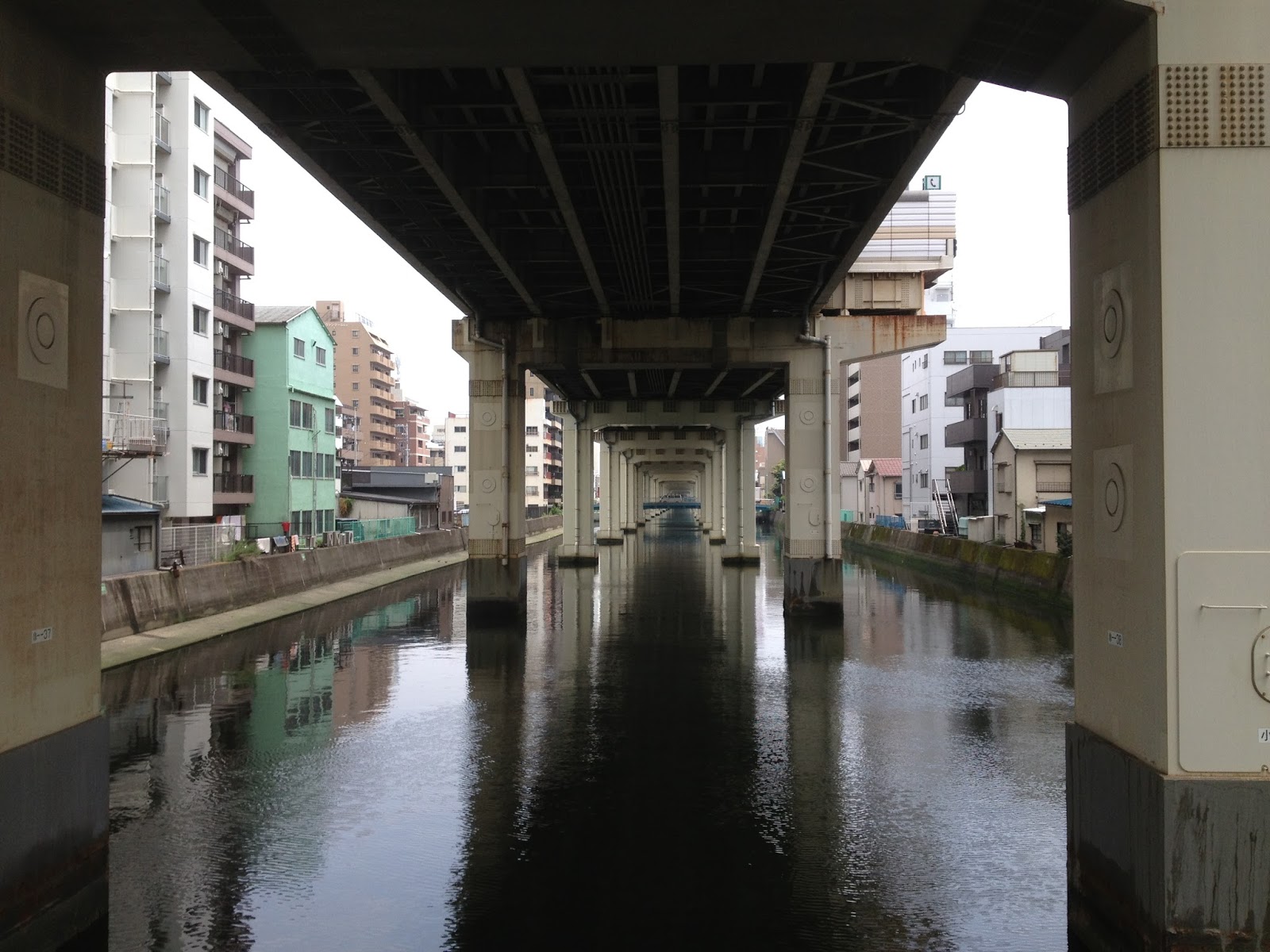
Komatsugawa near Ryōgoku

Lord Kira is most often portrayed as a greedy and arrogant man. But the locals in his neighborhood seem strangely loyal to one of their own.

The 47 men became Ronin when their master was sentenced to commit 切腹 Seppuku (ritual suicide) after he attacked Kira for being an arrogant bastard. You see a Samurai is nobody without a master. In fact, you were not allowed the duties or granted the honors of the Samurai class without your lord. So a masterless Samurai became Ronin, wandering the country in search of work and to impossibly recapture some honor.

After their master died, everyone thought they would seek revenge as good Samurai should. Lord Kira's father in law sent reinforcements to guard over his palace. He was heavily protected, and revenge, while honorable, would be unlikely to succeed.

So the leader of the Ronin, Ōishi Kuranosuke, hatched a very Ninja like plan. They would all disperse. He himself went to Kyoto and started whoring around and drinking heavily. The other men took odd jobs as craftsmen and merchants.

Lord Kira had spies watching these Ronin. The spies reported that Ōishi was a dishonorable drunk in far away Kyoto. Of course, he was plotting and this was all hensojutsu and kyojitsu. All this to throw off the spies of Kira. So single minded was his thought of revenge, that he drove away his wife and children to focus on the scheme.

Meanwhile the other Ronin in their disguises gained access to the layout of the estate and were spying on Kira's palace. They spent their free time preparing weapons and making their own armor, since buying any would give away their plan.

Two years went by. Believing that Ōishi was nothing but a dishonorable drunk, Kira began to relax his guard. He sent some of his father in law's retainers home.

The time for revenge was at hand.

As I walked through Ryogoku, this neighborhood seemed so peaceful for such violent legend. I followed my map, not expecting to find much. I certainly did not expect to see what I saw when I got there.

One piece of evidence from this event captured my mind. Here I was from 310 years later and from 6000 miles across the world... from a different language, race and culture. What would I find?
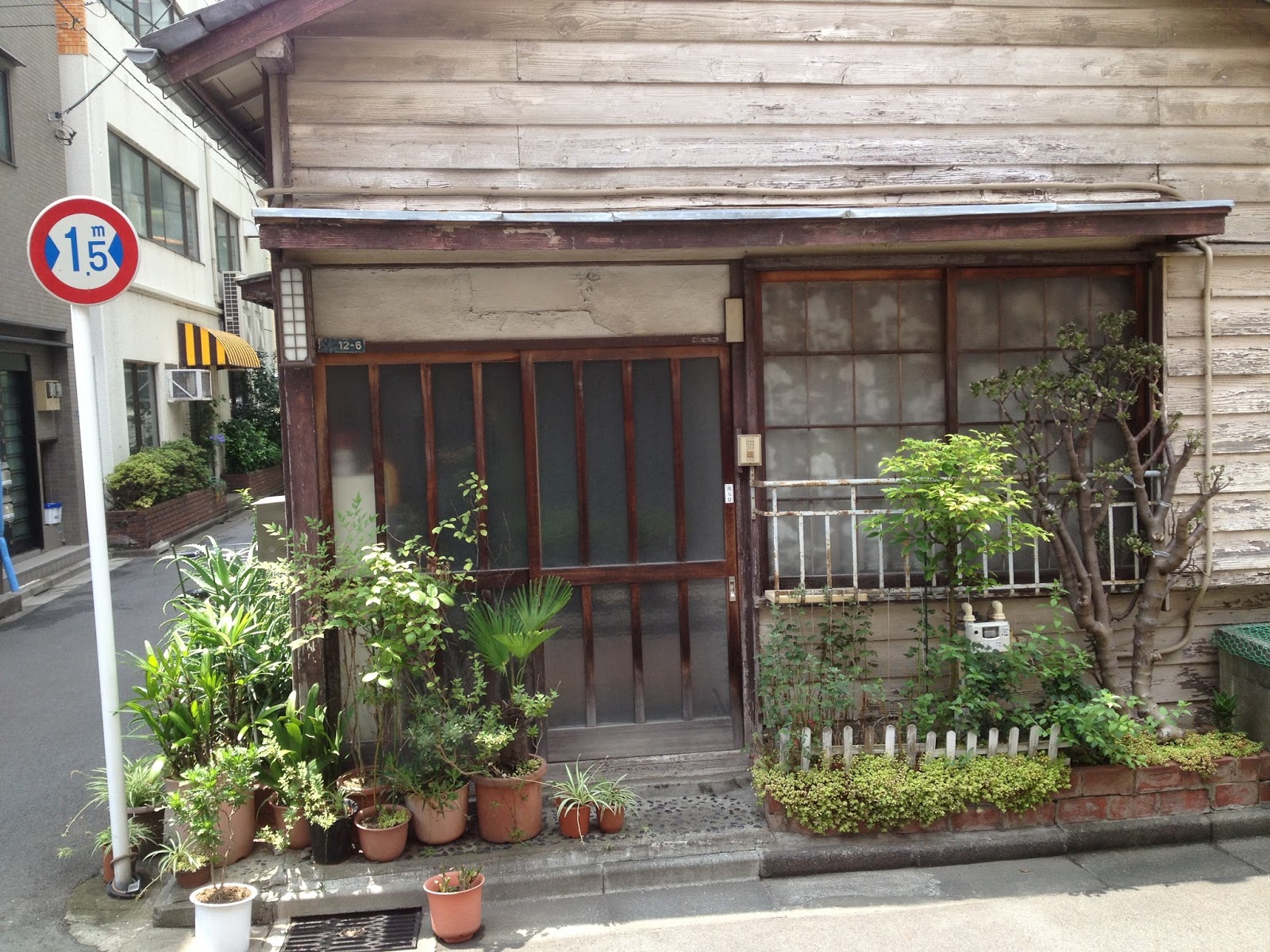
Old House in Ryōgoku
I wandered along the side streets of this Tokyo neighborhood. I saw no castles, or battle flags. Heard no horses… It looked like any neighborhood you might stumble through on your way to a late night train station rendezvous.

I saw some houses that were touched by history. Not a graceful history, but the slow creep of time. Then I was lucky to spot a small plaque.

It was posted casually and forgotten in front of a modern apartment building. Centuries ago, a battle raged at this very spot.
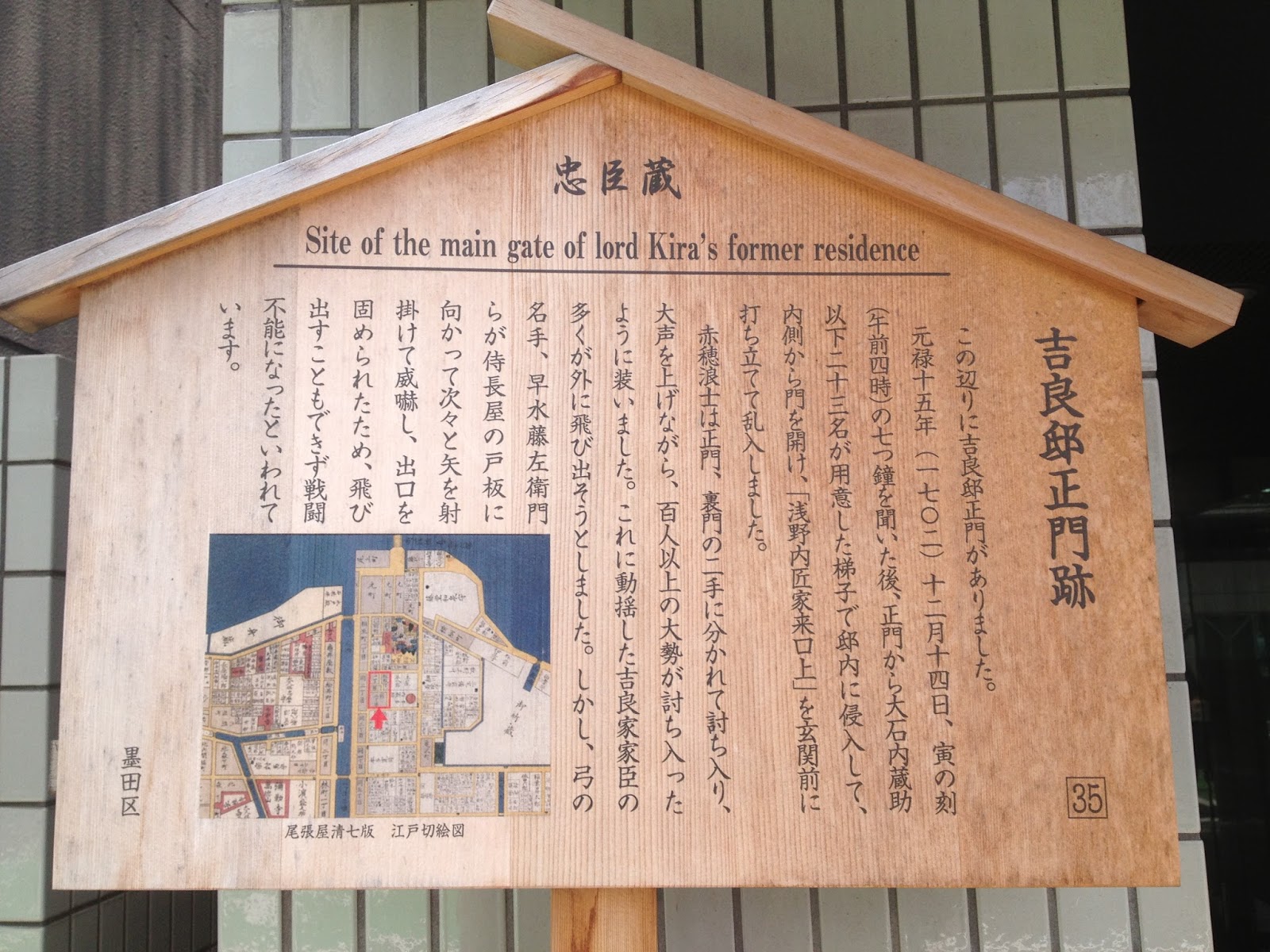
Site of Lord Kira's Residence, Ryōgoku

OK, I found the spot. What was left? I turned a corner and found the address on my map.
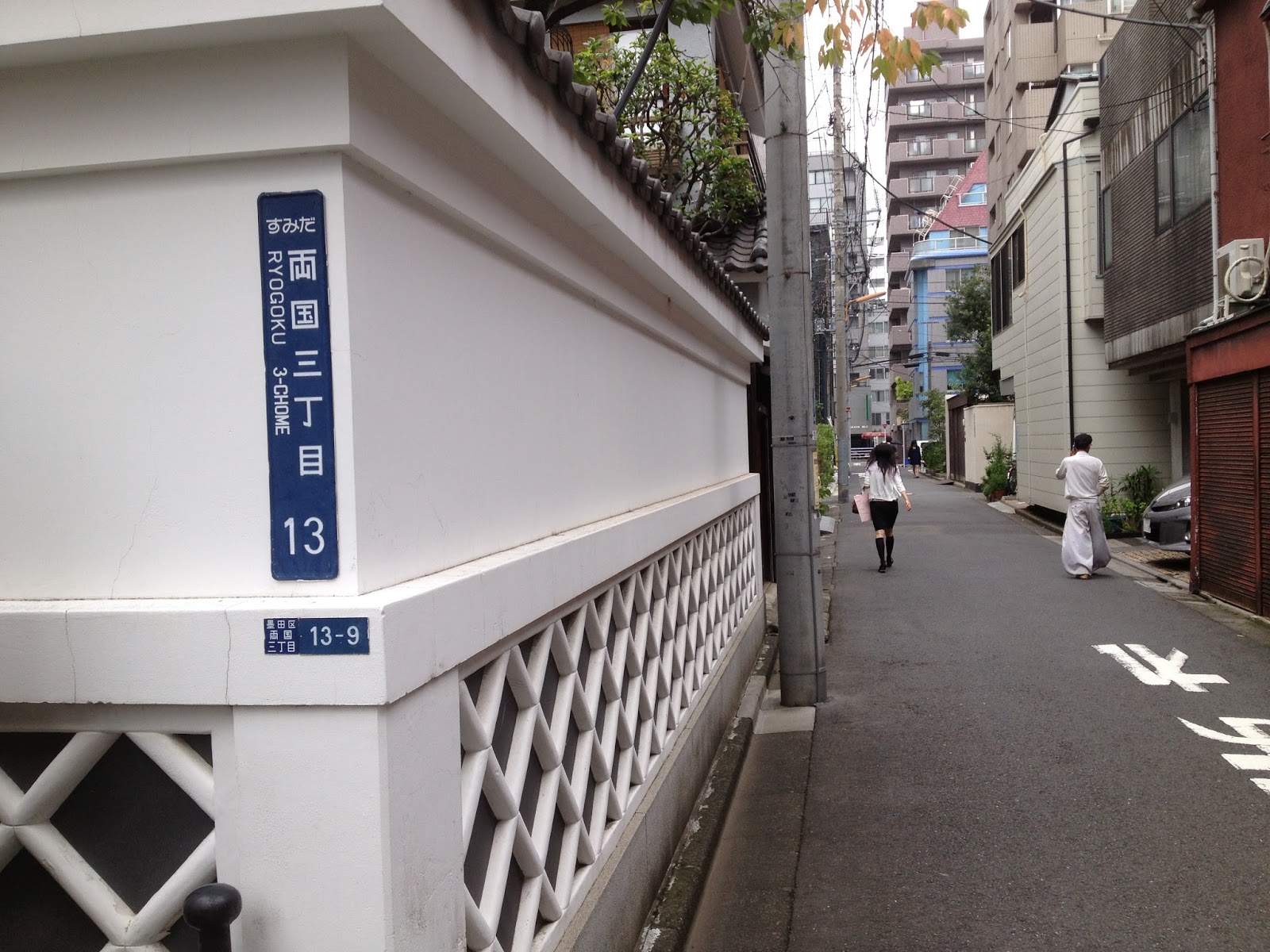
Lord Kira's modern address, Ryōgoku

There isn't much left of the former palace. But this courtyard where the man was beheaded is well cared for, even as it stands on pause. Like a gap in time as the city moves forward around it.
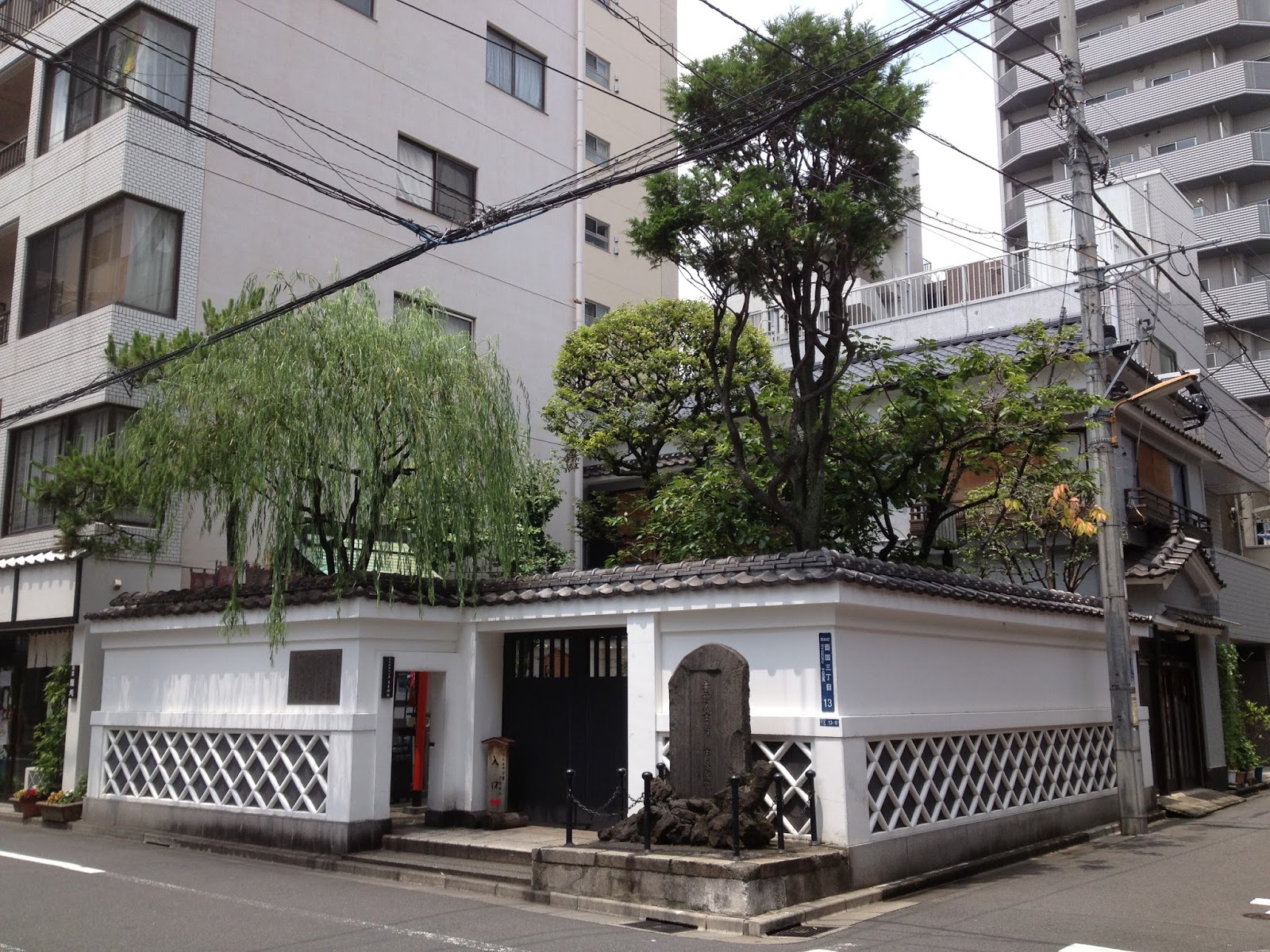
Lord Kira's courtyard, Ryōgoku

Ōishi evaded the spies and stole away from Kyoto. During the hushed snowfall of a cold winter night, they gathered in secret. 47 Ronin, made up of withered old warriors in their seventies, seasoned retainers, and even a few wide eyed teenage boys. Here was the plan:

One group was to attack the front gate. The other, led by his son, would attack the rear with 23 men. They would use the beat of a drum to coordinate their attack. Some of the men scaled the fortified walls with ropes as the cold wind scraped their hands and drove snow into their eyes.
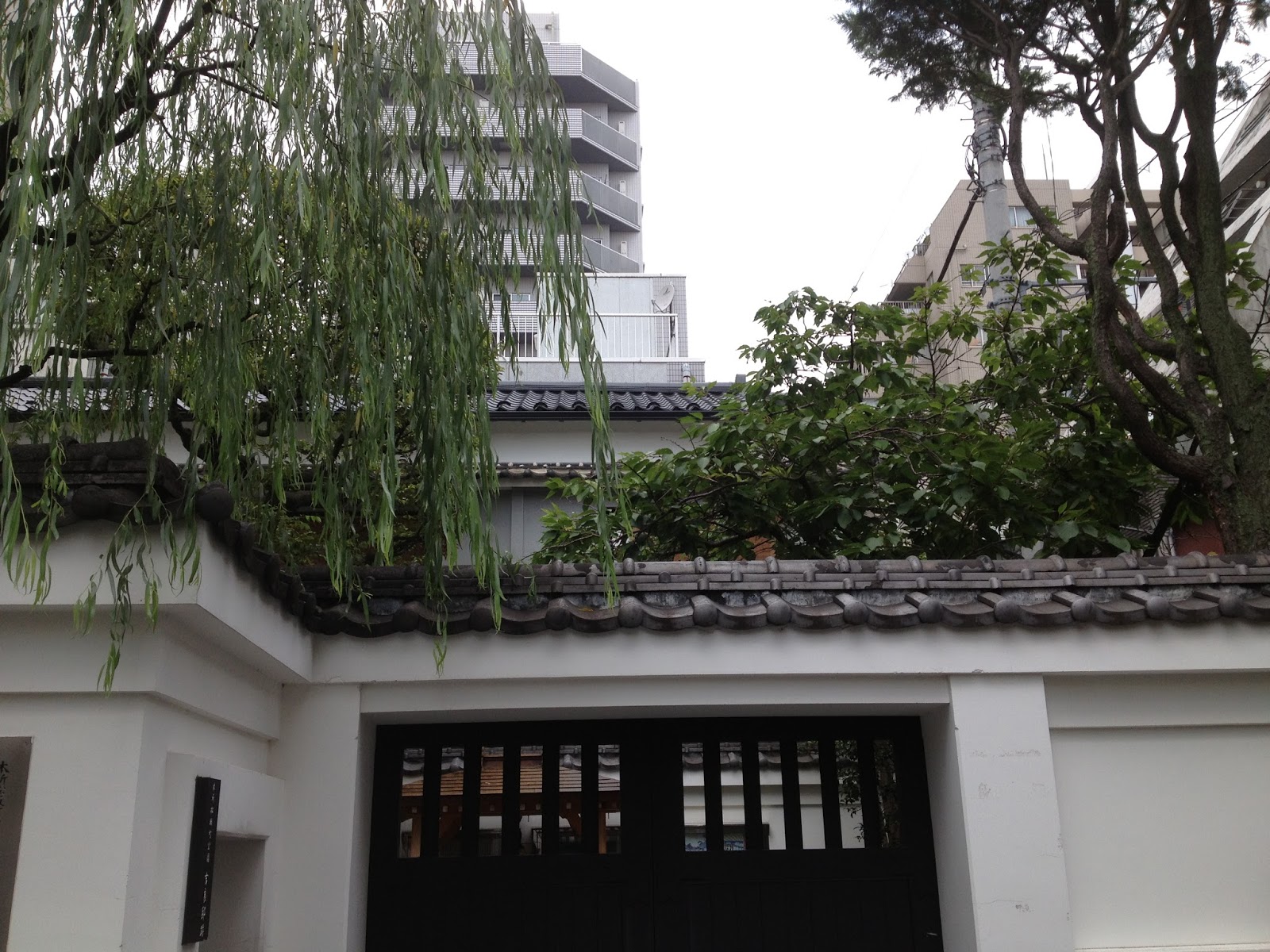
Lord Kira's gate, Ryōgoku

A few others snuck into the gatekeeper's house for the keys. More men stationed themselves in the four corners of the roof as archers to fire upon anyone who tried to run for help.

Ōishi signaled with the drumbeat. An epic battle ensued in which Kira's retainers bravely fought off the intruders. Meanwhile, Kira hid with the women in a closet on the veranda.
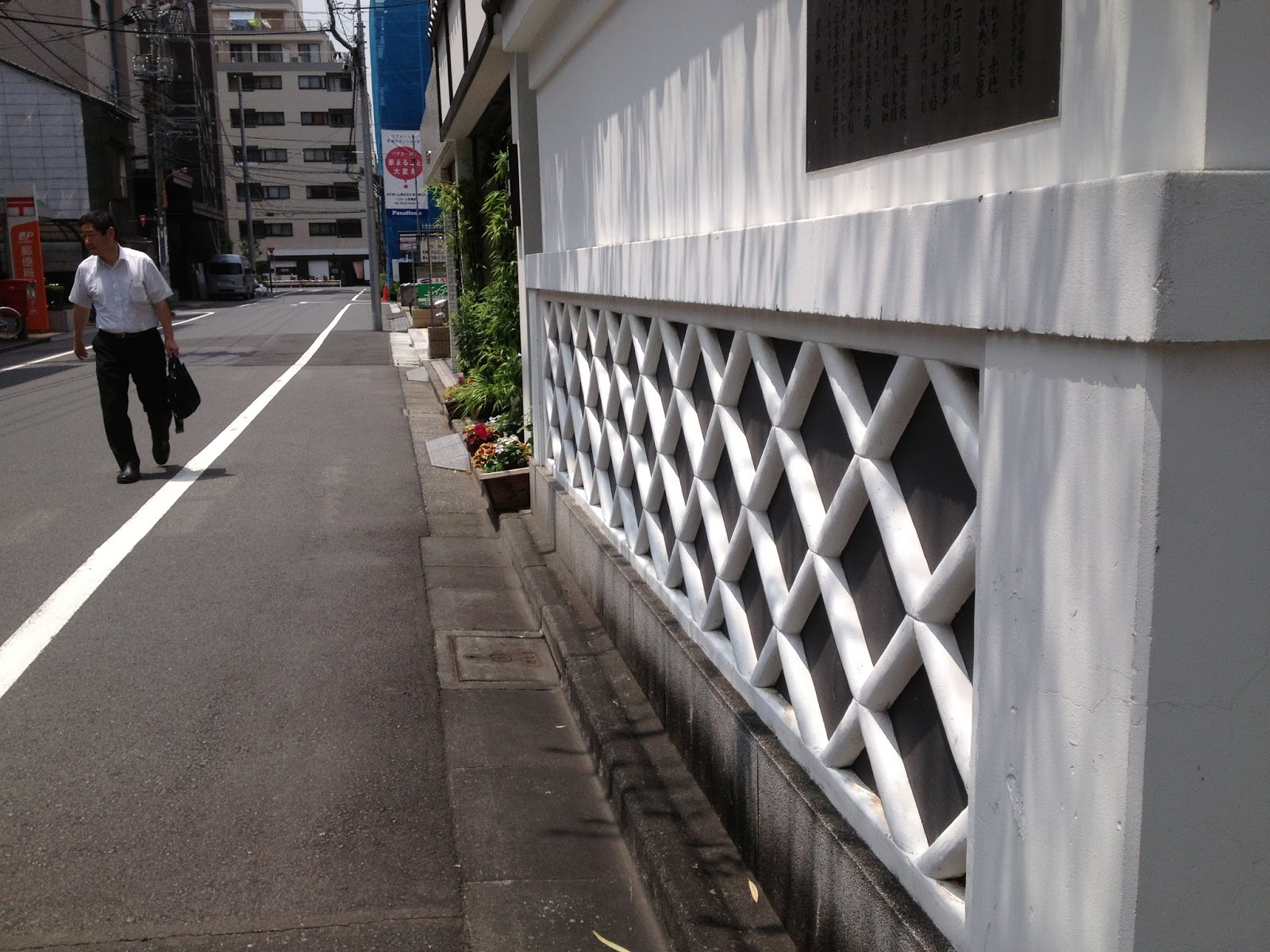

Lord Kira's walls are fortified, Ryōgoku
I didn't want to use my Ninja abilities to scale the walls in the middle of the day.
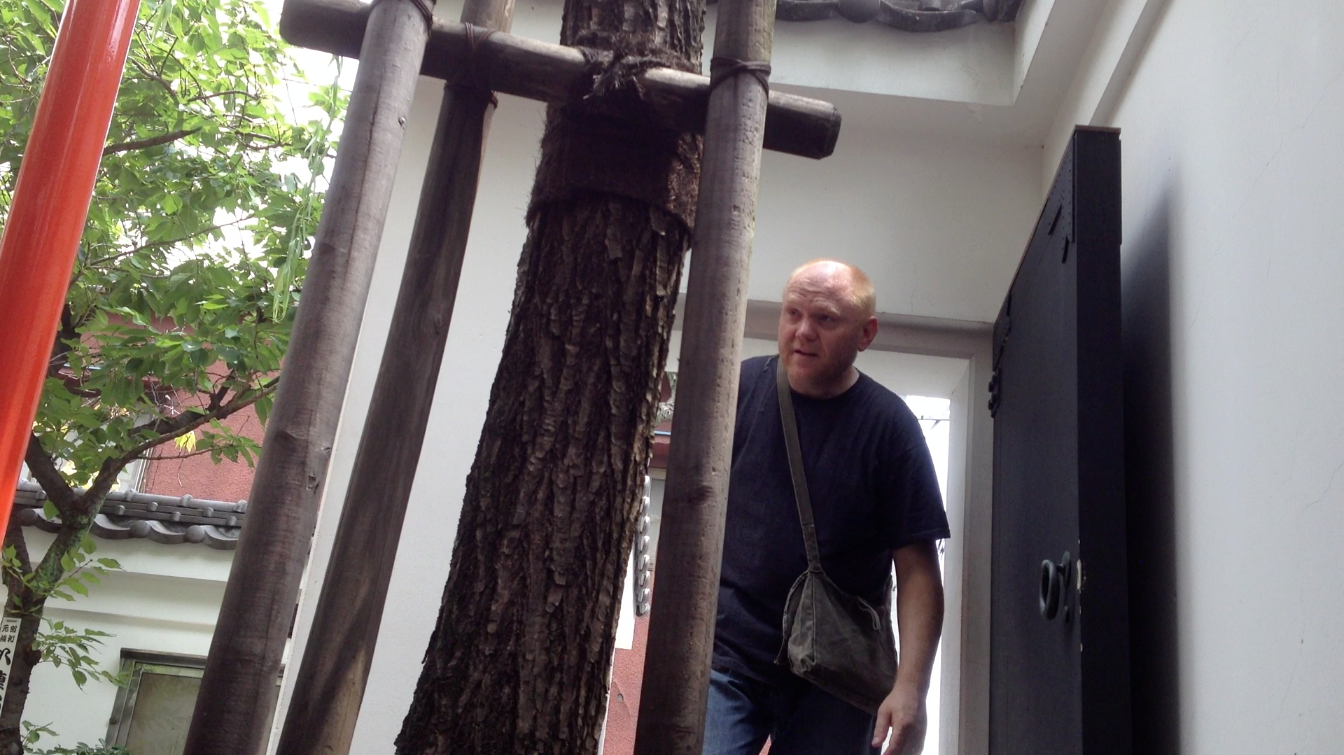
Michael Glenn in Lord Kira's Doorway
I was lucky that the side gate was open.
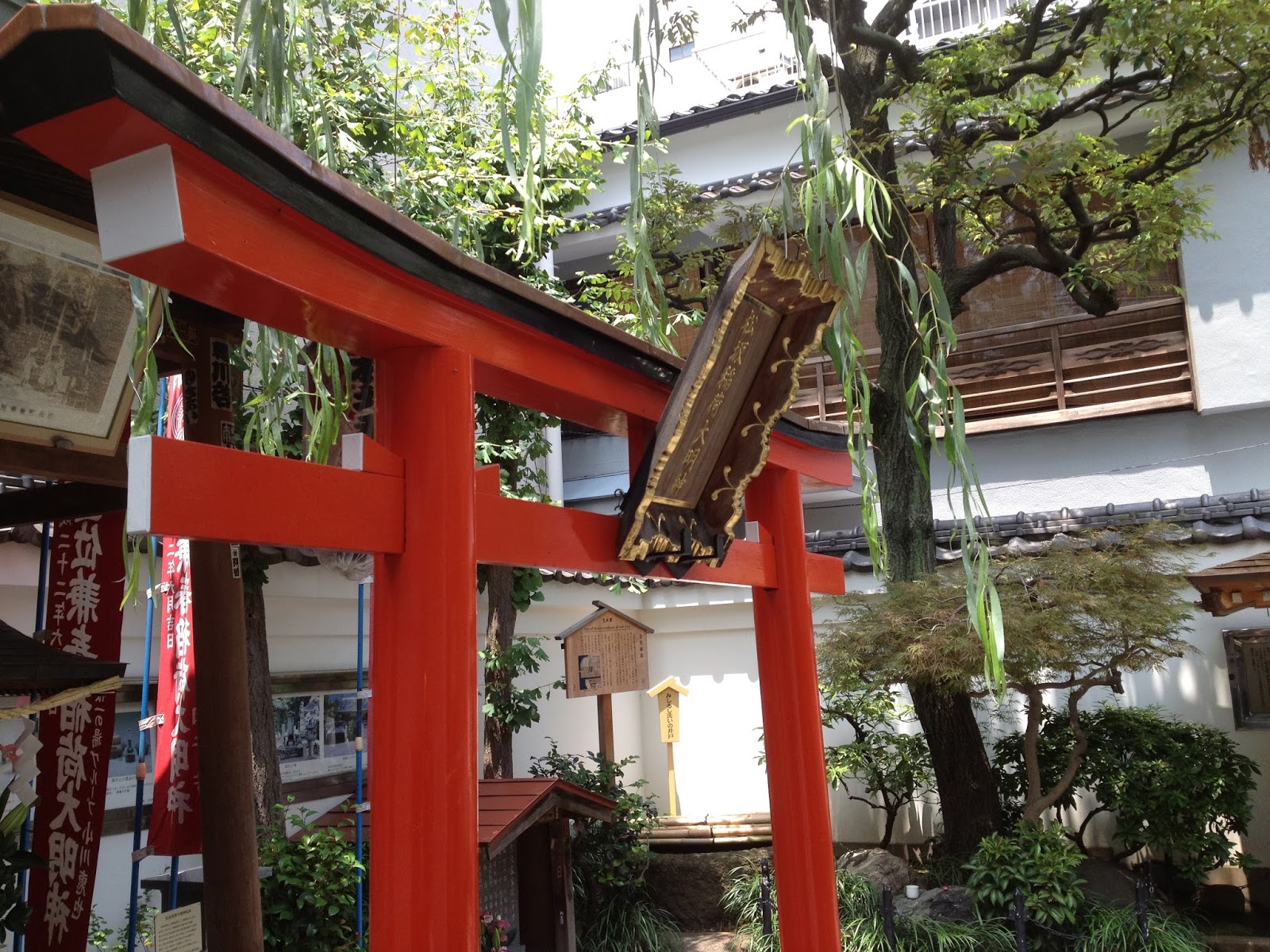
Shrine for Lord Kira and the 47 Ronin, Ryōgoku

In the courtyard was a small shrine.

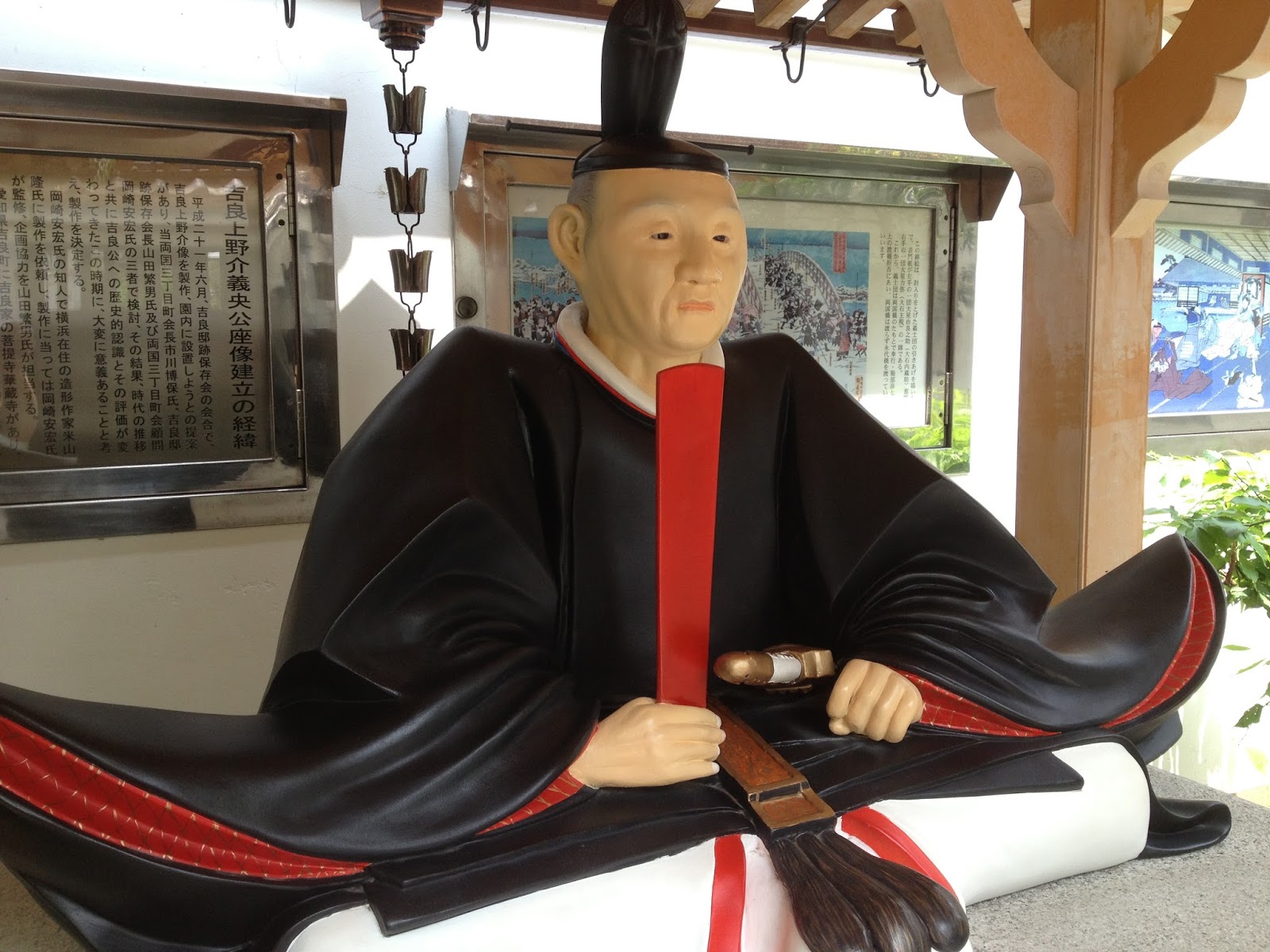
Lord Kira Yoshinaka,  Kōzuke no suke
And next to the shrine is a statue of the villain or victim of this story, depending on your perspective, Lord Kira Yoshinaka,  Kōzuke no suke.

The signal of the whistle pierced the cold night. Kira was dead.
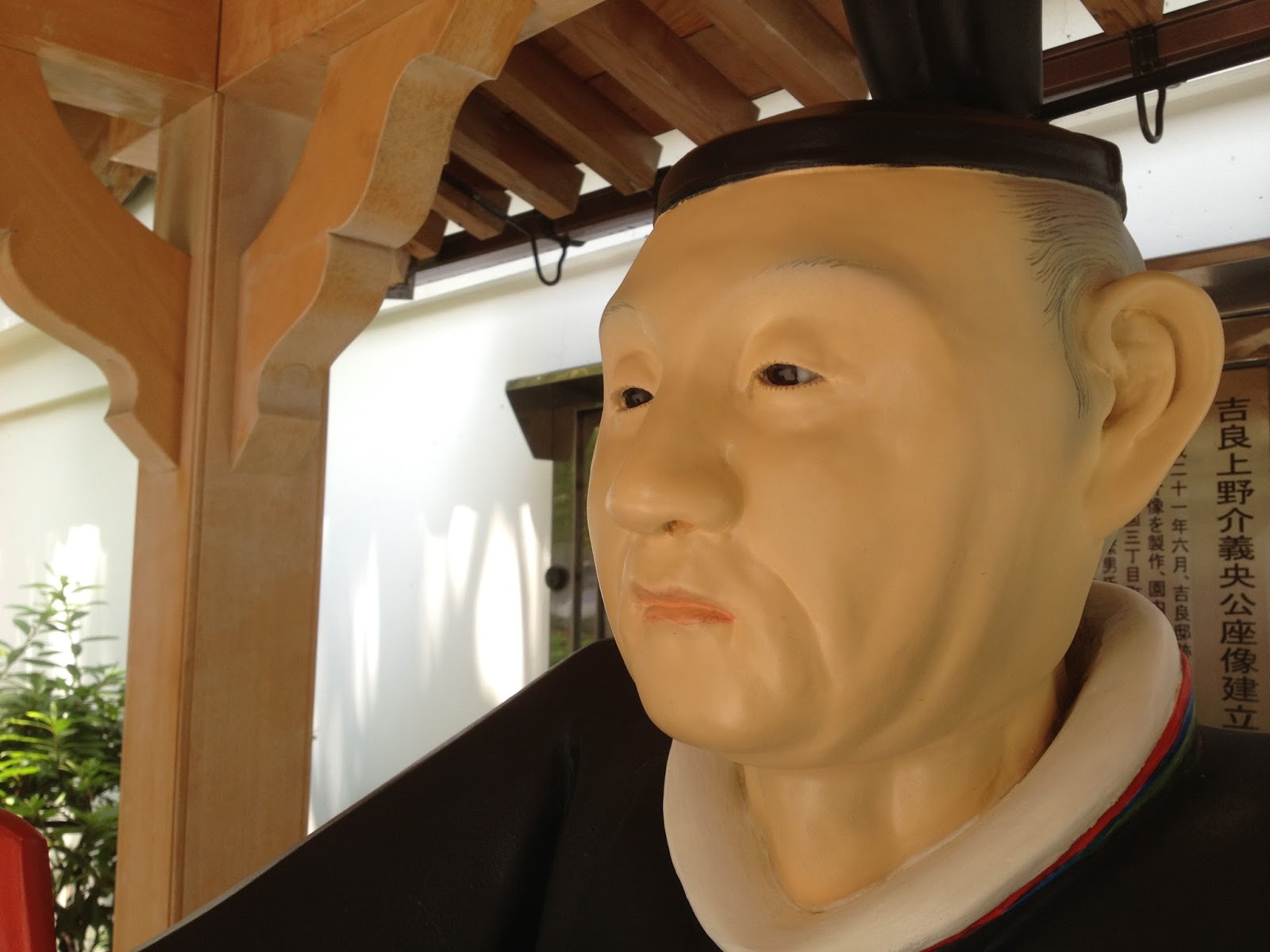
Lord Kira's Head

They would wash his head in the well and take it to Sengakuji to lay it as an offering at the grave of their dead master.
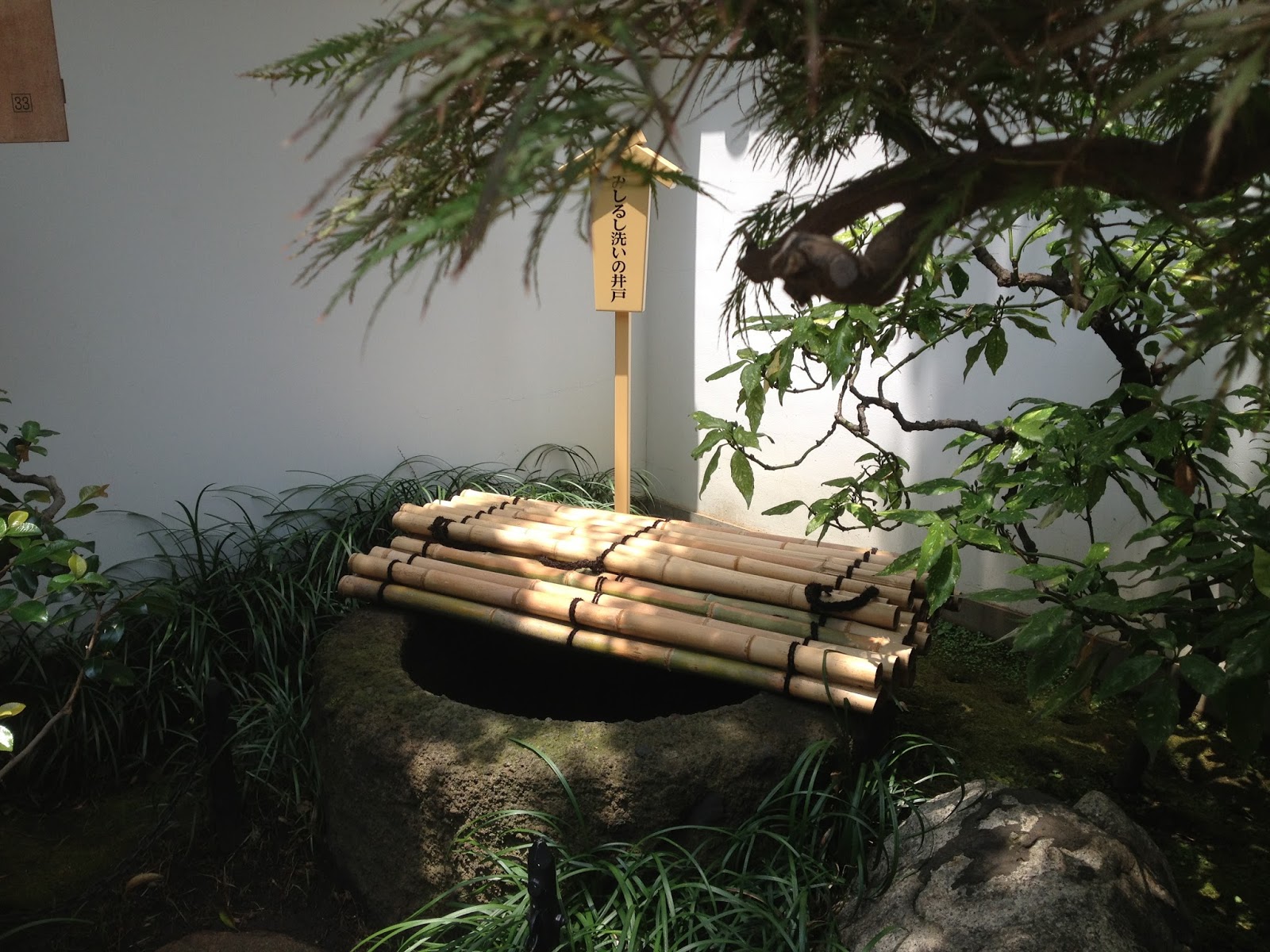
The Well Where the 47 Ronin Washed Kira's Head
I was quite surprised to see the well where the 47 Ronin washed Kira's head. It bears the inscription,
"This is the well in which the head was washed. You must not wash your hands or feet here." 
It has been 310 years since this bloody act, yet I could not help myself, I had to look inside. What did I see?
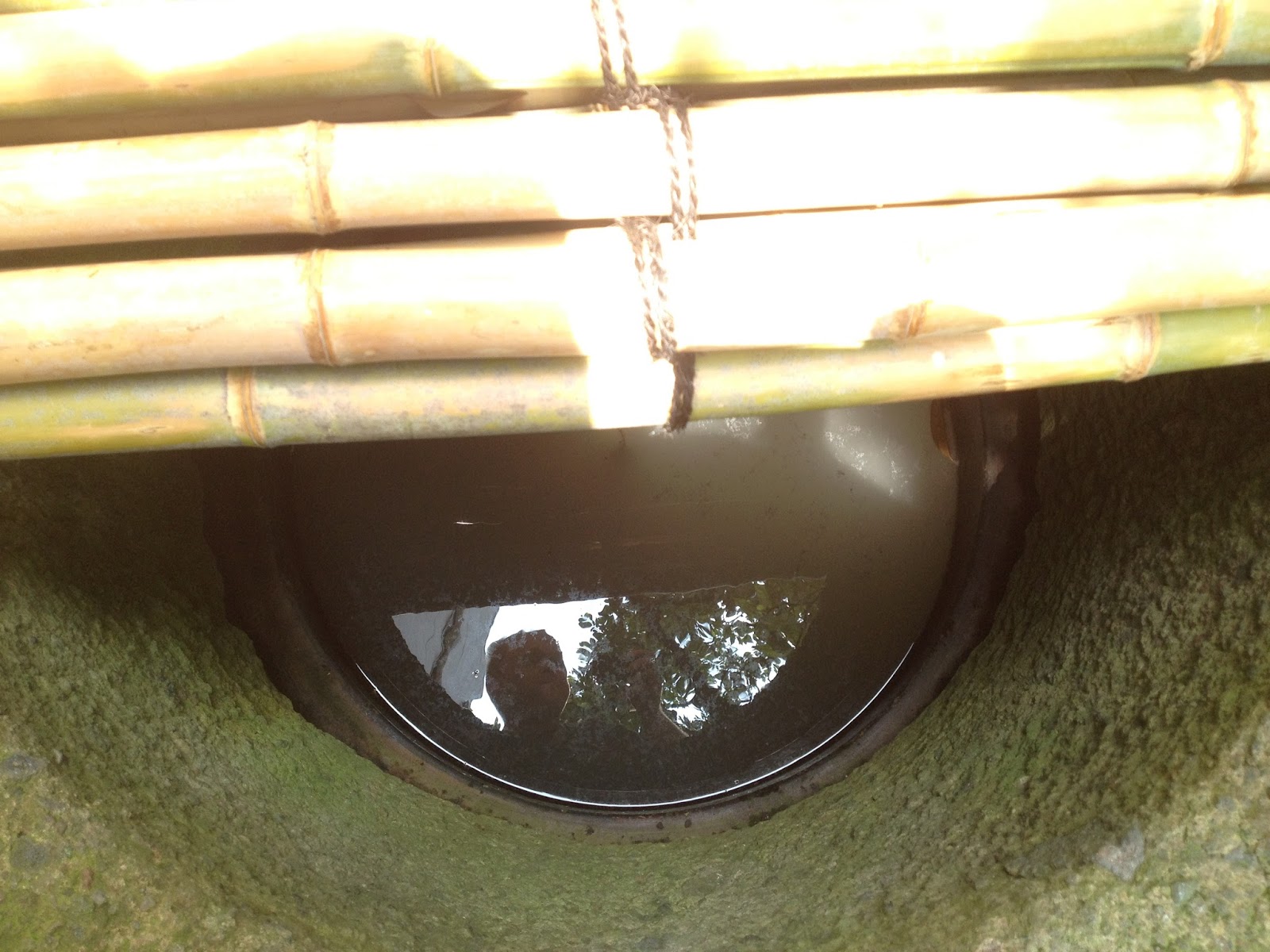
Michael Glenn's Head in Lord Kira's Well

My own head reflected in the water!
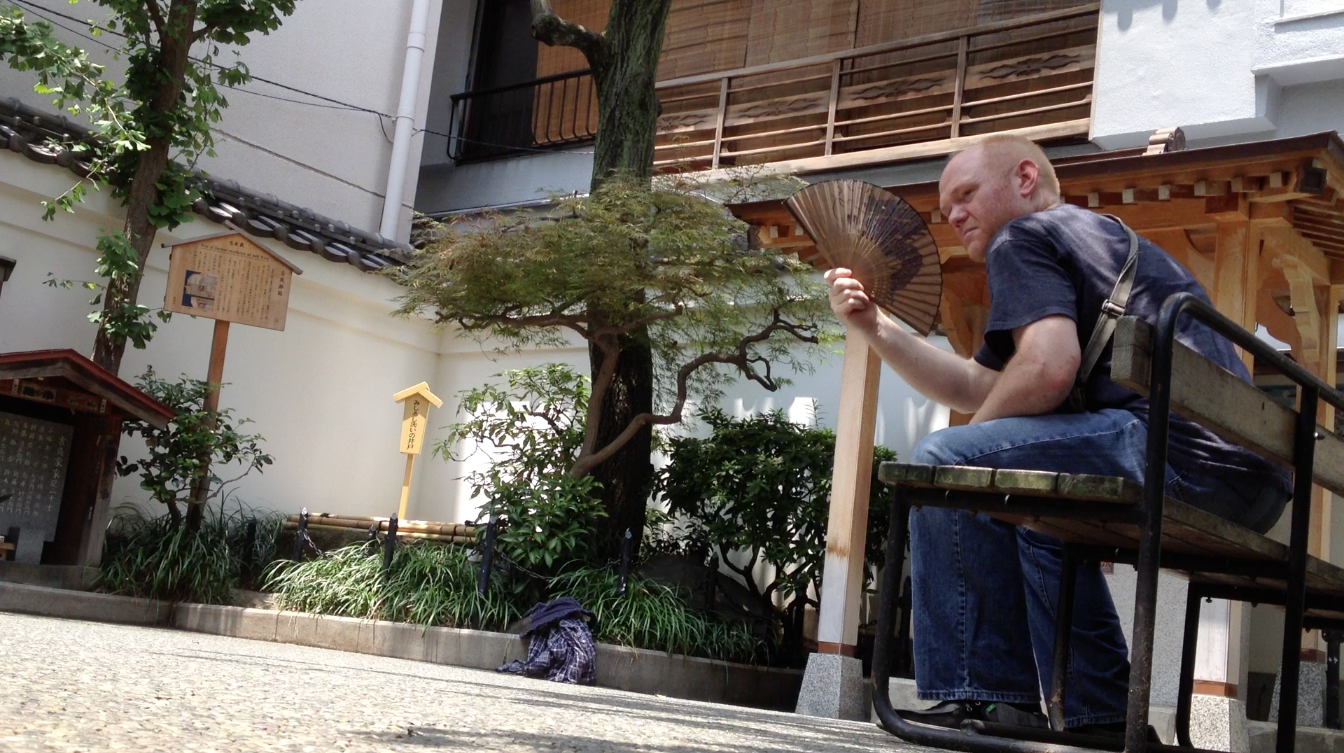
Michael Glenn Fans His Head at Kira's, Ryōgoku
Thinking about what happened here made my head hot, so I sat to fan myself. The silence in this courtyard was longer than normal. You don't normally think of silence as long, but this was 310 years worth.

It had a strange, but serene heaviness.

After avenging their master, like the most dedicated samurai, the 47 Ronin dropped all disguise, surrendered to the code of Bushido, to await their fate. They were sentenced to perform Seppuku. And they did.
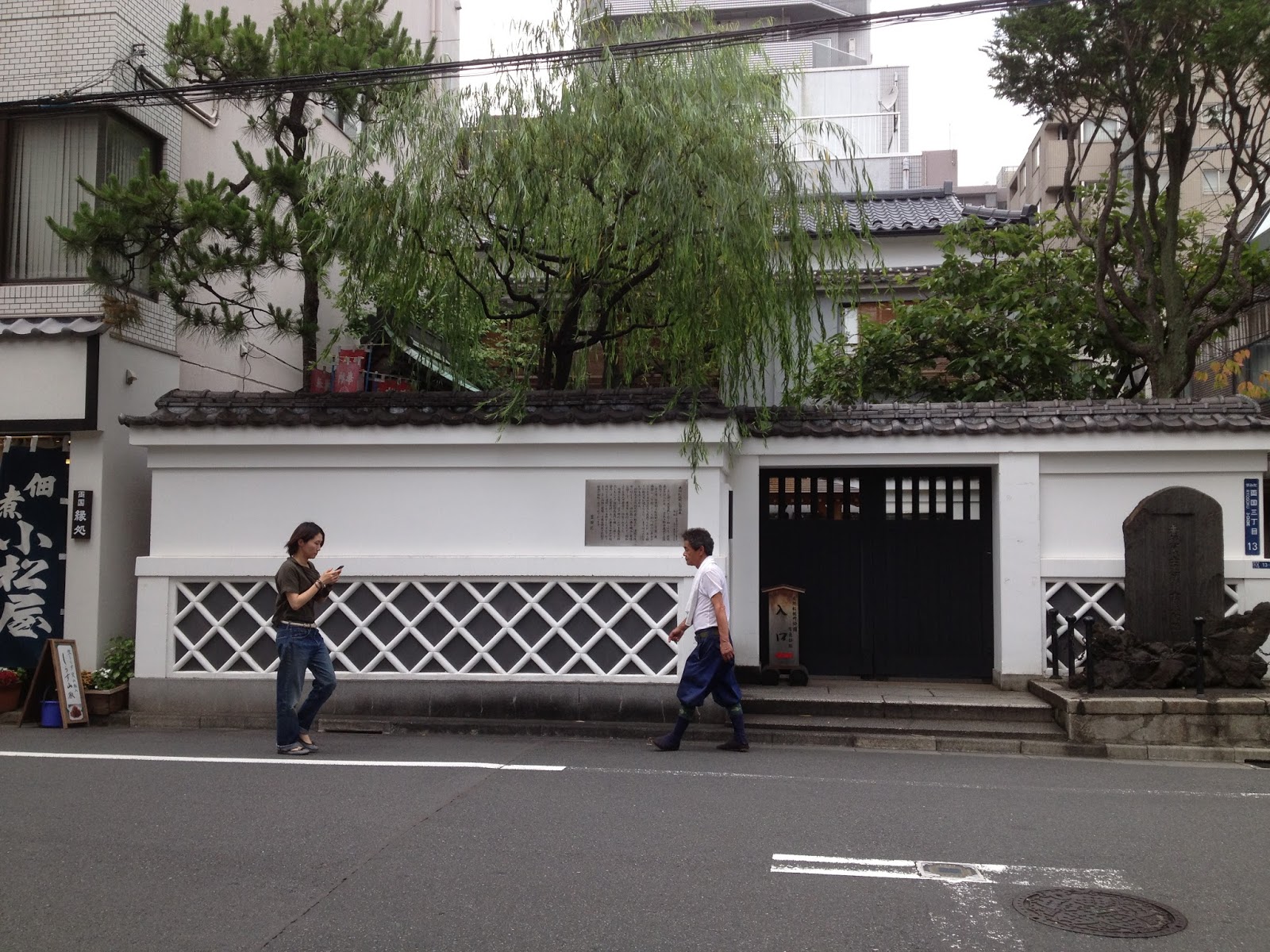
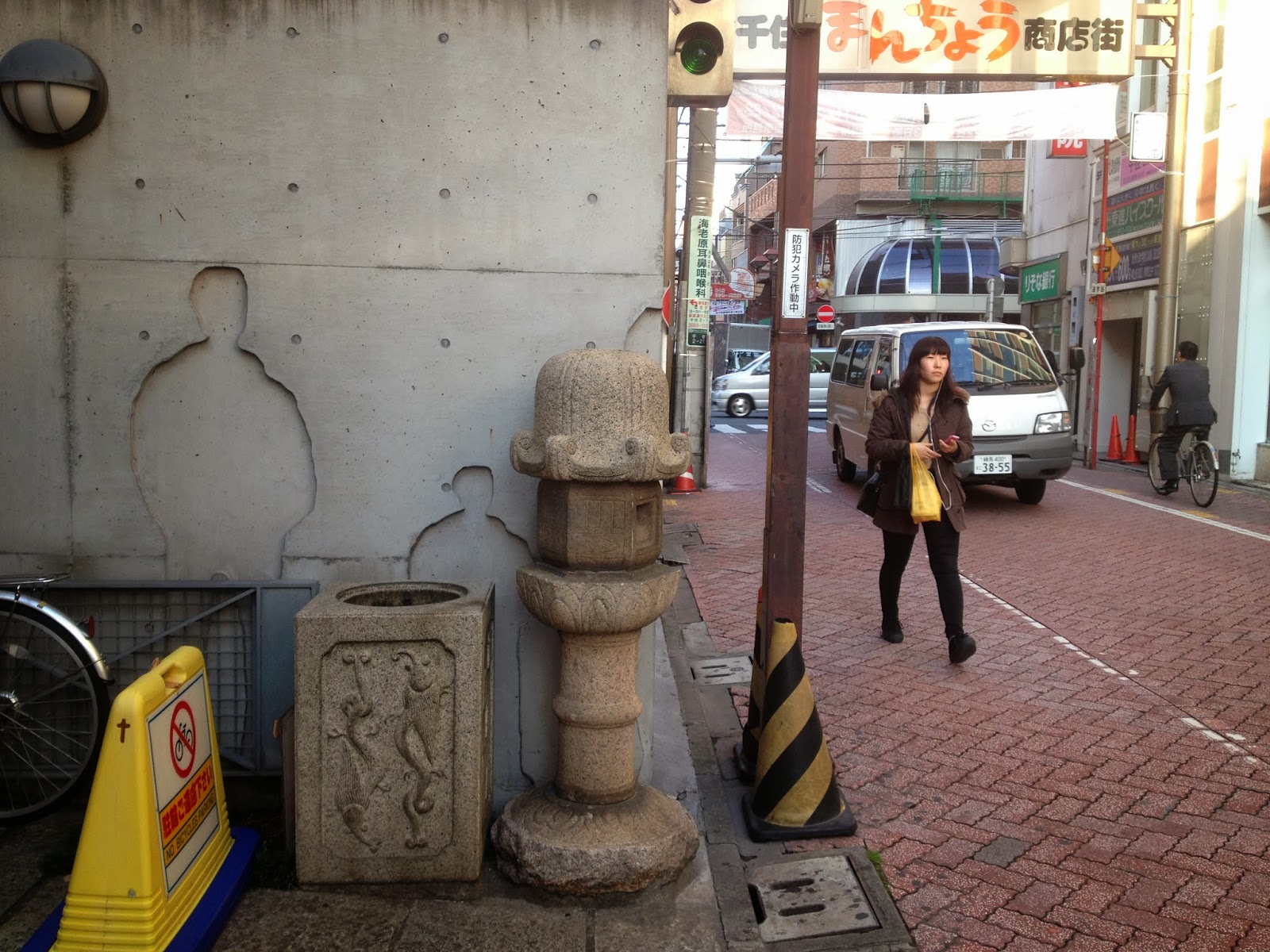
Life goes on, Ryōgoku

The priests from Sengakuji returned Kira's head to his family. His son gave them a receipt which read,
Memorandum:
Item - one head.
Item - one paper parcel.
The above articles are acknowledged to have been received. 
This story of the 47 ronin is a famous tragedy that echoes forth from the annals of Bushido and the isolated culture of Japan to reach out around the world. It has been written about by famous authors and reinterpreted in poetry and art. Like any world class tragedy, it has revenge at it's center, but this revenge was plotted and executed with Ninja like patience and perseverance.

The code of Bushido borrowed a doctrine of revenge from Confucius:
"Thou shalt not live under the same heaven nor tread the same earth with the enemy of thy father or lord"
Kira had to die.
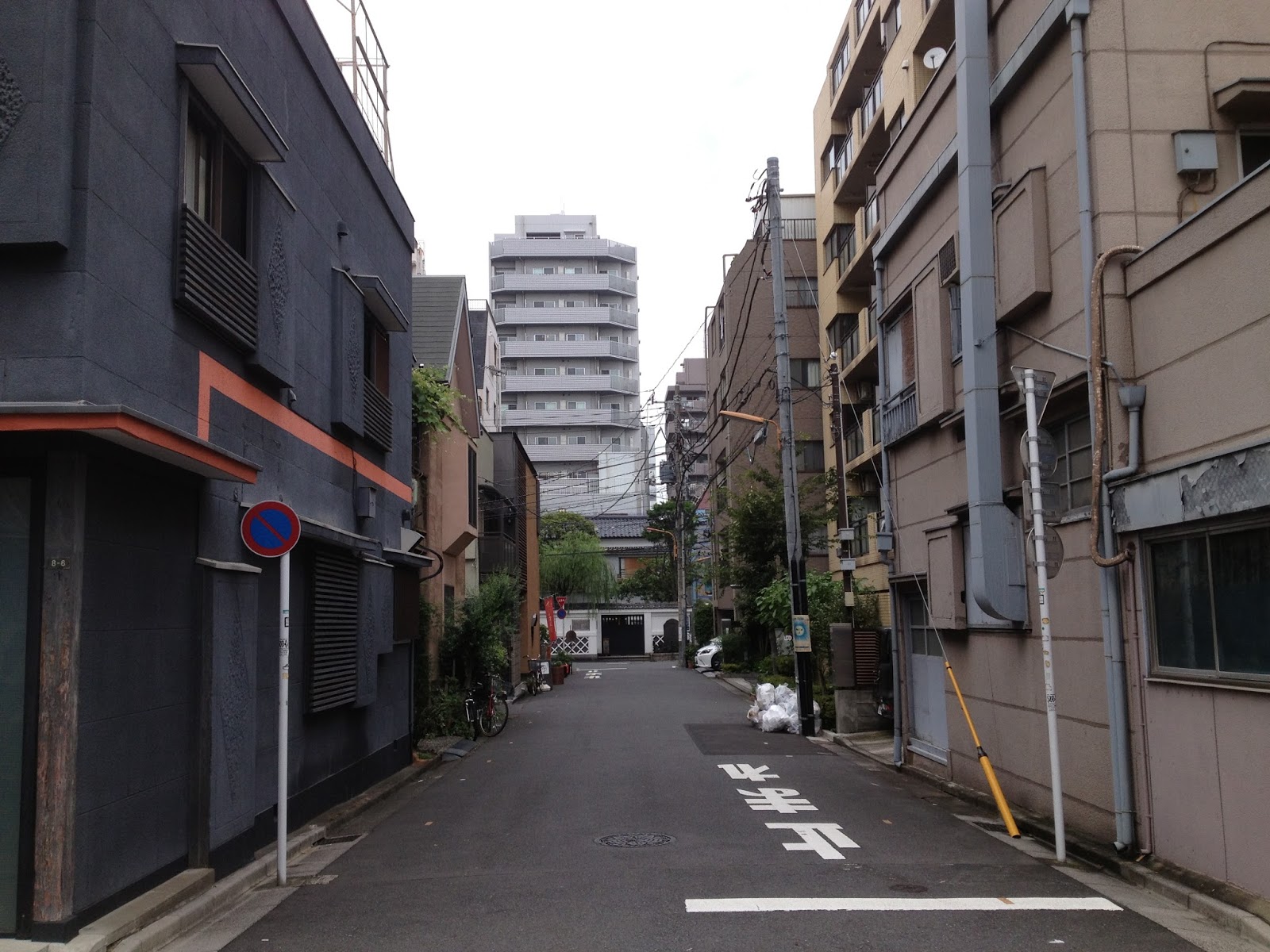
Looking Back at Lord Kira, Ryōgoku

A Ninja Tease With the 鎖分銅 Kusari Fundou

From Bujinkan Santa Monica by Michael

Hatsumi Sensei Sharing, photo by Michael Glenn
Pay Attention Because Hatsumi Sensei Never Stops Sharing, photo Michael Glenn
I just learned how to do a secret ninja move with the 鎖分銅 kusari fundou. Hatsumi Sensei explained how to do this move from a shadow kamae to crush your enemy. I immediately retrieved a kusari fundo that I have owned for 27 years from my weapons cache. Now for the ninja testing.

When I was sixteen, while my friends were buying cool new tires for their cars, I bought a kusari fundou. Like all the other Ninja weapons I was attempting to acquire at this age, I had to watch the mailbox every day to intercept the mail before my parents did. When it arrived, it was better than I expected.

This was 1986 and Ninja Movies were playing in the movie theaters. Hatsumi Sensei or Stephen Hayes were on the covers of Black Belt magazine every other month. The Ninja fad in the U.S. was in full effect. And I was fully hypnotized.

When I unwrapped this simple but strange new weapon, the first thing I did is what everyone should do. I swung it about wildly until I hit myself in the head. If you truly put weapons to the test, the first lesson you learn is that they will injure their owners. This is very important knowledge.

Basically, I had a bump on my head but no clue how to use this thing. No matter. I practiced incessantly and carried it everywhere with me. Even to school! Back in those days there were no metal detectors in schools.

I didn't want to stay stupid, so I sought out instruction. First I went to train with Stephen Hayes in Ohio. It was fun but unsustainable. Next, I found my way to my teacher Peter Crocoll in Arizona. I then went to many Bujinkan seminars and Tai Kai. Finally I began to visit Japan to train with Soke and the Shihan as much as possible.

27 years with this weapon and what have I learned? I taught myself a lot. I studied many diverse materials, including 正木流 Masaki Ryu as Hatsumi Sensei did many years ago. I feel capable with this weapon, but underlying its deceptive simplicity are hidden lessons that I've yet to uncover.

I was very excited to pick up this jewel of knowledge recently given by Soke. In my experience, Hatsumi Sensei will just drop random bits of information about Ninjutsu, obscure weapons, and secret strategies if you are paying attention. Then it's on you to take on this learning.

The simple Ninja trick I learned was how to move from 影に構え a shadow kamae. This kamae appears other than what it is. Other than what I always thought it was!

Then there are six methods of swinging the chain to create a loop (ハ字六法振リに相手をち砕く) and ensnare your opponent before you break or crush him. I will not type the rest...

Sadly I cannot give away the secret here. Not just because it is inappropriate to let anyone have it, but also because it is impossible. This direct transmission would be impossible to learn in text, photos or video. It must be teacher to student directly.

I owe a large debt to all my teachers. I try to repay this debt as best as I can, by keeping the connection alive through me to my own students. If you would like to learn this or anything else from me, feel free to connect here: Michael Glenn Bujinkan

Fresh From Japan: New Details About the Bujinkan 2013 Themes

From Bujinkan Santa Monica by Michael

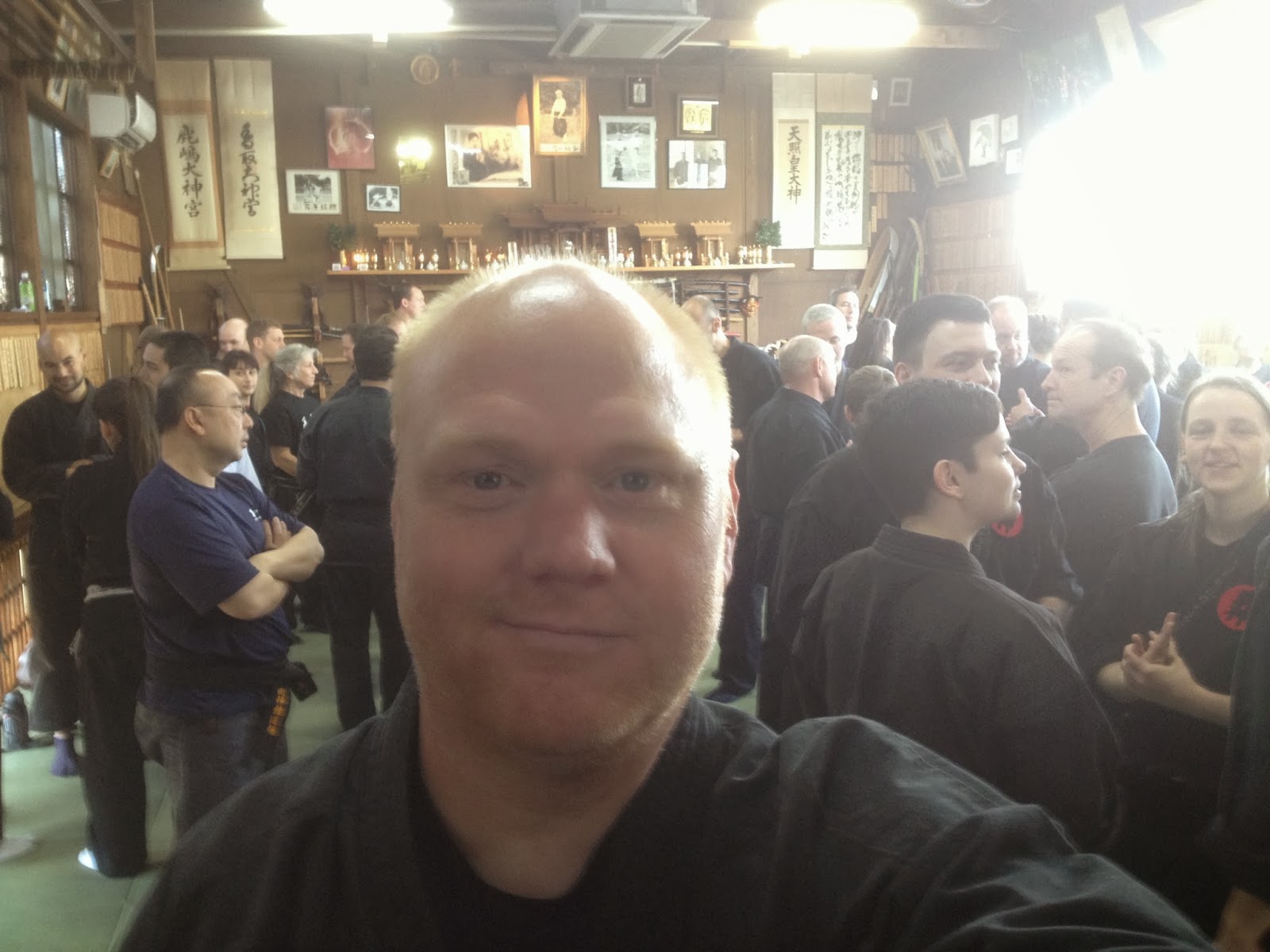
Michael Glenn, The Only Idiot Wearing a Jacket in July, Bujinkan Hombu
In case you are not aware, 婦人の護身術 fujin no goshinjutsu, along with 無刀捕 muto dori and 剣 tsurugi are the themes for this year.

I have been lucky to travel to Japan twice so far this year to experience these themes directly for myself. I just got back home this week, and I have been reflecting on the meaning of my experiences.

Hatsumi Soke painted a scroll for me and my dojo to guide our training in 2013. The layers of meaning and feeling behind this kakejiku will inform much of our training during the second half of the year. This scroll had a surprising message. All I can say, is that these themes and Hatsumi Sensei's approach to them are not what you think.

If you want to keep up with me and my latest training notes as I study this material, you may sign up here for free:  Free Training Reports or...

For Rojodojo members you can learn about the message in the scroll, and the latest information about this year's themes from my direct experience here: Fresh From Japan: New Details About the Bujinkan 2013 Themes

How Long is Your Staff?

From Bujinkan Santa Monica by Michael

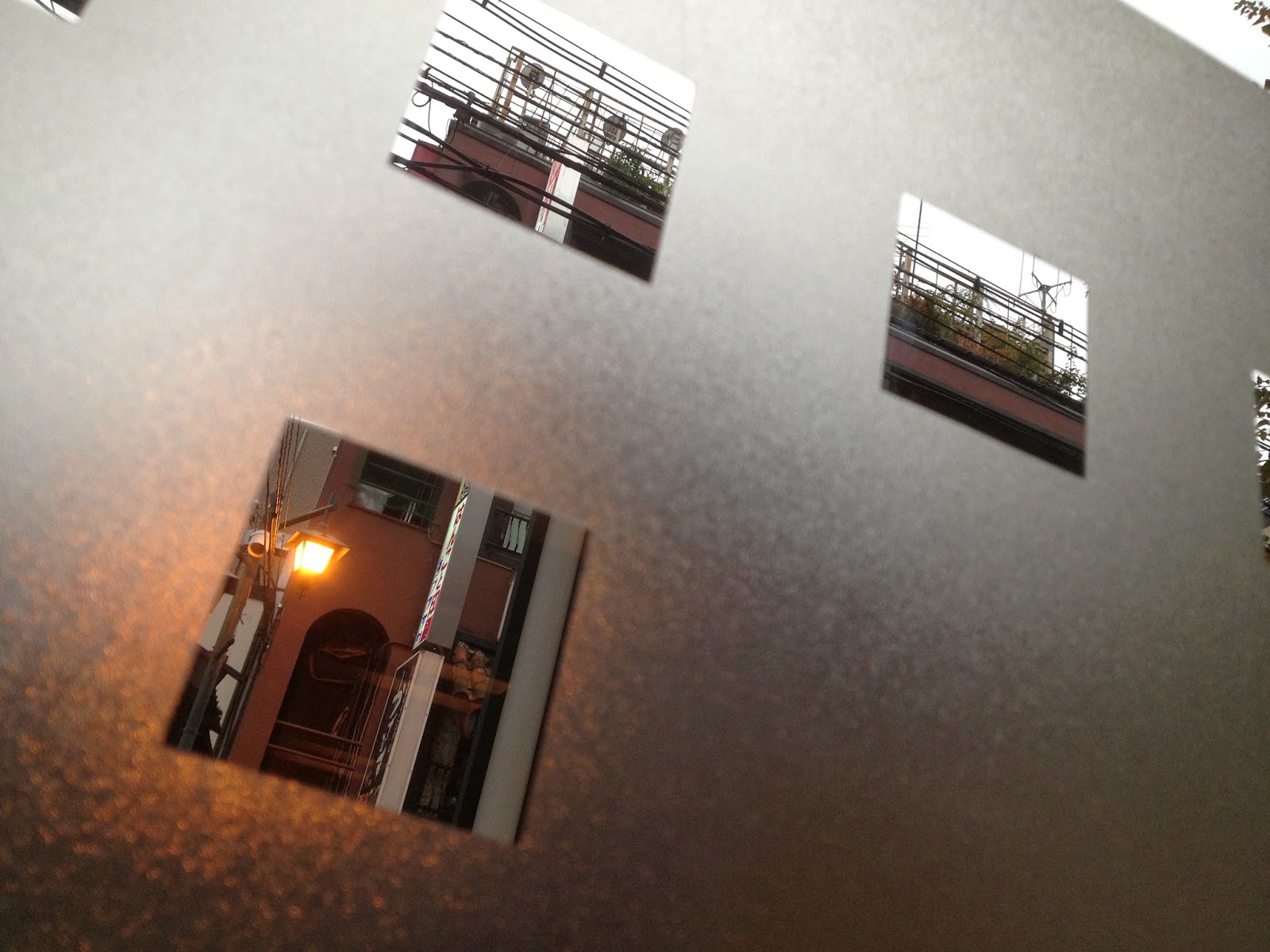
Bujinkan Hombu Dojo Walls, Windows. July 2013 photo by Michael Glenn
We have three basic staff lengths in the Bujinkan: 六尺棒 Rokushakubo (six shaku staff), sometimes just called 棒 bo (stick or pole); 四尺棒 Yonshakubo (four shaku staff) or 杖 jo (staff or cane); and 三尺棒 sanshakubo (three shaku stick) or 半棒 hanbo (half bo).

Did you know that the Hombu dojo is built around these measures?

I was in one class recently where Someya Sensei held the bo and hanbo up against the walls and windows of the Hombu to show us this. The wall sections between supports was the length of six shaku, or the length of a bo. The sliding windows along the sides of the room are six shaku each, and the sliding portion is 3 shaku.

A doorway is six shaku high and 6 wide. But the sliding portion is just 3 shaku.

These lengths of shaku are not a measurement we have in the west. It is said to be derived from nature and is the length between nodes on a shaft of bamboo. But this measurement varies widely. I have also seen it described as the distance between the outstretched thumb and forefinger. The "official" measurement has varied over the centuries by country or by decree. Currently the Japanese government has defined it as approximately 30.3 cm, or 11.93 inches

From wiki about shaku:
While Japanese law required official use of these units be discontinued on March 31, 1966, the shaku is still used in some fields in Japan, such as the traditional carpentry. The ken and jō are multiples of a shaku: 6 shaku make up one ken; 10 shaku make up one jō. The ken is commonly the distance between pillars in traditional buildings such as Buddhist temples and Shinto shrines.
Michael Glenn in the doorway of Lord Kira Yoshinaka's residence
I think these measurements have grown as the Japanese people have gotten taller. Some of the older structures I've walked through in Japan have the height of the door set at jo level or 4 shaku.

Of course you would never want your 六尺褌 rokushakufundoshi (traditional Japanese G-string for men) to be too small.

Don’t Know What to Expect in Bujinkan Training? Me Neither.

From Bujinkan Santa Monica by Michael

Somedays I don't feel like going to class. But I go anyway. Why?

Well, one spectacular reason just happened to me (again) yesterday. I showed up and saw this:

斧 ono
This is an 斧 ono, and it's not often one sees it in action at the Hombu. Yes that is rust, and that is solid metal, and one heavy muther&^%.

So I can't believe my luck when another surprise appears:

鎖鎌 kusarigama
Another hefty piece of equipment by the name of 鎖鎌 kusarigama. Or you may just call it, the reaper.


Go to class or Michael will hit you with 大槌 o-tsuchi


So anyway, go to class. Like I've said before you might find a surprise there, and not going just feels empty.