Skip to content

詒変の棒 Ihen No Bo: My Bo Stands Against the Wind

From Bujinkan Santa Monica by Michael

Raising a Pole, Japan 1914-18. photo By A.Davey
During the 2012 Daikomyosai, Hatsumi Sensei showed us some very mysterious forms of bojutsu. He was showing things most of us had never seen before. After watching one that was very surprising to the whole crowd,  Nagato Sensei turned to some of us and said, "Sensei has been reviewing his training notes from Takamatsu Sensei and he is remembering new things that he studied."

This statement can be interpreted in different ways. But my own feeling about what I witnessed Soke do with the bojutsu he learned from Takamatsu Sensei, is that it is connected to 詒変の棒 Ihen no bo. So I resolved to study this when I returned home.

How to study ihen no bo? If you have a basic grasp of bojutsu, then adding ihen requires tossing aside what you think you know. This is a scary starting place, because you must abandon what you thought were kihon. Why does ihen require this?

詒変の棒 ihen no bo can be defined as the deceptive or changing bo. Hatsumi Sensei says the "詒 i" in ihen can be read as 詒 azamuku or 欺く, which is deception. But you cannot deceive with just your own intention.

The deception comes from 虚実 kyojitsu, truth and falsehood, two sides of the same reality in the opponent's mind. In one of my recent classes, when we made a Bujinkan ► video of me demonstrating this, I explained this type of striking. It is an echo of the opponent's mind. If he believes you are striking him, you do not. The strike becomes false. If he doesn't believe you will strike, then it becomes real or true, and you strike.

With ihen the "hen" is the same as 変化 henka. It is the bo constantly transforming every moment in the kukan. This is reflecting life. Every moment is unique and the life of the bo changes with it.

Right now, one of my rokushakubo is leaning against a window shade to keep the wind from blowing through. It is not being used to beat up a swordsman. This is a natural henka for the bo.…

New Shinobi Tanto

From Paart Budo Buki by buki stolar

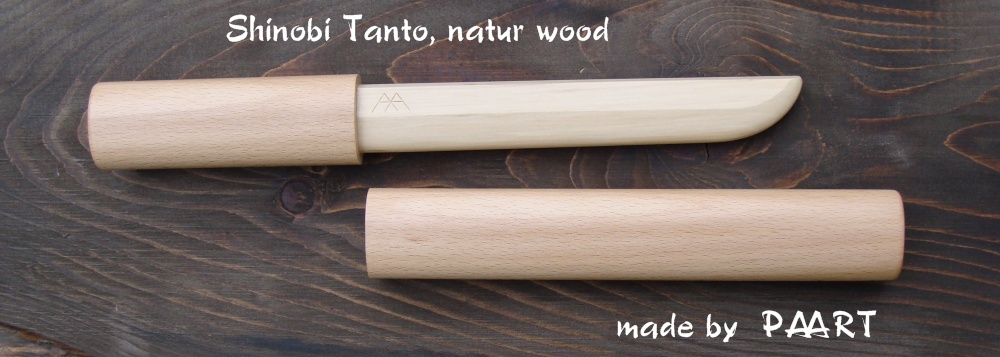
first model of this kind of shinobi tanto was made 2000 for Taikai in Holland, since then there have been several modifications, and this is the last one, enjoy,

more photo soo, more info soon


two versions

…

New Shinobi Tanto

From Paart Budo Buki by buki stolar

first model of this kind of shinobi tanto was made 2000 for Taikai in Holland, since then there have been several modifications, and this is the last one, enjoy,

more photo soo, more info soon


two versions

…

Introducing Rojodojo and 五法 Goho Video Preview

From Bujinkan Santa Monica by Michael

I'd like to begin this post by thanking all of you for your presence and support over the past few years. This blog started because I have a deep abiding passion for the Bujinkan, which has been an integral part of my life's journey for well over half my life, and will remain so for the duration. And every one of you has been a part of that.

I care so much about the Bujinkan because it's a dynamic, living art. One which spoke to me as a skinny, awkward boy, and one which has evolved with me and for me as I've transformed physically and spiritually to embrace all aspects of this wonderfully rich lifestyle. It has given me grace as well as strength, balance and wisdom.

I don't practice Bujinkan; I'm immersed in it fully. It's not a study, it is, simply put, a transformational relationship...one of the most enriching and enduring relationships I have.

I teach Bujinkan as an extension of this relationship. I blog for the same reason. And I am so honored and proud to announce the launch of my new website which takes this union to the next level. It is intended to realize the vision I have for my Bujinkan life, and hopefully for yours, too.

At Rojodojo.com, I will continue to blog, publish my heartfelt training notes after every class, and explore the culture of our art through as many mediums as possible. I'll bring my love for the arts, film making, philosophy, and travel to the table. And I will produce training videos from my unique perspective. I will also travel, providing seminars and documenting these experiences for you to share.

This is my way of expanding and enriching what I give back to the community I'm so proud to be a part of. As with my classes, I pledge to keep the membership fees reasonable and affordable. They exist to enable me to continue to provide you with the best possible content.

I invite you to join me. I'd love to see you at one of my Bujinkan Santa Monica classes or in a seminar at a dojo near you. And I'd love to share it all with you through an exclusive membership to Rojodojo.com, where you can embark on every step of this dynamic journey.

Please accept this invitation. Come take a look. Together, let's continue the journey!

…

DVDs

From Bujinkan 40 Years in Europe by alexander

The DVDs are coming! We haven’t forgotten them by any means, but we have had some problems with the sound quality. Anne told me yesterday that these problems have been sorted, now we’re just looking at distributing the results. Stay tuned for just a little longer!…

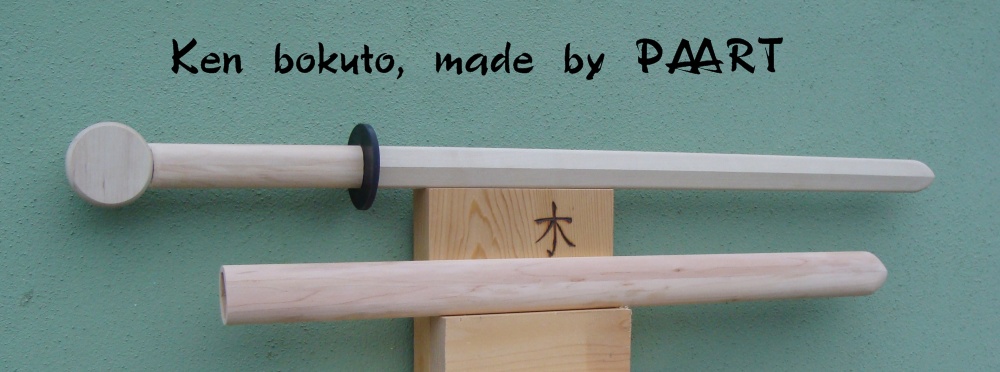
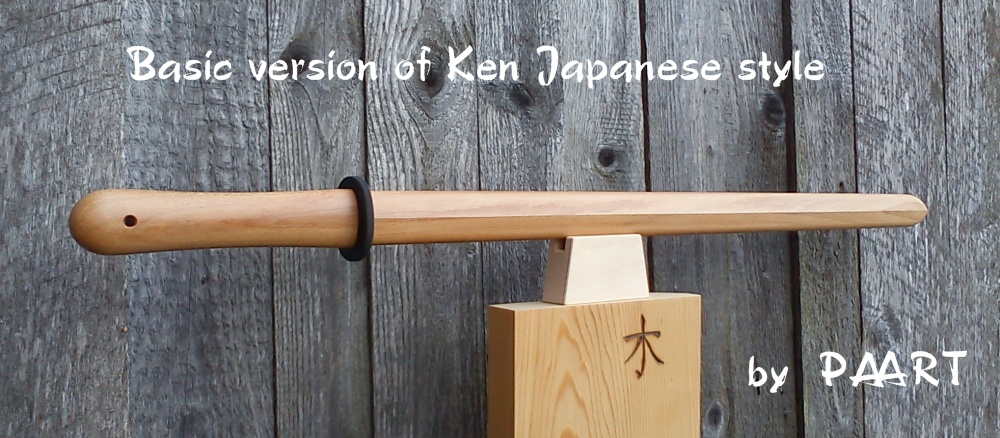
Ken Bokuto

From Paart Budo Buki by buki stolar

Since this year the theme in the Bujinkan is Ken, 
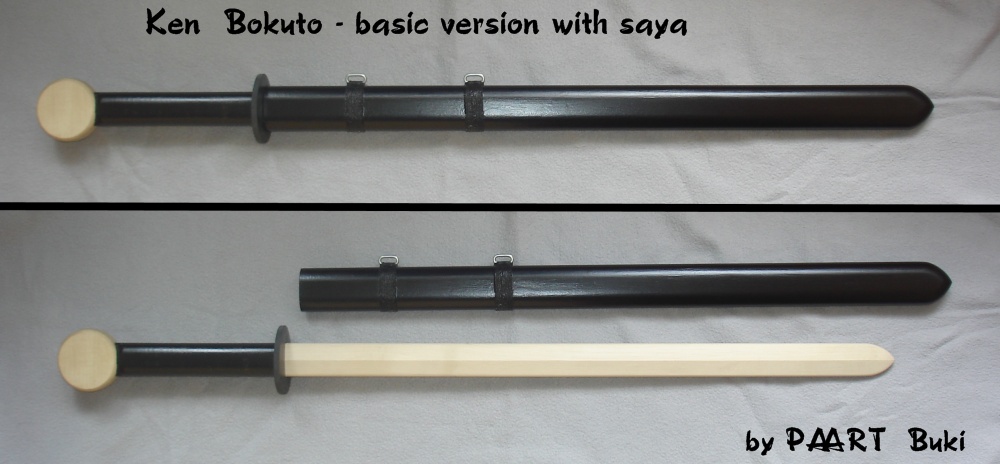
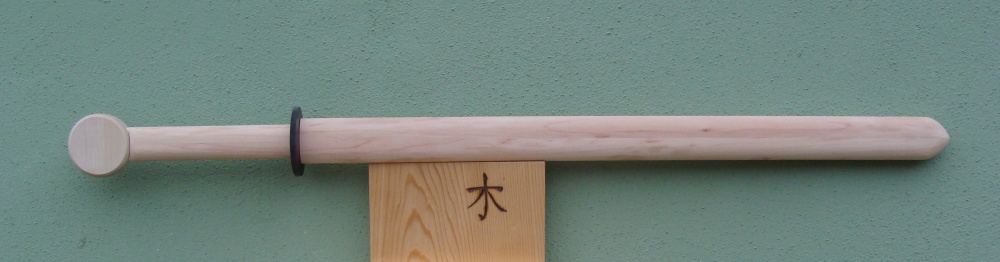
here is wooden training Ken, with wooden saya, it was been done according to the Soke's  Ken showed at his video and DVD "Ken, Tachi & Katana".

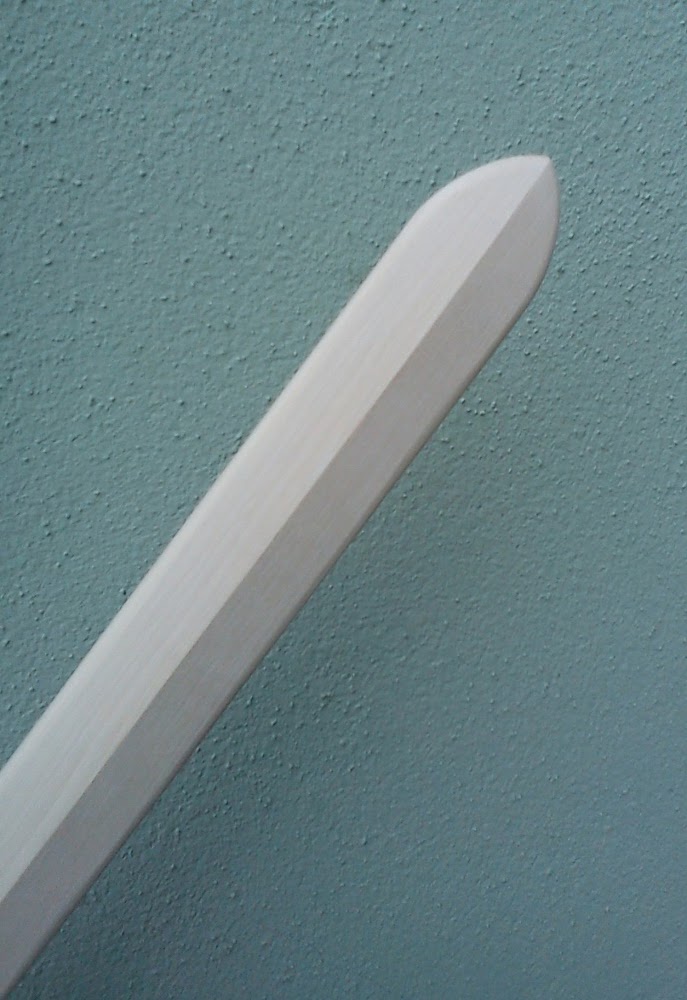
Although according to some archives and and Professional Nihonto Journal, blade of Ken ranges from 38 cm to 58 cm.

Of course this is only the first one, and is unfinished, so follow the further development 
all of you who are interested in this type of bokuto you could contact me if you like some of my versions,
 or if you wish that I make you some of your versions, by Your dimensions and your design


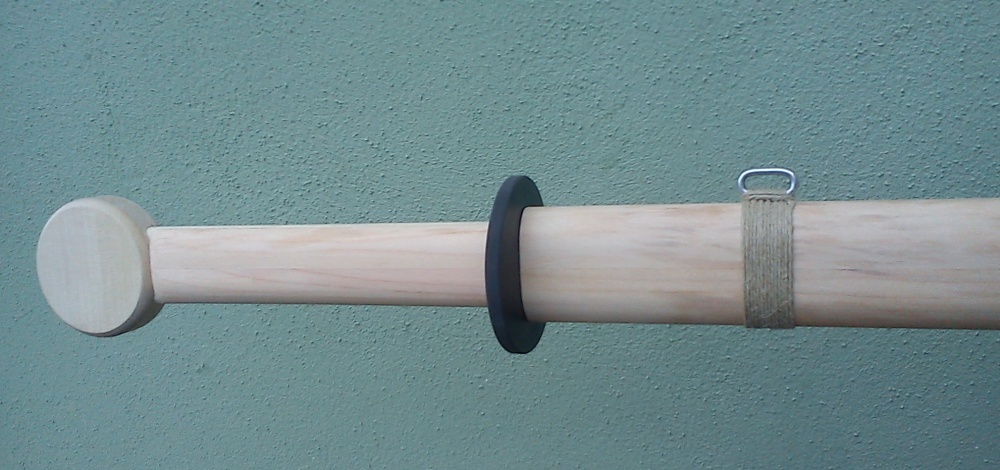
and  I make also belt holder (one or two) so paint will cover everything on the end


…

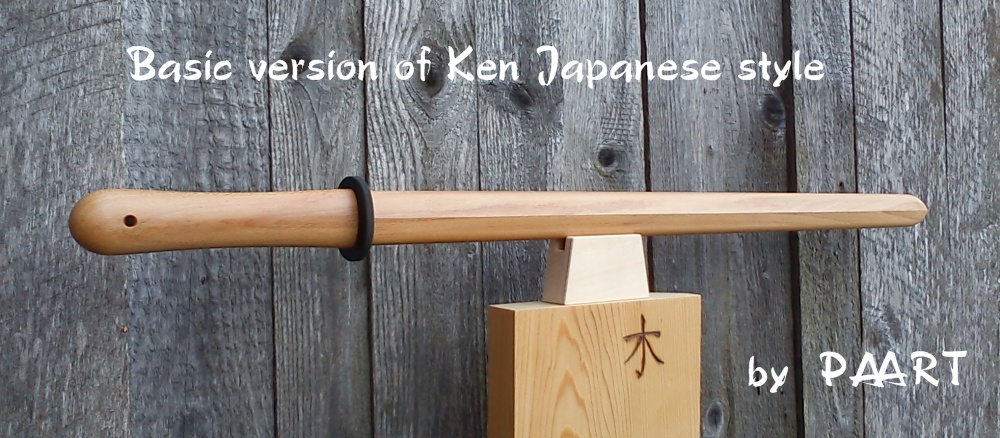
Ken Bokuto

From Paart Budo Buki by buki stolar

Since this year the theme in the Bujinkan is Ken, 
here is wooden training Ken, with wooden saya, it was been done according to the Soke's  Ken showed at his video and DVD "Ken, Tachi & Katana".

Although according to some archives and and Professional Nihonto Journal, blade of Ken ranges from 38 cm to 58 cm.

Of course this is only the first one, and is unfinished, so follow the further development 
all of you who are interested in this type of bokuto you could contact me if you like some of my versions,
 or if you wish that I make you some of your versions, by Your dimensions and your design


and  I make also belt holder (one or two) so paint will cover everything on the end


…

Wall Kake

From Paart Budo Buki by buki stolar

something for your weapons and equipment,


 some more versions,


below is sample how it look with bokken and jo, butit could be for Katana or something else


some measurements and colors of stand, are adjustable, you just say what you need
…